

 English
 русский
 عربى
عربى Deutsch
Role of the Water Pump Housing in Mechanical Systems
The water pump housing is a structural and functional component that encloses the impeller, shaft, seals, and bearings of a pump. Its primary role is to maintain internal pressure, guide fluid flow, and protect internal parts from external environmental influences. Because it directly interfaces with pressurized fluid and often operates under varying thermal conditions, the housing must withstand both mechanical stress and temperature changes over extended periods of operation.
In industrial, automotive, agricultural, and building service applications, the operating conditions of a pump can differ significantly. These differences make pressure and temperature resistance key evaluation factors when selecting or designing a water pump housing. The housing material, manufacturing process, and structural geometry all influence how well it performs under these combined stresses.
Common Operating Pressure Conditions for Water Pumps
The pressure experienced by a water pump housing depends largely on the pump type and system design. Centrifugal pumps used in circulation systems typically operate under moderate pressures, while high-pressure pumps used in cleaning, irrigation, or industrial processes can generate substantially higher internal forces. The housing must be able to contain this pressure without deformation that could affect internal clearances or sealing performance.
Pressure resistance is not only about maximum pressure values but also about pressure fluctuations. Repeated cycles of pressure increase and decrease can induce fatigue in the housing material. A well-designed water pump housing accounts for these dynamic conditions by using appropriate wall thickness and reinforcement around high-stress areas such as inlet and outlet ports.
Temperature Exposure in Typical Pump Applications
Temperature resistance is another essential characteristic of a water pump housing. Pumps may handle fluids at ambient temperature, elevated temperatures, or, in some cases, near-boiling conditions. Additionally, the external environment may expose the housing to cold or heat independent of the fluid temperature.
As temperature changes, materials expand or contract. If the housing material does not respond uniformly, internal stresses can develop. These stresses may affect dimensional stability, sealing surfaces, and the alignment of rotating components. For this reason, temperature resistance is closely linked to material selection and manufacturing consistency.
Material Choices and Their Influence on Pressure Resistance
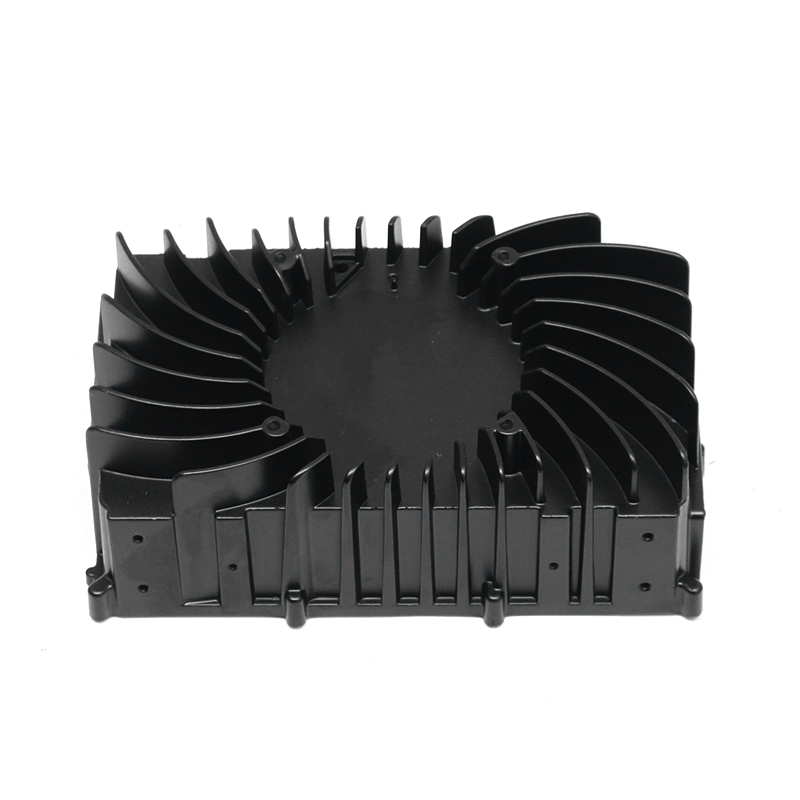
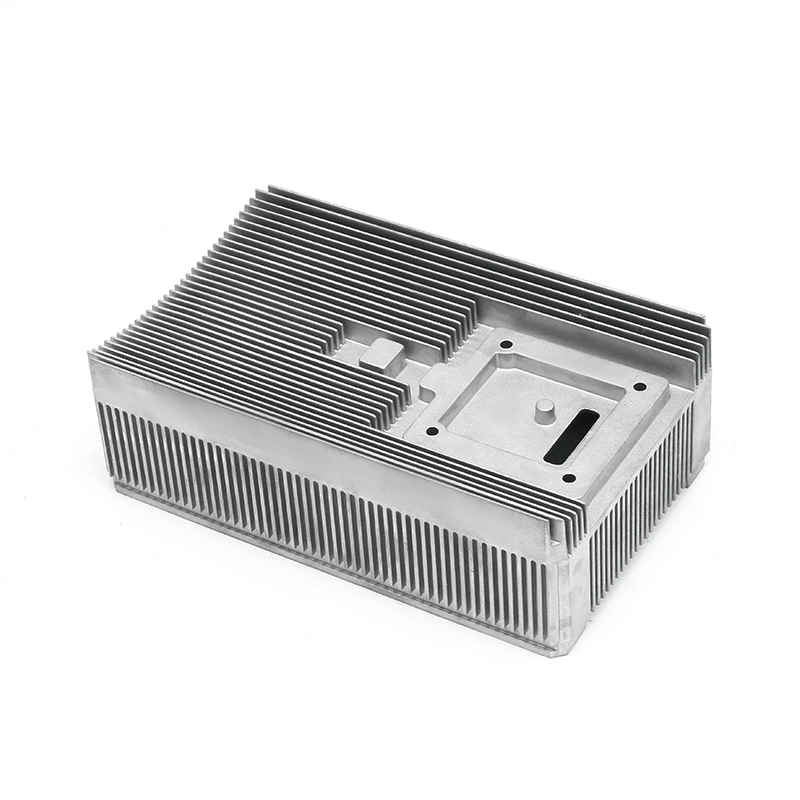
Water pump housings are manufactured from a range of materials, including cast iron, stainless steel, engineering plastics, and aluminum alloys. Each material offers a different balance of strength, weight, corrosion resistance, and thermal behavior. Aluminum alloys are widely used due to their favorable strength-to-weight ratio and consistent casting characteristics.
An aluminum water pump housing produced through controlled processes can handle moderate to high pressures commonly found in circulation and transfer systems. The material’s mechanical properties allow it to resist internal forces while maintaining dimensional accuracy, which is essential for reliable pump operation.
Temperature Resistance Characteristics of Aluminum Housings
Aluminum alloys used in pump housings typically maintain stable mechanical properties across a broad temperature range. This makes them suitable for applications involving warm or moderately hot fluids, as well as environments with variable ambient temperatures. The thermal conductivity of aluminum also helps distribute heat more evenly, reducing localized thermal stress.
When designed correctly, an aluminum water pump housing can tolerate repeated heating and cooling cycles without cracking or warping. This stability is particularly important in systems that start and stop frequently, where temperature changes occur rapidly.
Influence of Die Casting on Structural Integrity
Die casting is a common manufacturing method for aluminum pump housings, offering consistent wall thickness and precise geometry. An experienced aluminum die casting mold manufacturer plays a critical role in determining the final pressure and temperature resistance of the housing. Mold design affects material flow, internal density, and the presence of porosity.
Reduced internal porosity improves pressure resistance by minimizing weak points where cracks could initiate. Proper mold venting, gating design, and process control contribute to a more uniform internal structure, which supports stable performance under both pressure and thermal stress.
Design Features That Enhance Pressure Resistance
The geometry of a water pump housing directly affects how pressure loads are distributed. Rounded internal corners, reinforced ribs, and smooth transitions between sections help reduce stress concentration. These features allow the housing to withstand internal pressure more evenly rather than focusing stress at sharp edges or thin sections.
Collaboration between the water pump designer and the motor housing manufacturer is often necessary to ensure compatibility between the pump housing and the drive system. Proper alignment and mounting reduce additional mechanical loads that could otherwise combine with internal pressure to accelerate wear or deformation.
Sealing Interfaces and Their Relationship to Pressure Limits
Sealing surfaces within a water pump housing must maintain integrity under pressure while accommodating temperature-induced expansion. Gasket grooves, O-ring seats, and mechanical seal interfaces are designed with precise tolerances to prevent leakage without excessive compression.
If the housing material expands significantly with temperature, sealing performance can be affected. Materials with predictable thermal expansion behavior allow engineers to design seals that remain effective across the intended operating temperature range.
Comparison of Typical Pressure and Temperature Ranges
The table below illustrates general pressure and temperature ranges associated with different water pump housing materials and applications. These values are indicative and depend on specific design and manufacturing conditions.
| Housing Material | Typical Pressure Range | Typical Operating Temperature Range |
| Aluminum alloy | Moderate to moderately high system pressure | Ambient to elevated fluid temperatures |
| Cast iron | Moderate to high system pressure | Ambient to high fluid temperatures |
| Engineering plastic | Low to moderate system pressure | Limited to moderate temperatures |
Effect of Internal Fluid Characteristics
The type of fluid being pumped also influences pressure and temperature resistance requirements. Clean water places relatively predictable loads on the housing, while fluids containing particulates or chemicals may increase wear or corrosion risk. Elevated temperatures combined with corrosive fluids can accelerate material degradation if the housing is not properly specified.
In such cases, surface treatments or coatings may be applied to the water pump housing to improve resistance without altering the base material. These treatments must also withstand the same temperature range as the housing itself.
Integration with Motor and Control Components
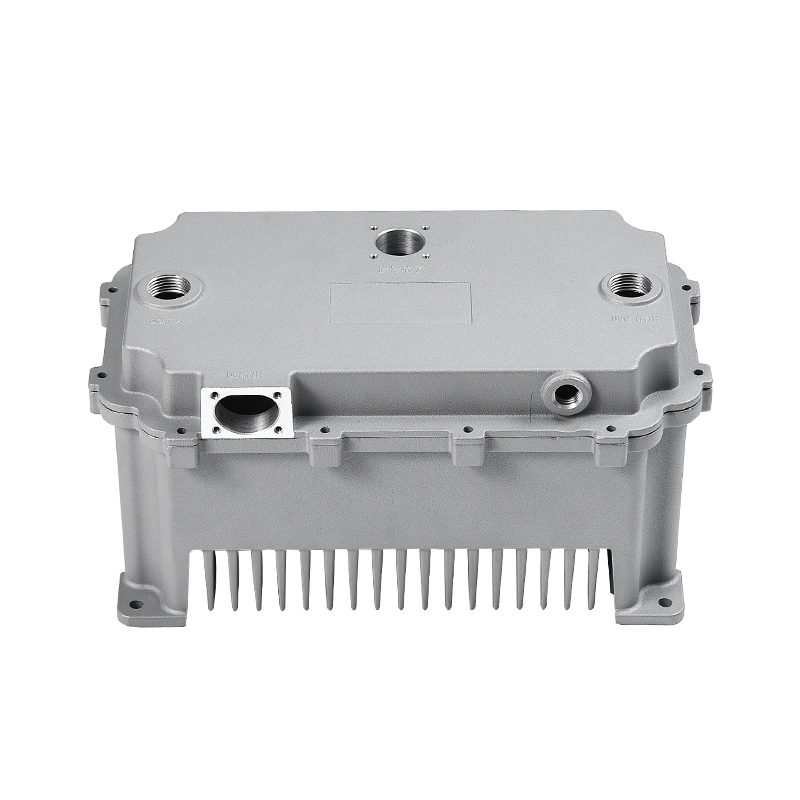
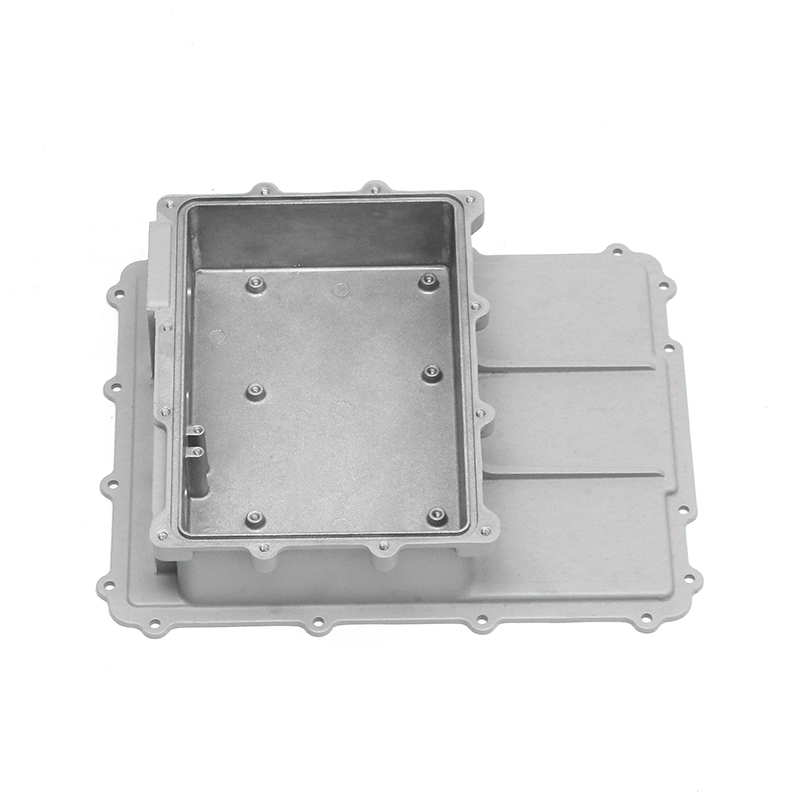
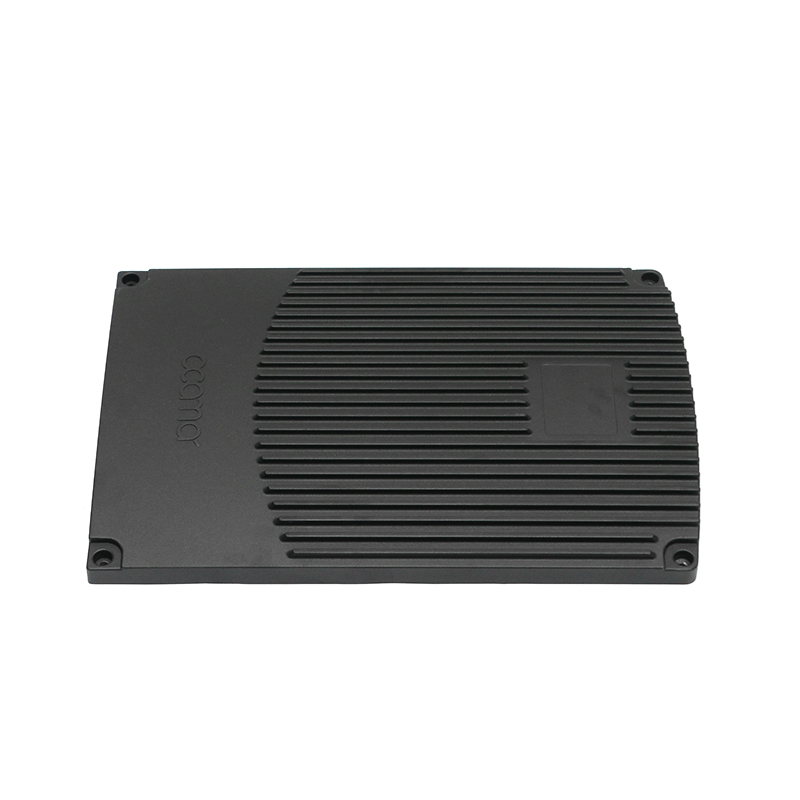
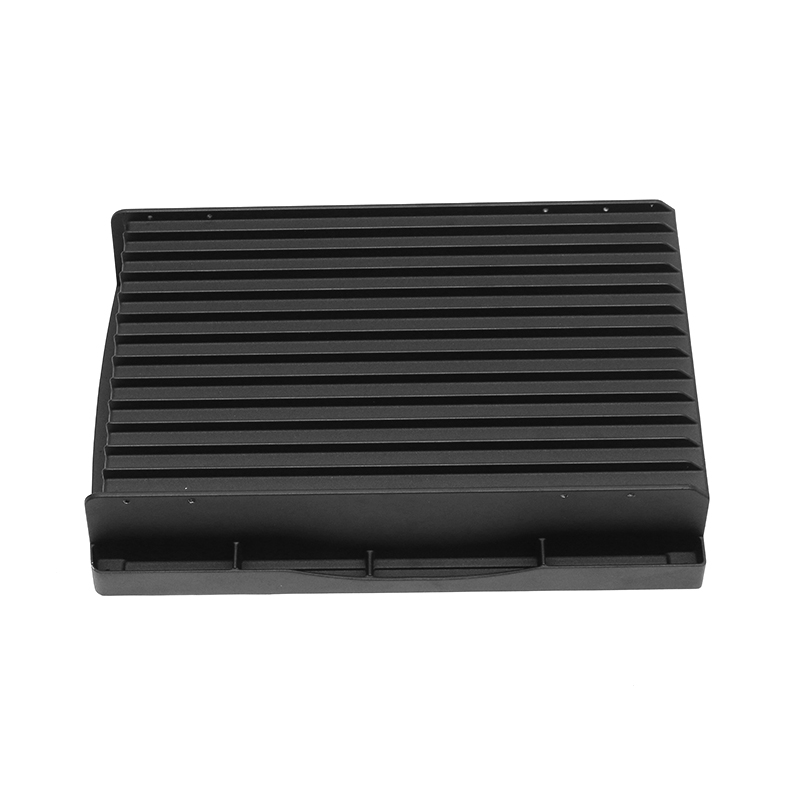
In many systems, the water pump housing operates as part of a larger assembly that includes a motor housing and an electric control box housing. Coordination between the motor housing manufacturer and the electric control box housing manufacturer helps ensure that thermal loads are managed across the entire system.
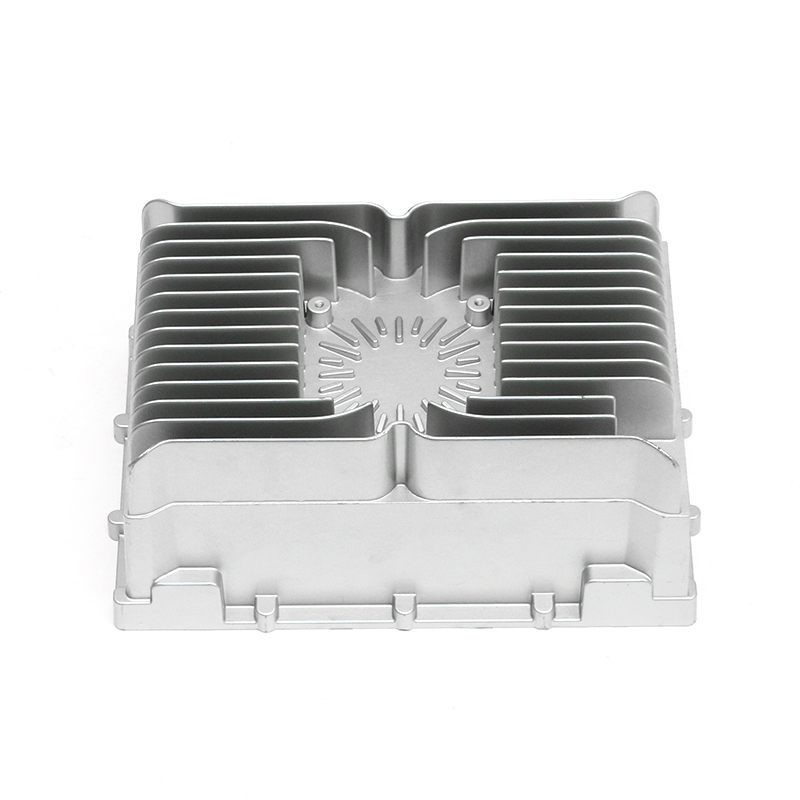
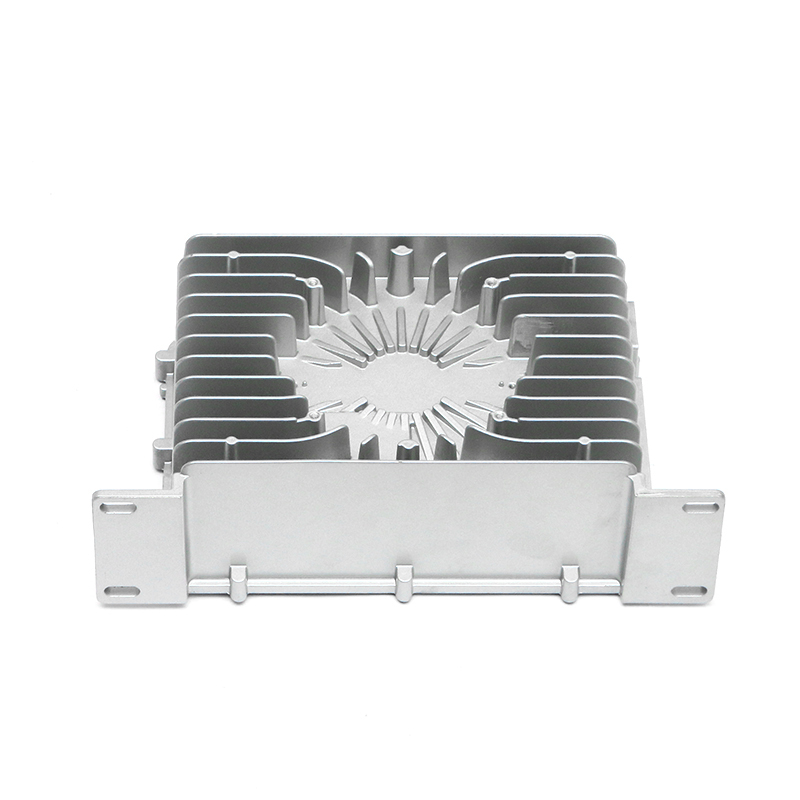
Heat generated by the motor can be transferred to the pump housing through mounting interfaces. If both components are designed with compatible materials and expansion characteristics, this heat transfer does not compromise structural integrity or pressure resistance.
Thermal Cycling and Long-Term Reliability
Thermal cycling refers to repeated heating and cooling during normal operation. Over time, these cycles can contribute to material fatigue if the housing is not designed with sufficient tolerance. Aluminum housings produced with controlled die casting processes generally handle thermal cycling well due to uniform grain structure and predictable expansion behavior.
Long-term reliability depends not only on peak temperature and pressure values but also on how frequently these limits are approached. Conservative design margins help ensure that the water pump housing maintains its shape and sealing capability throughout its service life.
Quality Control and Testing Practices
Pressure and temperature resistance are typically validated through testing during development and production. Pressure testing involves subjecting the housing to internal pressure levels above normal operating conditions to confirm structural stability. Temperature testing exposes the housing to elevated and reduced temperatures to observe dimensional changes and material behavior.
An experienced aluminum die casting mold manufacturer often works closely with pump designers to refine tooling and processes based on test results. This iterative approach improves consistency and helps ensure that each production batch meets defined resistance requirements.
Application-Specific Design Adjustments
Different applications may require tailored water pump housing designs. For example, pumps used in heating systems may prioritize temperature resistance, while pumps in high-rise water supply systems may focus on pressure containment. Adjustments in wall thickness, alloy composition, and reinforcement patterns allow the housing to be optimized for its intended use.
These design adaptations highlight the importance of selecting a manufacturing partner who understands both pressure and temperature demands across industries.
Maintenance Considerations Related to Pressure and Temperature
Proper maintenance practices help preserve the pressure and temperature resistance of a water pump housing. Monitoring operating conditions, avoiding prolonged operation outside recommended ranges, and ensuring proper installation reduce unnecessary stress on the housing.
When maintained appropriately, a well-designed water pump housing can continue to perform reliably under its intended pressure and temperature conditions for extended periods.