

 English
 русский
 عربى
عربى Deutsch
High-Performance Car Water Pumps and Die Casting Solutions
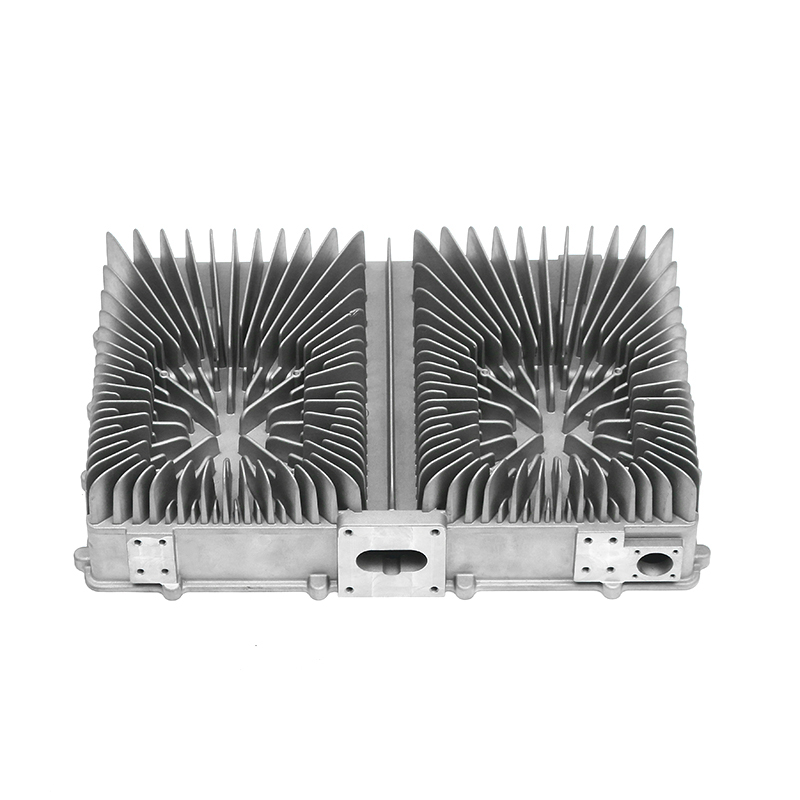
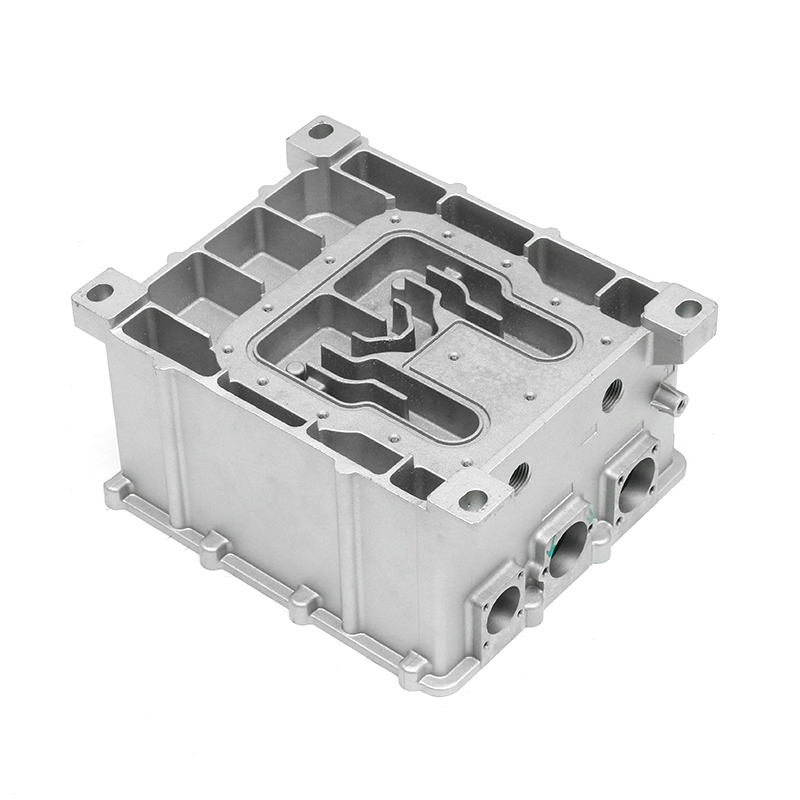
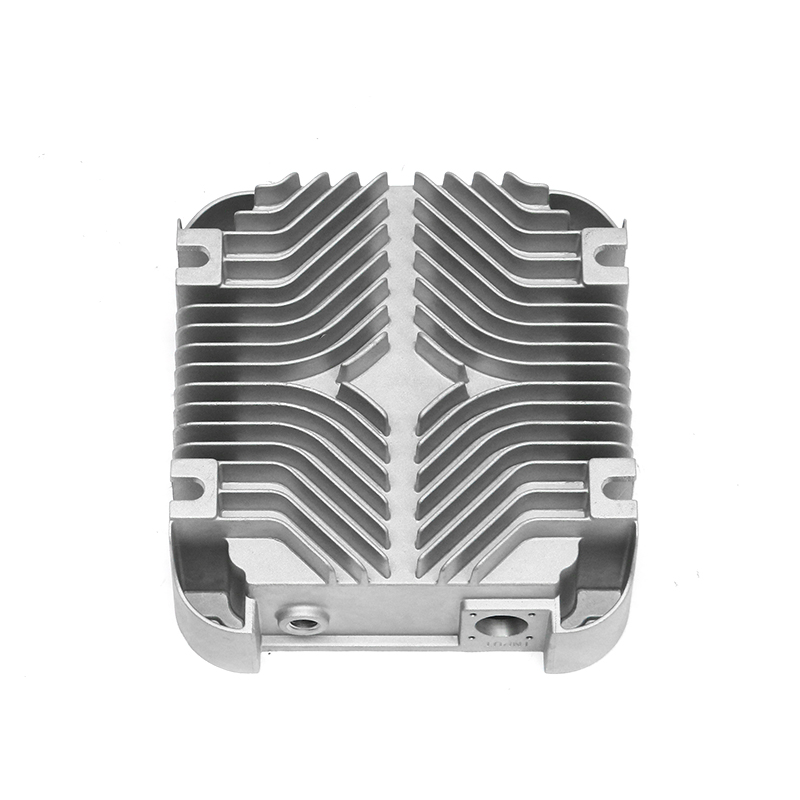
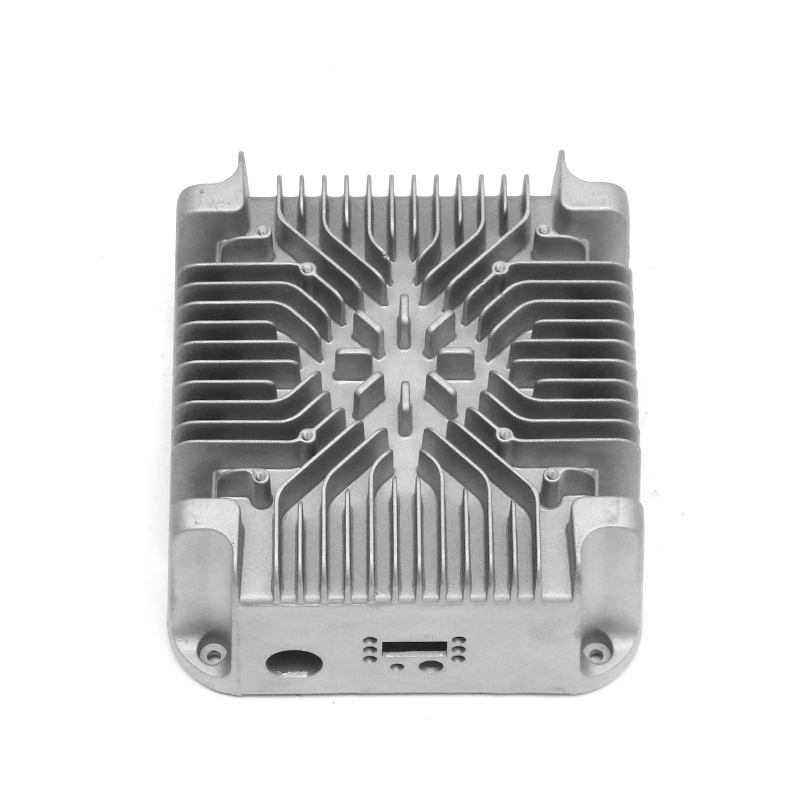
Car water pumps are essential for maintaining engine temperature and preventing overheating. A properly engineered water pump ensures coolant circulates efficiently through the engine block and radiator, directly impacting engine performance and longevity. Die casting technology has become the standard in producing high-quality water pump housings, offering precision, durability, and consistent performance.
Modern water pumps integrate lightweight aluminum alloys for corrosion resistance and structural strength, making them suitable for both conventional and high-performance engines.
Die Casting Technology in Automotive Water Pumps
Advantages of Die Casting
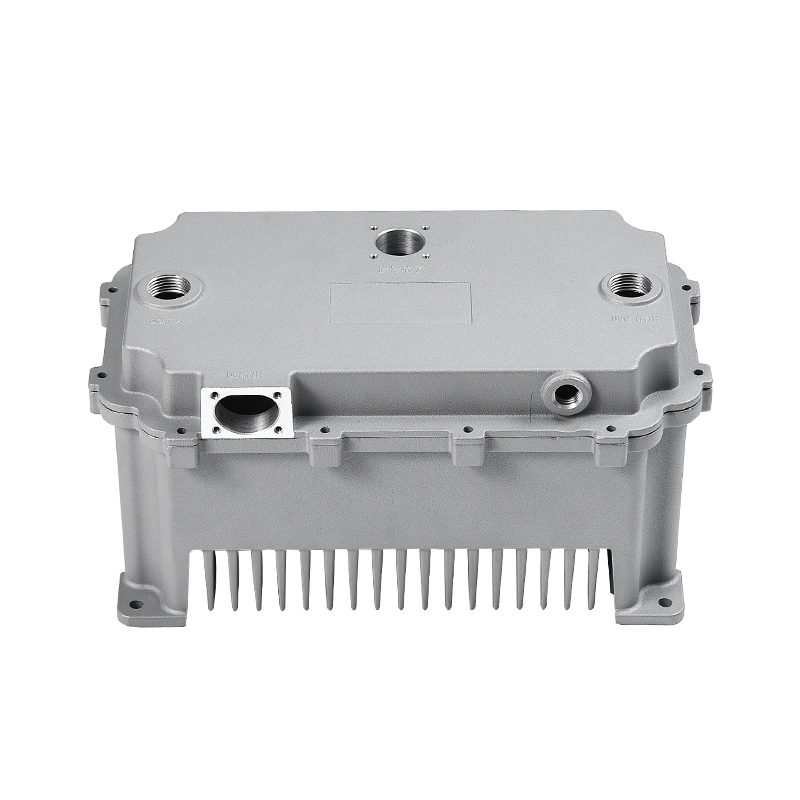
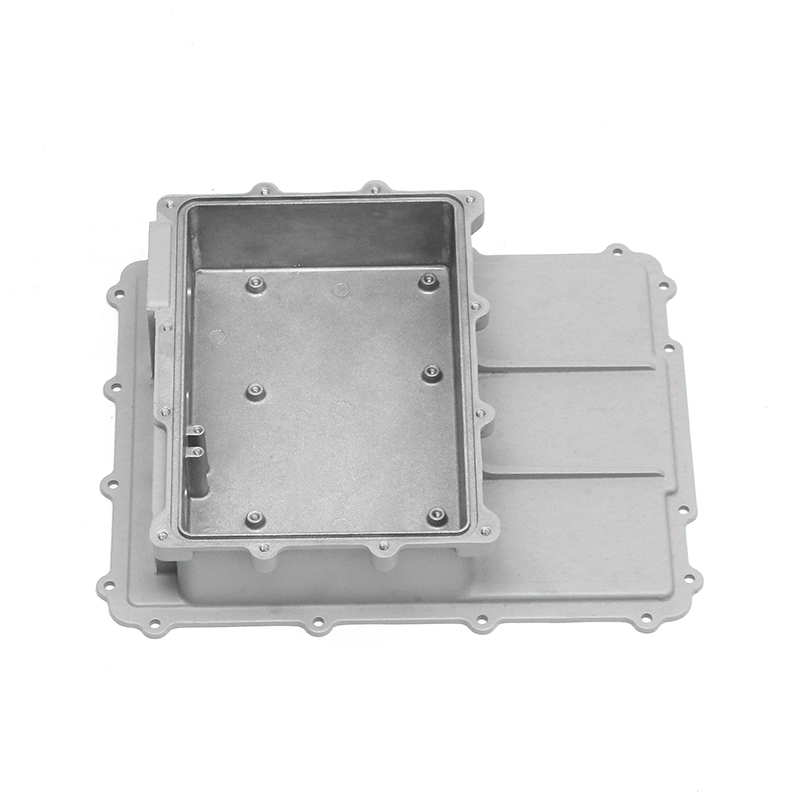
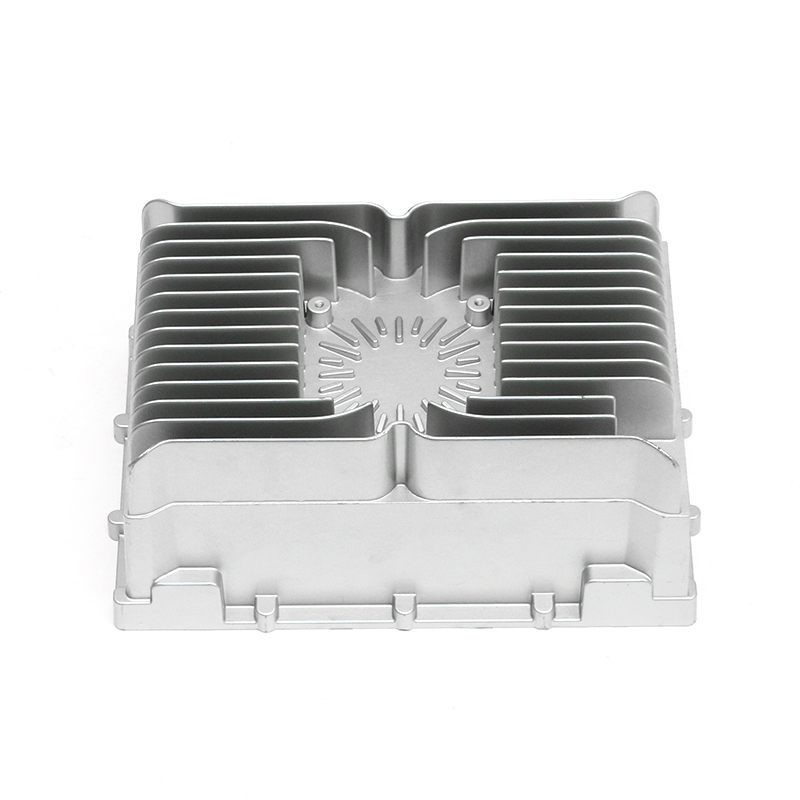
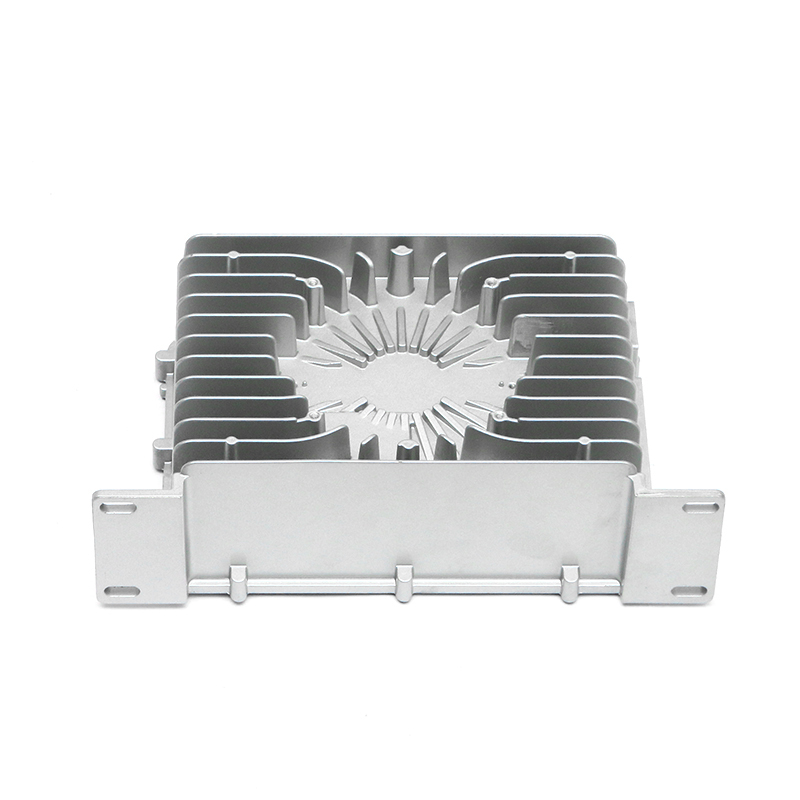
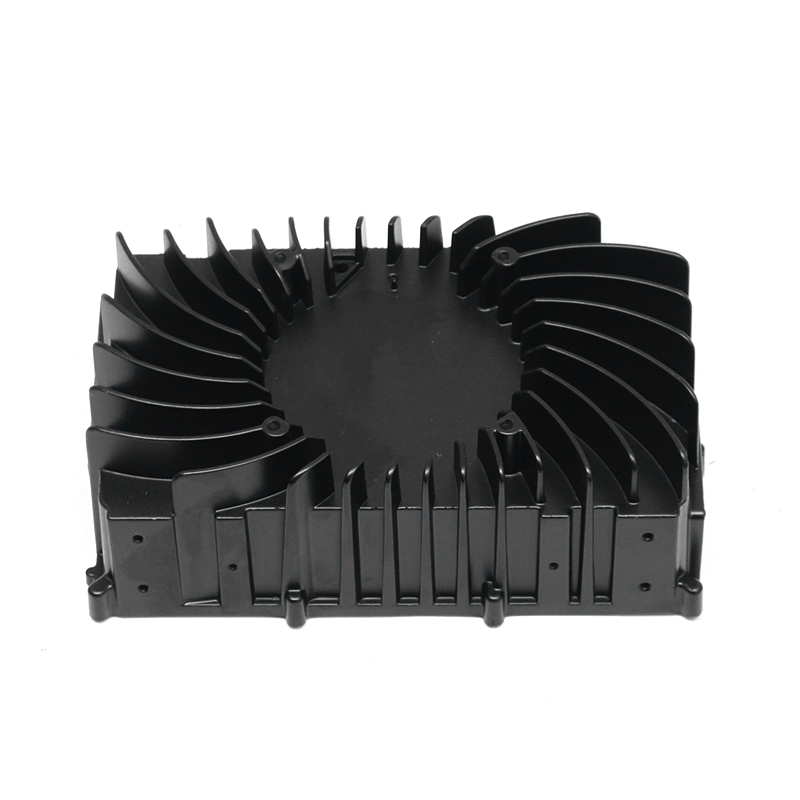
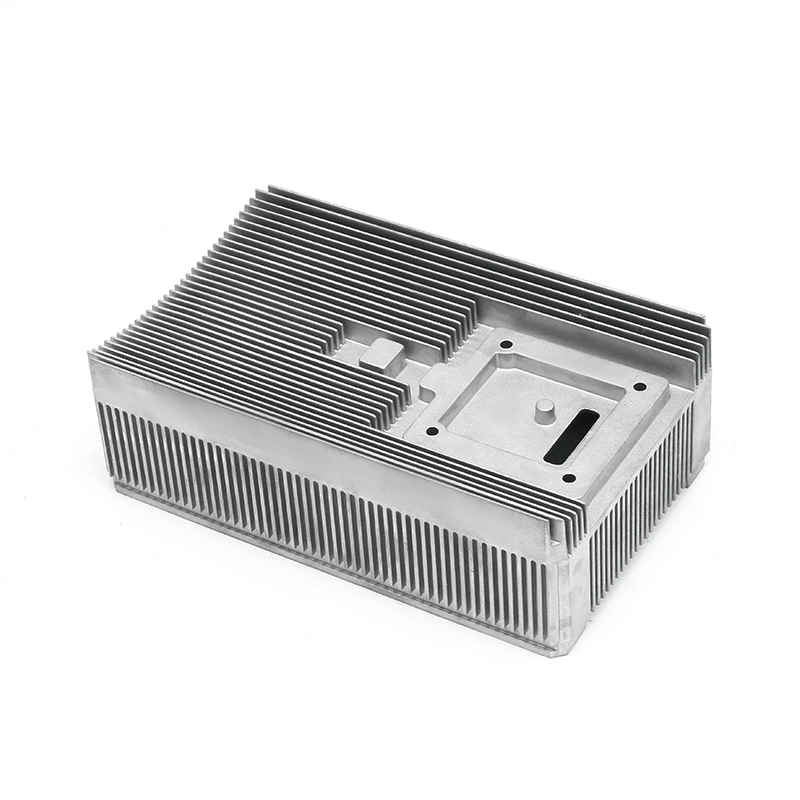
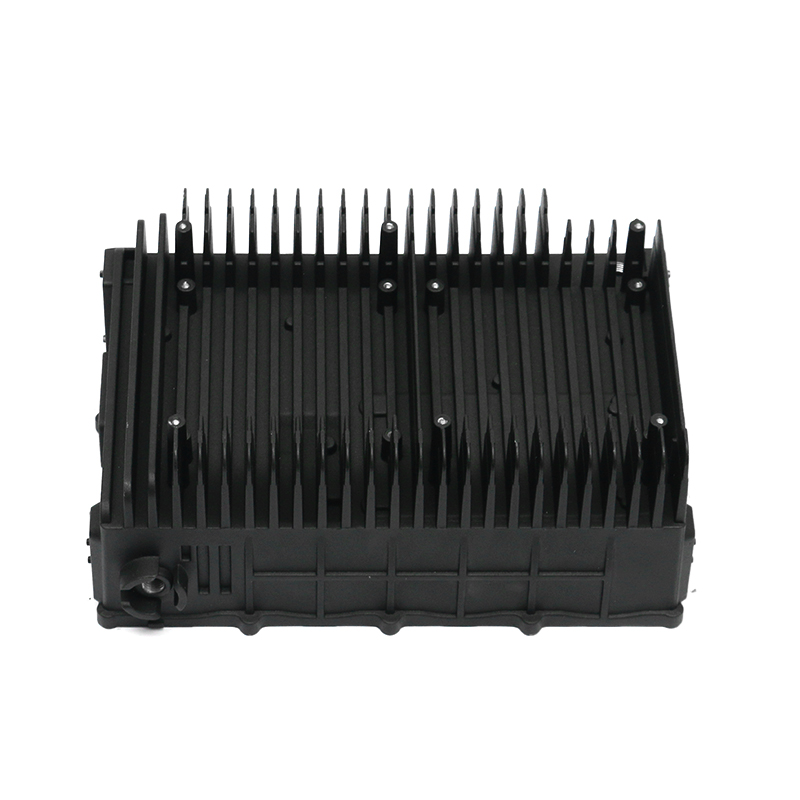
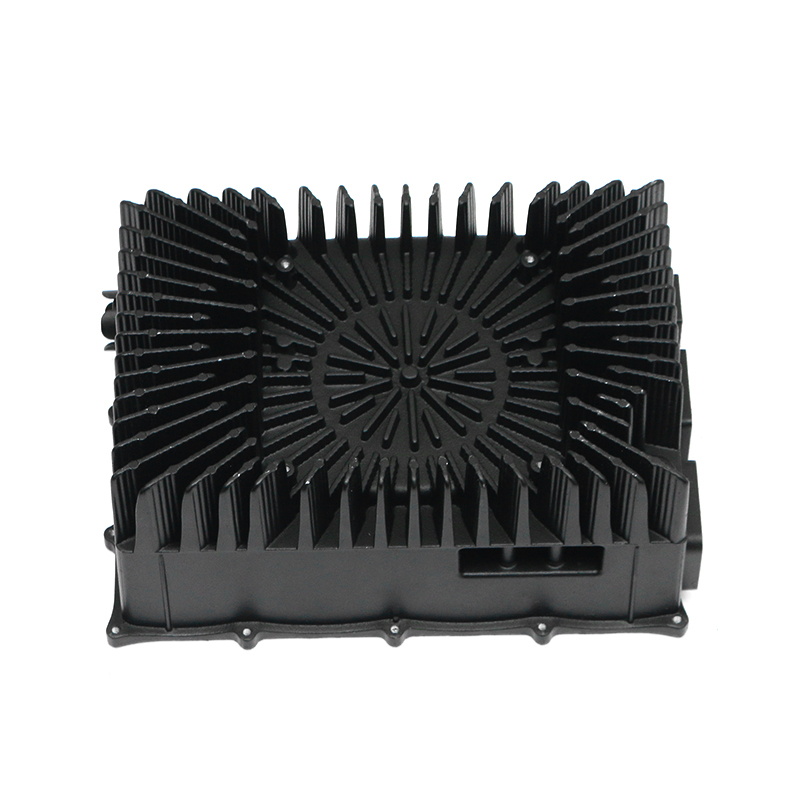
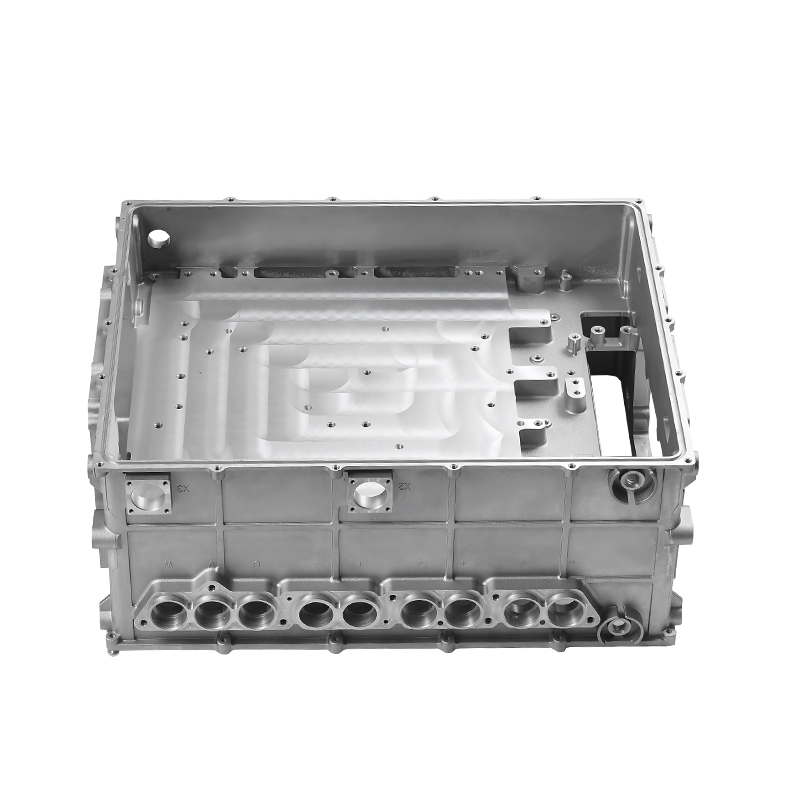
Die casting allows for precise dimensional control, smooth surfaces, and uniform wall thickness. These characteristics minimize leak risks and improve sealing performance in automotive cooling systems. Consistency in mass production ensures each water pump meets exact specifications.
Material Selection
Aluminum alloys dominate die-cast water pump production due to their balance of light weight, corrosion resistance, and thermal conductivity. Zinc alloys are occasionally used in smaller engines for added strength. Advanced die casting techniques also reduce porosity, which improves longevity and reliability.
Critical Design Features
Impeller Engineering
The impeller design dictates flow rate and efficiency. CFD simulations allow engineers to optimize blade angle and geometry, minimizing turbulence while maximizing coolant movement. Multi-blade impellers enhance performance in high-temperature conditions.
Seals and Bearings
Mechanical seals paired with ceramic or stainless steel components extend operational life. High-quality bearings ensure smooth rotation, reducing vibration and noise, which is critical for modern high-RPM engines.
Performance Metrics and Testing
Water pump performance is evaluated through flow rate, head pressure, efficiency, and thermal tolerance. Rigorous testing ensures each pump maintains optimal coolant circulation under variable engine conditions.
| Metric | Typical Value | Remarks |
|---|---|---|
| Flow Rate | 50–120 L/min | Dependent on engine size and RPM |
| Operating Pressure | 0.2–0.5 MPa | Ensures efficient coolant circulation |
| Temperature Tolerance | -40°C to 120°C | Covers typical engine operating conditions |
Maintenance and Durability
Regular maintenance of coolant, belts, and hoses extends the lifespan of water pumps. Die-cast pumps provide superior durability due to uniform structure, reducing stress points and leak risks. Advanced seals and bearing lubrication further improve longevity.
Automotive engineers also recommend periodic inspection of impeller wear and rotational efficiency. Monitoring operating temperature and flow rate can prevent early failure and costly engine damage.
Selecting Reliable Manufacturers
Choosing a manufacturer with advanced die casting facilities and automotive certifications ensures consistent water pump quality. ISO 9001, TS 16949, and RoHS certifications are key indicators of manufacturing reliability.
Experienced suppliers provide technical support for custom designs, material selection, and post-sale services. Collaboration between engineers and manufacturers can optimize pump performance for specific engine requirements, such as high-RPM or turbocharged engines.
Integration with Modern Engine Systems
Water pumps are often integrated with engine control units (ECUs) in modern vehicles. Variable-speed pumps adjust flow according to engine load and temperature, improving fuel efficiency and reducing emissions.
Electric water pumps are increasingly used in hybrid and electric vehicles. These pumps rely on precise die-cast housings for durability and lightweight construction, ensuring reliable coolant management without excessive energy consumption.
Emerging Trends in Water Pump Die Casting
Advanced alloys, additive manufacturing for prototypes, and multi-stage die casting are improving pump performance and reducing production costs. Research in corrosion-resistant coatings and noise reduction is leading to quieter, longer-lasting water pumps.
Continuous improvements in CFD-driven impeller design, thermal management, and lightweight materials contribute to the next generation of high-efficiency automotive water pumps, particularly for hybrid and electric powertrains.