

 English
 русский
 عربى
عربى Deutsch
Precision Trimming Mold Die Casting Ensures High Accuracy and Efficient Post-Processing
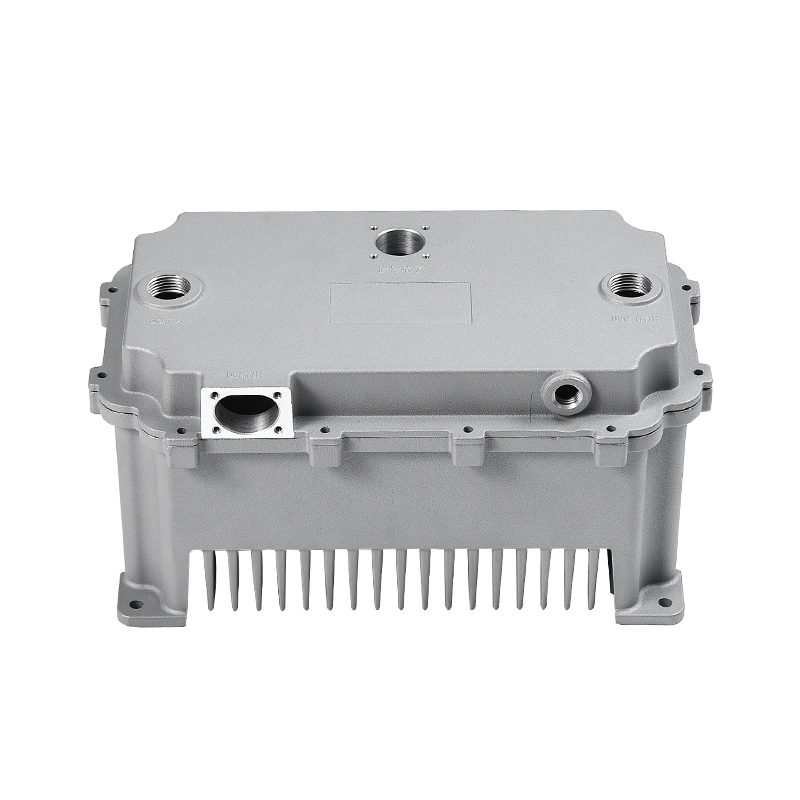
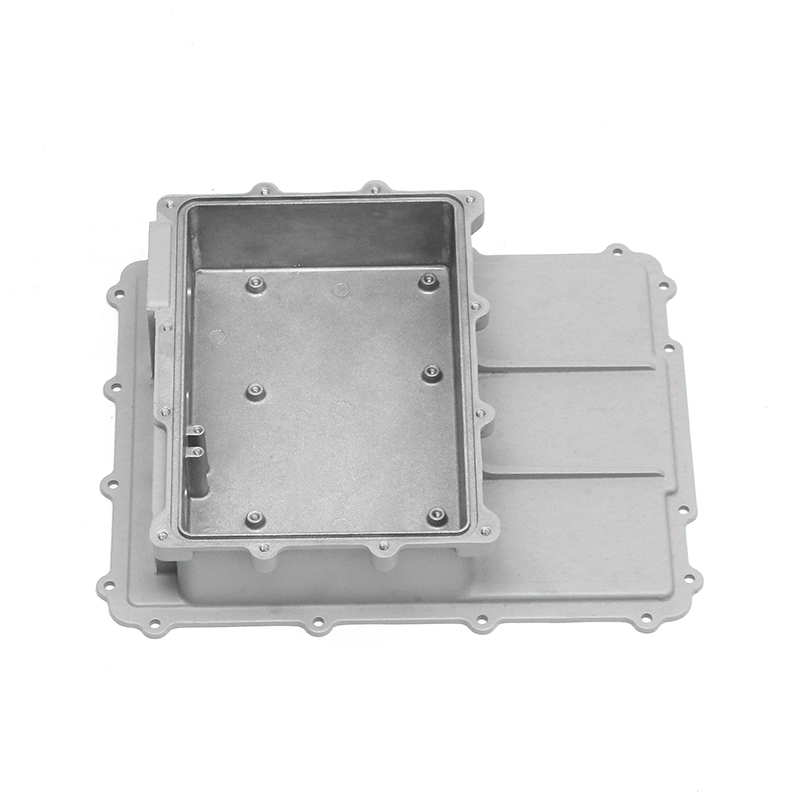
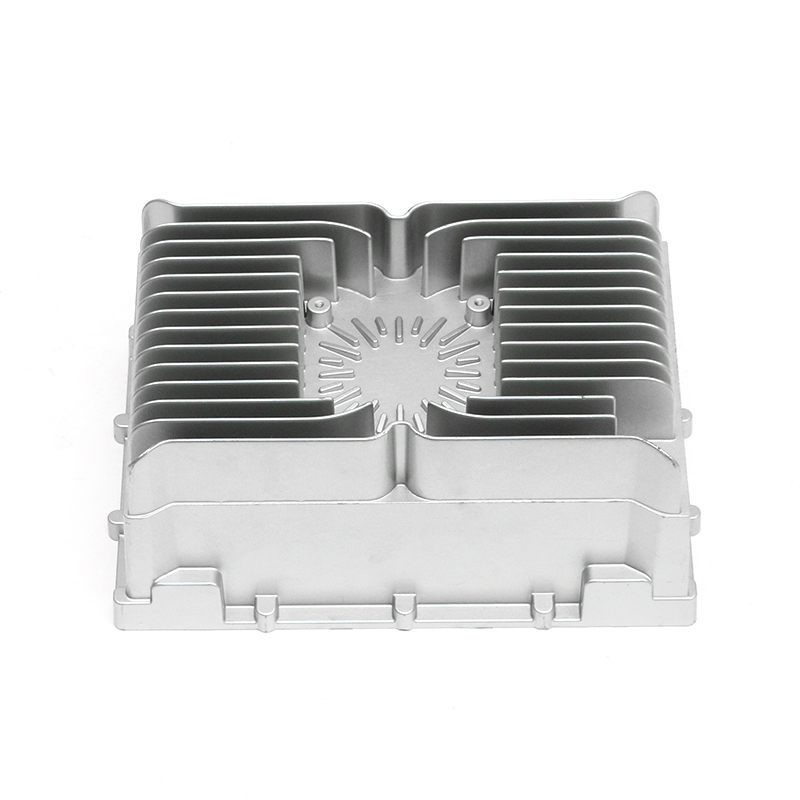
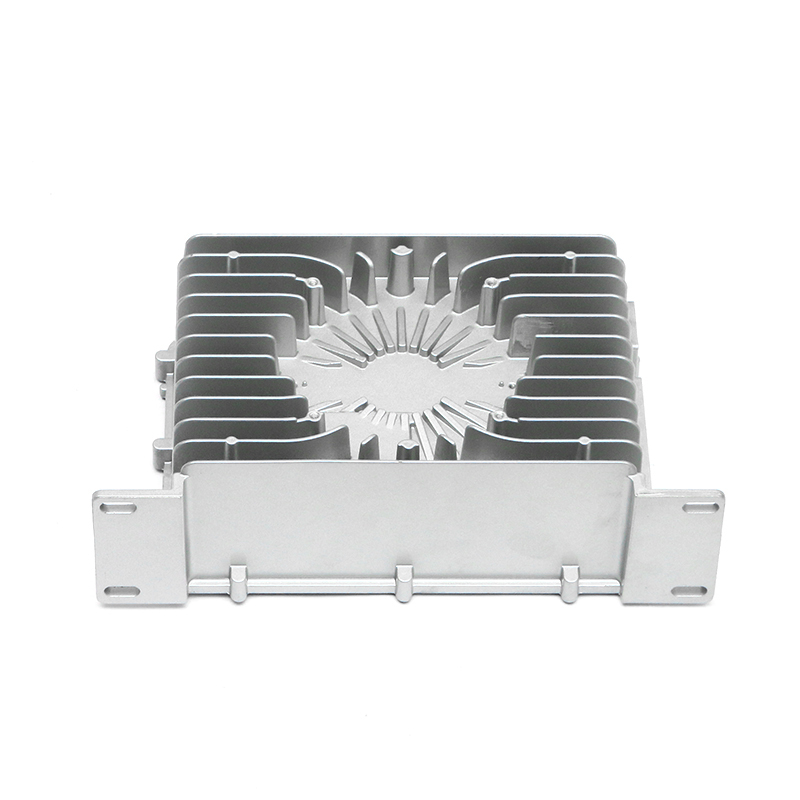
Precision trimming molds in die casting are essential for achieving clean edges, tight tolerances, and high production efficiency by removing excess material with consistent accuracy. These molds play a critical role in secondary processing, ensuring that die-cast parts meet strict dimensional and surface quality requirements without extensive manual finishing.
By integrating trimming operations into automated workflows, manufacturers can significantly reduce production time, labor costs, and defect rates while maintaining consistent product quality across large volumes.
Understanding Precision Trimming Mold Design and Function
Precision trimming molds are specifically engineered to remove flash, runners, and excess material from die-cast components. Their design must align precisely with the geometry of the cast part to ensure accurate trimming without deformation.
Key Design Elements
- High-strength tool steel construction for durability
- Precision cutting edges matched to part geometry
- Guide systems for accurate alignment
- Ejection mechanisms for efficient part removal
Proper mold alignment can reduce trimming errors by over 40%, ensuring consistent dimensional accuracy across production batches.
The trimming process typically occurs immediately after casting, when the material retains slight ductility, allowing for cleaner cuts and reduced stress on the component.
Role of Precision Trimming in Die Casting Workflows
In die casting production, trimming molds serve as a critical bridge between casting and final finishing processes. Without effective trimming, parts may require extensive manual deburring or machining.
Workflow Integration
- Direct transfer from die casting machine to trimming station
- Automated trimming using hydraulic or mechanical presses
- Inspection and quality control after trimming
Automated trimming systems can improve production efficiency by 30%–50%, especially in high-volume manufacturing environments such as automotive and electronics industries.
This integration reduces handling time and ensures that each component is processed under consistent conditions.
Material Selection and Durability Considerations
The performance and lifespan of precision trimming molds depend heavily on material selection and heat treatment processes.
Common Materials Used
- H13 tool steel for high-temperature resistance
- D2 steel for wear resistance in high-volume production
- Carbide inserts for extended cutting edge life
High-quality trimming molds can achieve service lifespans exceeding 100,000 cycles when properly maintained, making them a cost-effective investment for manufacturers.
Surface treatments such as nitriding or coating further enhance wear resistance and reduce maintenance frequency.
Comparison Between Manual and Precision Trimming Methods
Manufacturers often compare traditional manual trimming with automated precision trimming molds to determine the most efficient approach.
| Aspect | Precision Trimming Mold | Manual Trimming |
|---|---|---|
| Accuracy | High | Variable |
| Production Speed | Fast | Slow |
| Labor Cost | Low | High |
| Consistency | Excellent | Inconsistent |
Precision trimming molds significantly outperform manual methods in both efficiency and consistency, making them the preferred choice for modern manufacturing.
Applications in Key Industries
Precision trimming mold die casting is widely used across industries that demand high-quality metal components with strict tolerances.
Major Application Areas
- Automotive components such as engine parts and housings
- Consumer electronics with complex geometries
- Industrial machinery requiring precision metal parts
- Aerospace components with strict quality requirements
In automotive production, trimming molds contribute to reducing defect rates by up to 25%, ensuring compliance with stringent quality standards.
Maintenance Strategies for Long-Term Mold Performance
Regular maintenance is essential to preserve the accuracy and durability of precision trimming molds.
Best Practices
- Routine inspection of cutting edges for wear
- Lubrication of moving components to reduce friction
- Timely replacement of worn inserts or components
- Cleaning to remove debris and prevent damage
Effective maintenance can extend mold life by more than 40%, reducing downtime and overall production costs.