

 English
 русский
 عربى
عربى Deutsch
Why New Energy Motor Housing Die Casting is Essential
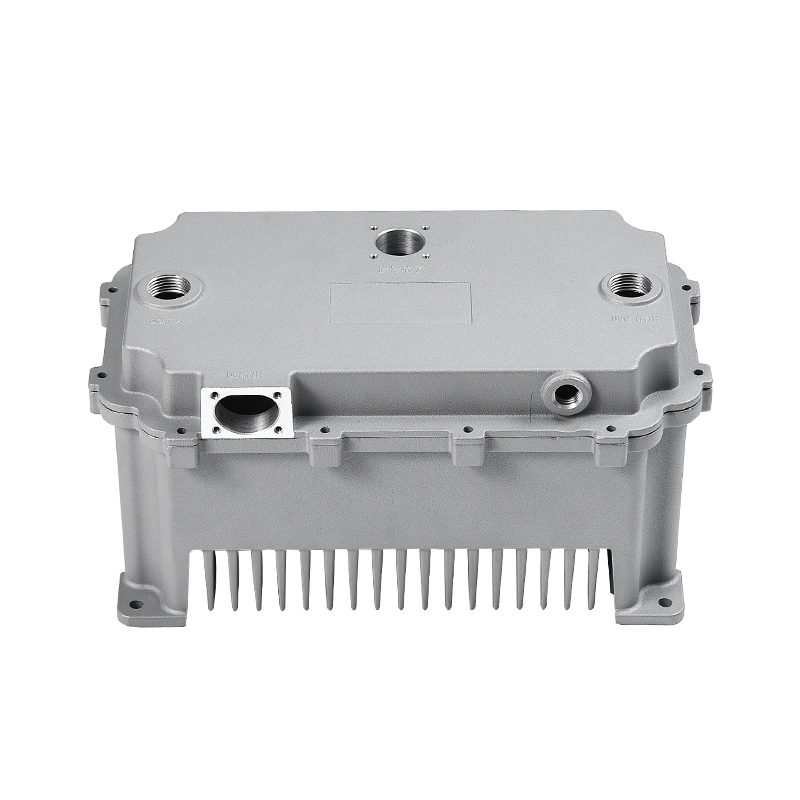
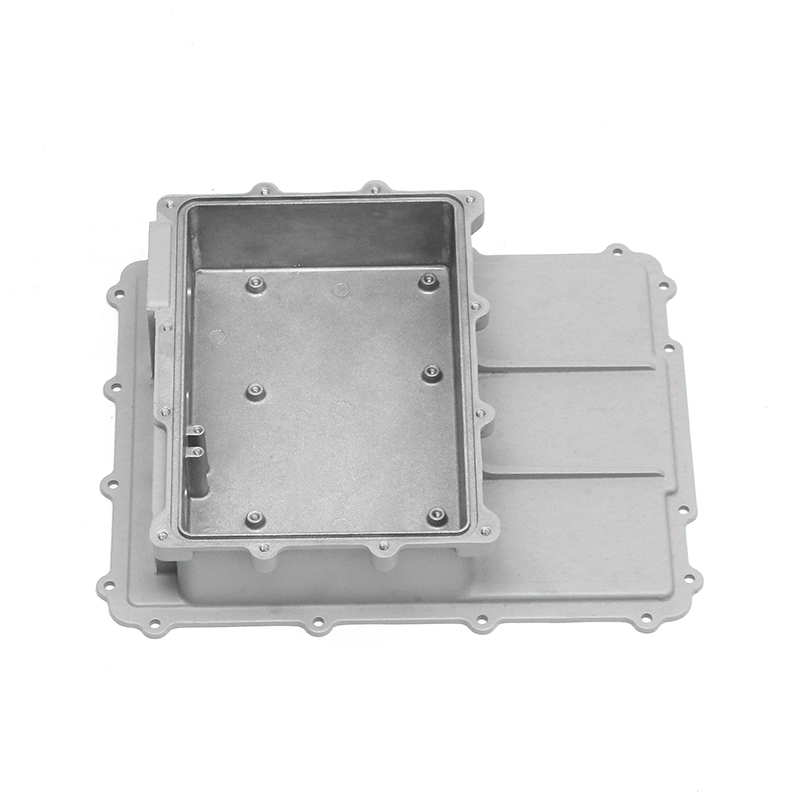
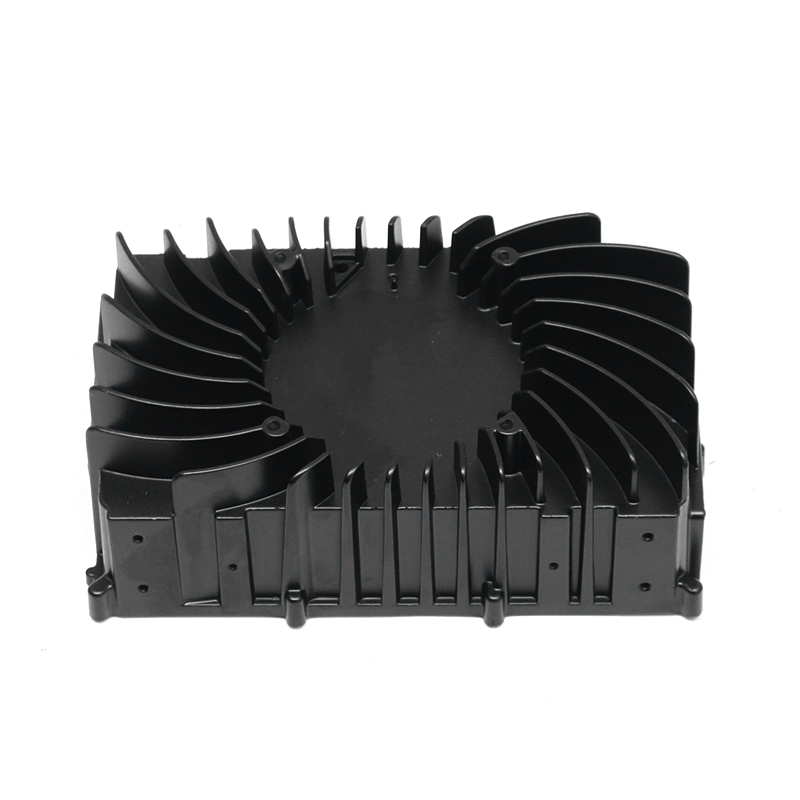
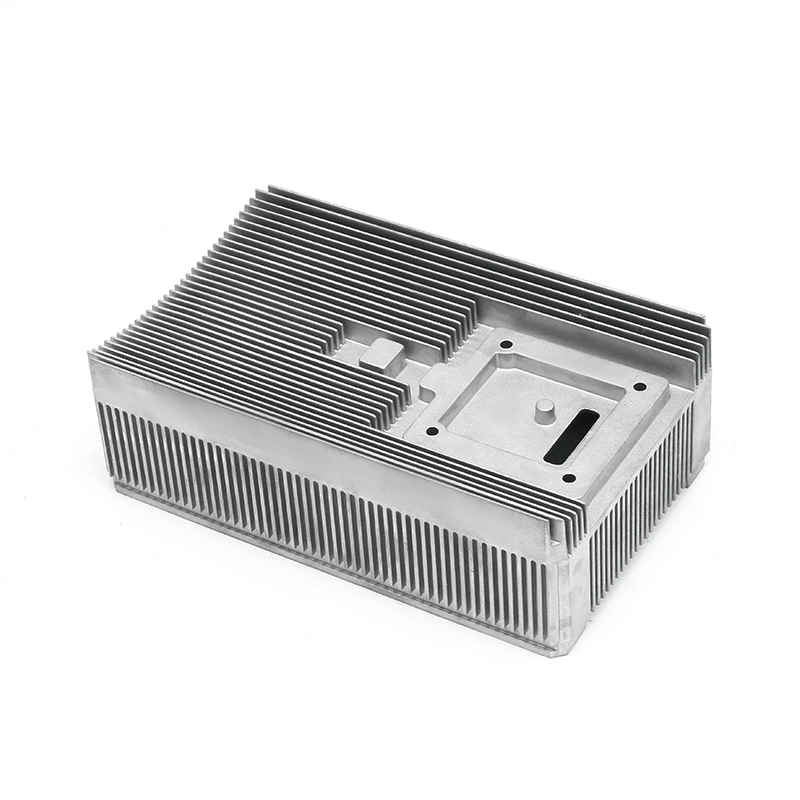
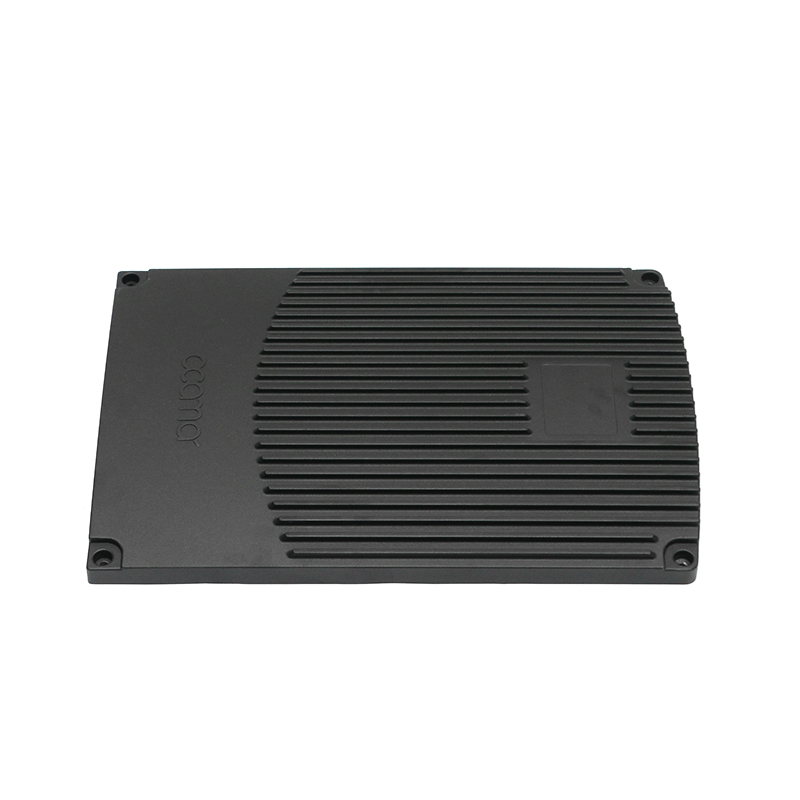
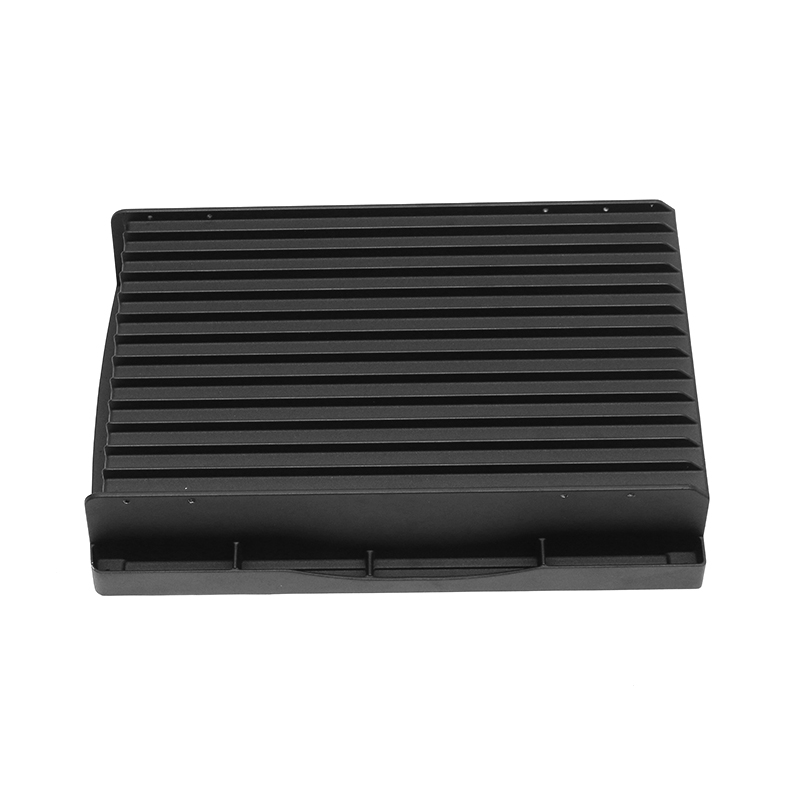
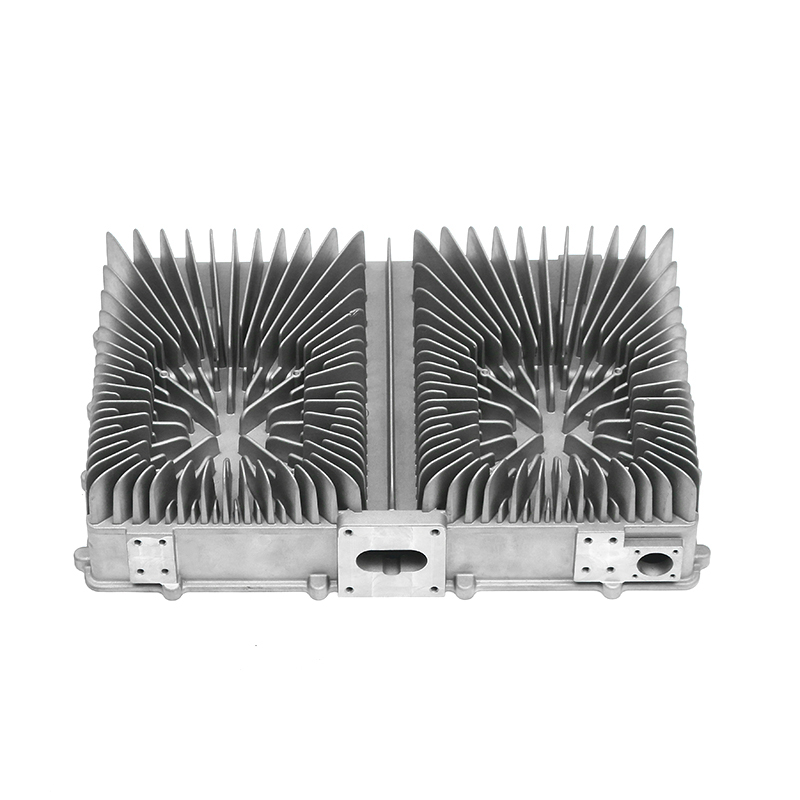
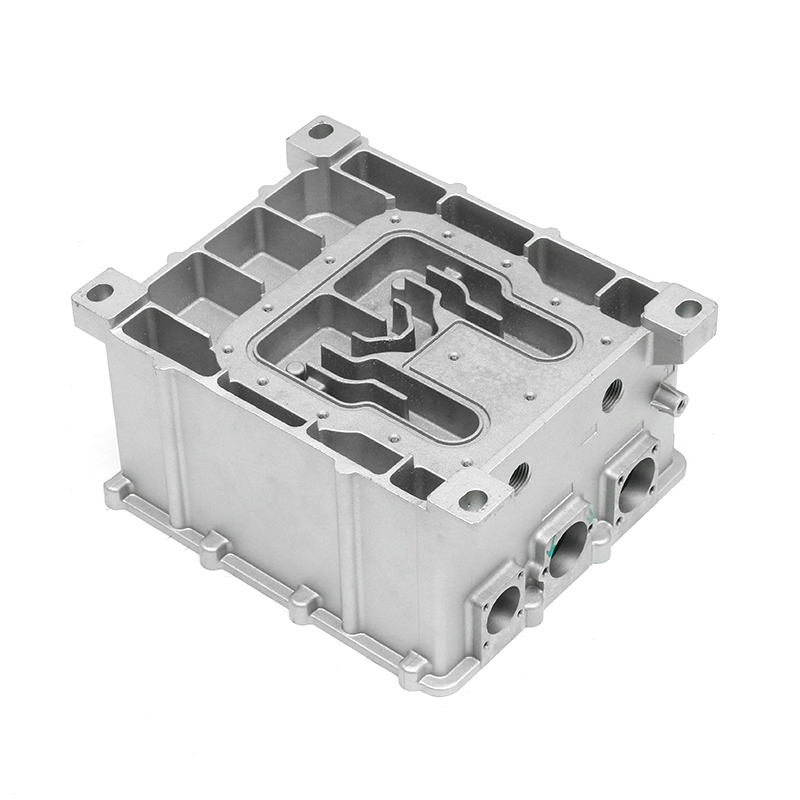
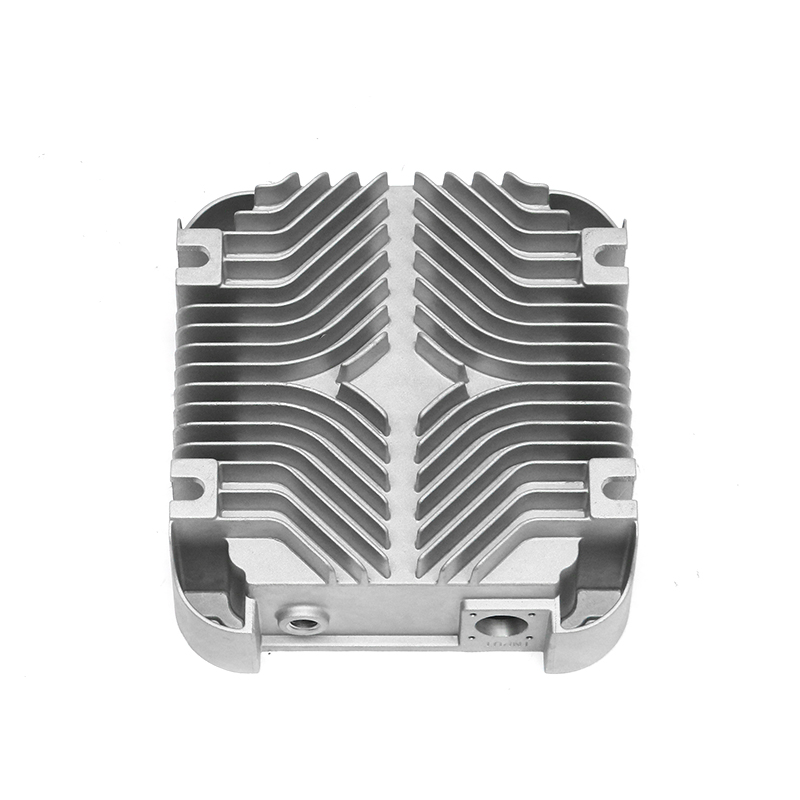
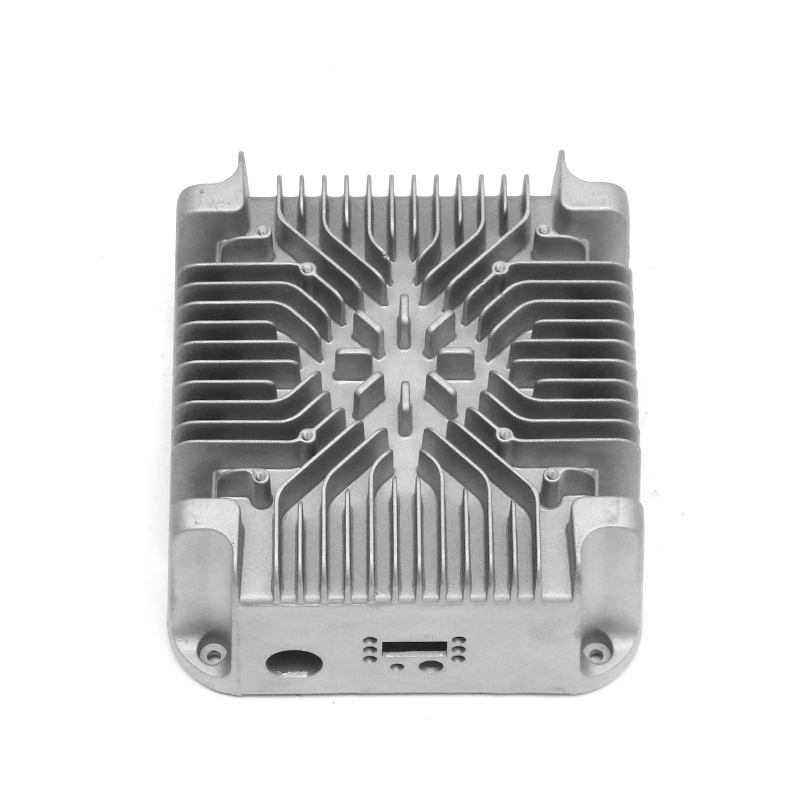
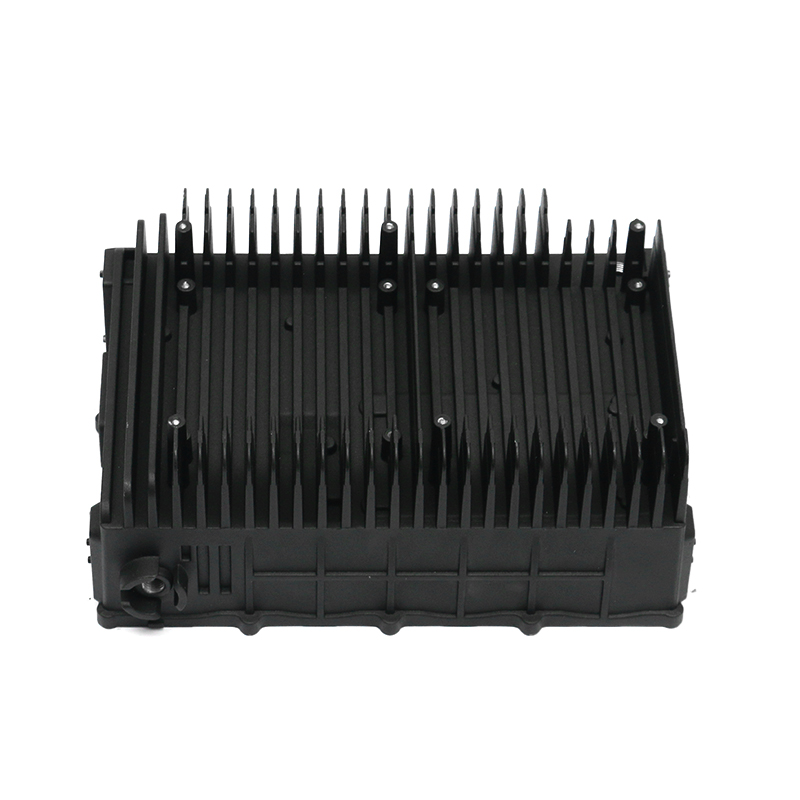
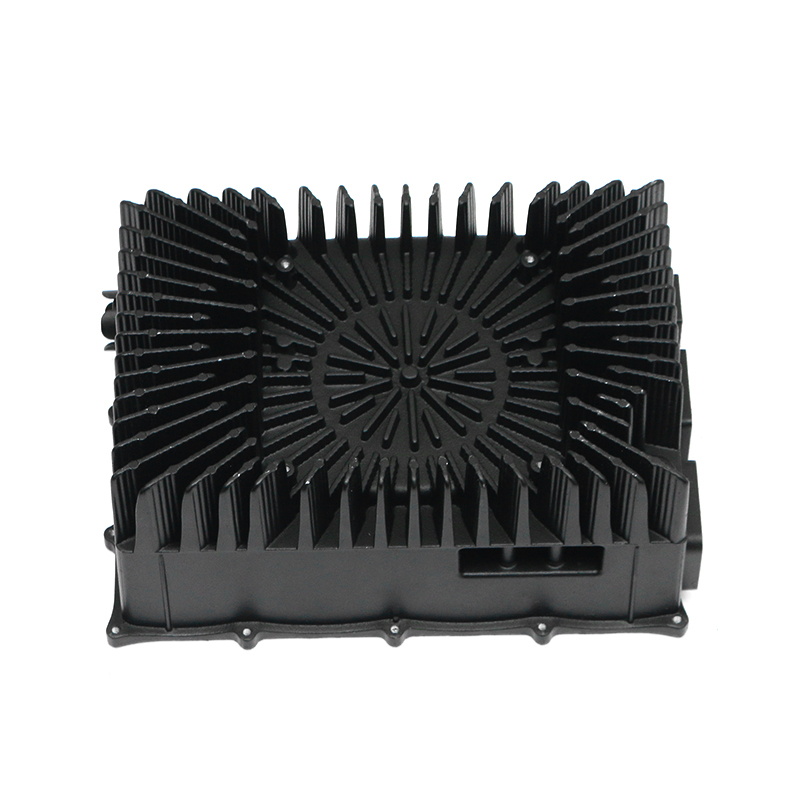
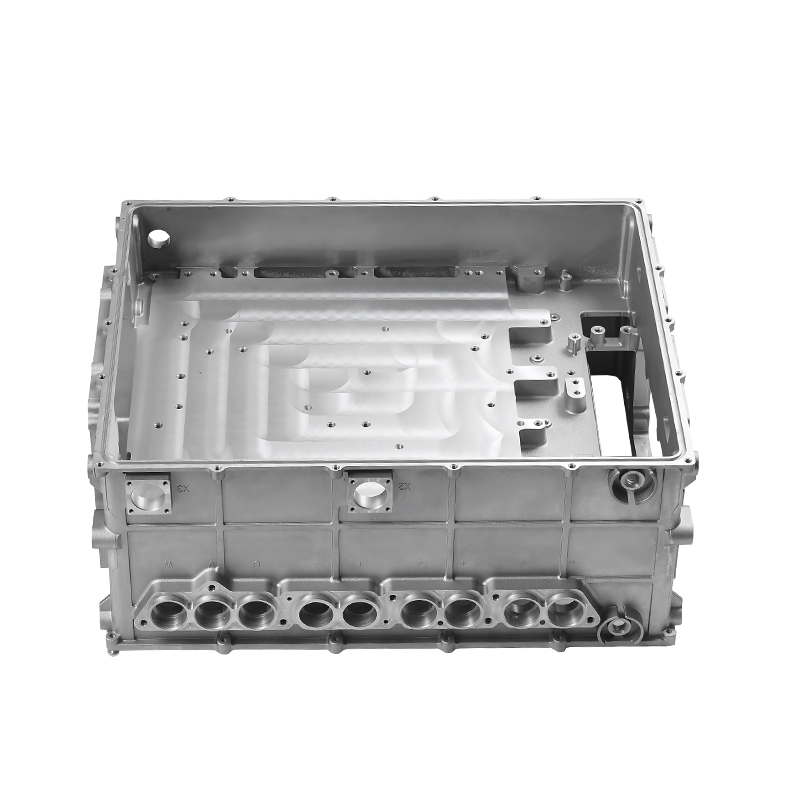
Die casting for new energy motor housings ensures precision, strength, and lightweight construction critical for electric vehicles and renewable energy applications. These housings protect internal motor components, support thermal management, and contribute to overall system efficiency.
Unlike conventional machining or fabrication methods, die casting allows high-volume production with tight tolerances, reducing assembly errors and improving reliability in high-speed motor operations.
Materials Used in Motor Housing Die Casting
The most commonly used materials include aluminum alloys, magnesium alloys, and specialized zinc alloys. Aluminum is preferred for its balance of strength, lightweight properties, and excellent thermal conductivity. Magnesium alloys offer even lower weight but require more precise handling due to flammability concerns.
Material Properties Comparison
| Material | Density (g/cm³) | Thermal Conductivity (W/m·K) | Mechanical Strength (MPa) |
|---|---|---|---|
| Aluminum Alloy (ADC12) | 2.7 | 120 | 210 |
| Magnesium Alloy (AZ91D) | 1.8 | 72 | 160 |
| Zinc Alloy (ZAMAK 3) | 6.7 | 110 | 230 |
Die Casting Process for Motor Housings
The die casting process involves injecting molten metal into a pre-designed mold under high pressure. For motor housings, this ensures uniform wall thickness, structural integrity, and precise dimensions, which are critical for high-speed rotor alignment and thermal performance.
Key Process Steps
- Mold design and preparation using CAD/CAM software to optimize cooling channels and minimize defects.
- Preheating of the die to reduce thermal shock and improve metal flow.
- Injection of molten alloy under controlled high pressure.
- Rapid cooling to solidify the metal and maintain dimensional accuracy.
- Ejection, trimming, and surface finishing including deburring and anodizing or painting.
Thermal Management and Performance Benefits
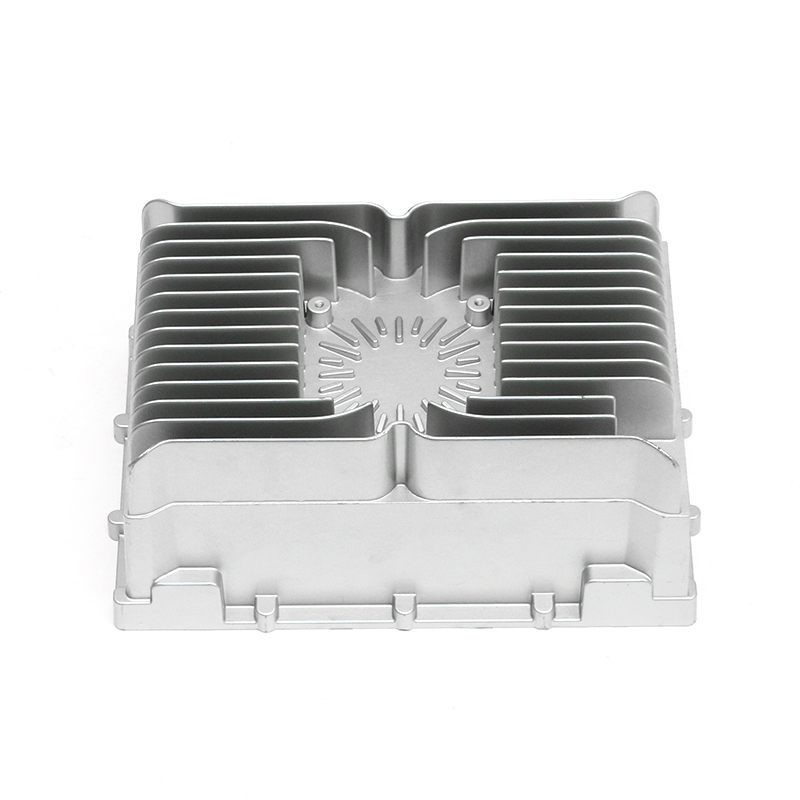
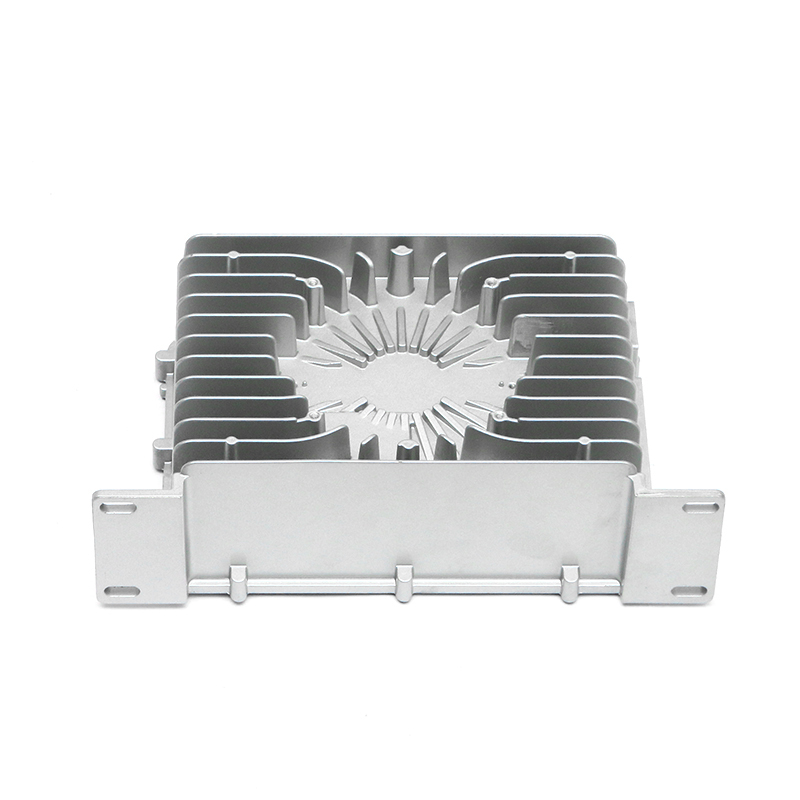
New energy motor housings play a critical role in thermal management. Aluminum die-cast housings can dissipate heat up to 120 W/m·K, reducing the risk of motor overheating and improving efficiency.
Structural rigidity provided by die casting reduces vibration and mechanical stress, allowing motors to operate at higher RPMs with minimal noise. This ensures long-term performance for electric vehicles and renewable energy generators.
Quality Control and Inspection
Ensuring defect-free die-cast housings requires rigorous quality control, including X-ray inspection, dimensional measurement, and surface roughness testing. Typically, less than 1% defect rate is acceptable for high-volume production in automotive and energy sectors.
Common Quality Checks
- Porosity detection using X-ray or ultrasonic scanning.
- Dimensional verification with CMM (Coordinate Measuring Machines).
- Surface hardness and roughness evaluation to ensure coating adhesion.
- Thermal conductivity testing for optimal heat dissipation.
Future Trends in Motor Housing Die Casting
The industry is moving towards lightweight magnesium-aluminum hybrid alloys, additive manufacturing-assisted mold design, and integrated cooling channels. These innovations reduce weight by up to 15% and improve thermal performance by 10-20% over traditional die-cast housings.
Smart factories with real-time process monitoring and AI-driven defect prediction are also emerging, further enhancing yield and consistency in high-volume production.