

 English
 русский
 عربى
عربى Deutsch
Precision Manufacturing of Filter Holders Through Die Casting
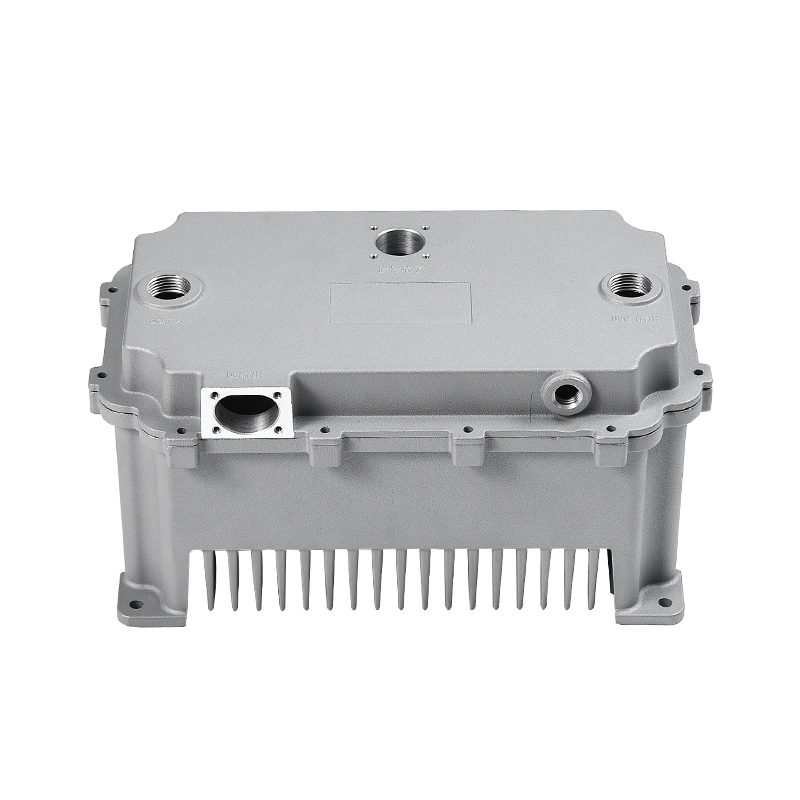
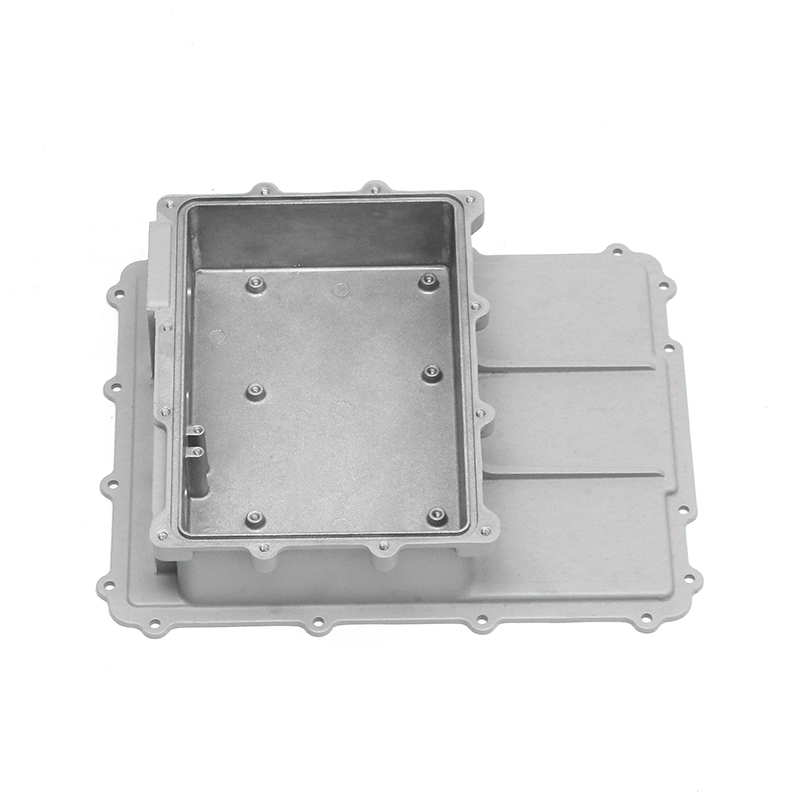
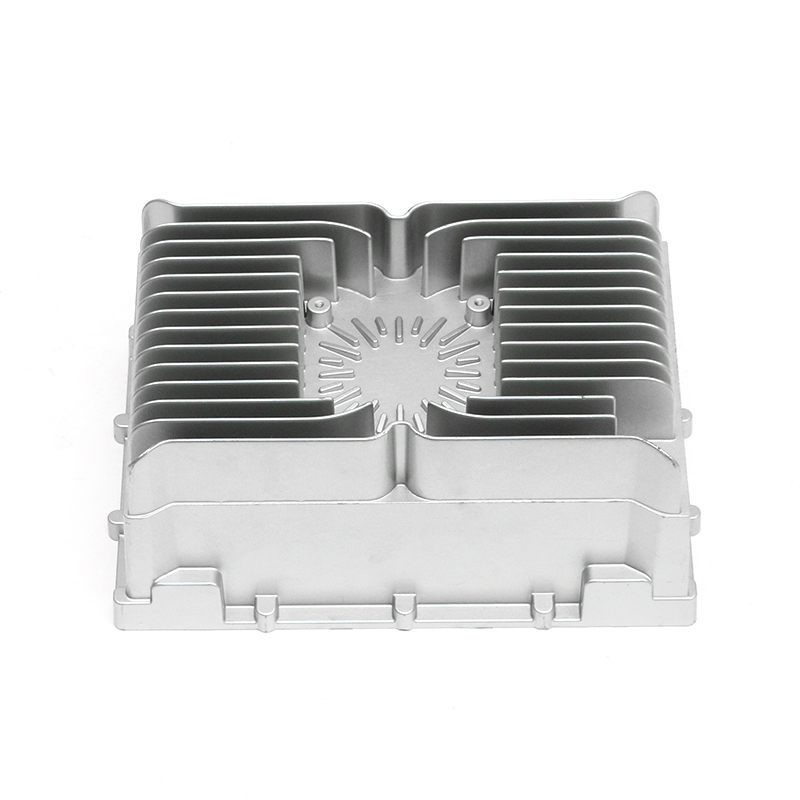
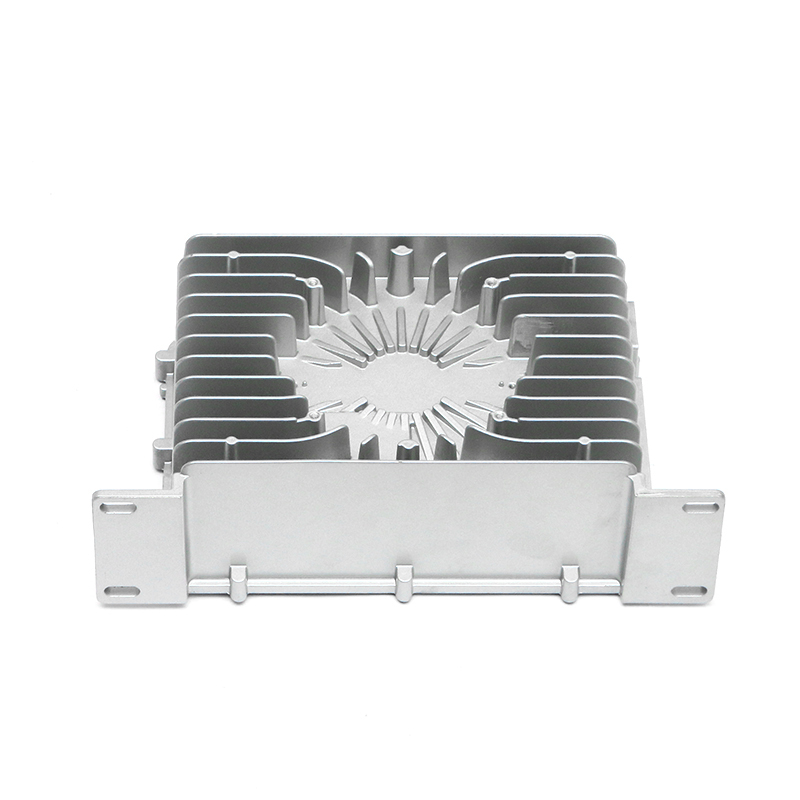
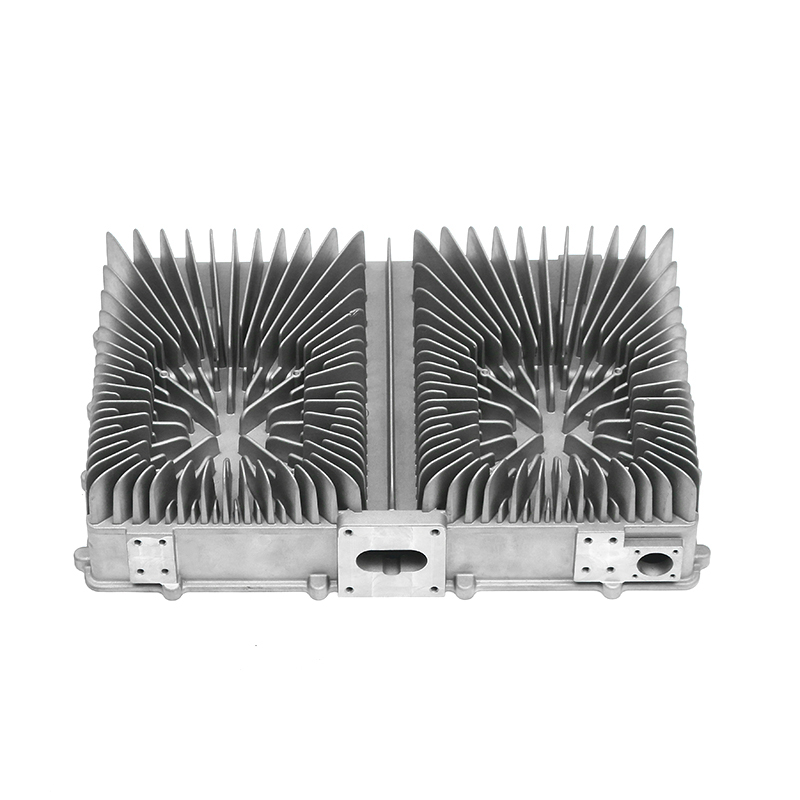
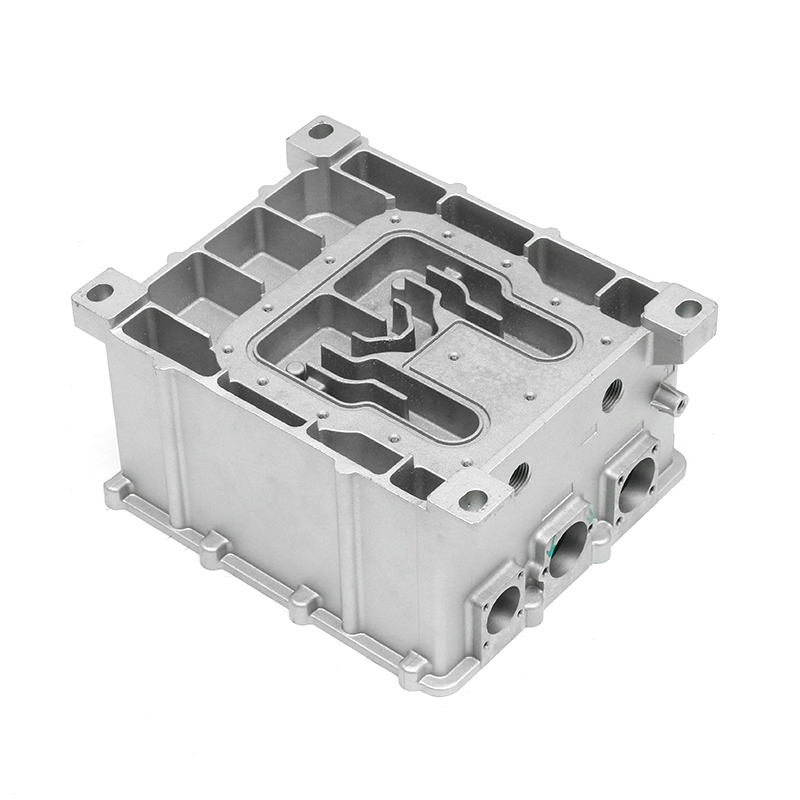
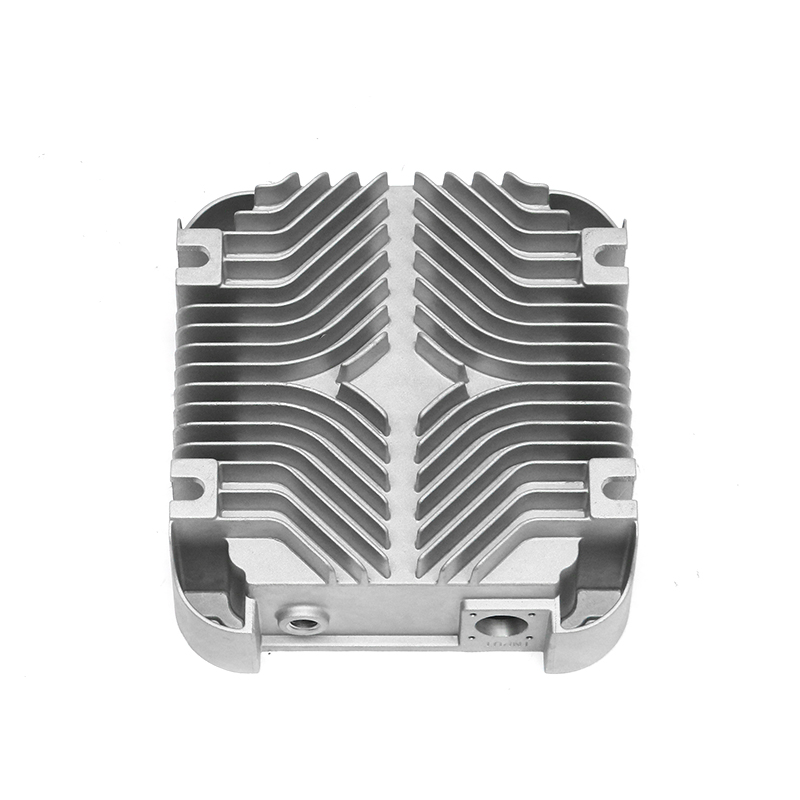
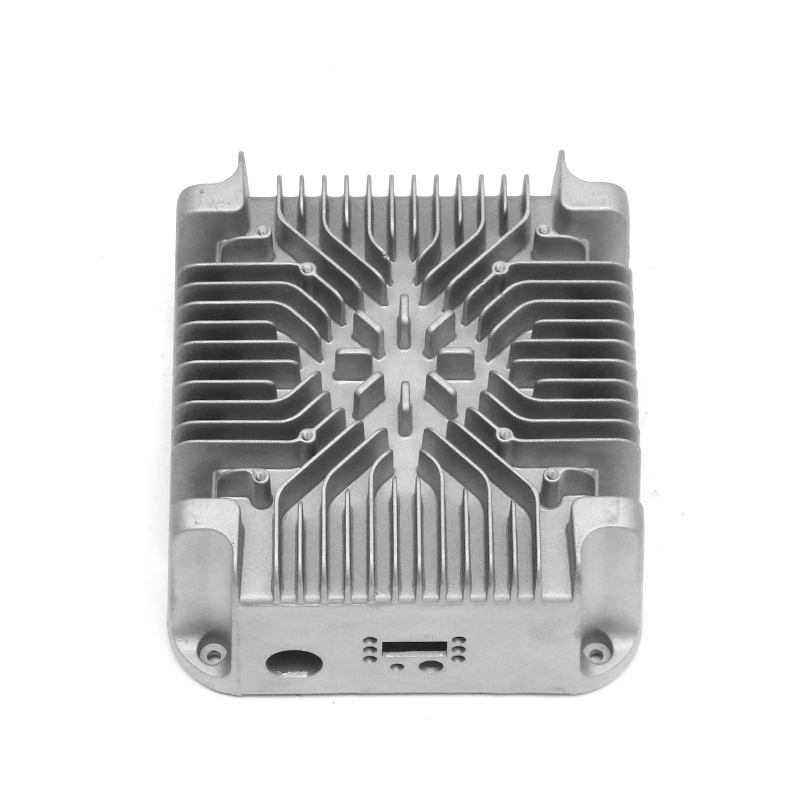
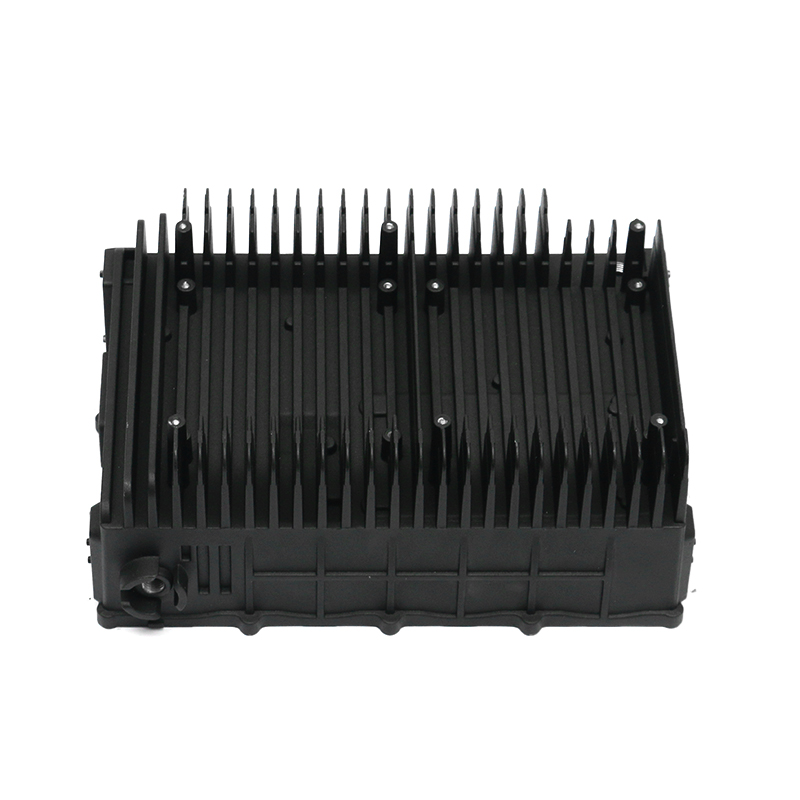
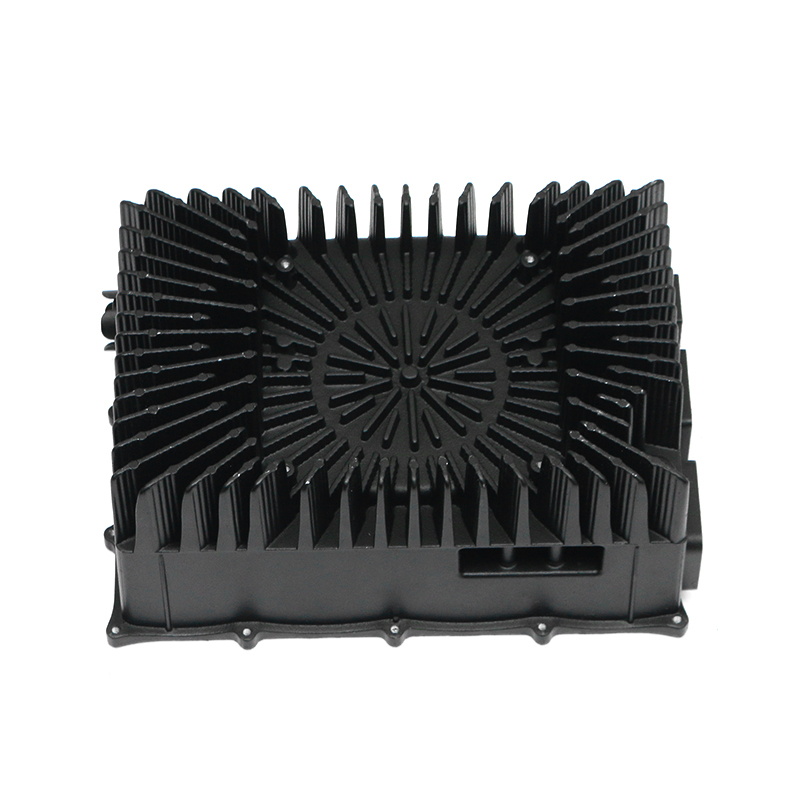
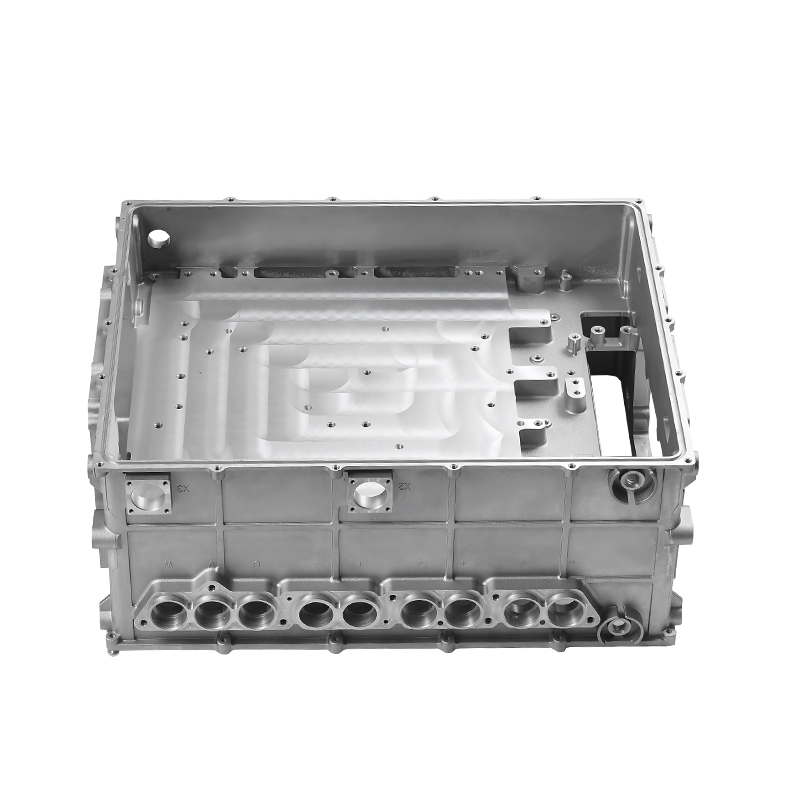
Filter Holder Die Casting is one of the most efficient and precise manufacturing methods for producing durable, high-performance filter holders used in industrial, automotive, and fluid filtration systems. The main advantage lies in its ability to deliver complex geometries with tight tolerances and consistent quality at scale, making it ideal for applications requiring airtight sealing and structural integrity.
Compared to traditional machining or fabrication methods, die casting significantly reduces production time while maintaining dimensional accuracy, especially for high-volume manufacturing.
Understanding the Filter Holder Die Casting Process
The Filter Holder Die Casting process involves injecting molten metal into a steel mold cavity under high pressure. This allows the metal to fill intricate shapes and fine details that are difficult to achieve with other manufacturing techniques.
High-Pressure Injection Mechanism
Molten metal, typically aluminum or zinc alloy, is injected at pressures ranging from 1,500 to 25,000 psi. This ensures complete mold filling and reduces the risk of air pockets or incomplete structures.
Rapid Solidification and Cooling
Once inside the mold, the metal cools rapidly, forming a solid structure with fine grain properties. This results in improved strength and surface finish compared to slower casting methods.
Key Materials Used in Filter Holder Die Casting
Material selection plays a critical role in the performance of die-cast filter holders. Different alloys provide varying levels of strength, corrosion resistance, and thermal stability.
| Material | Strength | Corrosion Resistance | Typical Application |
|---|---|---|---|
| Aluminum Alloy | High | Good | Automotive filter systems |
| Zinc Alloy | Moderate | Excellent | Precision components |
| Magnesium Alloy | High | Moderate | Lightweight filtration systems |
Advantages of Die Casting for Filter Holder Production
Die casting offers several practical benefits that make it a preferred method for manufacturing filter holders used in demanding environments.
- High dimensional accuracy with tolerances as tight as ±0.02 mm.
- Smooth surface finish reduces the need for secondary machining.
- Strong structural integrity suitable for pressure-sensitive applications.
- Efficient mass production with shorter cycle times.
Design Considerations for Die-Cast Filter Holders
Proper design is essential to maximize the performance of die-cast filter holders. Engineers must consider factors such as wall thickness, draft angles, and cooling channels.
Wall Thickness Optimization
Uniform wall thickness, typically between 1.5 mm and 4 mm, ensures even cooling and prevents structural defects such as warping or shrinkage.
Integrated Sealing Features
Filter holders often require precise sealing surfaces. Die casting allows these features to be integrated directly into the part, reducing the need for additional assembly.
Application Areas of Die-Cast Filter Holders
Filter holders produced through die casting are widely used across industries where filtration performance and durability are critical.
- Automotive oil and fuel filtration systems.
- Industrial air and liquid filtration equipment.
- Water purification and treatment systems.
- HVAC systems requiring robust filter housing.
Quality Control and Testing in Die Casting Production
Ensuring consistent quality in Filter Holder Die Casting requires rigorous inspection and testing procedures throughout the manufacturing process.
- X-ray inspection to detect internal porosity or voids.
- Pressure testing to verify sealing performance.
- Dimensional measurement using precision instruments.
- Surface finishing inspection to ensure smoothness and coating quality.
Cost Efficiency and Production Scalability
Although initial tooling costs for die casting can be high, the method becomes highly cost-effective at scale. For production volumes exceeding 10,000 units, per-unit costs decrease significantly due to reduced labor and material waste.
The combination of high-speed production and minimal post-processing makes die casting a preferred choice for manufacturers seeking both quality and efficiency.