

 English
 русский
 عربى
عربى Deutsch
Aluminum vs. Magnesium Gearbox Housing Die Casting: Which Performs Better?
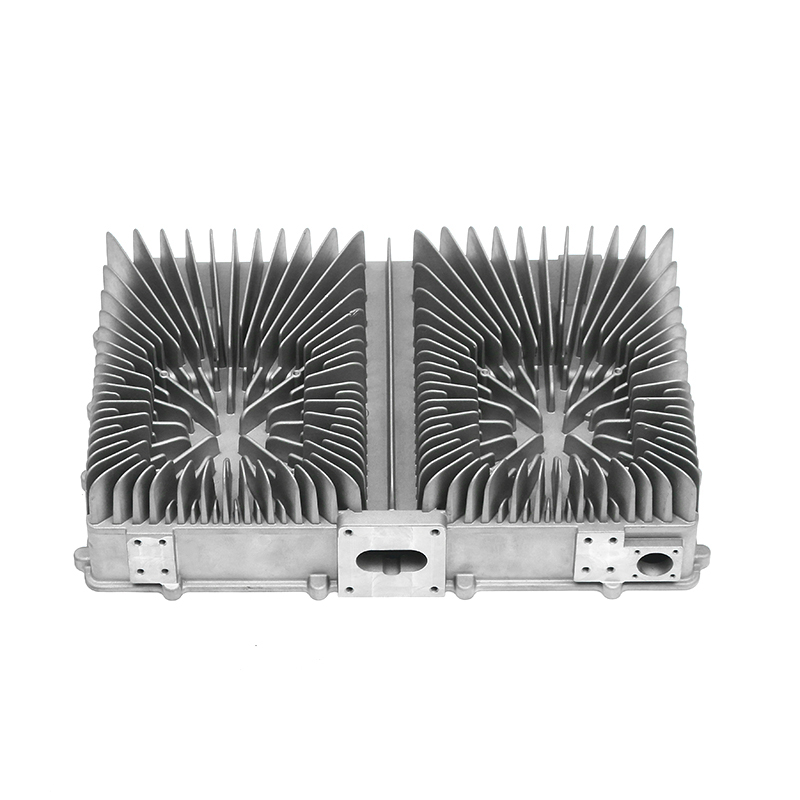
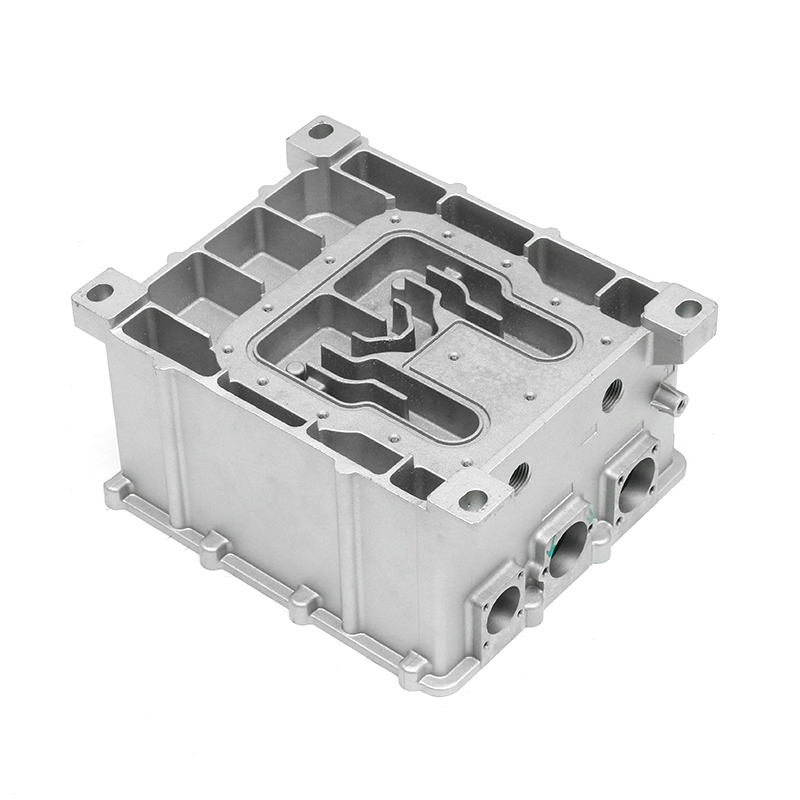
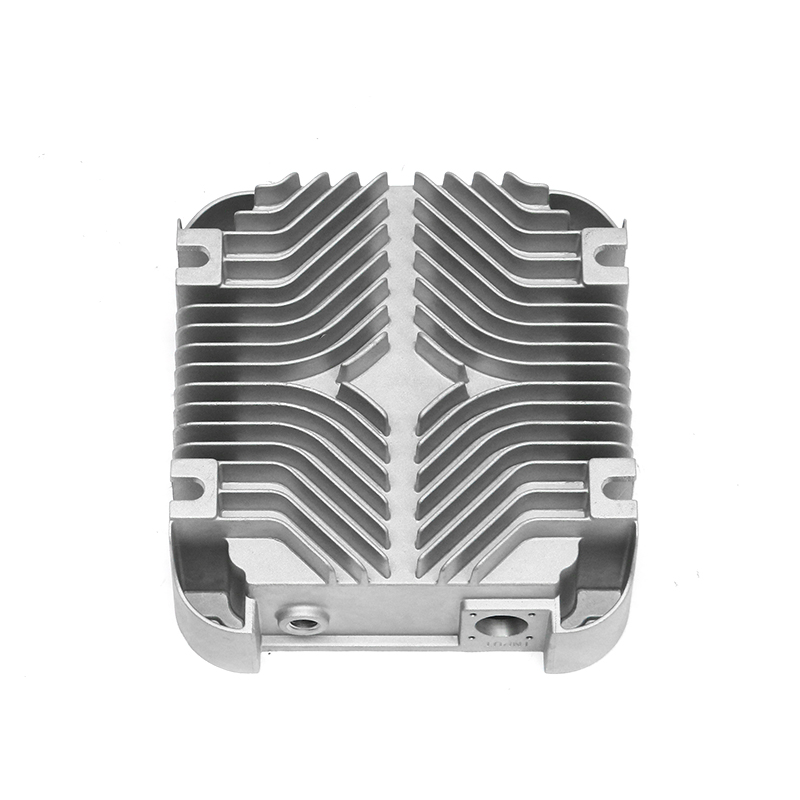
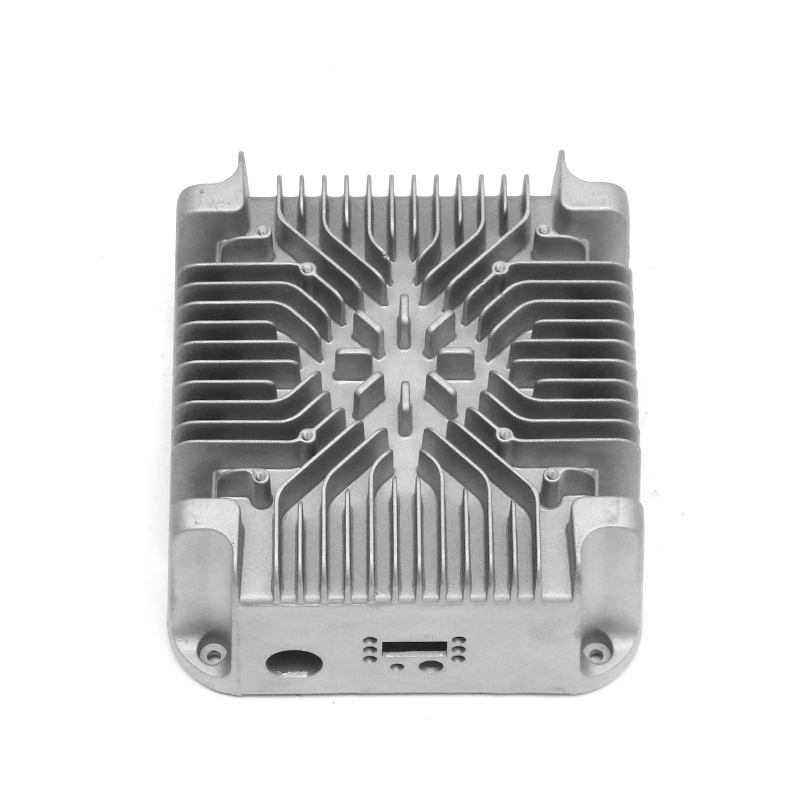
Aluminum gearbox housings offer excellent strength-to-weight ratio and cost efficiency, while magnesium excels in lightweight applications but faces higher production complexity. Understanding these differences is critical for manufacturers seeking optimal performance in automotive and industrial machinery.
Material Strength and Durability
Aluminum
Aluminum die-cast gearbox housings are widely favored for their strong mechanical properties. Aluminum alloys, such as ADC12, provide high tensile strength of 220–280 MPa and excellent corrosion resistance. This ensures the gearbox can withstand mechanical stress during high-load operations without deformation.
Magnesium
Magnesium alloys, like AZ91D, are lighter but generally offer lower tensile strength, around 180–250 MPa. While sufficient for many applications, magnesium housings are more sensitive to impact and may require additional surface treatments to improve durability.
Weight and Efficiency
Aluminum
Aluminum gearbox housings are moderately lightweight, reducing the overall weight of vehicles or machinery. An aluminum housing typically weighs 20–30% less than equivalent steel housings, making it a practical choice when balancing weight and strength.
Magnesium
Magnesium is the lightest structural metal available for die casting. Gearbox housings made from magnesium can be up to 35–50% lighter than aluminum, offering significant fuel efficiency gains in automotive applications and easier handling in industrial equipment.
Cost Considerations
Aluminum
Aluminum die casting is generally more cost-effective due to abundant raw materials and mature production techniques. The cost per kilogram of aluminum die-cast components is typically 20–30% lower than magnesium, making it an attractive choice for large-scale manufacturing.
Magnesium
Magnesium alloy die casting requires specialized equipment and stricter handling due to its flammability during melting. The production cost is higher, often 30–50% more than aluminum, though the weight savings can justify the investment for performance-focused applications.
Thermal Conductivity and Heat Management
Aluminum
Aluminum has excellent thermal conductivity of 150–200 W/m·K, allowing gearbox housings to dissipate heat effectively. This prevents overheating in high-performance or continuous-duty operations, extending the gearbox's service life.
Magnesium
Magnesium has lower thermal conductivity, approximately 70–80 W/m·K, which can limit its heat dissipation. Additional cooling channels or design modifications are often necessary for high-temperature applications.
Manufacturing Complexity and Tolerance
Aluminum
Aluminum die casting is easier to manage, allowing tight dimensional tolerances of ±0.1 mm for complex gearbox designs. It also supports thinner walls (2–3 mm) without defects, making it suitable for compact and intricate housing geometries.
Magnesium
Magnesium die casting requires precise control to prevent porosity and shrinkage defects. Tolerances are slightly looser, typically ±0.15 mm, and wall thickness below 3 mm can lead to casting failures, which may increase scrap rates.
Corrosion Resistance
Aluminum
Aluminum naturally forms an oxide layer, providing excellent corrosion resistance. This reduces the need for additional coatings, even in humid or industrial environments, lowering maintenance requirements.
Magnesium
Magnesium is highly reactive and prone to corrosion, especially in salt-rich environments. Protective coatings, such as anodizing or epoxy, are necessary to maintain longevity, which adds cost and complexity to production.
Performance Comparison Table
| Property | Aluminum | Magnesium |
|---|---|---|
| Tensile Strength | 220–280 MPa | 180–250 MPa |
| Density | 2.7 g/cm³ | 1.8 g/cm³ |
| Thermal Conductivity | 150–200 W/m·K | 70–80 W/m·K |
| Corrosion Resistance | Excellent | Needs coating |
| Production Cost | Moderate | High |
Conclusion
Aluminum gearbox housings are ideal for applications demanding durability, cost-efficiency, and corrosion resistance, while magnesium excels in ultra-lightweight designs where weight reduction is critical. Selecting the appropriate material requires balancing performance, cost, and manufacturing complexity.