

 English
 русский
 عربى
عربى Deutsch
What Is a Car Water Pump and Why Does It Matter?
A car water pump is the component that keeps the engine cooling system alive. It circulates coolant continuously between the engine and the radiator, pulling combustion heat away from the cylinder head and block so the engine can operate at a stable temperature. Without it, heat builds up within seconds of the engine running.
If a water pump in a car stops working while the engine is on, coolant flow ceases almost immediately. Engine temperature can climb past a dangerous threshold within minutes, and sustained overheating can warp the cylinder head, crack the block, or blow the head gasket. Those are repair bills that run into thousands of dollars, far above the cost of any pump replacement.
That is why the automotive water pump deserves attention long before failure. Understanding what the pump does, how to recognize trouble, and which manufacturing details decide its service life will save you both money and downtime.
How Does a Water Pump Work?
Most passenger cars use a mechanical water pump driven by the engine. The pump pulley connects to the serpentine belt, or on some engines the timing belt, so the pump shaft rotates whenever the engine runs. At the other end of the shaft sits the impeller, a set of curved blades enclosed in the housing. As the impeller spins, centrifugal force draws coolant from the radiator inlet into the center of the pump and flings it outward into the engine water jackets.
A conventional mechanical pump has four main parts:
- Housing: the outer shell that forms the coolant inlet and outlet.
- Impeller: the rotating component that moves coolant through the system.
- Bearing: supports the shaft and keeps the impeller aligned.
- Mechanical seal: stops coolant from leaking along the shaft.
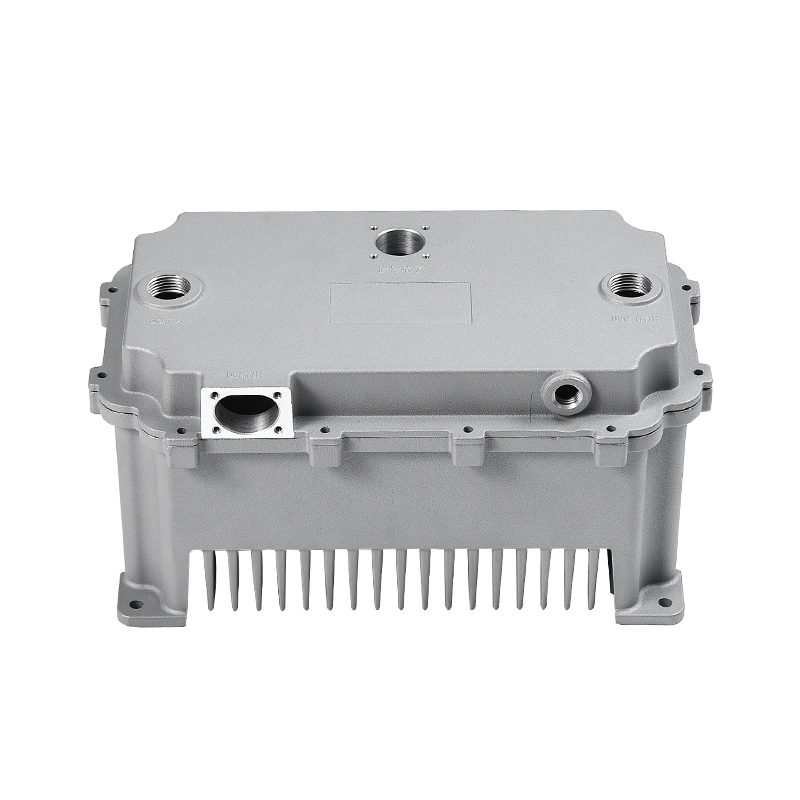
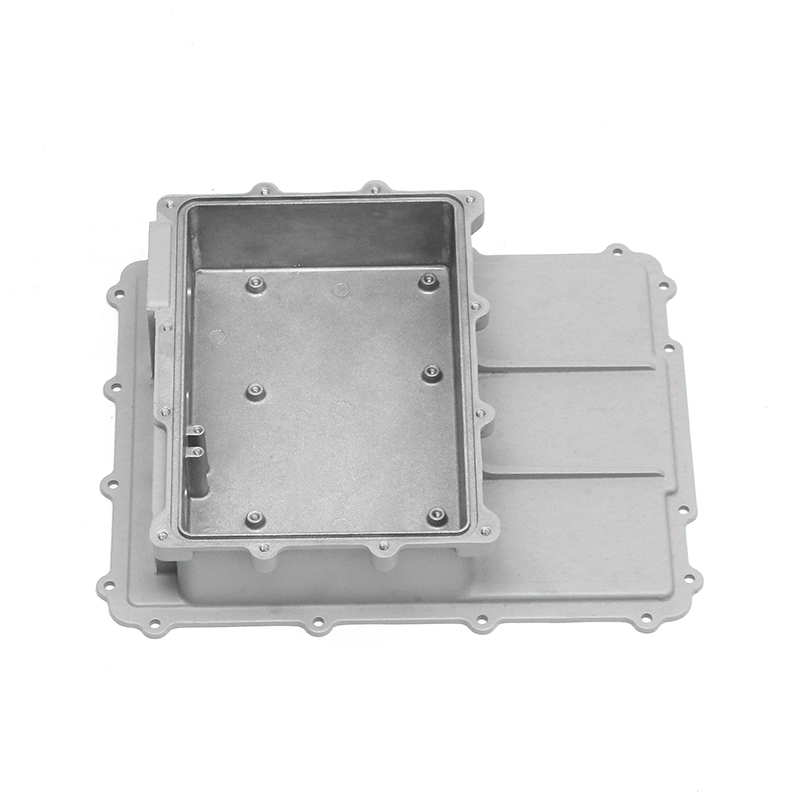
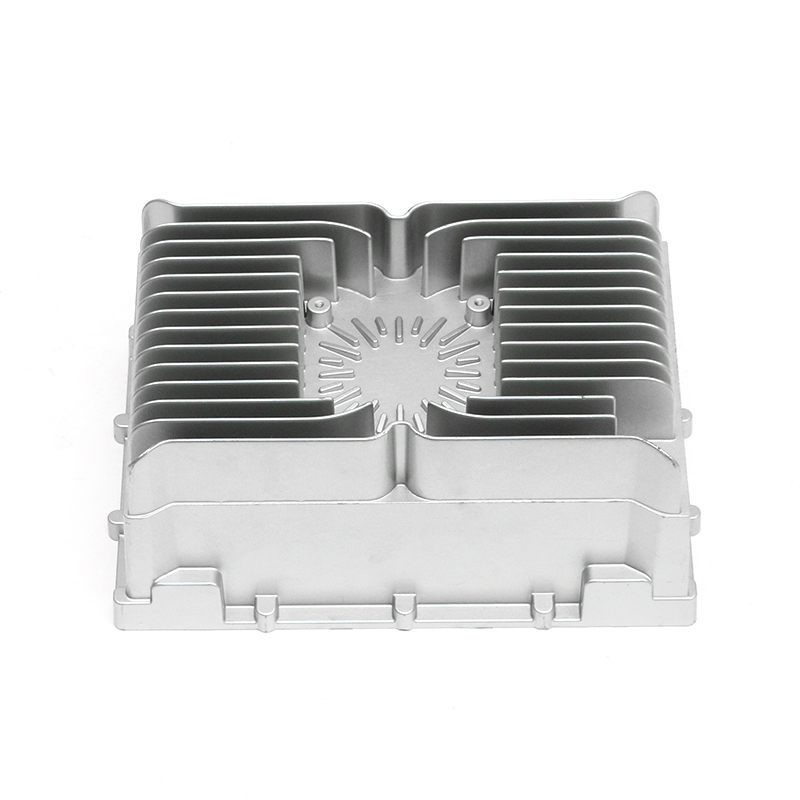
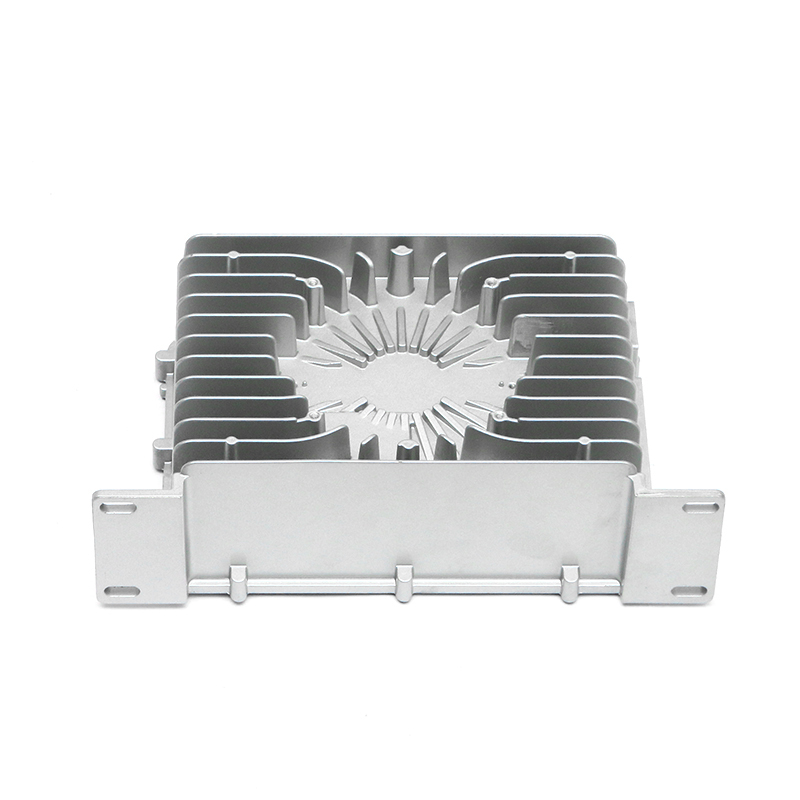
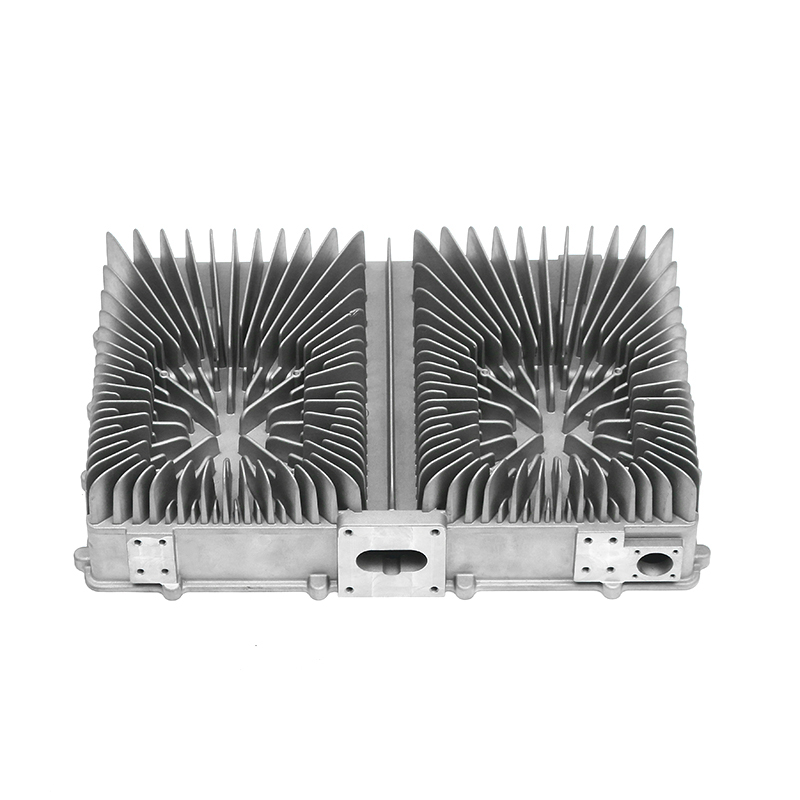
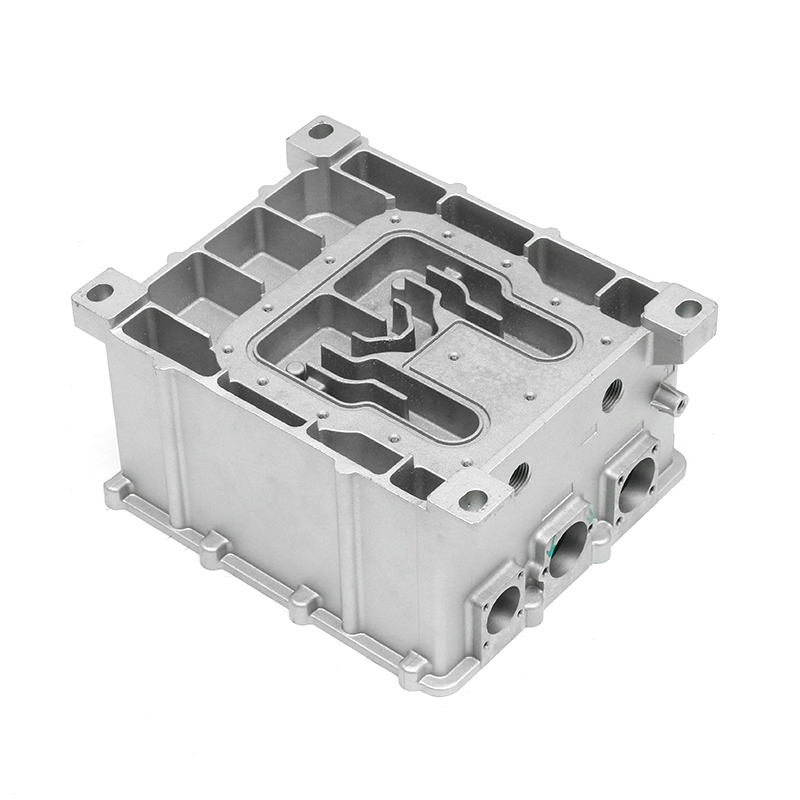
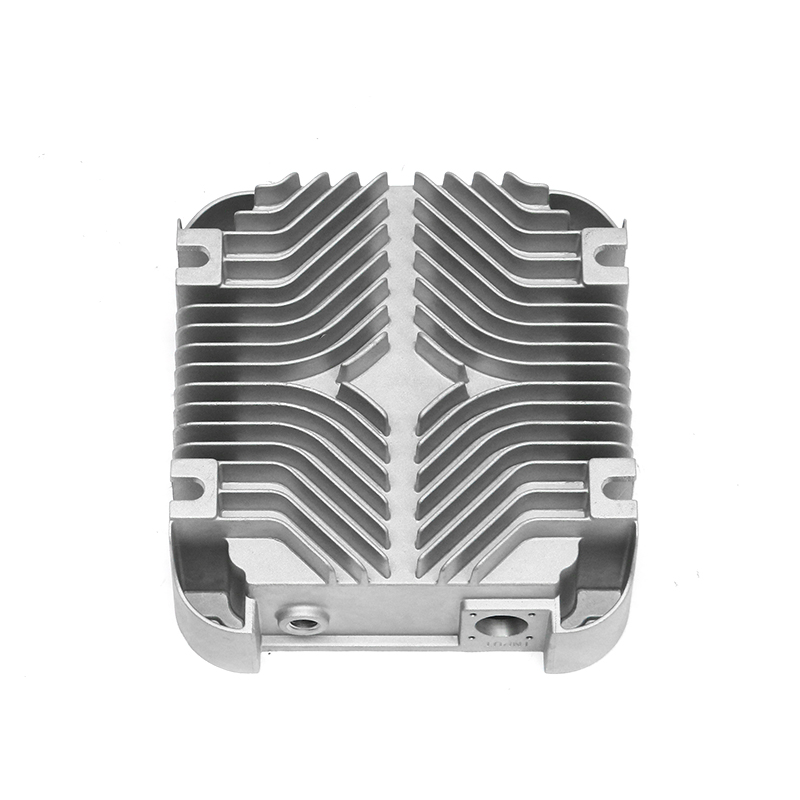
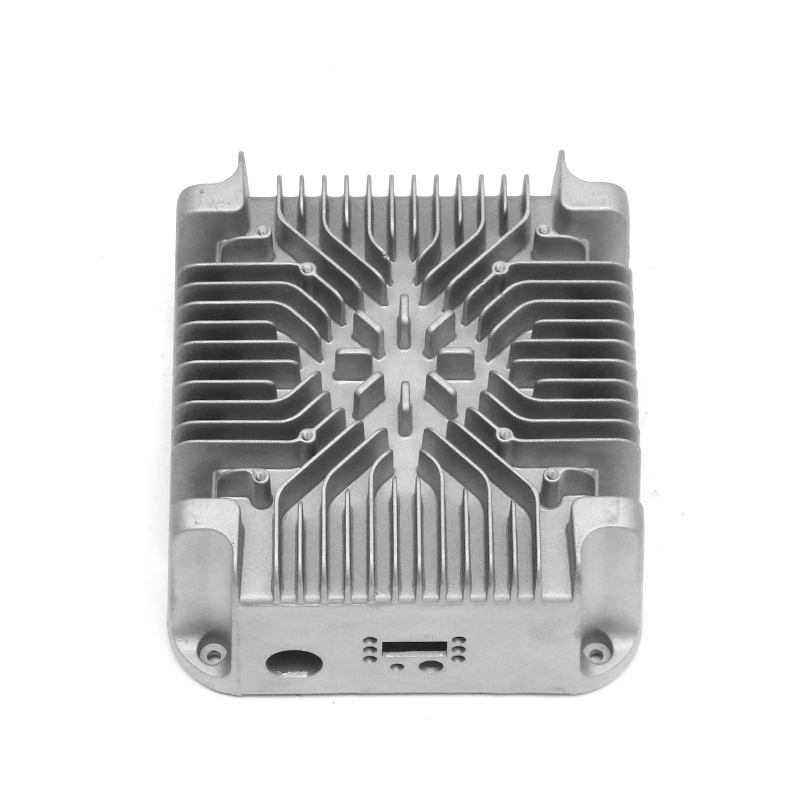
The housing is the structural core of the pump. Early engines used cast iron, but modern production has shifted strongly toward aluminum die casting. Aluminum alloys deliver a better strength-to-weight ratio, conduct heat more effectively, and can be formed into complex shapes with mounting flanges and internal passages in a single casting. That is why most original and aftermarket pumps today use an aluminum die-cast housing.
Hybrid and fully electric vehicles are increasingly fitted with electric water pumps driven by a motor, which can continue circulating coolant even when the engine is off. The drive type differs, but the failure modes and the quality principles remain the same.
Common Signs of a Failing Water Pump
A failing water pump rarely gives no warning. Catch these signals early and you avoid the cost of an overheated engine.
- Coolant leaking at the front of the engine. A leak at the pump weep hole, the small vent between the housing and the shaft, is one of the clearest signs of a failing mechanical seal. Dried coolant stains or drips under the front of the car are a red flag.
- Whining or grinding noise. Worn bearings produce a high-pitched whine or a rattle that grows with engine speed. If a bearing seizes, the impeller stops instantly and coolant flow ends, usually followed by rapid overheating.
- Engine overheating. A rising temperature gauge or an overheating warning light, especially at idle, points to weak coolant circulation. The water pump is one of the first parts to inspect.
- Steam from under the hood. Visible steam after the car has been running means coolant is escaping from the pump or from a nearby hose that failed under excess heat.
- Weak cabin heat. A heater that only blows lukewarm air can mean the coolant is not circulating enough to reach the heater core.
If any of these symptoms appear, have the pump inspected quickly. For a more detailed look at each symptom and how to confirm the diagnosis, read a detailed guide to water pump failure warning signs.
How Much Does a Water Pump Replacement Cost?
In the U.S. market, a typical water pump replacement costs between $400 and $800 in total, according to estimates published by Kelley Blue Book. The part itself accounts for roughly $200 to $400, with labor making up the rest. Luxury models and SUVs generally land at the top of that range, while common economy cars sit near the bottom.
Three factors drive price differences:
- Make and model. Imported and performance-oriented vehicles carry higher parts prices and often require more labor.
- Pump type. Electric pumps cost more than mechanical pumps because of the integrated motor and electronics.
- Pump accessibility. On many transverse engines the pump sits behind brackets and accessory drives, so the job takes extra hours of disassembly.
One quality parameter is easy to overlook when comparing quotes: the housing material. A pump with an aluminum die-cast housing resists heat aging and mechanical stress far better than a pump with a plastic composite housing. If a quote looks unusually cheap, find out what the housing is made of. That difference appears later in reliability and service life.
Why Aluminum Die Casting Defines Water Pump Quality
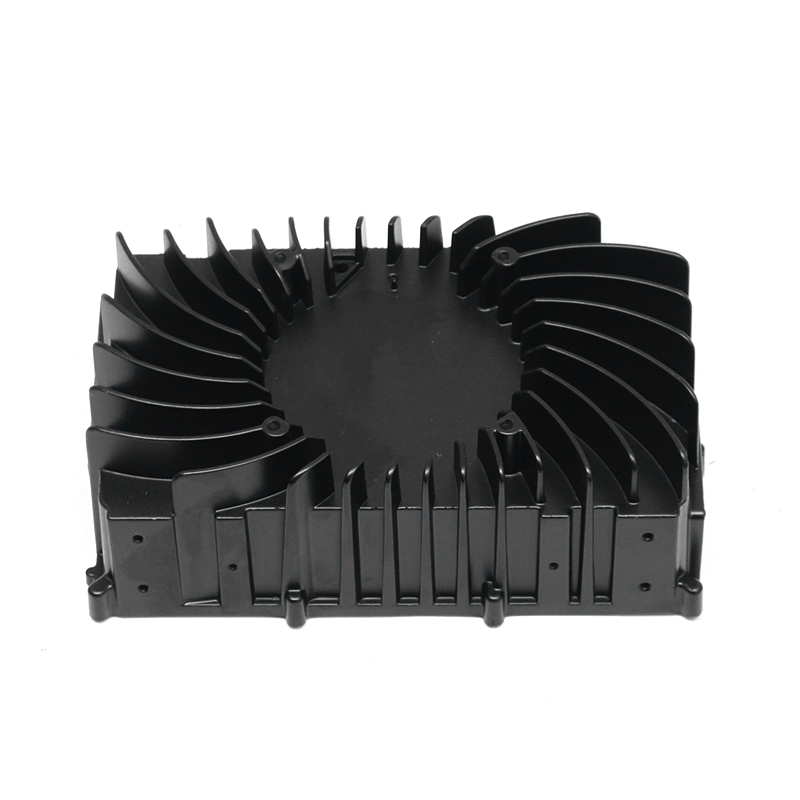
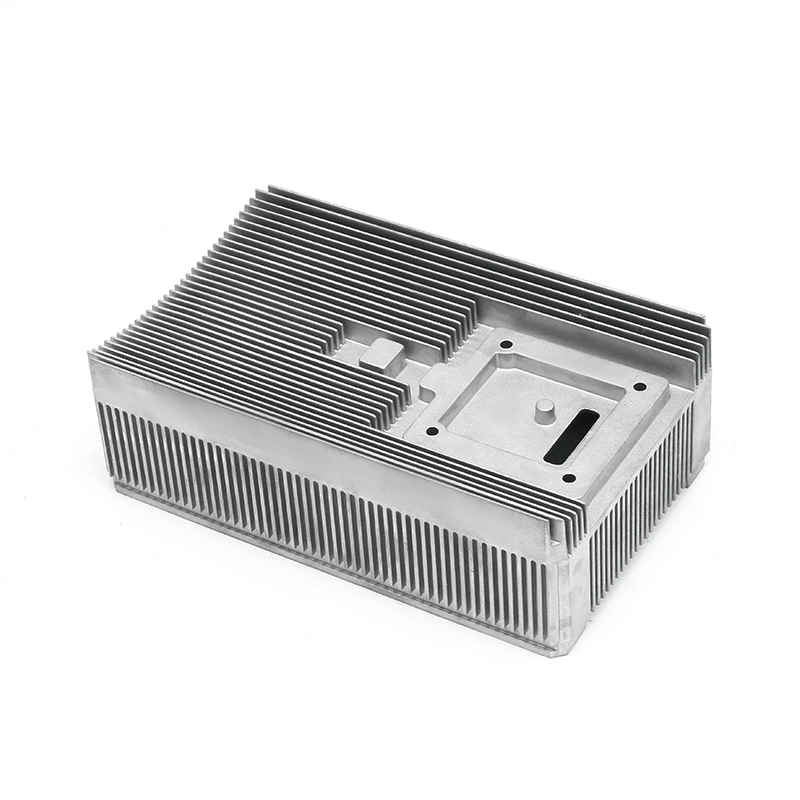
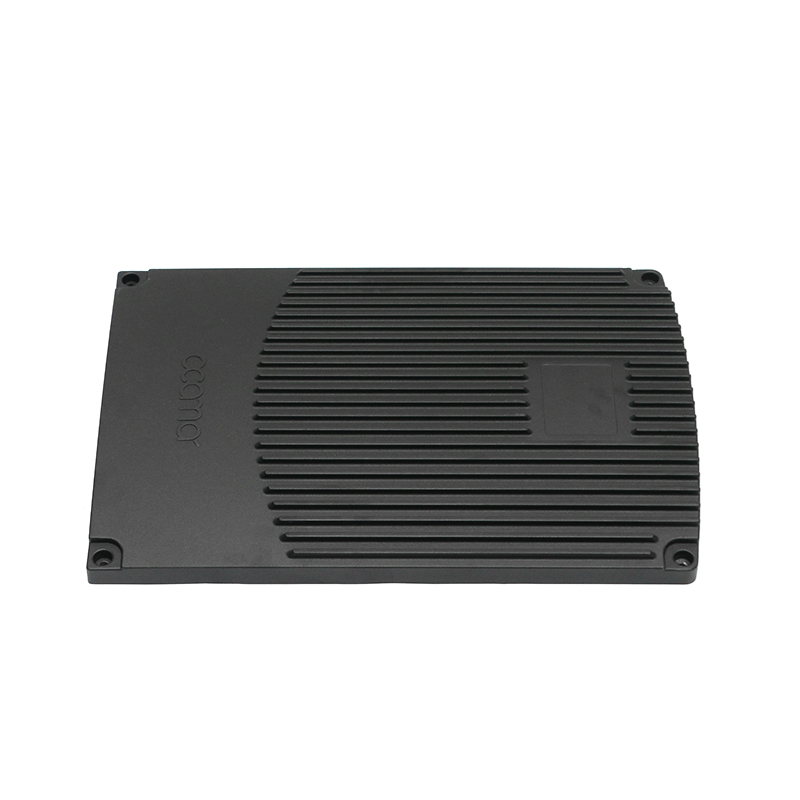
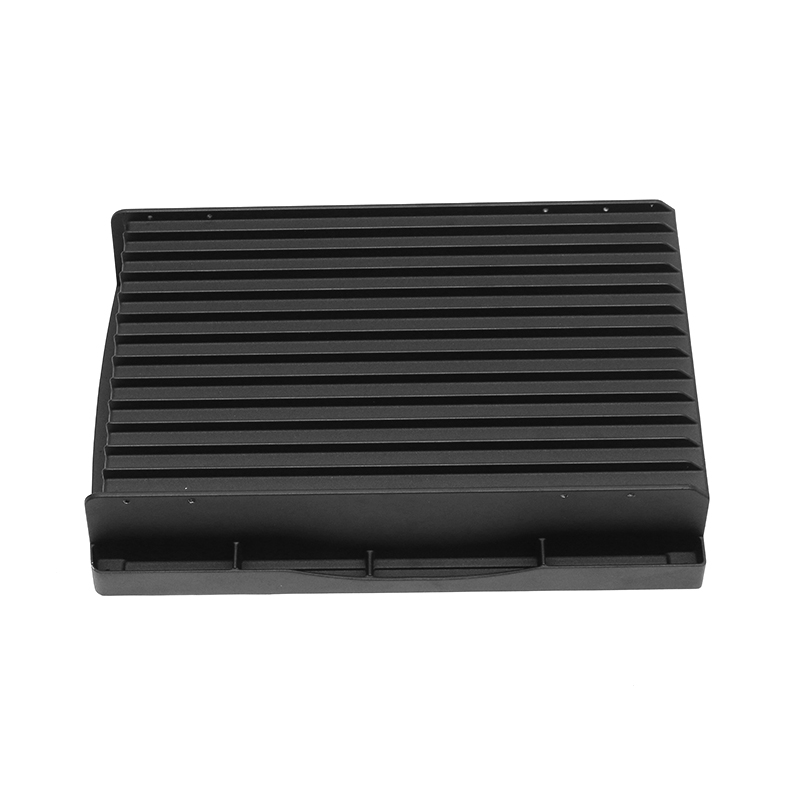
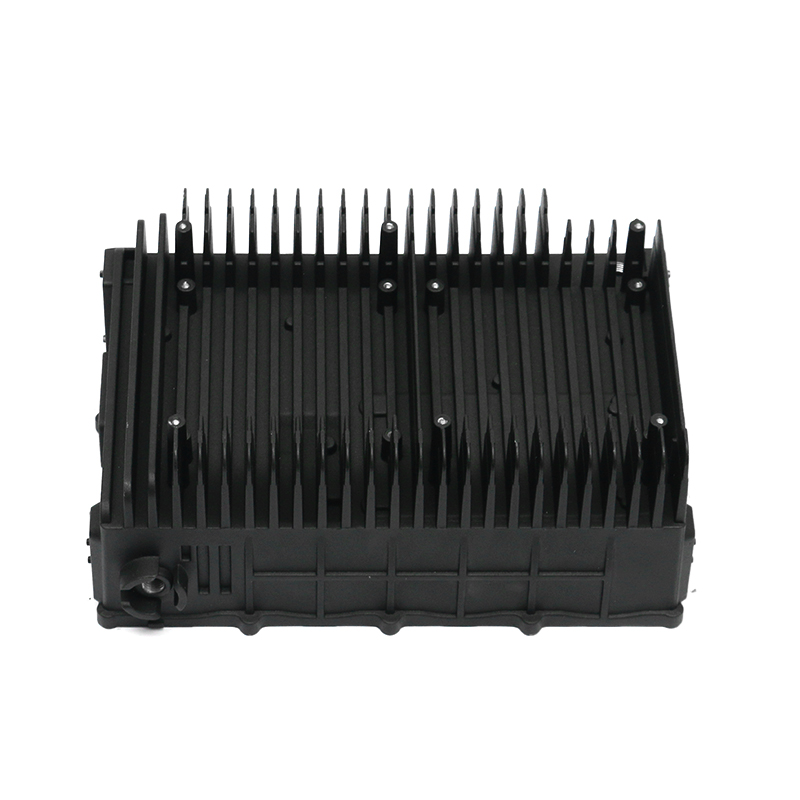
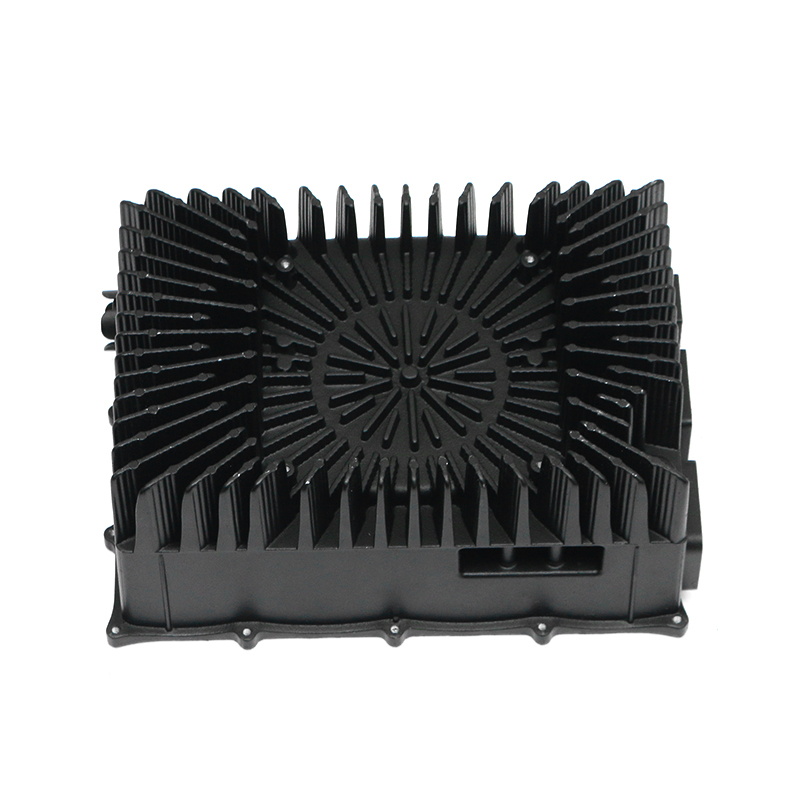
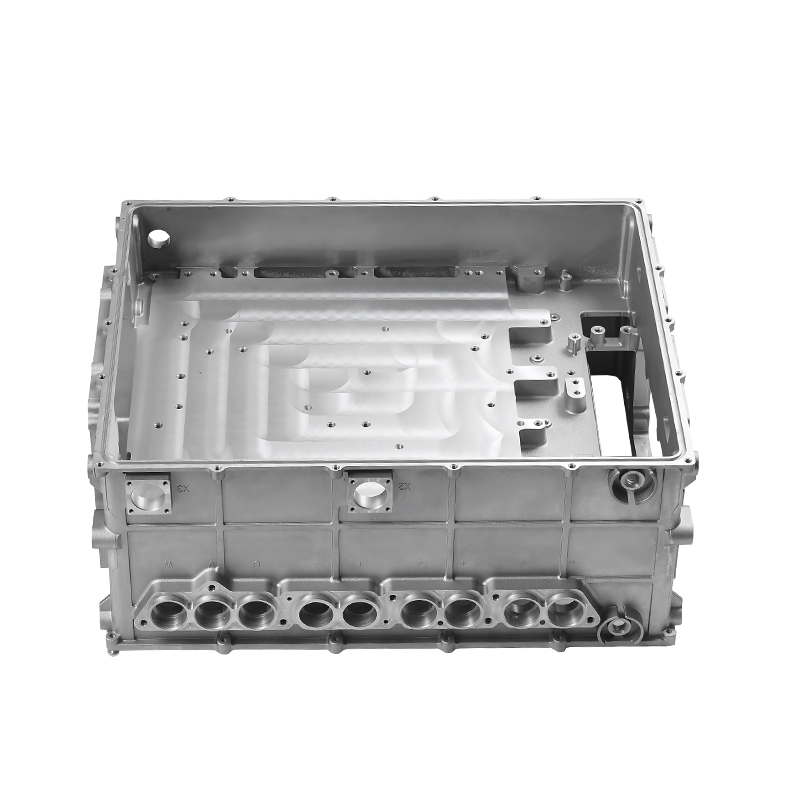
The single largest factor in water pump reliability is how the housing is made. In modern manufacturing, that means aluminum die casting, a process where molten aluminum alloy is injected at high pressure into a precision steel mold and solidifies within seconds into the final housing shape.
Aluminum die casting became the dominant route for water pump housings because it delivers five advantages at once:
- Strength-to-weight ratio. The housing must keep the bearing, seal, and impeller aligned over tens of thousands of miles. Aluminum alloy provides that rigidity at a fraction of cast iron weight.
- Heat dissipation. Aluminum conducts heat roughly three to five times better than cast iron, so the housing itself helps pull heat out of the coolant.
- Complex geometry in one piece. Water pump housings contain curved passages, mounting flanges, and machined faces. Die casting forms these in a single operation, eliminating the joints and assembly risk of multipiece designs.
- Dimensional consistency. High-pressure casting holds tight wall-thickness tolerances from part to part. Even small variations create weak spots and uneven cooling, so consistency directly affects pump life.
- Mass-production efficiency. Short cycle times make die-cast housings economical at the volumes the automotive industry requires.
The alternatives explain why the industry settled on this route. Cast iron housings are heavier, dissipate heat less efficiently, and cost more per piece at production scale. Plastic composite housings are cheap to make, but plastics age under engine heat: they soften, warp, and crack on high-mileage vehicles, and their threaded inserts and gasket surfaces wear faster. Many premature failures in price-cut aftermarket pumps trace back to a plastic housing that gave out long before the bearing did.
For a component that must hold pressurized coolant through heat cycles for years, three manufacturing controls decide whether it performs or leaks:
- Mold design. Wall thickness must stay uniform across the casting. Thin spots become stress risers that crack under thermal cycling. This is where precision mold design affects die-cast part quality
 Wholesale Die Casting Precision Trimming Mold Manufacturers, FactoryAs China die casting precision trimming mold manufacturers and precision trimming mold factory, Ningbo Fenda New Energy Technology Co., L...View Product →.
 - Die-casting parameters. Injection pressure and speed control porosity, the microscopic voids left inside the metal. Excessive porosity opens leak paths when voids reach a sealing face.
- Testing before shipment. Every housing should pass air-tightness testing, and industrial CT scanning can reveal internal porosity that pressure tests alone cannot detect.
These principles are built into our daily production at fddiecasting.com. The facility runs 6 die-casting machines from 400 to 2000 tons, 80 machining centers, and more than 30 specialized units. Housings are verified with air-tightness testers, industrial CT, Zeiss and Edward coordinate measuring machines, and Oxford Hitachi spectrometers. The plant holds IATF 16949:2016 certification and traces its roots back to 2006.
Wear resistance follows from the same process discipline: a denser, smoother casting keeps the seal area intact and preserves flow performance over time. We examine this relationship in detail in how wear resistance of water pumps extends engine life.
If you want to compare technical specifications or request samples, our aluminum die-cast water pump product line is the quickest starting point.
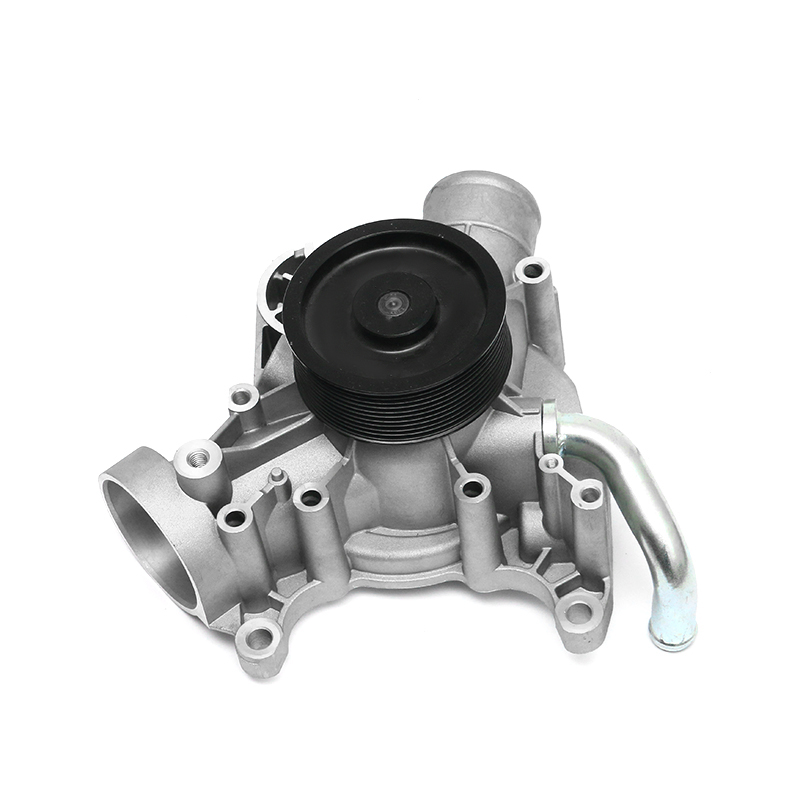 OEM/ODM Die Casting Car Water Pump Manufacturers, Suppliers, FactoryNingbo Fenda New Energy Technology Co., Ltd., is China die casting car water pump manufacturers and car water pump suppliers, our factory...View Product →
How to Choose a Reliable Water Pump Supplier
For repair shops, distributors, and procurement engineers, the real question is not whether aluminum die casting is the right process, but how to tell a disciplined supplier from one that cuts corners. Five checkpoints matter most:
- IATF 16949 certification. This automotive quality management standard proves the factory runs documented, audited processes for quality control and defect handling.
- Integrated production capability. A supplier that designs and builds its own molds, then casts, machines, and tests in-house, offers shorter lead times and complete traceability.
- 100% air-tightness testing. A water pump housing is a sealing component. If the factory does not pressure-test every piece, it is knowingly shipping a predictable share of leakers.
- Material verification. Spectrometer analysis confirms the alloy grade on every batch. Stable incoming material is the invisible foundation of pump durability.
- Custom development support. Every vehicle model has its own housing geometry, so a supplier that can engineer a casting from a drawing or sample, design the mold, and validate first articles is inherently more capable.
These criteria connect directly to the failure modes discussed earlier. A supplier that understands bearing loads and sealing surfaces will not treat the housing as a simple metal shell, and that understanding shows up in the finished part.
Some buyers use the same evaluation to expand beyond the water pump itself. If your program also covers brackets, housings, or structural components, browse our full range of aluminum die-cast auto parts to see the same process standards applied across the product line.
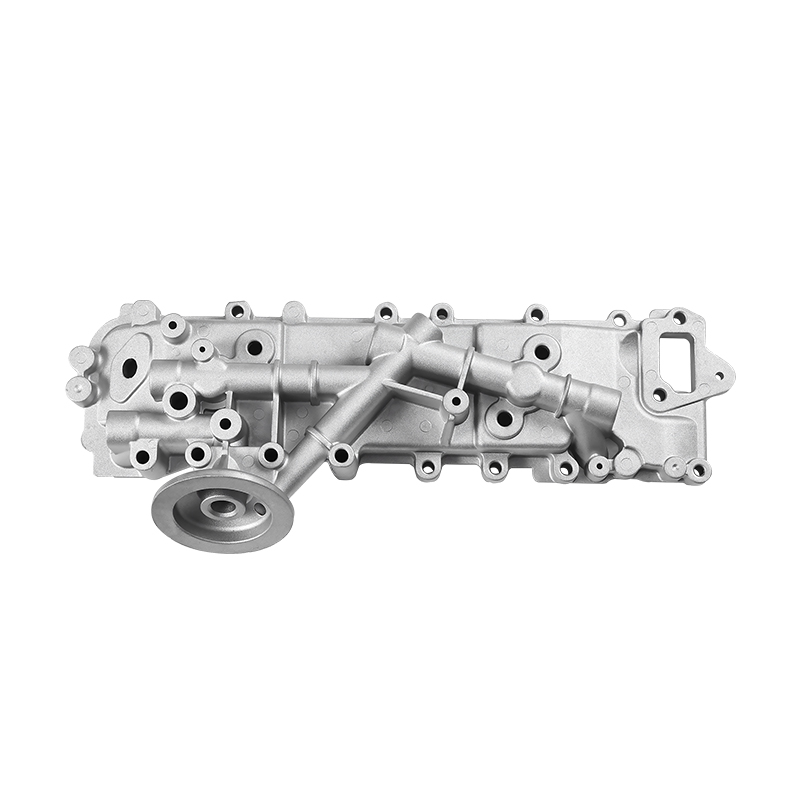 Wholesale Auto Parts Die Casting Factory, ManufacturersAs professional China auto parts die casting manufacturers and auto parts factory, Ningbo Fenda New Energy Technology Co., Ltd., wholesal...View Product →
Conclusion
The car water pump is a small component with an outsized responsibility. It moves coolant through the engine, keeps temperatures under control, and when it fails, the consequences escalate quickly from a puddle of coolant to an expensive engine repair. The warning signs are clear, and the replacement cost, typically $400 to $800 in the U.S. market, is trivial compared with the damage an overheated engine can cause.
For anyone who buys water pumps rather than just installing them, the quality story is written at the foundry. Aluminum die-cast housings, controlled casting parameters, and rigorous air-tightness testing separate a pump that lasts 100,000 miles from one that leaks after the first year. Whether you are a car owner scheduling a repair or an engineer qualifying a supplier, treat the water pump as the engineering component it is, not as a disposable spare part.