

 English
 русский
 عربى
عربى Deutsch
Structural Demands on a car water pump die casting
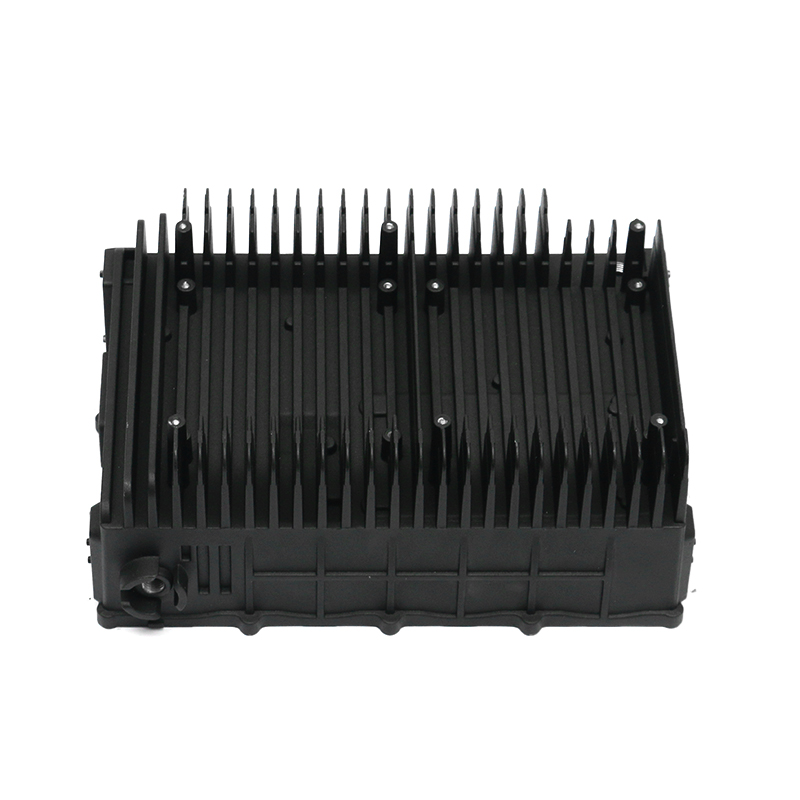
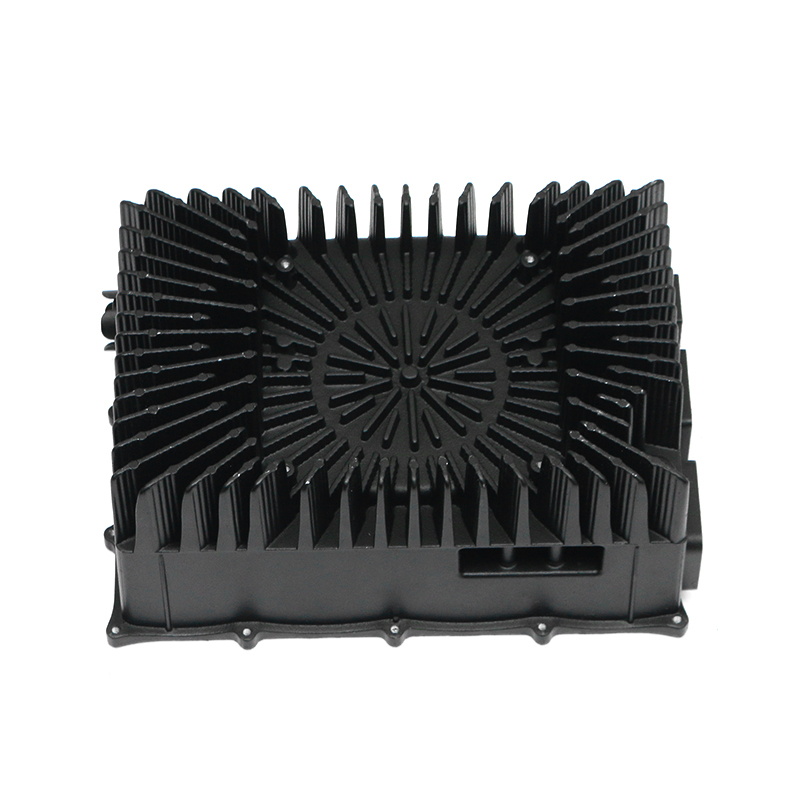
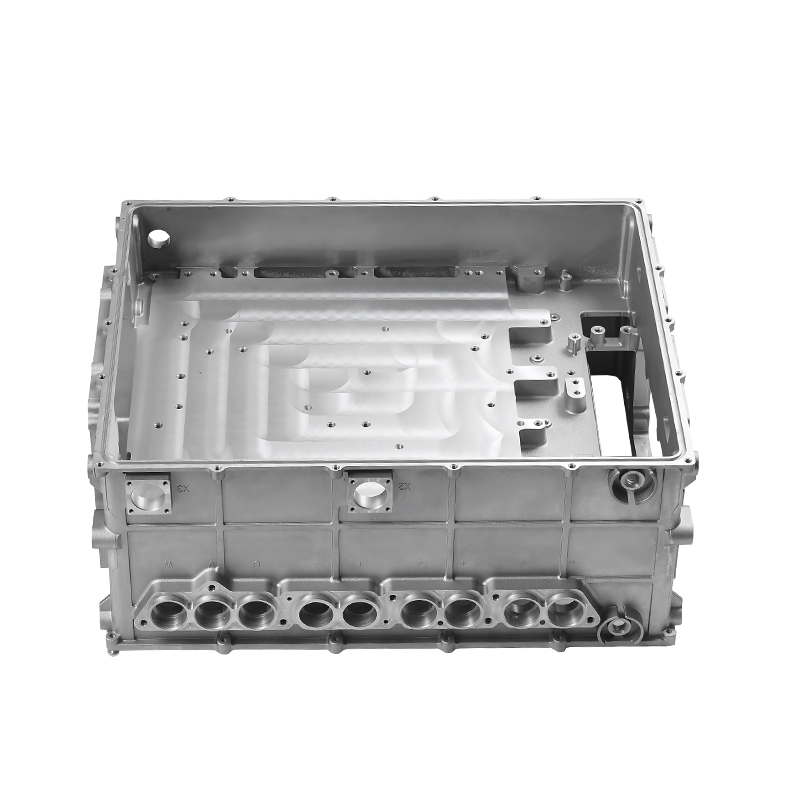
A car water pump die casting is an important component within the vehicle’s cooling system, responsible for circulating coolant through the engine block and radiator. Because of its mechanical function, the structure must support stable operation under varying temperature conditions and dynamic loads. The internal passages and mounting interfaces must maintain shape and dimensional accuracy so that coolant flows consistently and pressure levels remain controlled. The die-cast structure should also resist fatigue caused by constant rotation of the pump assembly, thermal expansion, and vibration generated by the engine. These structural demands highlight the importance of selecting suitable alloy materials, carefully designing wall thickness, and ensuring that the die-casting process follows stable parameters.
Influence of Alloy Selection on Strength and Rigidity
The strength and rigidity of a car water pump die casting depend heavily on the type of alloy used in the process. Common choices include aluminum alloys, zinc alloys, and magnesium alloys, each presenting different mechanical characteristics suitable for automotive cooling components. Aluminum alloys offer a balance of strength, corrosion resistance, and lightweight behavior, contributing to efficiency in automotive applications. Zinc alloys provide greater density and dimensional accuracy but are heavier, making them more suitable for specific mounting brackets or smaller pump housings rather than large pump bodies. Magnesium alloys offer low density and adequate rigidity, though they require precise processing to ensure consistent structural integrity. The choice of alloy influences not only the mechanical performance but also the durability of the pump housing under long-term operation.
Impact of Die-Casting Process Parameters on Structural Reliability
During production of a car water pump die casting, process parameters such as injection speed, mold temperature, pressure, and cooling rate determine the internal grain structure and density of the final component. Controlled injection pressure helps reduce internal voids, porosity, and shrinkage that could compromise rigidity. Maintaining stable mold temperature ensures uniform solidification, supporting consistent mechanical properties across the entire pump housing. Cooling time also affects the formation of internal microstructure, with optimized cooling promoting consistent material density and reducing the risk of internal cracks. Careful calibration of these parameters helps achieve a reliable die-cast structure capable of supporting long-term mechanical loads in automotive environments.
Internal Geometry and Stress Distribution
The internal geometry of a car water pump die casting must be designed to distribute stress evenly throughout the component. Areas around the impeller chamber, coolant passageways, and mounting flanges are subject to continuous mechanical forces, making consistent wall thickness important. Sharp corners or abrupt transitions may serve as stress concentration points, potentially leading to fatigue cracks under long-term operation. The design phase often includes simulation of stress pathways to ensure the structure can handle rotational forces from the pump shaft and pressure fluctuations from coolant flow. This approach supports balanced stiffness and reduces the likelihood of premature structural failure.
Correlation Between Wall Thickness and Rigidity
The rigidity of the die-cast structure is influenced by both material properties and wall thickness distribution. A car water pump die casting typically includes sections where thicker walls are required to support machining allowances, threaded holes, or flange interfaces. Thinner walls may be appropriate for areas where coolant flows, helping reduce weight while maintaining the necessary mechanical resistance. The challenge lies in achieving a balance that ensures adequate stiffness without excessive material usage. Uniform wall thickness also reduces residual stress generated during cooling, which contributes to long-term dimensional stability and structural reliability.
| Design Element | Effect on Strength | Effect on Rigidity |
|---|---|---|
| Material Alloy | Determines tensile and yield properties | Influences stiffness at operating temperature |
| Wall Thickness | Supports load-bearing capacity | Affects resistance to deformation |
| Mold Temperature | Guides grain formation | Improves uniformity of mechanical properties |
| Injection Pressure | Reduces porosity | Improves structural solidity |
Resistance to Thermal Cycling and Fatigue
The water pump housing experiences repeated thermal cycling because the coolant temperature fluctuates from ambient levels to elevated engine operating temperatures. A car water pump die casting must therefore resist thermal fatigue, which occurs when repeated expansion and contraction weaken the structure over time. Alloy selection plays a key role, as materials with stable thermal expansion characteristics help maintain dimensional accuracy under cycling. The microstructural integrity of the die cast component also influences its performance; fewer internal pores and a dense structure help resist crack propagation. Proper machining and avoidance of sharp edges further support fatigue resistance, contributing to reliable function in demanding automotive cooling conditions.
Behavior of Die-Cast Components Under Vibrational Loads
Automotive engines generate continuous vibration, transmitted through mounting points to components such as the car water pump die casting. To support rigidity under such loads, the casting must have adequate structural stiffness and secure mounting design. Reinforced ribs may be included in the housing design to strengthen areas exposed to concentrated forces. Dimensional accuracy of mounting surfaces ensures proper alignment of the pump assembly, reducing stress during rotation. Long-term vibrational exposure requires that the die casting maintain stability without deformation, which is strongly influenced by the internal material density achieved during casting.
Evaluation of Potential Weak Points in the Pump Housing
Potential weak points in the die-cast structure may include areas with abrupt geometry changes, locations affected by internal porosity, or surfaces subject to mechanical machining. The region around the pump shaft bearing often experiences concentrated loads, requiring reinforced metal thickness and stable grain structure. Similarly, mounting flanges must support steady bolt forces without warping during operation. Internal coolant channels also require stable dimensional integrity to maintain coolant flow and avoid localized thinning. Comprehensive inspection using X-ray imaging or dye testing helps identify porosity or micro-cracks during quality control, supporting long-term reliability of the car water pump die casting.
Influence of Surface Treatments on Strength and Durability
Surface treatments can enhance the durability and performance of a car water pump die casting by improving corrosion resistance and reducing surface wear. Processes such as anodizing, powder coating, or chemical conversion coating create protective layers that help prevent moisture-related corrosion inside and outside the pump housing. Since the water pump operates with coolant that may contain additives or contaminants, surface protection helps maintain structural reliability. Additionally, surface finishing improves machining smoothness, reducing stress concentration and stabilizing performance under repeated mechanical loads. Properly selected surface treatments contribute to consistent rigidity by preserving material integrity over time.
Quality Control and Testing for Structural Performance
Ensuring that a car water pump die casting offers sufficient strength and rigidity requires careful quality control measures during and after production. Mechanical testing such as tensile strength measurement, hardness testing, and fatigue evaluation help verify material behavior. Dimensional accuracy inspections ensure that the casting meets tolerances for mounting and coolant passage geometry. Non-destructive testing methods such as ultrasonic scanning or radiography help detect internal porosity or inclusions that may compromise rigidity. By combining these evaluation techniques, manufacturers gain a clear understanding of how well the die-cast part meets structural requirements for automotive use.
| Testing Method | Main Purpose | Relevance to Rigidity |
|---|---|---|
| Radiographic Inspection | Detects internal defects | Supports consistent density |
| Tensile Testing | Measures material strength | Determines load-bearing capacity |
| Fatigue Testing | Evaluates resistance to cyclic stress | Predicts long-term deformation behavior |
| Dimensional Analysis | Confirms geometric accuracy | Ensures proper fit under mechanical load |
Long-Term Durability of the Die-Cast Structure
The long-term durability of a car water pump die casting depends on consistent material properties, stable manufacturing processes, and proper in-service maintenance. Regular inspection during vehicle maintenance helps detect early signs of degradation, such as corrosion or minor cracks. Coolant quality also influences the durability of the water pump housing, since contaminated fluid can accelerate wear. When the casting maintains its mechanical and dimensional stability over time, it helps ensure reliable coolant flow and consistent engine temperature control. High-density die casting, appropriate alloy selection, and protective surface coatings support long-term durability and help prevent premature failure.
Factors Affecting Rigidity During Engine Operation
During operation, the engine exerts dynamic forces on the water pump housing. The rigidity of a car water pump die casting must be sufficient to maintain alignment between the impeller, shaft, and bearing components. Misalignment increases friction and may reduce pump efficiency. As the engine reaches higher speeds, centrifugal force from the pump impeller increases, placing additional stress on the housing. The uniform distribution of material in the die casting helps prevent deformation and ensures that the impeller operates smoothly. Stability under these conditions is important for maintaining efficient coolant circulation through the engine system.
Integration of the Pump Housing With Other Cooling System Components
The car water pump die casting interfaces with several cooling system components, including hoses, gaskets, pulleys, and the engine block. Each interface requires accurate machining to ensure proper sealing and fit. Structural strength at connection points helps prevent coolant leaks, while rigidity ensures that the pump remains securely fastened during engine vibration and temperature changes. The machining quality of these areas affects the long-term integrity of the cooling system and minimizes the risk of misalignment. Proper integration supports smooth operation throughout the vehicle’s service life.
Summary of Strength and Rigidity Characteristics
A car water pump die casting must provide balanced mechanical behavior, supporting both strength and rigidity under varying operating conditions. Alloy selection, die-casting process control, wall thickness distribution, and internal geometry each contribute to structural performance. By implementing quality testing, surface protection, and thoughtful design principles, the pump housing maintains stability during thermal cycling, vibration, and coolant pressure fluctuations. This combination of factors supports long-term functionality within the automotive cooling system.