

 English
 русский
 عربى
عربى Deutsch
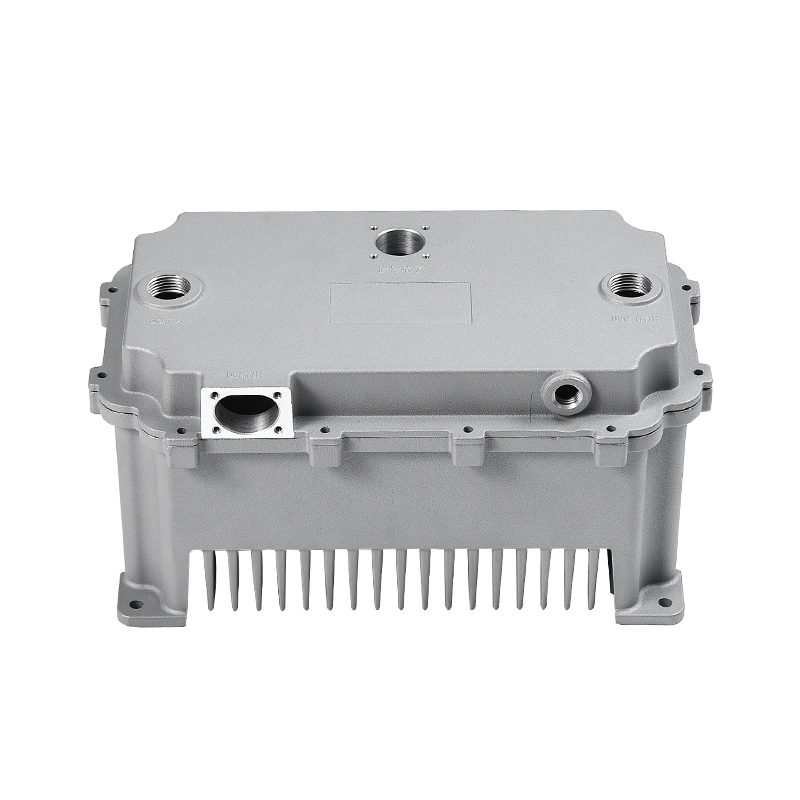
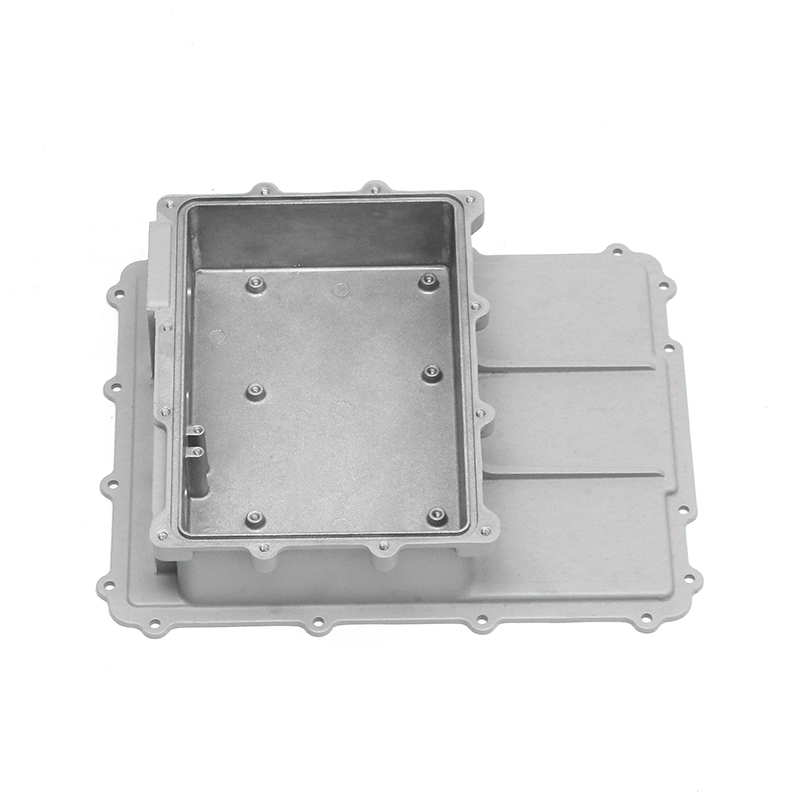
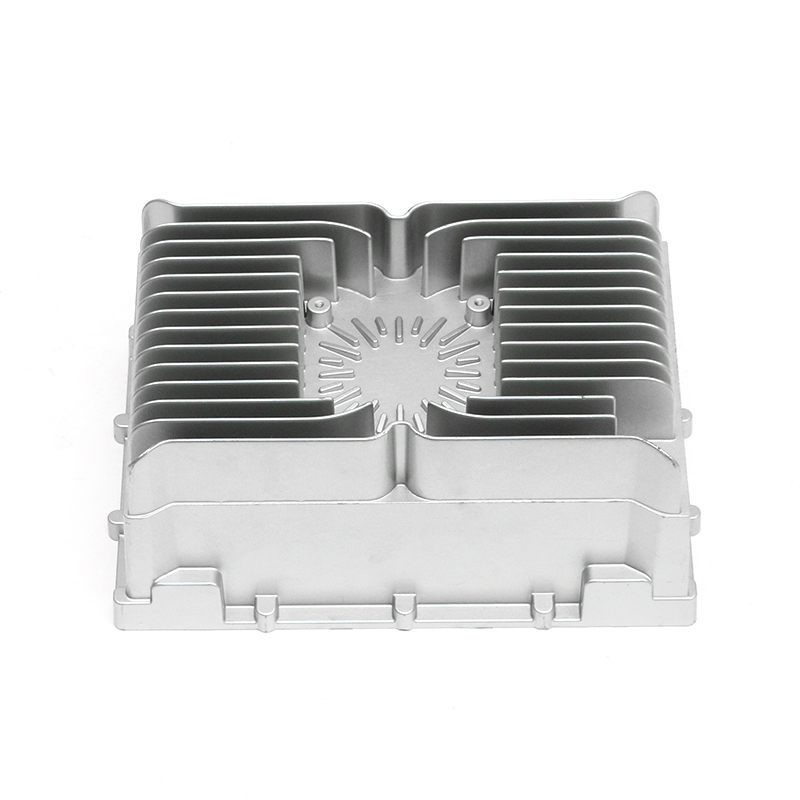
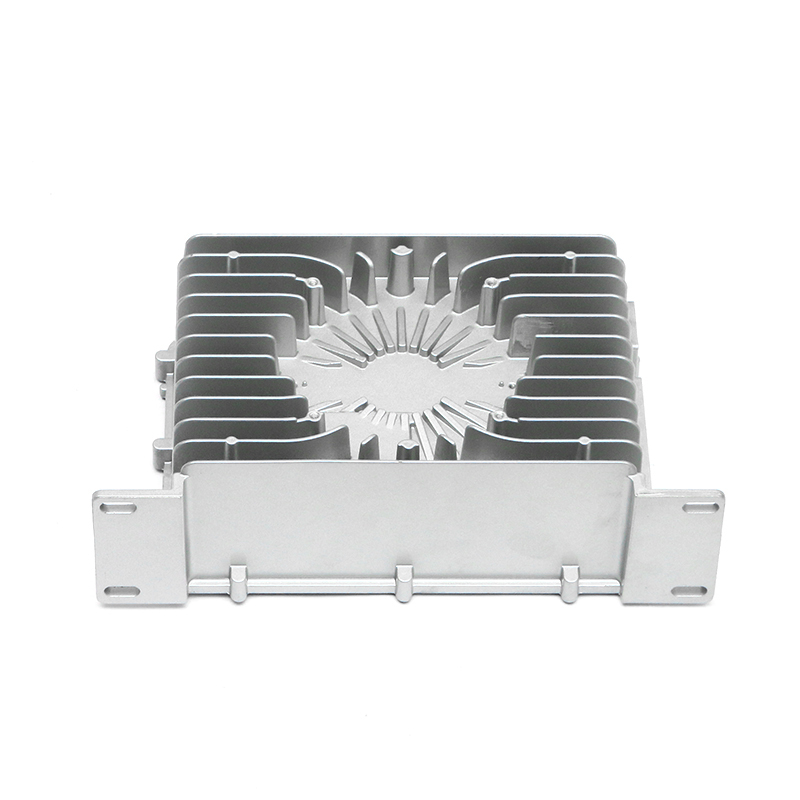
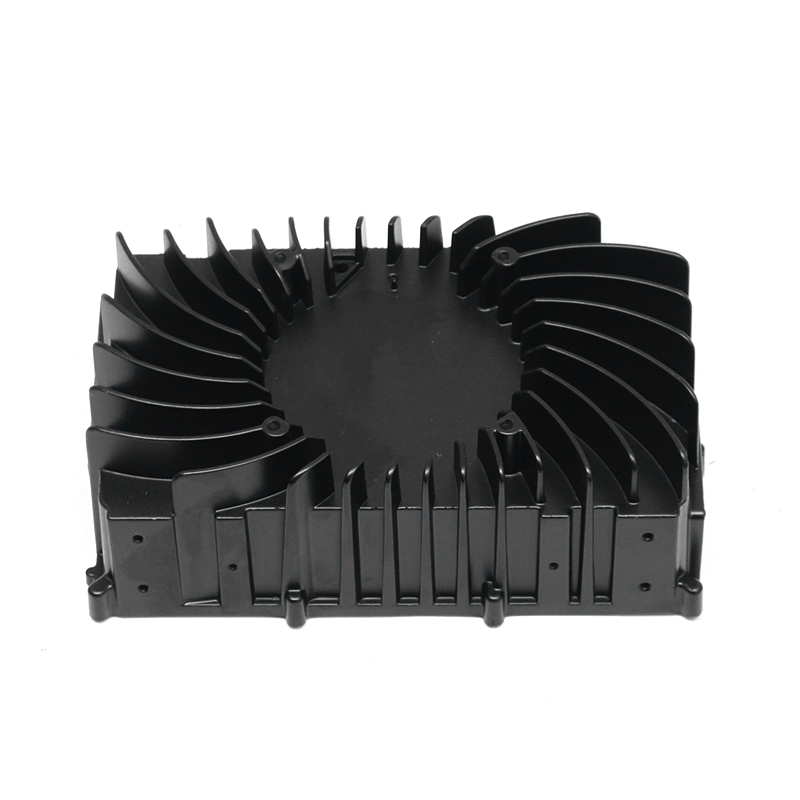
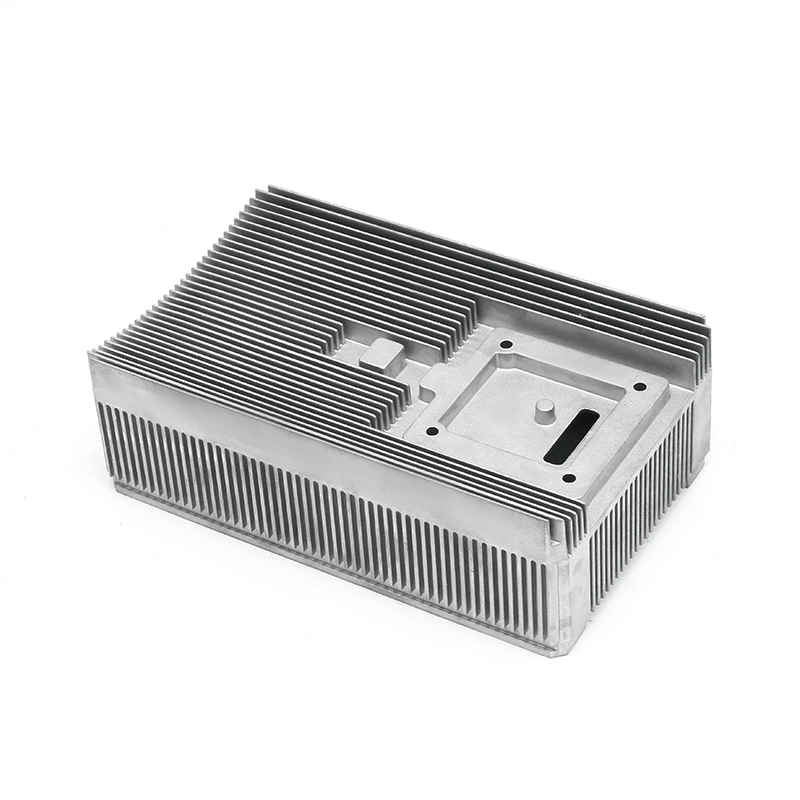
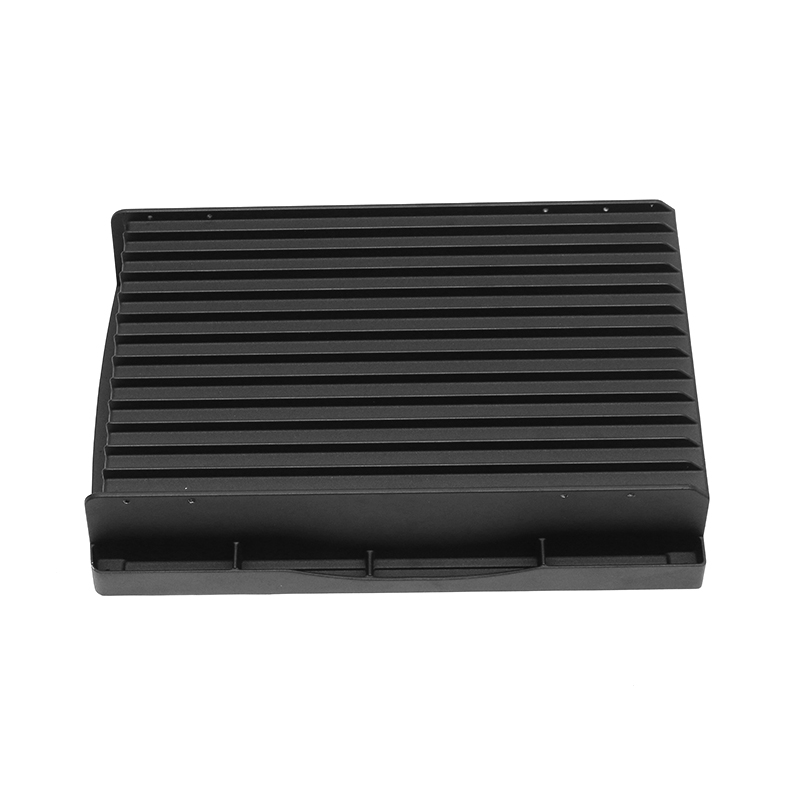
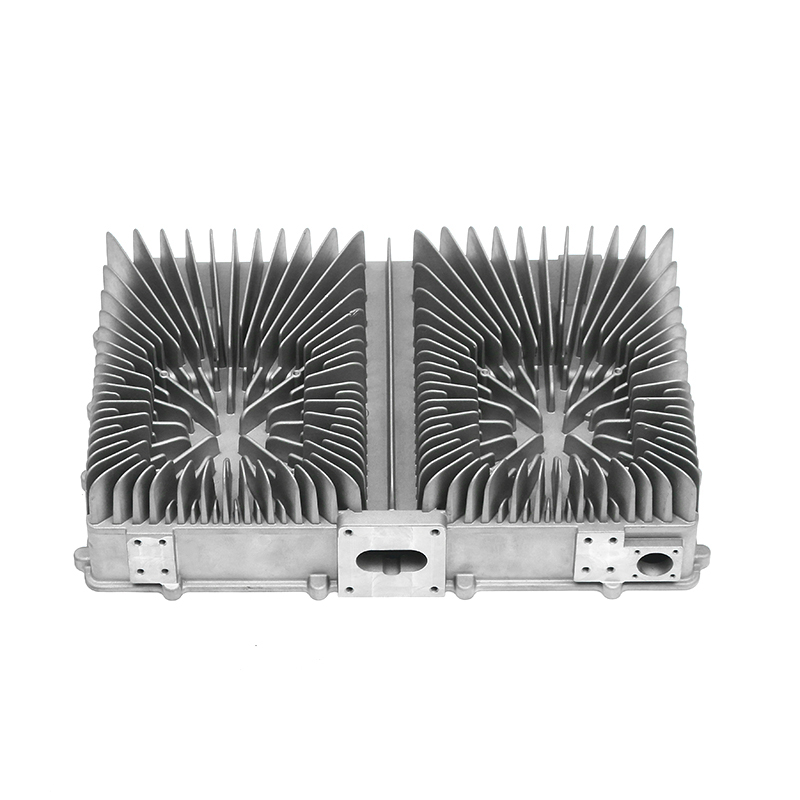
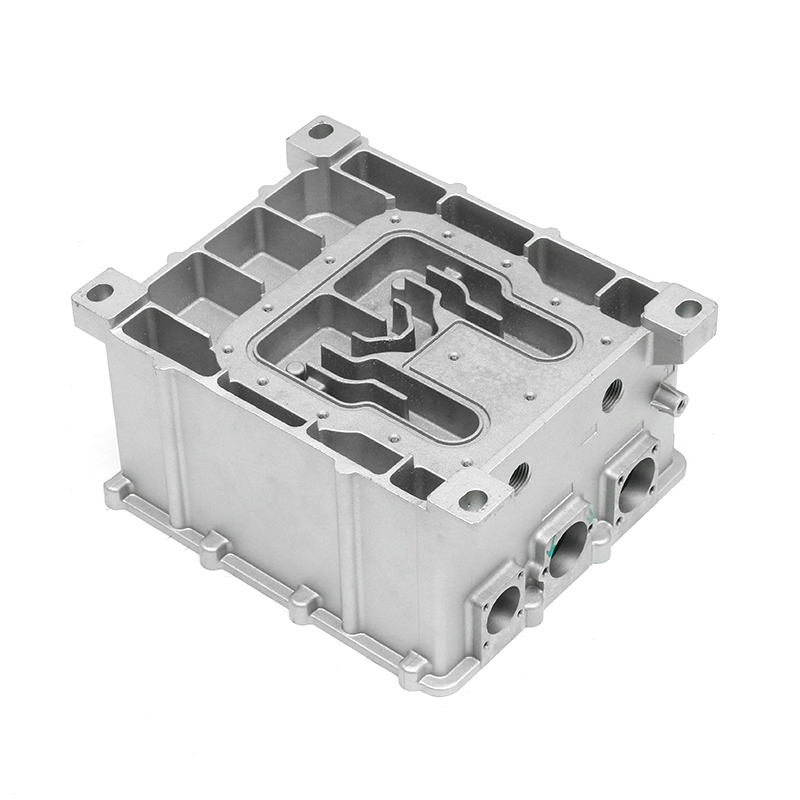
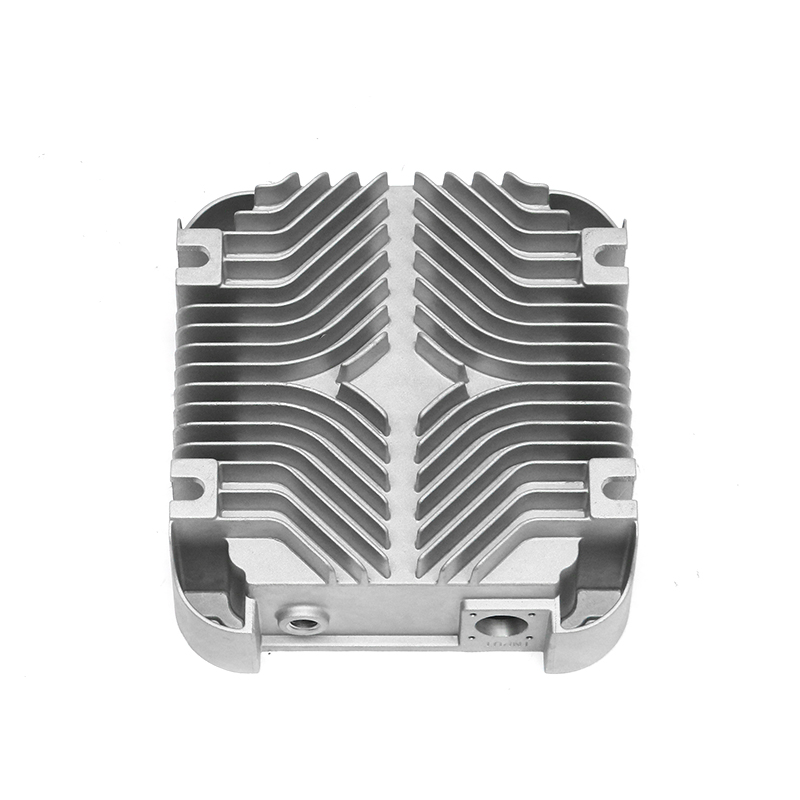
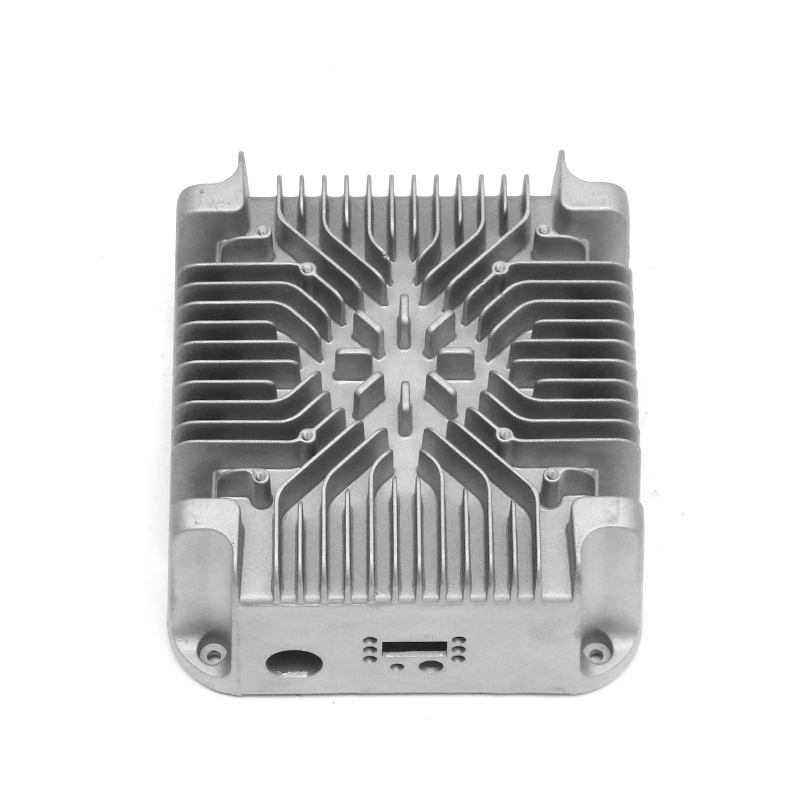
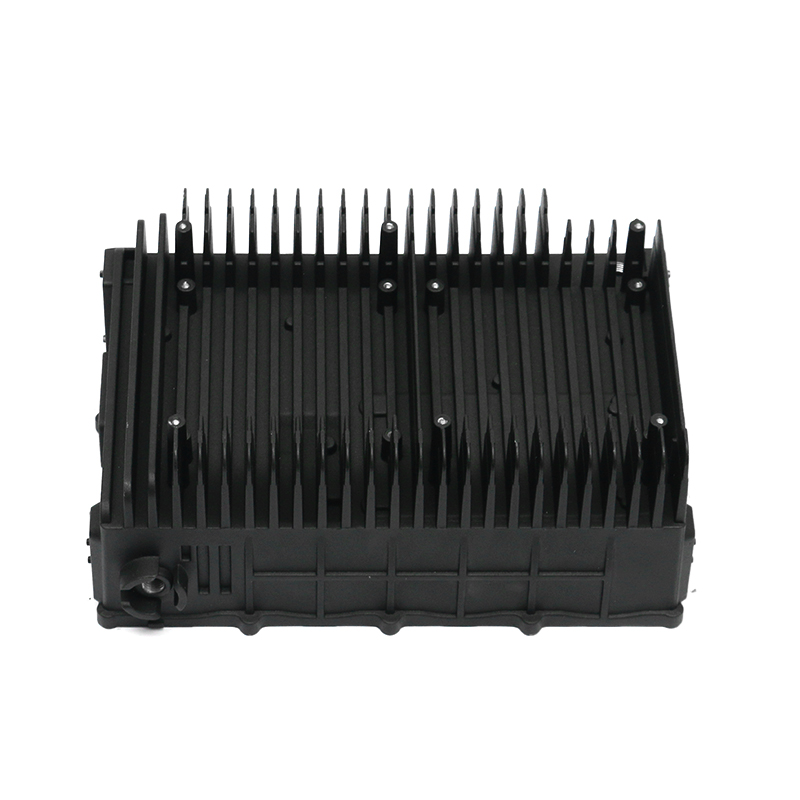
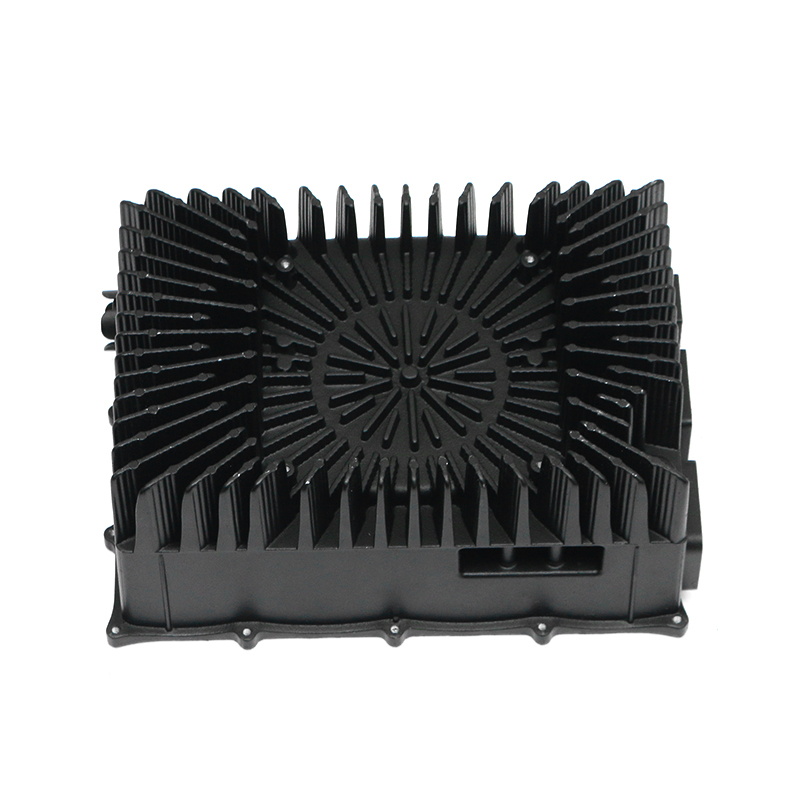
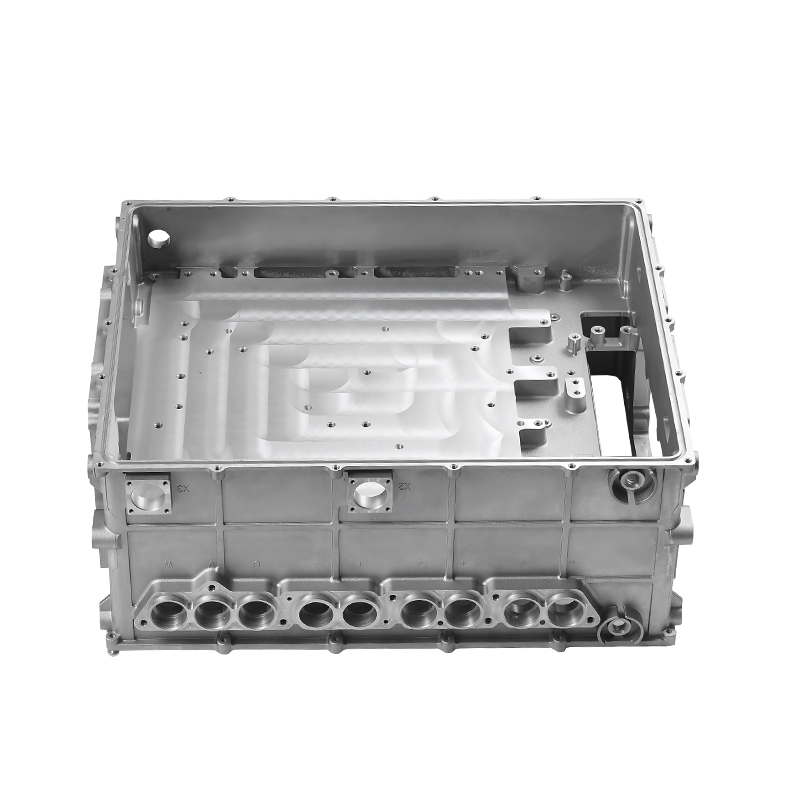
Introduction to New Energy Motor Housing Die Casting
New energy motor housings are critical components in electric vehicles, hybrid systems, and industrial electric motors. The die casting process allows the production of complex shapes with tight tolerances and consistent material properties. For motor housings, corrosion resistance and aging prevention are essential because these components are exposed to varying environmental conditions, including humidity, temperature fluctuations, and chemical exposure from lubricants and cleaning agents. Ensuring that die-cast motor housings meet these requirements is key to maintaining the reliability and longevity of the motor system.
Modern die casting methods combine precision, material optimization, and post-processing techniques to produce housings that balance mechanical strength with chemical and thermal stability.
Corrosion Resistance Requirements
Corrosion resistance is crucial for die-cast motor housings because exposure to moisture, salts, and other environmental factors can lead to surface degradation and material weakening. Aluminum alloys are commonly used for die-cast motor housings due to their natural oxide layer, which provides initial protection against corrosion. Additional surface treatments such as anodizing, powder coating, or electroplating enhance corrosion resistance by creating a barrier layer that prevents oxidation and chemical attack.
Corrosion resistance is evaluated through accelerated testing methods, including salt spray tests, humidity chambers, and chemical exposure tests. These tests simulate long-term environmental conditions and assess the material's ability to maintain structural integrity and surface appearance under stress.
Material Selection for Aging Prevention
The choice of die casting alloy affects both corrosion resistance and aging characteristics. Alloys with controlled levels of magnesium, silicon, and other alloying elements improve mechanical properties and reduce susceptibility to fatigue over time. Proper heat treatment during and after die casting stabilizes the microstructure, reducing internal stresses and enhancing resistance to creep and thermal aging.
Preventing aging is essential for motor housings that operate under repeated thermal cycling or vibration. Alloy selection, combined with precise casting parameters, ensures that the housing maintains dimensional stability, mechanical strength, and surface quality over its service life.
Die Casting Process Considerations
Die casting parameters, including mold temperature, injection speed, and cooling rate, influence the microstructure and porosity of the casting. Reduced porosity minimizes sites where corrosion can initiate and improves surface durability. Uniform cooling helps prevent residual stress accumulation, which can lead to microcracks and premature aging.
Advanced die casting techniques, such as vacuum-assisted casting and high-pressure injection, produce denser castings with fewer defects, enhancing both corrosion resistance and long-term stability. These techniques allow the production of motor housings with complex geometries while maintaining material integrity.
Surface Treatments and Coatings
Post-casting surface treatments are used to improve corrosion resistance and aging prevention. Common approaches include anodizing, which thickens the naturally occurring oxide layer on aluminum, and powder coating, which creates a uniform protective layer. Electroplating with nickel or other metals can further enhance resistance to environmental exposure.
These treatments not only prevent corrosion but also reduce wear and surface degradation over time, contributing to longer service life. Selection of surface treatment depends on the specific operating environment and performance requirements of the motor housing.
Testing and Performance Evaluation
Corrosion and aging performance of die-cast motor housings are evaluated through standardized tests. Salt spray testing exposes the housing to a controlled saline environment to evaluate surface degradation over time. Thermal cycling tests simulate repeated temperature changes to assess dimensional stability and aging resistance. Chemical resistance tests expose the housing to lubricants, cleaning agents, and other operational fluids.
The following table summarizes typical testing methods and their purposes:
| Test Method | Purpose | Expected Outcome |
| Salt Spray Test | Evaluate corrosion resistance | No significant surface degradation or pitting |
| Thermal Cycling | Assess aging under temperature fluctuations | Minimal dimensional changes, no microcracks |
| Chemical Resistance Test | Check interaction with lubricants and cleaning agents | No surface discoloration or degradation |
| Mechanical Stress Test | Verify strength and structural integrity | Maintain required load-bearing capacity |
Environmental and Operational Factors
Motor housings are subjected to a range of environmental conditions, including humidity, temperature extremes, and chemical exposure. Designing die-cast housings to resist corrosion and aging ensures reliable performance in both indoor and outdoor environments. Operational factors such as vibration, motor heat generation, and exposure to dust or chemicals can accelerate degradation, making material selection and surface protection critical.
Understanding the specific operational environment allows manufacturers to tailor die casting alloys and post-processing techniques to achieve the desired durability and longevity.
Comparison with Alternative Materials
Aluminum die-cast motor housings are commonly preferred for their combination of lightweight, thermal conductivity, and corrosion resistance. Other materials, such as magnesium alloys or reinforced plastics, offer different balances of weight, cost, and environmental resistance. The table below compares typical housing materials in terms of corrosion and aging performance:
| Material | Corrosion Resistance | Aging Resistance | Typical Use |
| Aluminum Alloy (Die-Cast) | High with surface treatment | High with heat treatment | Electric motors, automotive housings |
| Magnesium Alloy | Moderate, requires coating | Moderate | Lightweight applications |
| Reinforced Plastic | Moderate to high depending on additives | Moderate | Low-temperature or non-critical components |
Maintenance and Longevity Considerations
Regular maintenance, including cleaning and inspection of motor housings, helps preserve corrosion and aging resistance. Avoiding prolonged exposure to aggressive chemicals or moisture, and applying protective coatings when needed, contributes to long-term durability. Proper operational practices, combined with high-quality die casting and surface treatments, ensure that the housing continues to meet corrosion and aging requirements throughout its service life.
Corrosion and Aging Performance
New energy motor housing die casting can meet requirements for corrosion resistance and aging prevention when proper materials, die casting processes, and surface treatments are employed. Alloy selection, post-casting treatments, and operational considerations work together to ensure that the housing maintains structural integrity, surface quality, and performance under a range of environmental and operational conditions. Testing and quality control provide assurance that the die-cast motor housing will perform reliably over its expected service life.