

 English
 русский
 عربى
عربى Deutsch
Introduction to New Energy Motors
New energy motors, particularly those used in electric vehicles (EVs) and renewable energy applications, have been increasingly adopted as a more efficient and environmentally friendly alternative to traditional combustion engines. These motors are powered by electricity and are known for their ability to convert electrical energy into mechanical energy with high efficiency and minimal environmental impact. However, one of the challenges associated with new energy motors is managing the heat generated during operation. Heat management is crucial for maintaining motor efficiency and ensuring longevity. One of the key aspects of motor design is the type of cooling system used in the housing.
Understanding Active and Passive Cooling Systems
Cooling systems in motor housings are designed to prevent the motor from overheating, which can degrade performance and potentially lead to failure. There are two primary types of cooling systems: active cooling and passive cooling. Active cooling systems use external energy or power to assist in removing heat from the motor housing. This often involves components like fans, pumps, or liquid cooling systems that actively circulate coolant or air to absorb heat and expel it from the motor. On the other hand, passive cooling systems do not rely on external energy sources. Instead, they typically use natural heat dissipation mechanisms, such as heat sinks, thermal conduction, or natural airflow, to manage the heat generated during motor operation.
Active Cooling in New Energy Motors
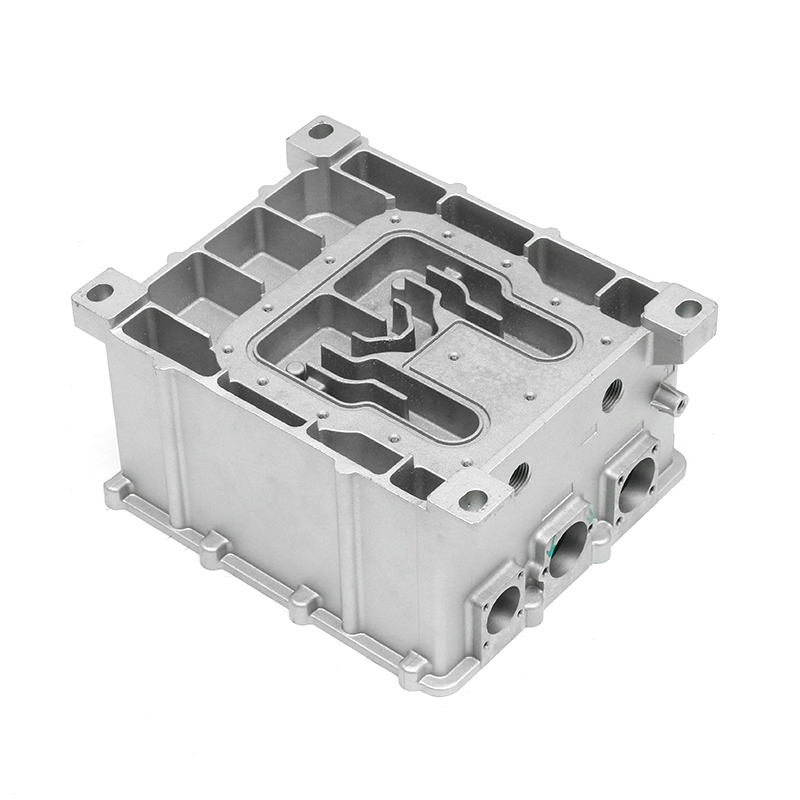
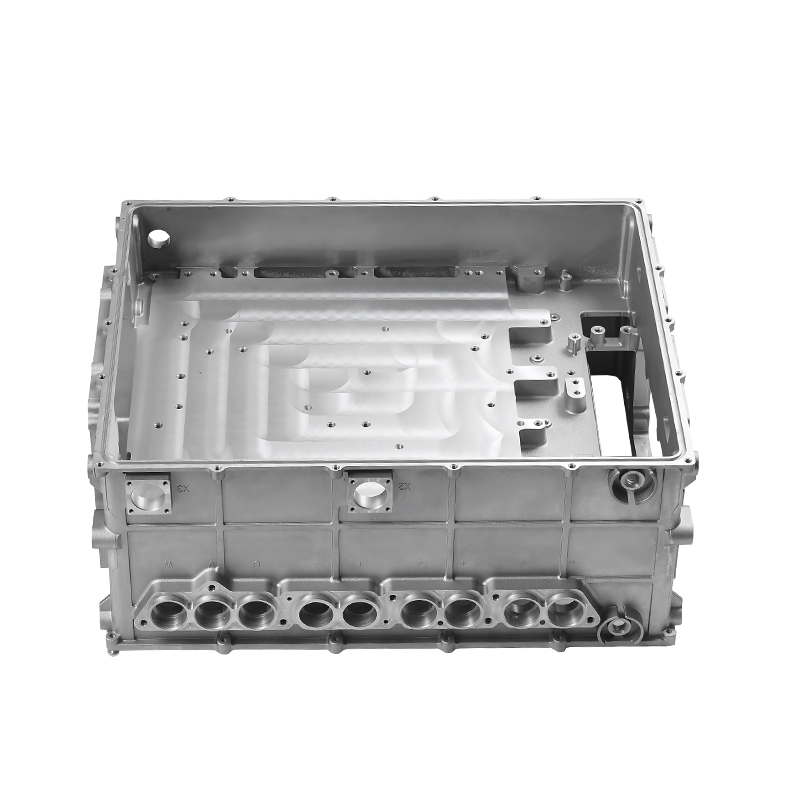
Active cooling systems are often employed in high-performance motors that generate significant amounts of heat during operation. These systems are designed to improve the efficiency of heat transfer and keep the motor operating within an optimal temperature range. In new energy motors, active cooling may involve liquid cooling systems, which circulate coolant (usually a mixture of water and antifreeze) through channels embedded in the motor housing. This coolant absorbs the heat generated by the motor and carries it away, either to a heat exchanger or directly to the surrounding environment. The coolant can be pumped through the system using an electric pump, ensuring consistent and efficient cooling even under high-load conditions.
One of the main advantages of active cooling is its ability to provide precise temperature control. By actively regulating the flow of coolant, these systems can maintain the motor at a stable operating temperature, preventing overheating. This is particularly important in applications where the motor is subjected to fluctuating loads or high speeds, such as in electric vehicles, industrial machines, or power generation systems. Active cooling systems can also be designed to cool specific areas of the motor that are more prone to heat buildup, such as the windings or rotor, ensuring that the entire motor remains within safe temperature limits.
Components of Active Cooling Systems
Active cooling systems in new energy motors consist of several components that work together to remove heat from the motor housing. These components may include pumps, heat exchangers, coolant reservoirs, and sensors. The pump is responsible for circulating the coolant through the system, while the heat exchanger dissipates the absorbed heat to the surrounding environment. In some cases, the coolant may be directed through a radiator or air-cooled heat exchanger to release the heat more effectively. Sensors are used to monitor the motor’s temperature and adjust the flow of coolant as needed to maintain the optimal temperature range. This helps to prevent the motor from overheating and ensures efficient performance during prolonged operation.
Active cooling systems are generally more complex and expensive than passive cooling systems. They require additional components, such as pumps, radiators, and thermostats, which add to the overall cost and complexity of the motor. Moreover, these systems require a power source to operate the cooling components, which can affect the overall energy efficiency of the system. However, in high-performance applications where heat generation is a concern, the benefits of active cooling in terms of performance and longevity may outweigh the added costs and complexity.
Passive Cooling in New Energy Motors
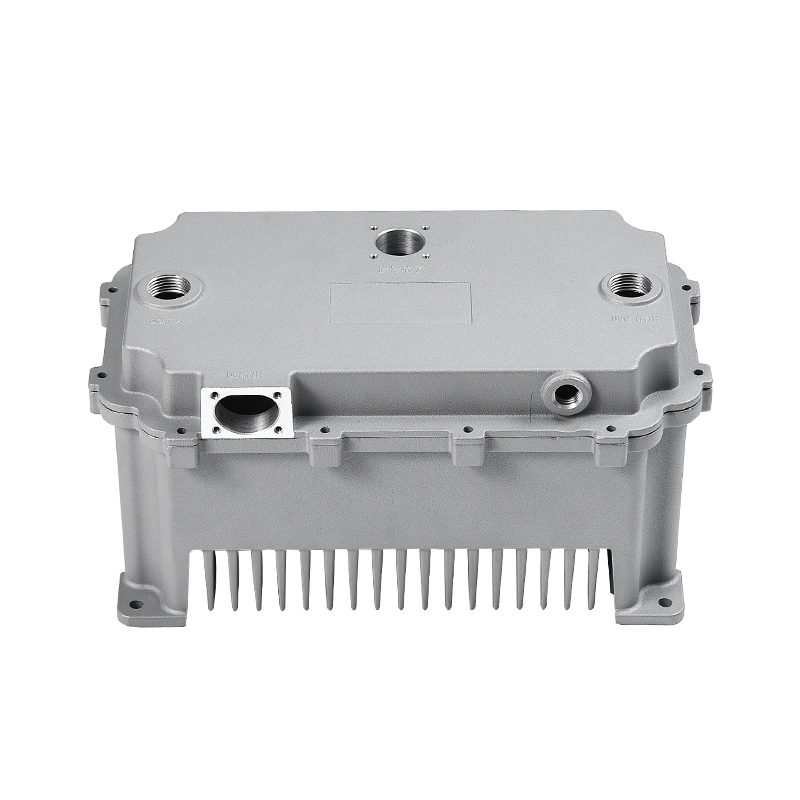
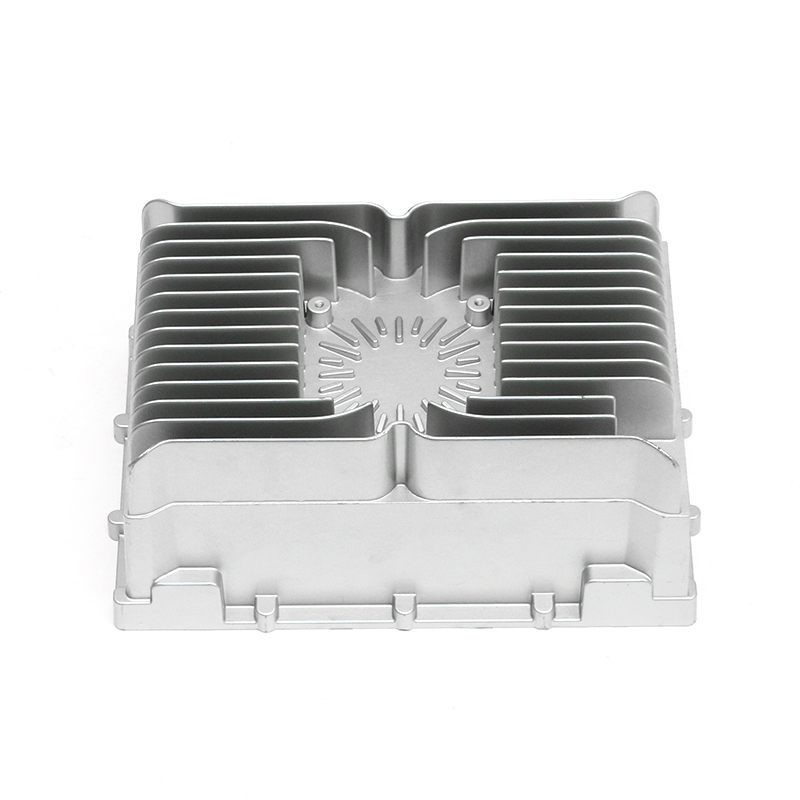
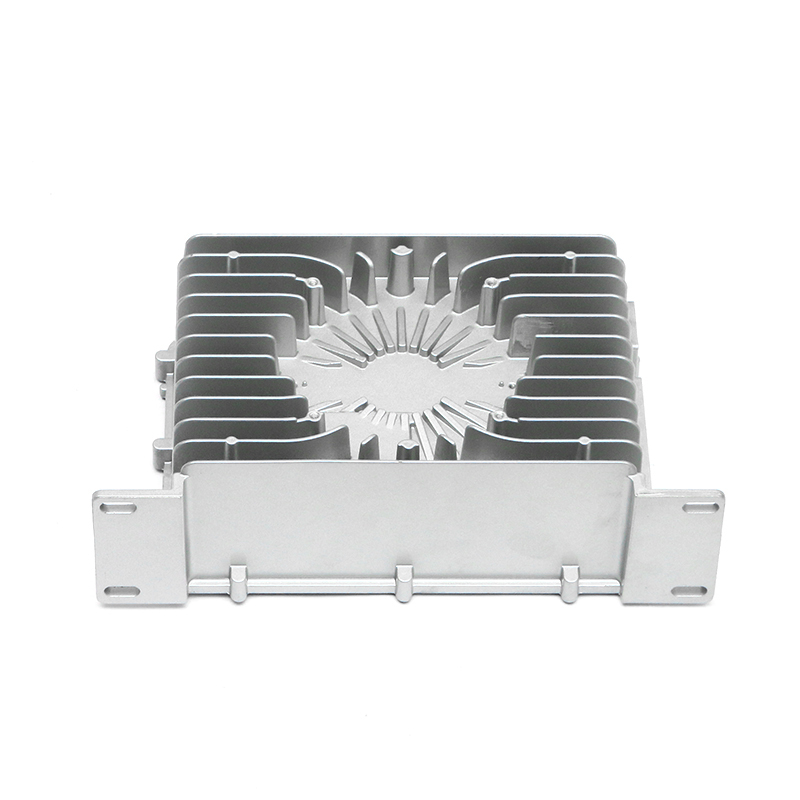
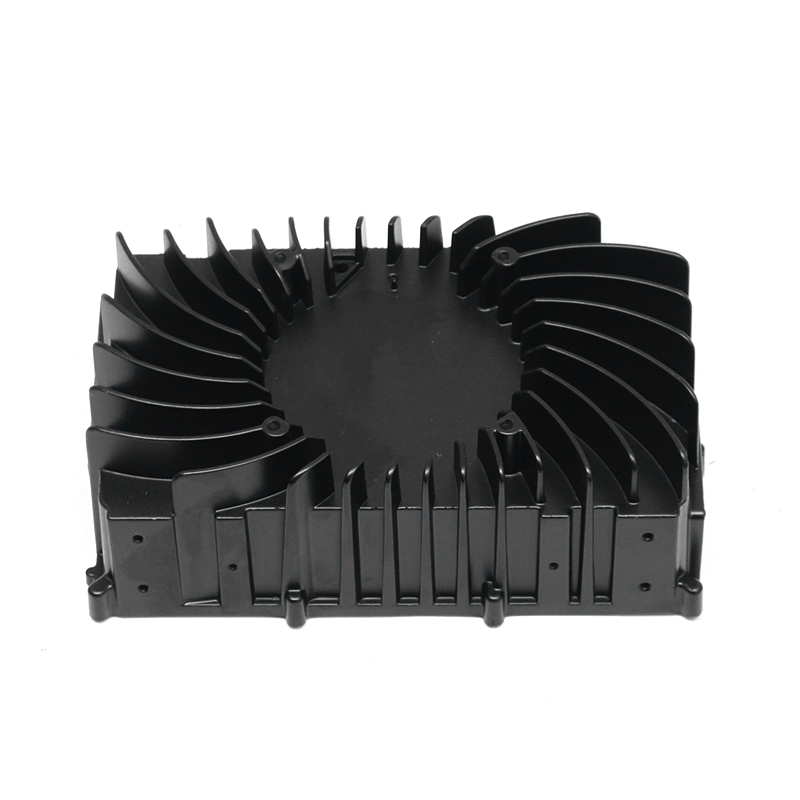
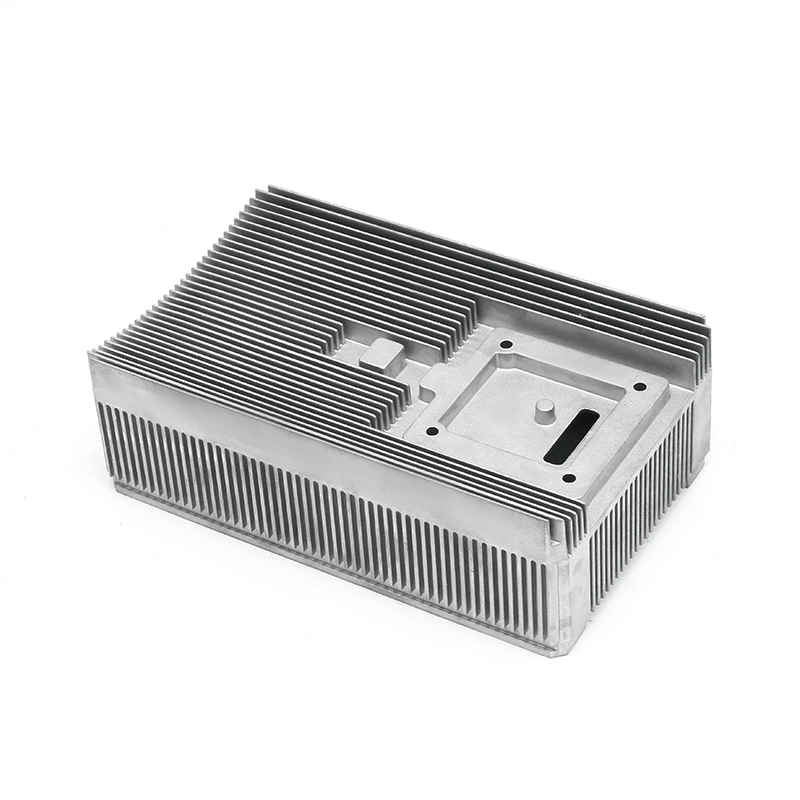
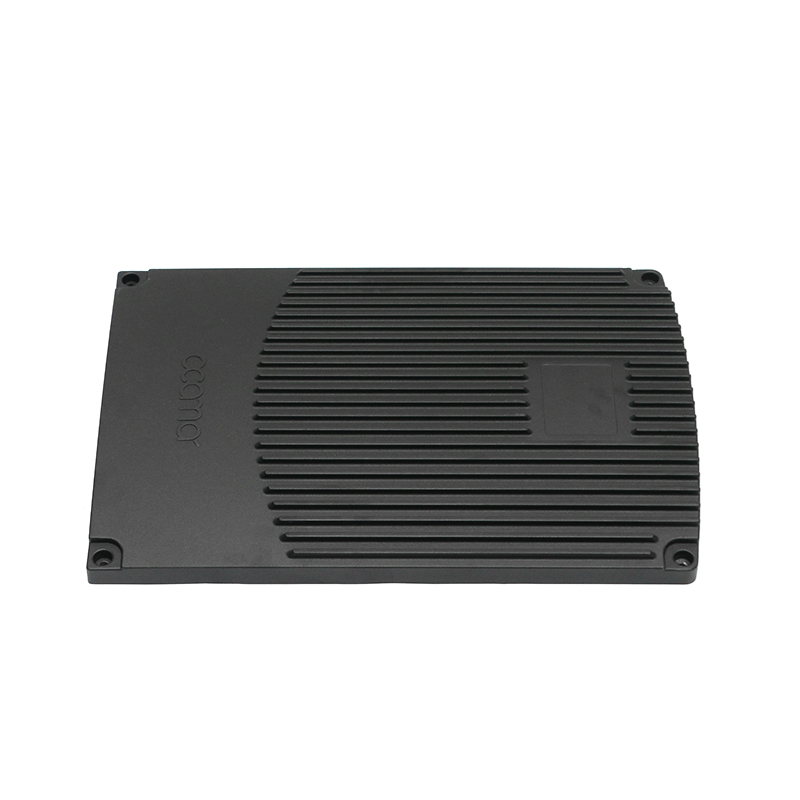
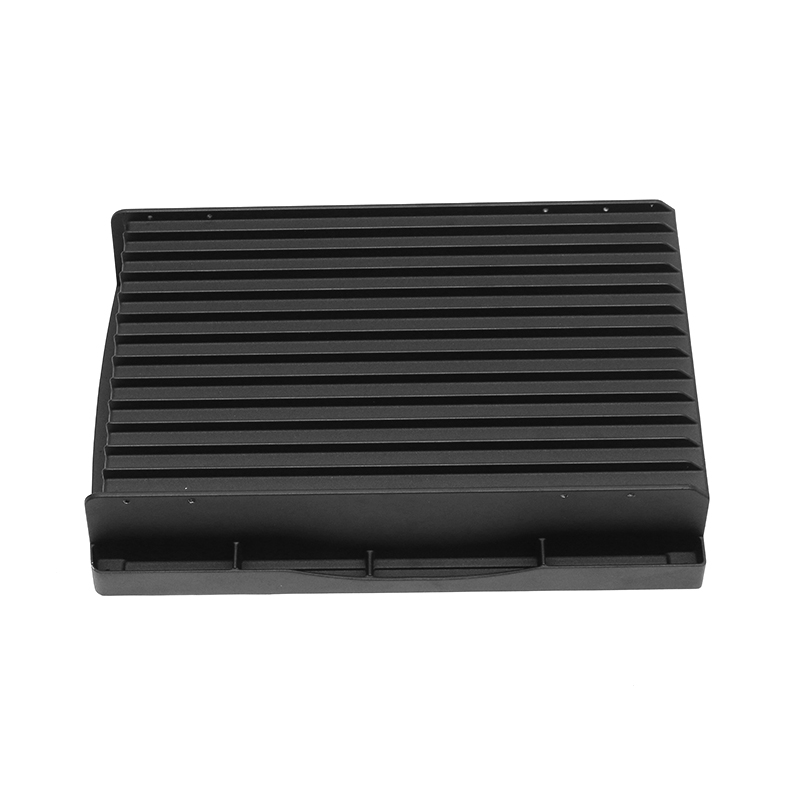
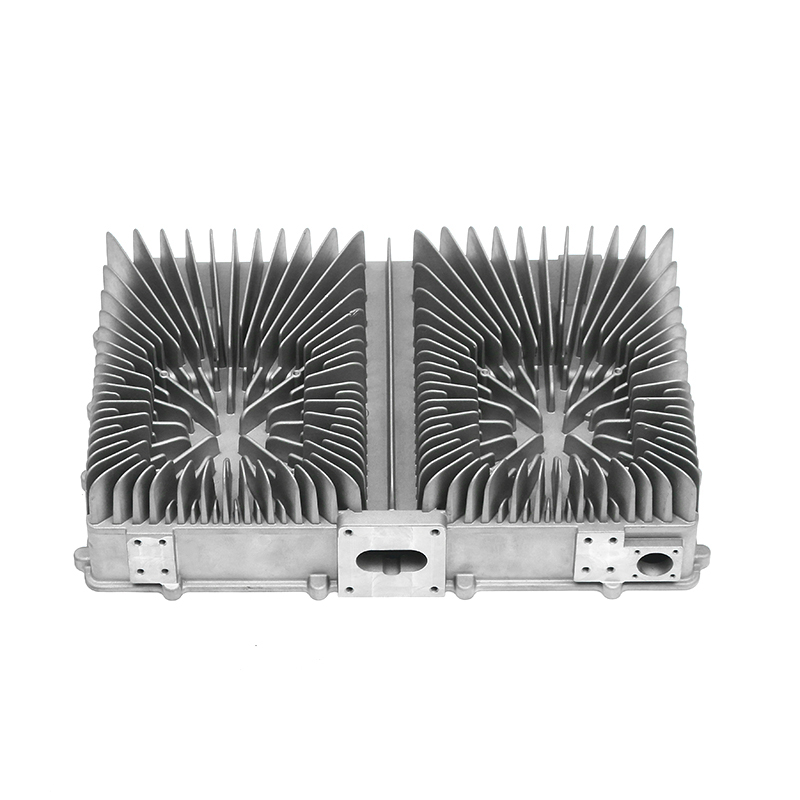
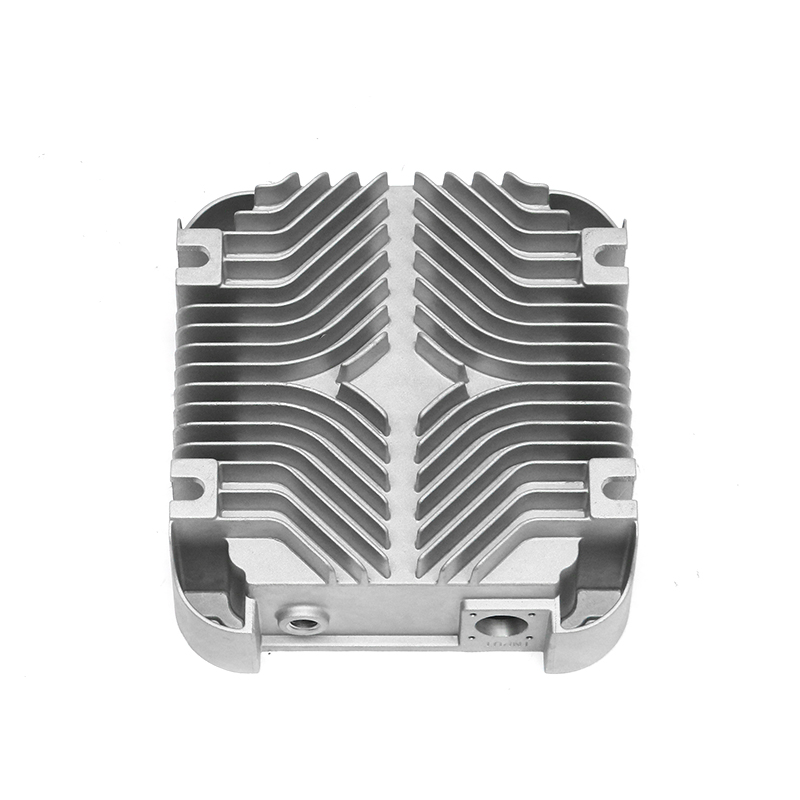
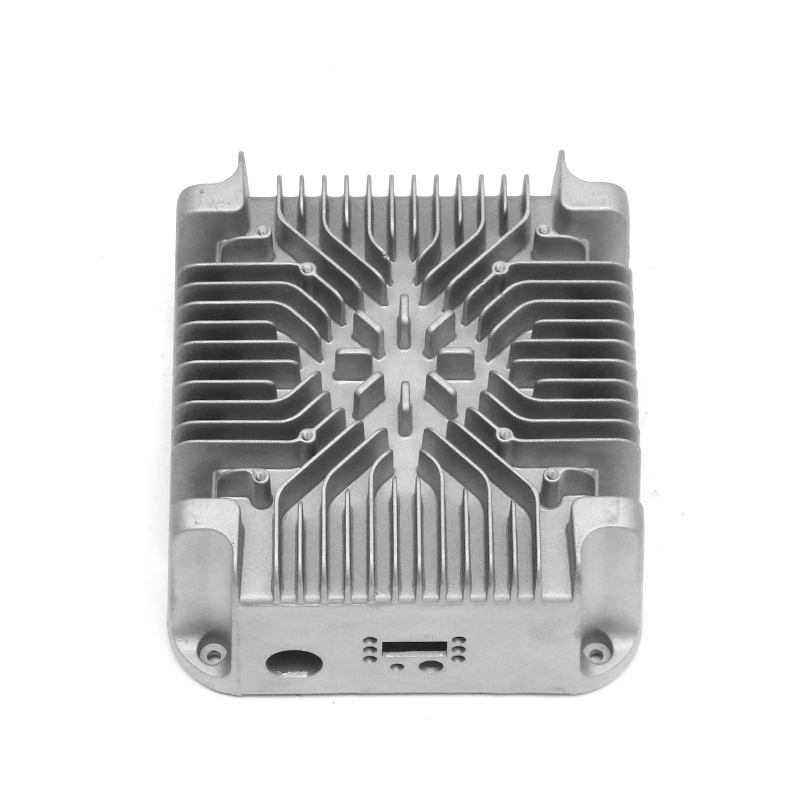
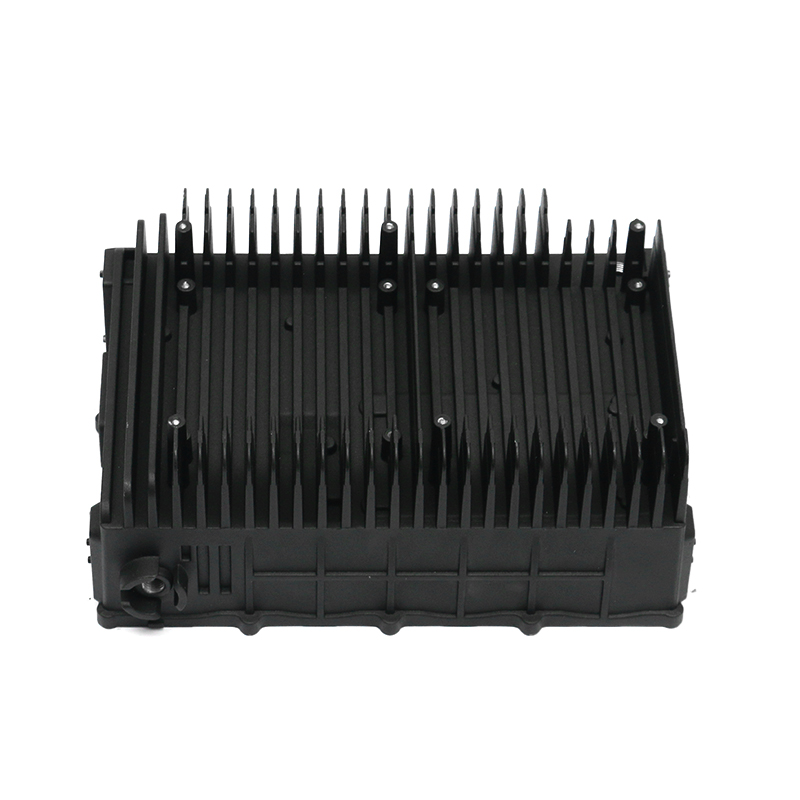
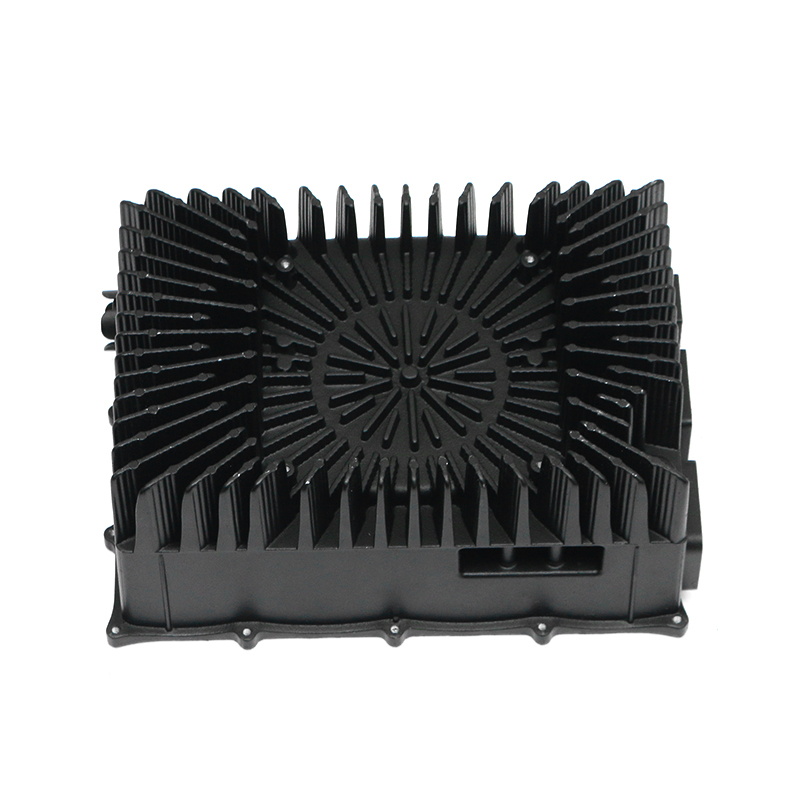
In contrast to active cooling, passive cooling systems rely on natural processes to manage the heat generated by the motor. These systems do not require external energy sources and instead use heat dissipation techniques such as conduction, convection, and radiation to maintain the motor’s temperature within acceptable limits. The most common form of passive cooling is the use of heat sinks, which are attached to the motor housing to increase the surface area available for heat dissipation. Heat sinks absorb heat from the motor and release it into the surrounding air. The greater the surface area of the heat sink, the more effective it is at transferring heat away from the motor.
Another example of passive cooling is the use of natural convection, where hot air rises from the motor housing and is replaced by cooler air. In this case, the motor housing is designed with vents or openings that allow air to flow freely around the motor, enhancing the natural cooling effect. Passive cooling systems are often used in applications where the motor operates at lower power levels or where the environment is already conducive to cooling, such as in outdoor or open-air installations. These systems are typically simpler, less expensive, and more energy-efficient than active cooling systems, but they may not be as effective in situations where high performance and heat management are critical.
Advantages and Limitations of Passive Cooling
Passive cooling systems offer several advantages over active systems, particularly in terms of simplicity and cost. Because they do not require pumps, fans, or other active components, passive cooling systems are generally less expensive to design and maintain. They also consume less power since they do not rely on additional energy sources, making them more energy-efficient overall. For motors that generate relatively low heat or operate in cooler environments, passive cooling can be an effective and economical solution for temperature management.
However, passive cooling has its limitations. The effectiveness of passive cooling is heavily dependent on the motor’s operating conditions, the ambient temperature, and the motor’s design. In high-power applications, such as electric vehicles or industrial machinery, passive cooling may not provide sufficient heat dissipation, leading to the risk of overheating. In these cases, passive cooling may need to be combined with active cooling methods to achieve optimal temperature control. Additionally, passive cooling is less precise than active cooling, as it relies on natural heat transfer mechanisms that cannot be easily adjusted or regulated.
Hybrid Cooling Systems: Combining Active and Passive Methods
Many new energy motors, particularly those used in high-performance applications like electric vehicles, employ hybrid cooling systems that combine both active and passive cooling techniques. This approach seeks to leverage the advantages of both methods to provide more effective and efficient heat management. For example, a motor housing may feature heat sinks or natural convection for passive cooling, while also incorporating a liquid cooling system or fans for active cooling when higher temperatures are reached. The combination of active and passive cooling allows for better temperature regulation, with passive systems handling low- to moderate-heat conditions and active systems intervening when higher cooling demands arise.
Hybrid systems are particularly useful in applications where the motor is subjected to varying loads or where environmental conditions fluctuate. For instance, in electric vehicles, the motor may experience periods of intense heat during acceleration or extended driving, but a passive cooling system may be sufficient during periods of idle or low-speed driving. By combining both cooling methods, manufacturers can design systems that are both efficient and capable of handling a wide range of operating conditions, improving motor performance and longevity without the complexity and cost of a purely active system.
Design Considerations for Cooling Systems in New Energy Motors
The choice between active and passive cooling systems depends on several factors, including the motor’s power output, efficiency requirements, and operating conditions. High-performance motors, such as those found in electric vehicles, typically require more advanced cooling systems to manage the significant heat generated during operation. These motors often incorporate liquid cooling or air-cooled systems to prevent overheating and ensure consistent performance. On the other hand, smaller motors or those used in less demanding applications may only require passive cooling, such as heat sinks or natural convection, to maintain safe operating temperatures.
Design considerations also include the motor’s size and weight, as well as the overall energy efficiency of the system. Active cooling systems add complexity and weight to the motor housing, while passive cooling systems tend to be lighter and simpler. Therefore, the choice of cooling system must strike a balance between effective heat management and the desired performance characteristics of the motor.
Active or Passive Cooling in New Energy Motors
The decision to use active or passive cooling systems in new energy motors depends on the specific application, performance requirements, and environmental factors. Active cooling systems provide more precise and effective temperature control, making them ideal for high-performance motors or environments where heat generation is significant. Passive cooling systems, on the other hand, are simpler, more cost-effective, and energy-efficient, making them suitable for applications with lower power demands or more stable operating conditions. In many cases, a hybrid approach that combines both active and passive cooling may provide the best balance of performance, cost, and efficiency, ensuring that new energy motors operate safely and effectively under a wide range of conditions.