

 English
 русский
 عربى
عربى Deutsch
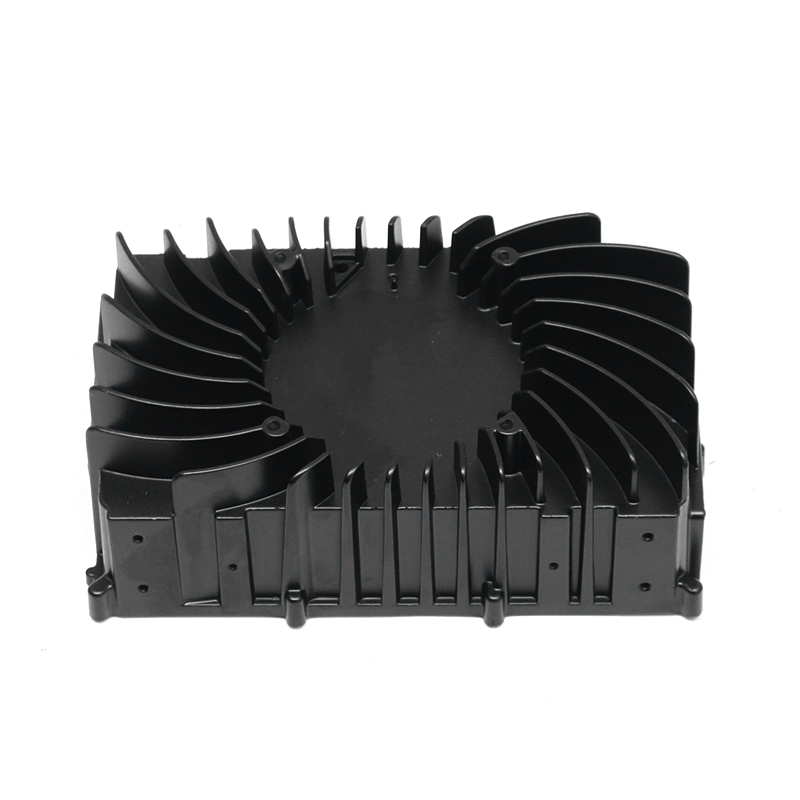
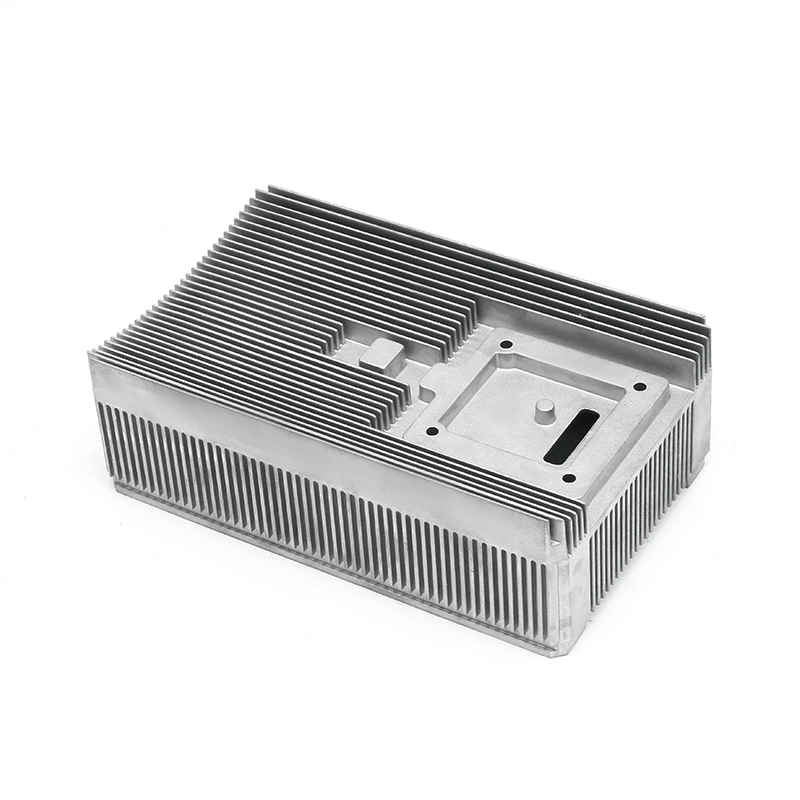
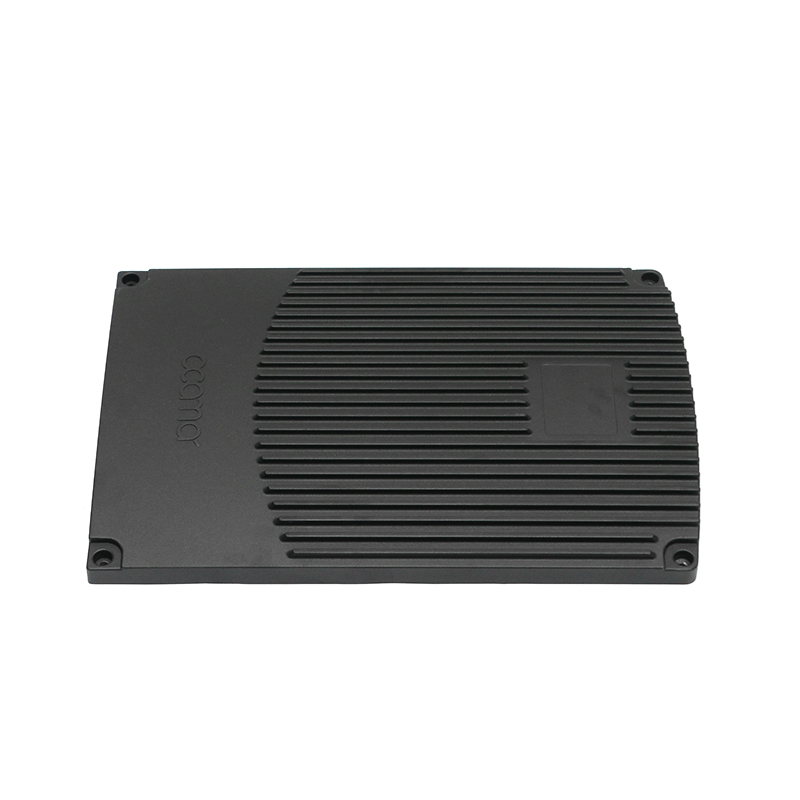
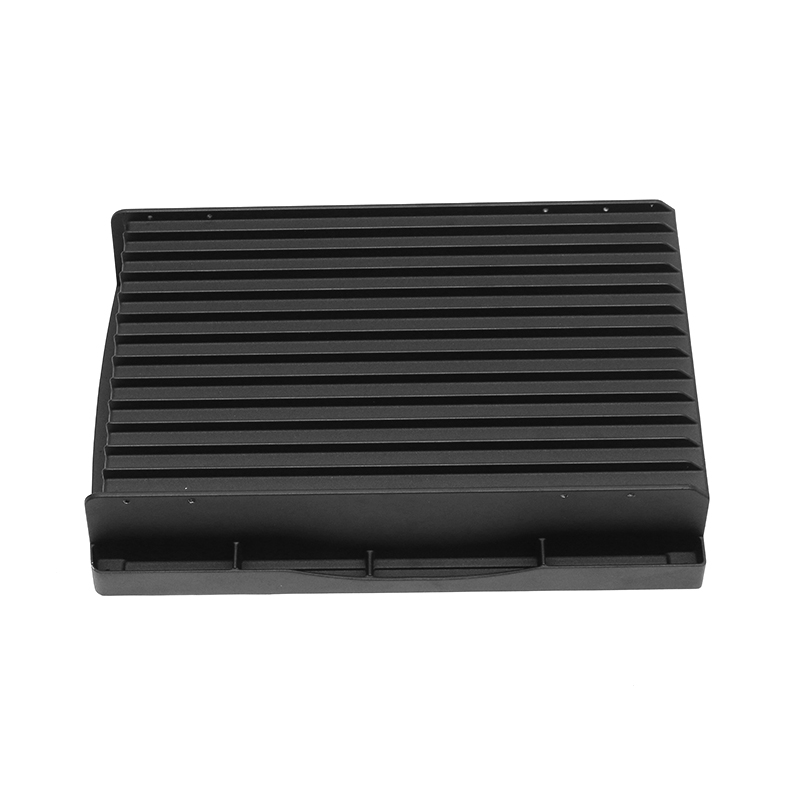
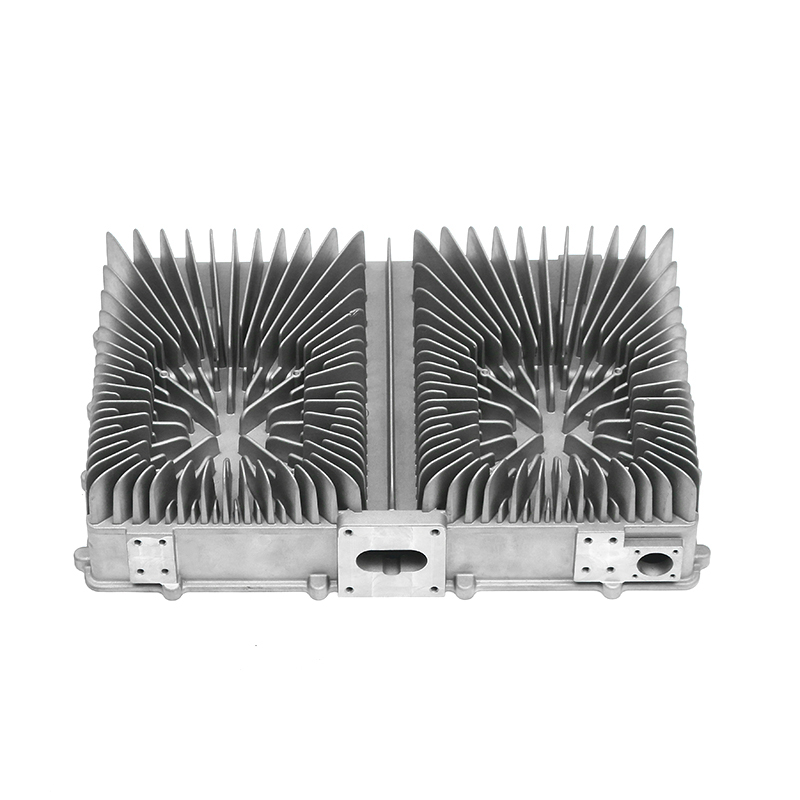
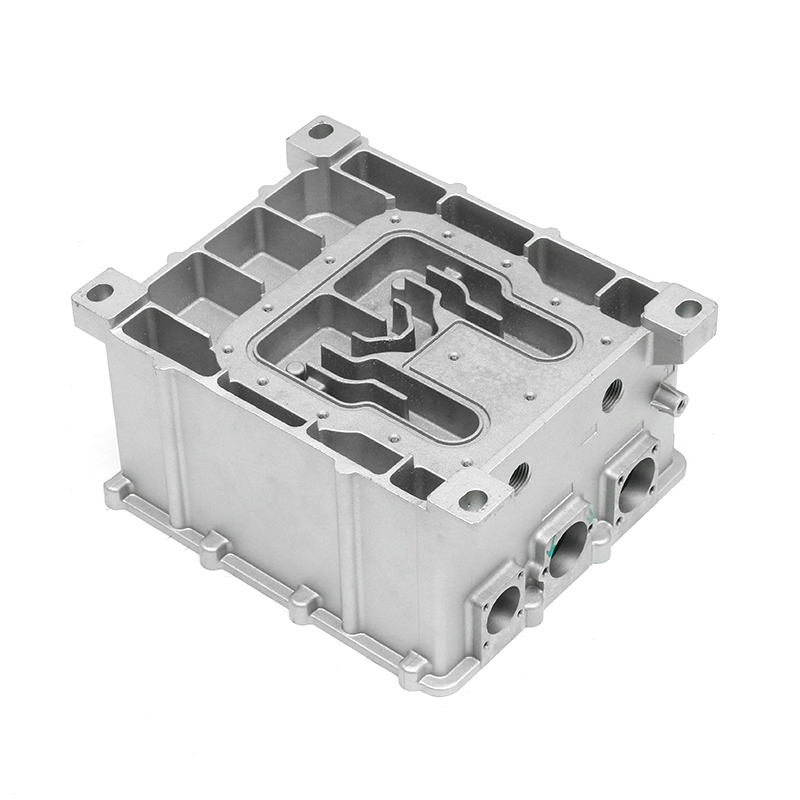
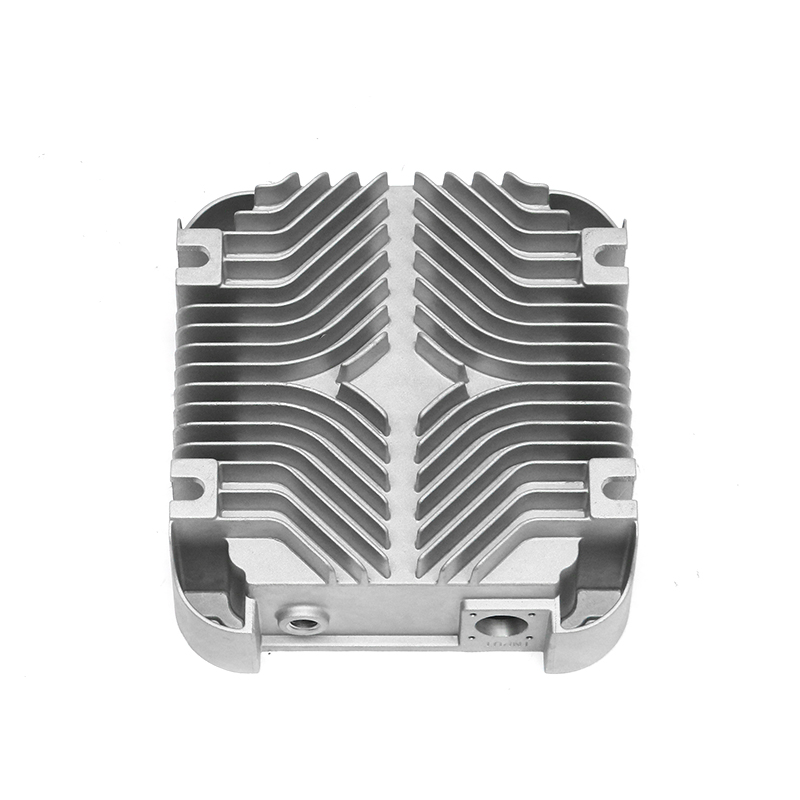
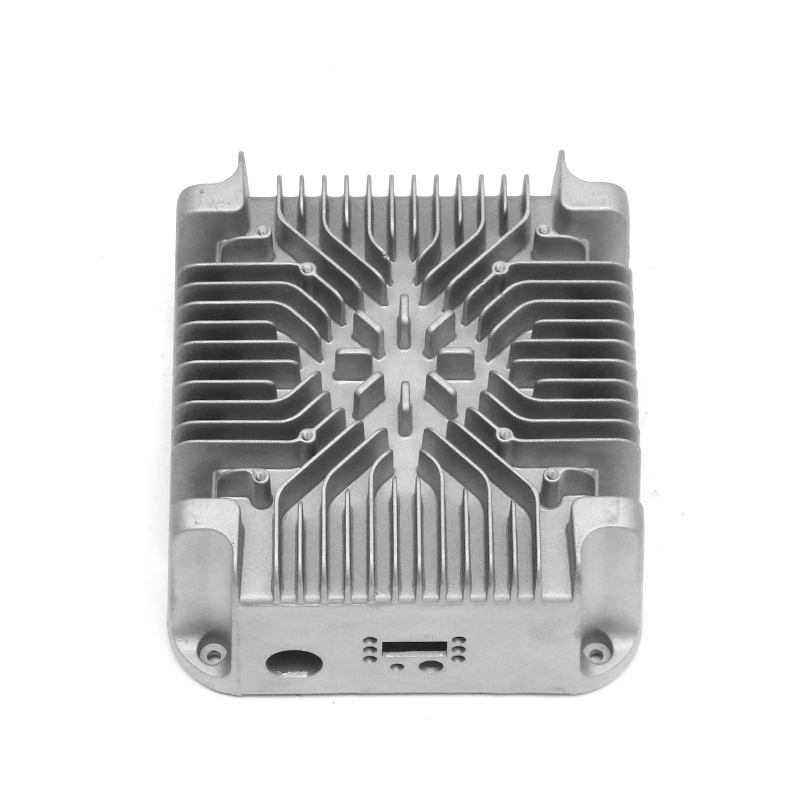
Achieving seamless flash removal, high-fidelity edge geometry, and consistent component repeatability in high-volume manufacturing depends entirely on the implementation of a precision trimming mold die casting workflow. Utilizing highly calibrated hydraulic trim presses paired with custom-hardened shearing dies allows production lines to cleanly slice away overfill, gating channels, and flash zones within a strict dimensional tolerance profile of ±0.05 millimeters. This automated mechanical processing method eliminates the need for slow, manual hand-grinding or secondary CNC profile milling, establishing a highly cost-effective path to mass-produce complex aluminum, magnesium, and zinc components for stringent automotive and aerospace structural applications.
Mechanical Shearing Principles and Clearance Optimization
The performance of a trimming mold is defined by the physics of metal shearing. Rather than burning or melting the excess metal away, a trim die uses concentrated mechanical shear stress to fracture the cast flash precisely along the desired parting line.
The Three Stages of the Mechanical Shear Transition
As the upper trim tool descends upon the cast component resting in the lower nest, the flash undergoes a rapid structural transformation across three distinct mechanical phases:
- Plastic Deformation: The cutting edge of the punch pushes into the soft cast flash, exceeding its elastic limit and causing the metal to flow permanently into the die clearance zone.
- Penetration and Burnishing: The steel edge forces its way deeper into the material thickness, creating a smooth, shiny, burnished band along the perimeter of the cast part.
- Micro-Fracturing: Internal shear stresses exceed the ultimate tensile strength of the casting alloy, causing micro-cracks to initiate from both the top and bottom cutting edges. These cracks meet instantly, cleaving the flash away cleanly.
The Importance of Critical Cutting Clearance Calculation
The physical gap between the upper punch and the lower die plate—known as the cutting clearance—is the single most important parameter in tool design. This clearance must be precisely adjusted based on the thickness and structural ductility of the casting alloy. For standard aluminum die castings (such as A380 or ADC12), the optimal one-sided clearance typically ranges between 5% and 8% of the flash wall thickness.
If the clearance gap is engineered too narrow, the opposing micro-cracks will misalign and miss each other, forcing the tool to shear through the material twice. This increases the mechanical tonnage requirements, accelerates edge wear, and leaves a ragged secondary burr. Conversely, if the clearance is too wide, the metal is dragged downward instead of shearing, creating a heavily rolled edge profile and excessive flashing that requires manual deburring.
Tool Steel Metallurgy and Advanced Hardening Configurations
Precision trim molds operate under severe conditions, facing thousands of raw impacts every shift. This environment subjects the tools to aggressive abrasive wear from hard silicon crystals embedded inside die-cast alloys, demanding premium metallurgy.
Alloy Selection: Premium Cold-Work vs. Hot-Work Steels
To prevent premature chipping, edge deformation, and catastrophic stress splitting, tool designers choose high-alloy tool steels tailored to specific production line speeds:
- AISI D2 Tool Steel: A high-carbon, high-chromium cold-work steel containing large concentrations of hard chromium carbides. It offers exceptional abrasive wear resistance and is typically hardened to a target range of 58 to 61 HRC. It is ideal for high-volume zinc and standard aluminum cold-trim applications.
- AISI H13 Tool Steel: A chromium-molybdenum hot-work steel featuring high structural toughness and resistance to thermal shock. When components are trimmed hot immediately after leaving the die casting machine to save cycle time, H13 hardened to 46 to 50 HRC prevents thermal cracking along the cutting blades.
- Powder Metallurgy Steels (e.g., CPM 10V): Utilized in high-load areas where severe gating channels exceed 6 millimeters in thickness. The uniform carbide distribution prevents localized edge chipping under high impact loads.
Surface Engineering Treatments and Friction Control
To minimize aluminum pickup and soldering—where soft cast metal chemically bonds to the exposed tool steel under high pressure—the cutting faces undergo advanced surface treatments. Applying a Physical Vapor Deposition (PVD) Titanium Alumide Nitride (TiAlN) coating provides a hard protective barrier measuring up to 3,000 HV.
This ultra-hard coating drops the surface friction coefficient down below 0.40, allowing the trim punch to slide cleanly through the casting without dragging material. This treatment extends the operational lifespan of the tool blades by up to 300% before sharpening is required.
Technical Material Performance Matrix
The following matrix compares mechanical properties, cutting behaviors, and trimming tool parameters across the three primary families of die-cast metals under high-volume manufacturing runs.
| Cast Alloy Class | Typical Brinell Hardness (HB) | Optimal Die Clearance Ratio | Preferred Punch Tool Steel | Shear Edge Wear Mechanism |
|---|---|---|---|---|
| Aluminum (e.g., A380/ADC12) | 80 – 90 HB | 5.0% – 8.0% of flash thickness | AISI D2 / Vanadis 4 | Severe Silicon Abrasion & Soldering |
| Magnesium (e.g., AZ91D) | 65 – 75 HB | 3.0% – 5.0% (Brittle Cleavage) | AISI D2 / DC53 | Micro-Chipping from Brittle Fracture |
| Zinc (e.g., Zamak 3) | 65 – 82 HB (High Ductility) | 0.0% – 2.0% (Tight Interface) | AISI O1 / Air-Hardened A2 | Low Wear (Mainly Adhesion Drag) |
Structural Component Design Architecture and Alignment Systems
Even the hardest tool steel will fail if the upper punch and lower die plates shift out of alignment during the press stroke. Trim molds incorporate heavy-duty guiding systems to ensure absolute structural stability.
Four-Post Die Sets with Ball-Bearing Guide Bushings
To isolate the cutting edges from the natural side-play of a hydraulic press ram, precision trim molds are built on dedicated four-post die sets. The upper shoe and lower die holder are aligned using thick hardened steel guide pillars matching high-precision pre-loaded ball cages.
This physical guiding setup keeps parallel concentricity alignment locked within a strict limit of 0.01 millimeters throughout the entire stroke. This rigidity prevents the upper blades from shifting sideways and striking the lower die blocks, protecting the tool from catastrophic chipping and extending blade life.
Component Nesting Support and Pad Extraction Mechanics
When a complex casting faces intense downward trim forces, the component can warp or twist if it is not supported correctly. Lower die beds feature custom-contoured 3D nesting blocks milled to perfectly mirror the internal geometry of the cast part:
- Conforming Bed Pillars: Support thin-walled structural casting zones to absorb the local shearing force without letting the parent metal flex or sag.
- Spring-Loaded Pressure Strippers: Hold the component firmly inside the nest as the punch descends, and then push the finished part upward as the tool retracts, ensuring easy extraction.
- Integrated Scrap Discharge Chutes: Large openings engineered underneath the shear perimeter let severed flash drop freely onto waste conveyors, preventing loose scrap from stacking up and crushing the tool faces on the next cycle.
Field Troubleshooting Protocols and Proactive Maintenance Diagnostics
Maintaining a high-speed automated trim line requires rigorous preventative maintenance routines and systematic troubleshooting procedures to correct component defects before they cause downtime.
Correcting Excessive Fracture Burr Defects
A common issue encountered during quality control inspection is the appearance of a tall, sharp metal burr along the sheared edge of the component. This defect indicates that the cutting blades have degraded and are no longer generating clean fractures.
To resolve this defect, toolroom technicians use a precise diagnostic sequence:
- Pull the trim mold from the press bed and inspect the cutting radii under an optical microscope.
- If the cutting edge radius has rounded past 0.3 millimeters due to abrasive wear, mount the tool blocks onto a surface grinder to remove the worn material and restore a sharp edge.
- Measure the remaining tool dimensions to ensure the grinding process has not expanded the critical cutting clearance past the maximum 8% threshold, which would cause the burr defect to return.
Preventing Component Distortion via Parting-Line Shimming
Over extended manufacturing runs, repeated clamping impacts can compress the lower nesting pillars, causing the component to sit slightly crooked inside the die bed. This misalignment forces the punch to strike the cast part unevenly, warping thin-walled features.
Maintenance teams prevent this distortion by executing weekly dial-indicator laser scans across the die face. If any sector registers a height deviation greater than 0.03 millimeters, technicians place precision steel shims beneath the support nests to restore a perfectly level profile, ensuring uniform shear forces and keeping the trimmed components straight and true.