

 English
 русский
 عربى
عربى Deutsch
The Essential Role of Precision Trimming in High-Yield Die Casting
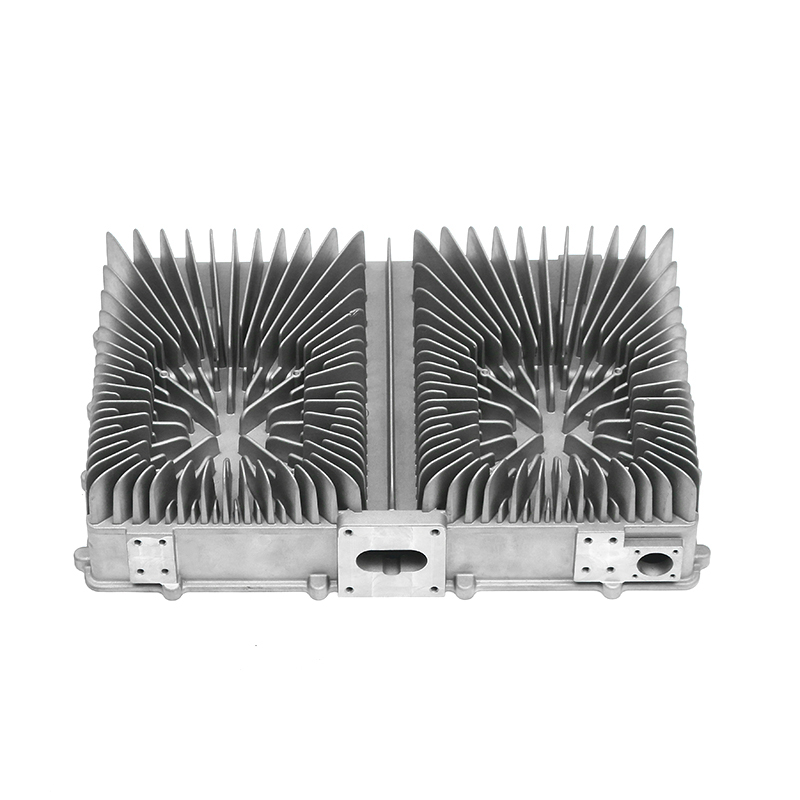
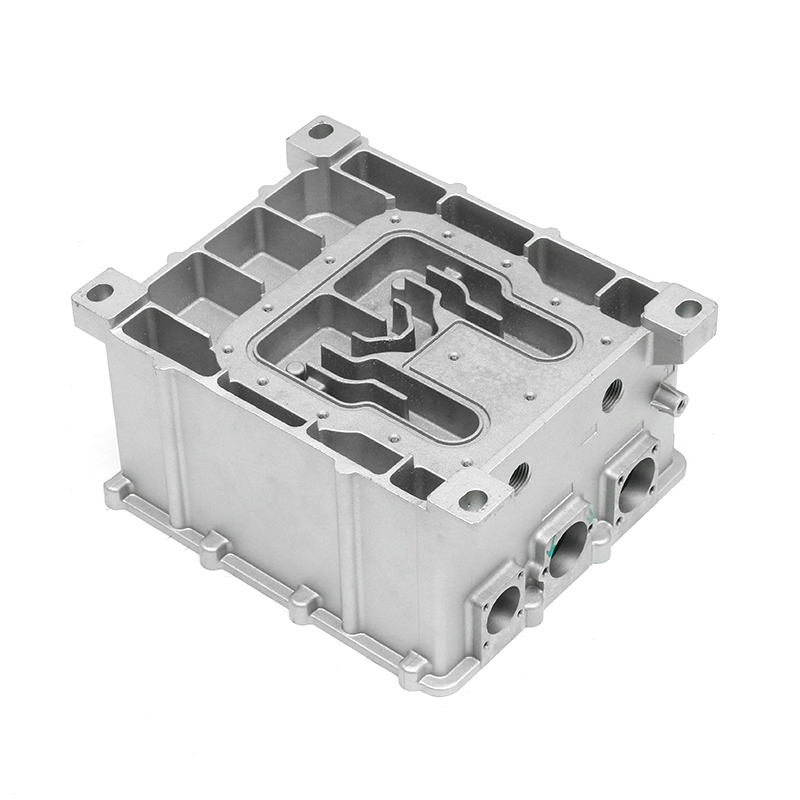
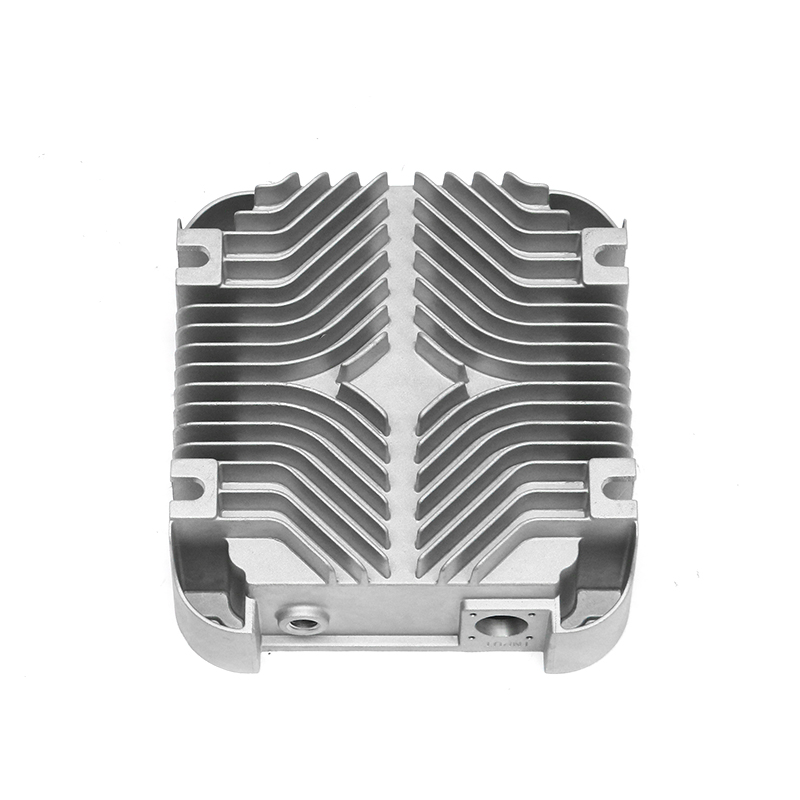
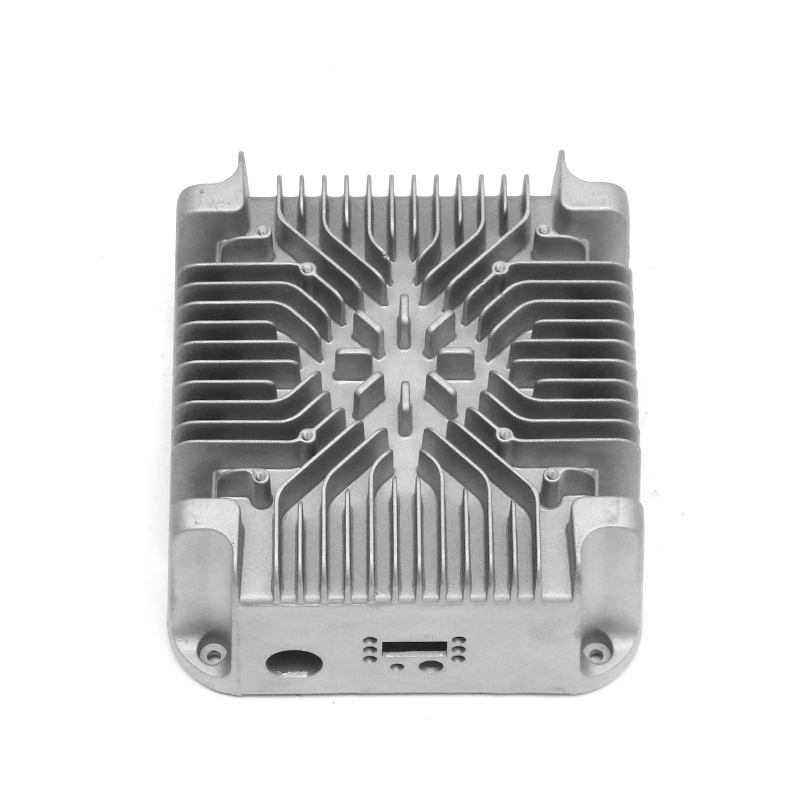
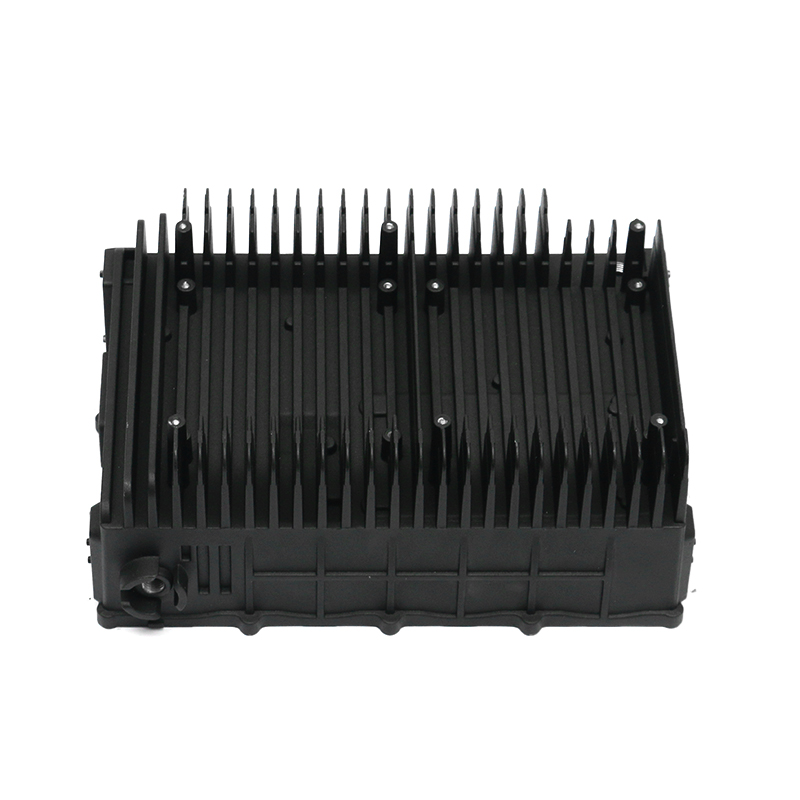
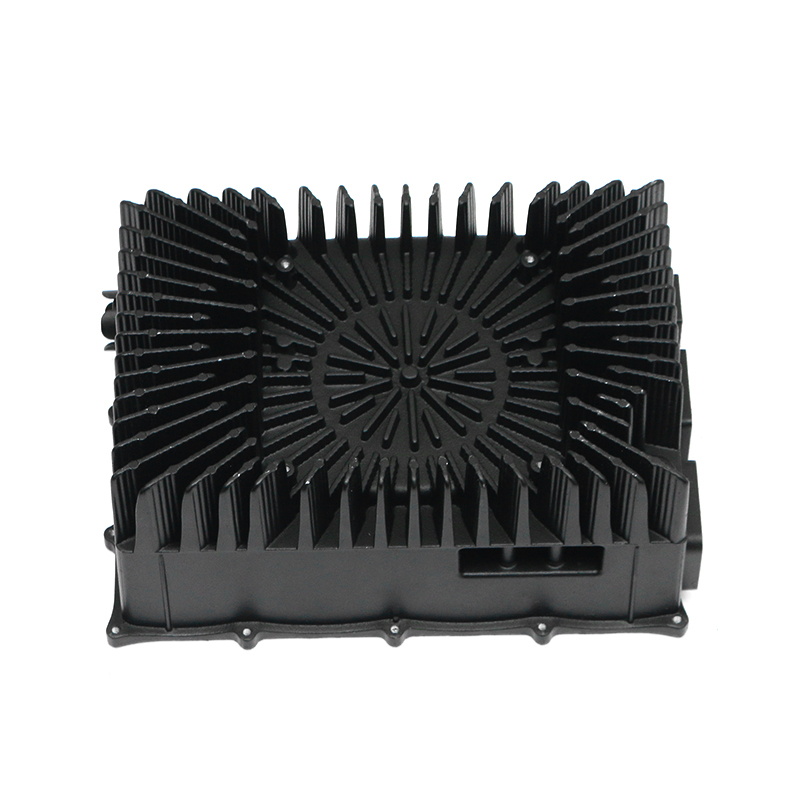
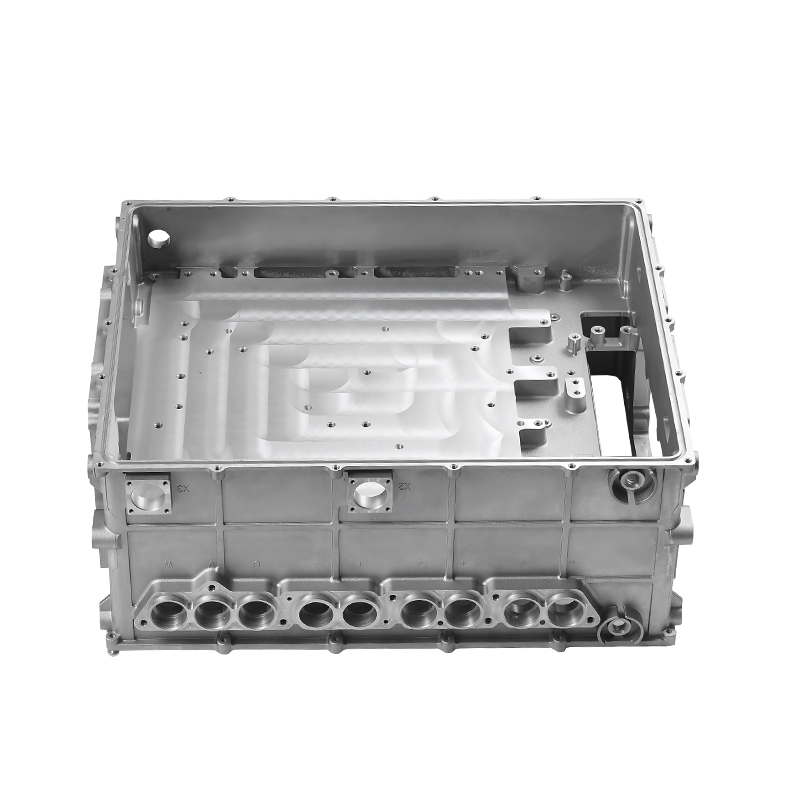
Implementing a dedicated precision trimming mold die casting workflow provides an uncompromising mechanical solution for removing excess flash, runners, and overflow gates from cast metal components immediately following solidification. By engineering high-tolerance shearing dies that close along the exact geometric parting line of the cast part, this mechanical process completely removes the need for manual grinding, CNC profiling, or secondary hand-finishing operations. This integrated approach establishes a highly predictable production cycle that guarantees dimensional consistency within plus or minus 0.05mm across production volumes exceeding 100,000 cycles, drastically reducing labor overhead while accelerating throughput in automated automotive, aerospace, and electronics casting lines.
In modern high-pressure die casting foundries, non-ferrous alloys such as aluminum, zinc, and magnesium are injected into tool steel cavities under intense pressure. This high-velocity injection forces molten metal into the vents and parting seams of the main die, inevitably creating an peripheral perimeter of metal flash. If this excess material is not cleanly sheared away, it can alter assembly mating planes, cause structural stress concentrations, and compromise the aesthetics of the finished piece. Utilizing a dedicated trimming press configured with precision-ground steel blades rather than relying on manual bandsaws or abrasive deburring wheels ensures absolute edge clean-up, keeping micro-fissures and edge deformation from damaging critical structural cast components.
Metallurgical Tooling Profiles and Micro-Gap Engineering
The mechanical efficiency of a precision trimming mold depends on the selection of its tool steel matrix and the calculated alignment gap between the upper punch and the lower die plate. Incorrect spacing or soft tool alloys can lead to premature edge dulling and part distortion.
High-Chromium Cold Work Tool Steels
The shearing edges of a trimming mold face continuous impact stress and abrasive friction against hard cast metal alloys. Premium trimming tools are machined from premium cold-work tool steels like D2 or Cr12MoV, which are vacuum heat-treated to a hardness of 58 to 62 Rockwell C (HRC). This high concentration of chromium carbides provides remarkable resistance against adhesive wear and prevents micro-chipping along the cutting boundary when striking tough aluminum alloys.
The Shearing Clearance Formula Dynamics
To achieve a clean fracture without creating secondary burrs, engineers calculate the exact punch-to-die clearance based on the alloy type and the flash thickness profile. This clearance is typically maintained at 5% to 10% of the total flash thickness. If the gap is too narrow, it creates high friction that leads to localized galling and premature tool wear; if it is too wide, the cast alloy undergoes plastic deformation and bends instead of breaking, leaving an uneven, distorted edge that requires costly secondary manual filing.
Comparative Post-Processing Analysis: Mechanical Trimming Dies vs. Secondary CNC Machining vs. Manual Deburring
Selecting the optimal trimming infrastructure requires evaluating long-term tool maintenance costs, cycle speeds, and part dimensional accuracy. The table below outlines a comparison between the three primary post-casting flash removal methods used in heavy manufacturing.
| Technical Factor Profile | Precision Trimming Mold Platform | Multi-Axis CNC Milling Station | Manual Hand-Deburring Line |
|---|---|---|---|
| Average Cycle Duration Per Part | 2.5 - 5.0 Seconds (Single Press Stroke) | 45.0 - 180.0 Seconds (Path Tool Travel) | 60.0 - 300.0 Seconds (Highly Variable) |
| Geometric Dimensional Repeatability | High (Fixed Metal Parting Blade) | Exceptional (Coordinate Drive Driven) | Poor (Highly Dependent on Operator Fatigue) |
| Initial Capital Tooling Expenditure | High (Custom CNC Wire EDM Die Costs) | Moderate (Standardized Fixturing Clamps) | Minimal (Hand Tools and Grinders Only) |
| Scrap Metal Recovery Efficiency | Absolute (Solid Scrap Re-melts Immediately) | Moderate (Fine Swarf and Chips Require Melting) | Poor (Airborne Dust and Fine Flakes Lost) |
| Consumable Replacement Lifecycle | Long (100,000+ Cycles before Sharpening) | Short (Endmills and Carbide Burrs Wear Quickly) | Short (Sanding Disks and Blades Wear Out Daily) |
The empirical tool data highlights a clear division in production optimization. While mechanical trimming molds require a higher upfront investment for custom manufacturing, their operational advantages are clear for medium to high-volume casting runs. CNC mills offer high accuracy but create long bottlenecks that slow down automated casting cycles. Manual deburring requires low setup costs but introduces human error, high labor expenses, and creates safety hazards from metal dust and flying debris.
Mechanical Component Integration and Guided Die Kinematics
A high-performance precision trimming mold functions as an intricate mechanical assembly, featuring specialized internal components designed to locate the raw casting and eject scrap smoothly.
- Cast Positioning Profiling Blocks: Located on the lower die bed, these custom-contoured nests match the reverse geometry of the casting. They stabilize the part during downstrokes, preventing lateral shifting that can cause gouging or uneven trimming.
- Spring-Loaded Stripper Plates: Mounted alongside the upper shearing punches, these heavy-duty plates apply uniform downward force to hold the casting flat before the cutting blades engage. As the press retracts, the plates push the sheared component off the tool steel teeth, preventing part sticking.
- Precision Ball-Bearing Guide Pillars: To maintain strict micrometer alignments between the upper and lower halves, trimming molds incorporate hardened guide posts running inside precision linear ball bushings. This design absorbs side-loads, preventing blade collision and edge chipping.
Step-by-Step Tool Setup and Alignment Validation Protocol
Because trimming molds handle intense mechanical forces, setting up the tooling assembly requires a strict calibration sequence to protect the die faces from premature wear.
- Press Bed Cleaning and Inspection: Clear all debris, old grease, and metal slivers from the hydraulic or mechanical press bed. Check that both mounting planes are perfectly level to prevent angular distortion when clamping down the tool assembly.
- Lifting and Locating the Closed Die Set: Keep the upper and lower tool halves locked together using the factory transit bars, and lower the assembly onto the press bolster plate. Center the tool beneath the hydraulic ram using the pre-drilled locating slots.
- Securing the Upper and Lower Platens: Bolt the upper die shoe securely to the moving press ram using high-tensile fasteners tightened with a torque wrench. Next, anchor the lower die base to the bottom bed plate while leaving the bolts slightly loose to allow for final alignment tuning.
- Manual Inch-Down Alignment Check: Remove the transit safety bars and shift the press to manual setup mode. Slowly inch the upper ram down until the punches just begin to enter the lower die cavities. Check the peripheral gap around the cutting edges using a precision feeler gauge to ensure it matches specified clearance tolerances.
- Final Fastener Torquing and Hydrostatic Dry Run: Tighten all lower anchoring bolts to full engineering specification. Run the press through at least 10 complete dry strokes at full production speed, checking with optical sensors to verify that the guide pillars slide smoothly without catching before loading raw castings.
Mitigating Operational Defects and Managing Material Stress
Maintaining edge quality over long production runs requires careful operational control to monitor tool temperature and spot part defects early.
Preventing Edge Deformation and Deformation Fractures
When ductile castings like zinc or warm aluminum alloys are trimmed, the metal can warp or roll along the edge instead of cutting cleanly. This rolling indicates that the blade clearance has widened or the cutting edges have dulled. To fix this, operators should check the blades for wear and run regular sharpening schedules using precision surface grinders, keeping tool radii below 0.15mm to ensure clean, sharp shearing action.
Managing Thermal Loading and Scrap Evacuation
Trimming components right out of the casting machine can transfer intense residual heat to the cutting blades, causing localized thermal expansion that alters critical clearance tolerances. This heat can cause the tool steel to soften and encourage metal galling, where cast alloy flakes weld themselves to the blade face. Integrating automated compressed-air cooling jets misted with synthetic lubricants helps clear heat from the die faces and blows away small scrap metal flakes, keeping debris from jamming the next trimming stroke.