

 English
 русский
 عربى
عربى Deutsch
A new energy motor housing that is 0.05 mm out of round will still bolt onto a stator. It will simply run louder at 12,000 rpm, weep coolant after a few hundred thermal cycles, or fail an end-of-line noise check that nobody can trace back to the casting. The housing holds the air gap, the bearing alignment and the coolant path inside one aluminium body, so those decisions are settled before the first tool is cut, not after.
The short version: most passenger-EV traction motor housings are high-integrity aluminium die castings in a weldable, heat-treatable alloy, cast on a vacuum-assisted machine, machined from a single datum scheme, and leak tested on every part. Each of those choices exists for a reason, and each one carries a different share of the cost.
What a New Energy Motor Housing Actually Has to Do
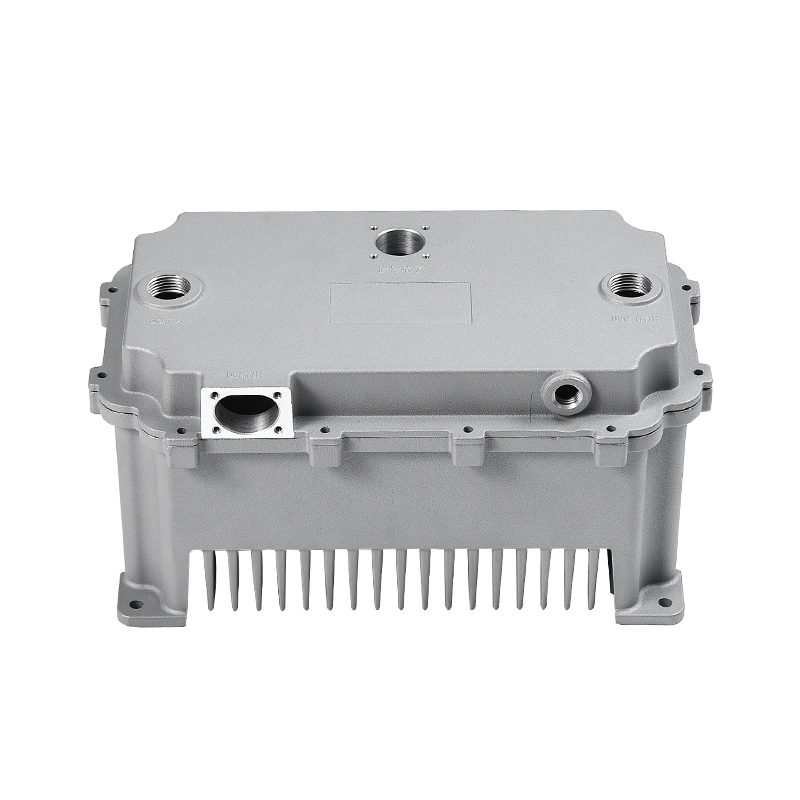
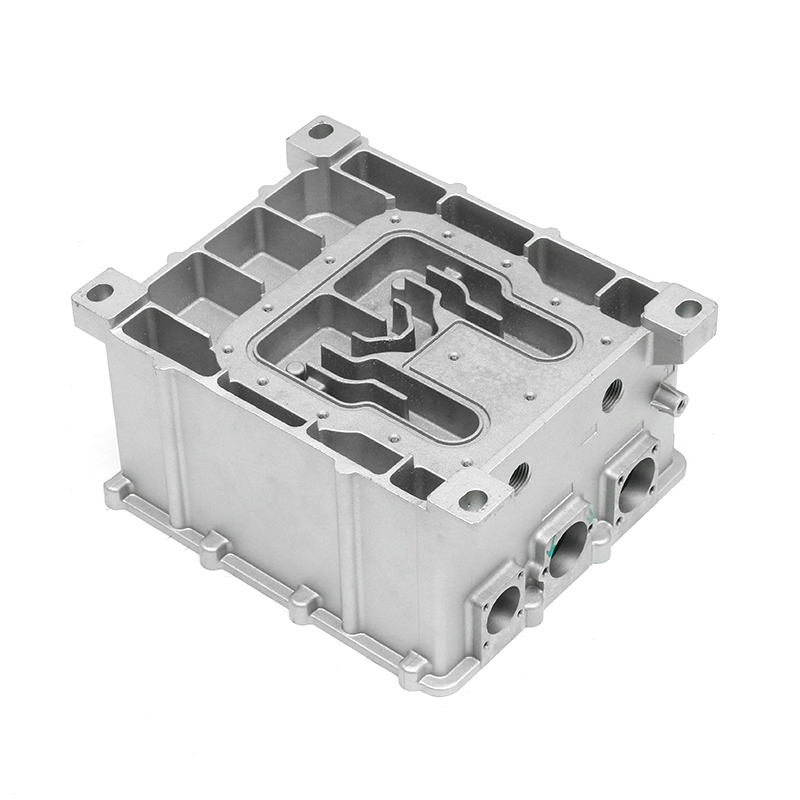
On a permanent-magnet traction motor, the housing does five jobs at the same time. It positions the stator and both rotor bearings so the radial air gap stays uniform, typically 0.3 to 1.0 mm. It carries the coolant path. It keeps that coolant away from the windings and the inverter. It provides the interfaces to the reducer or the vehicle frame. And it damps the noise a rotor makes at high speed.
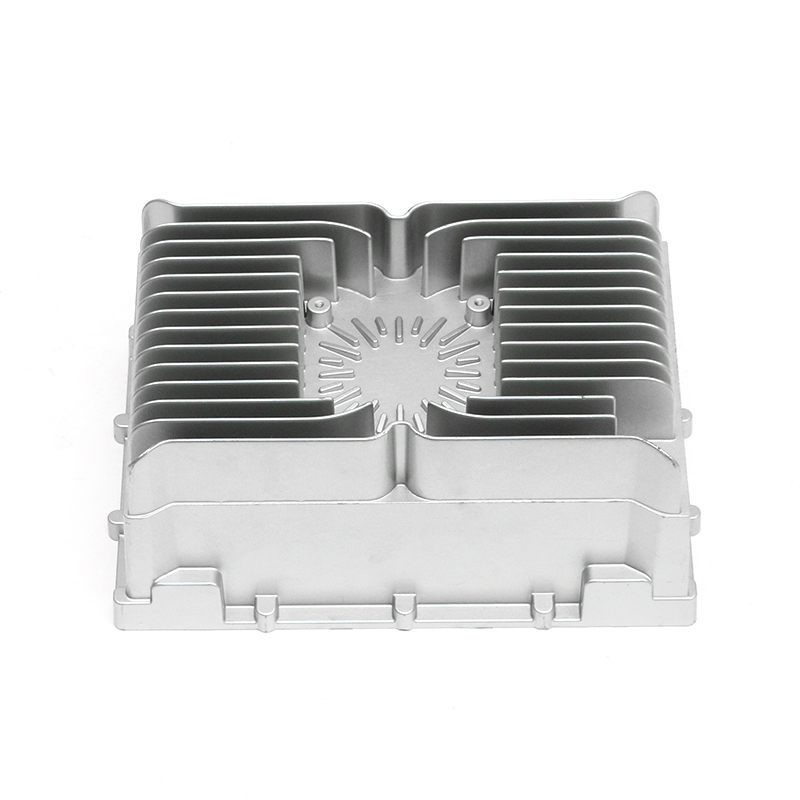
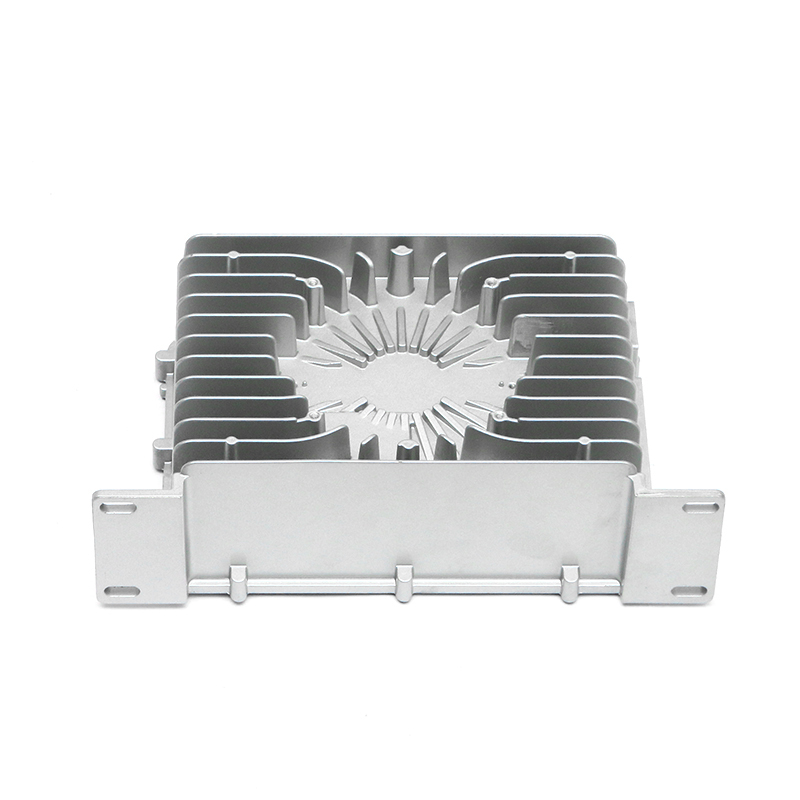
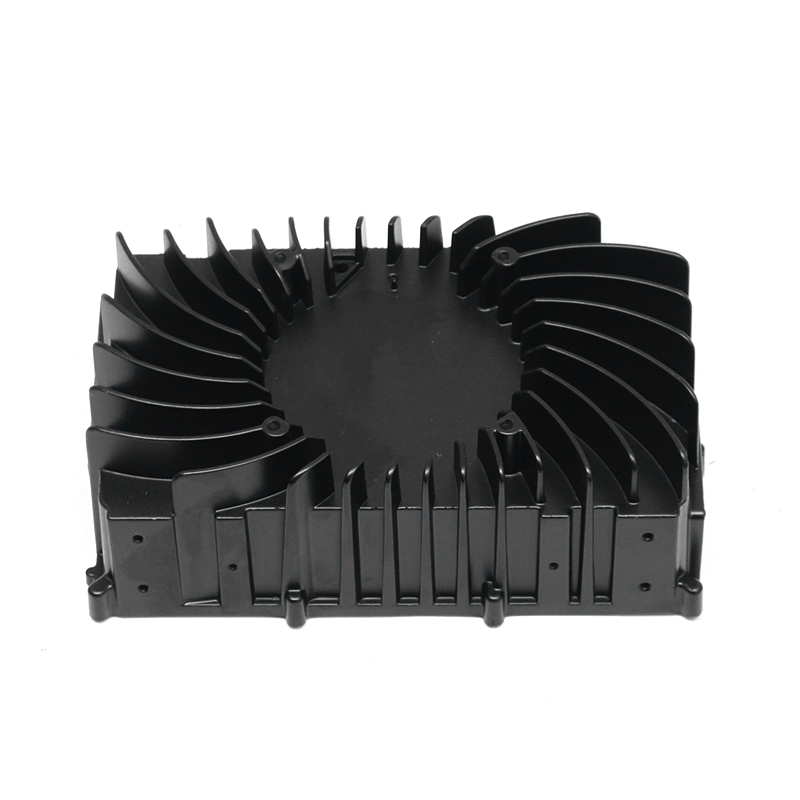
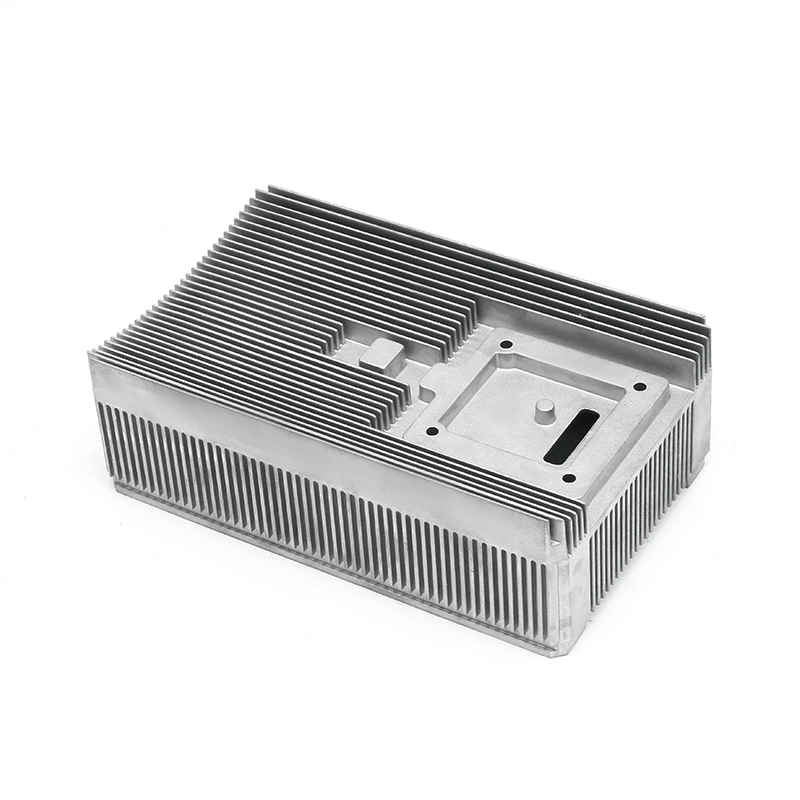
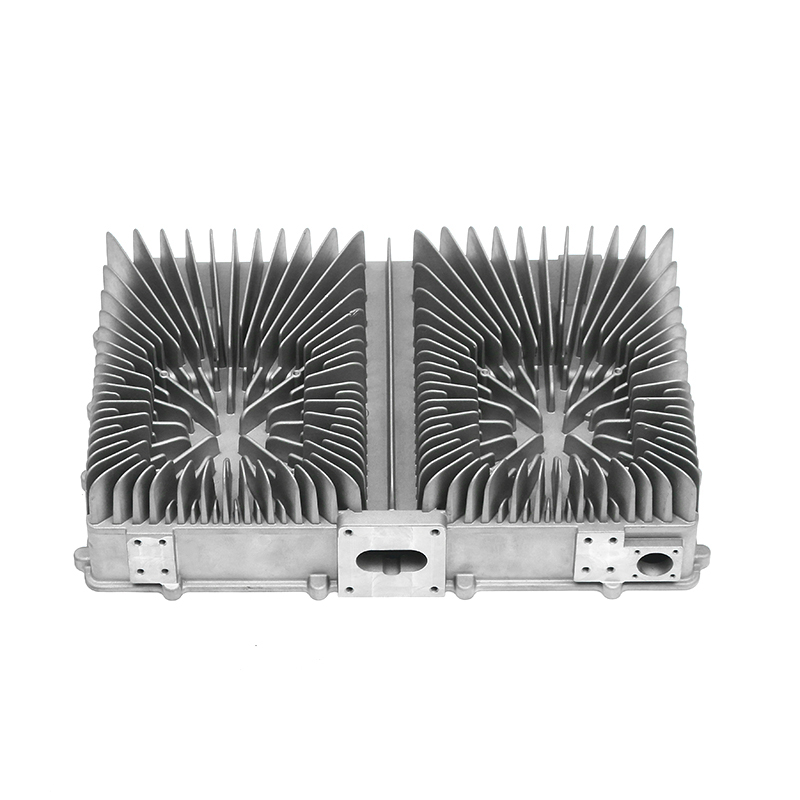
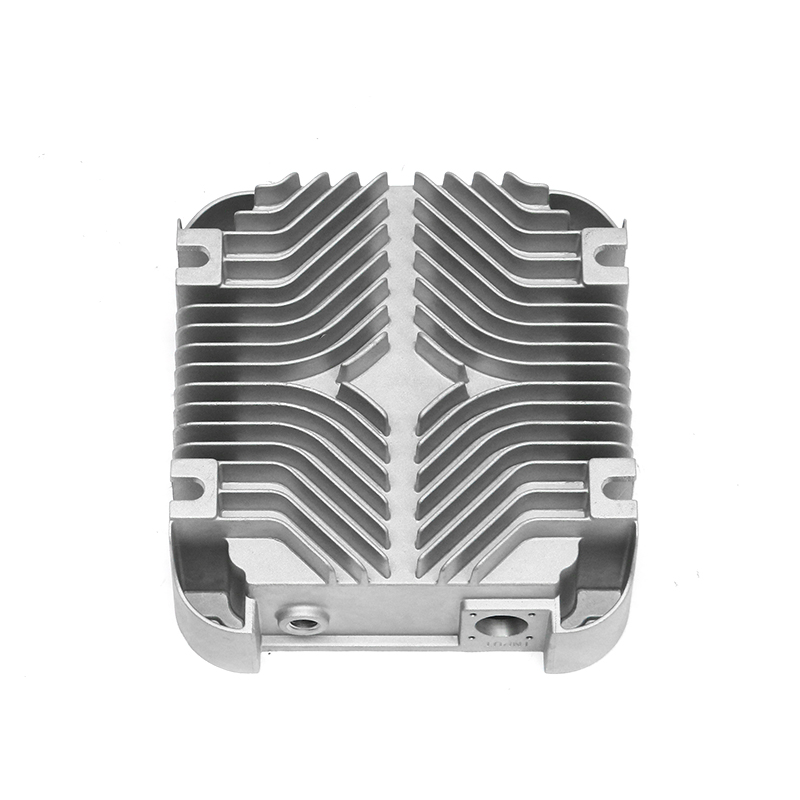
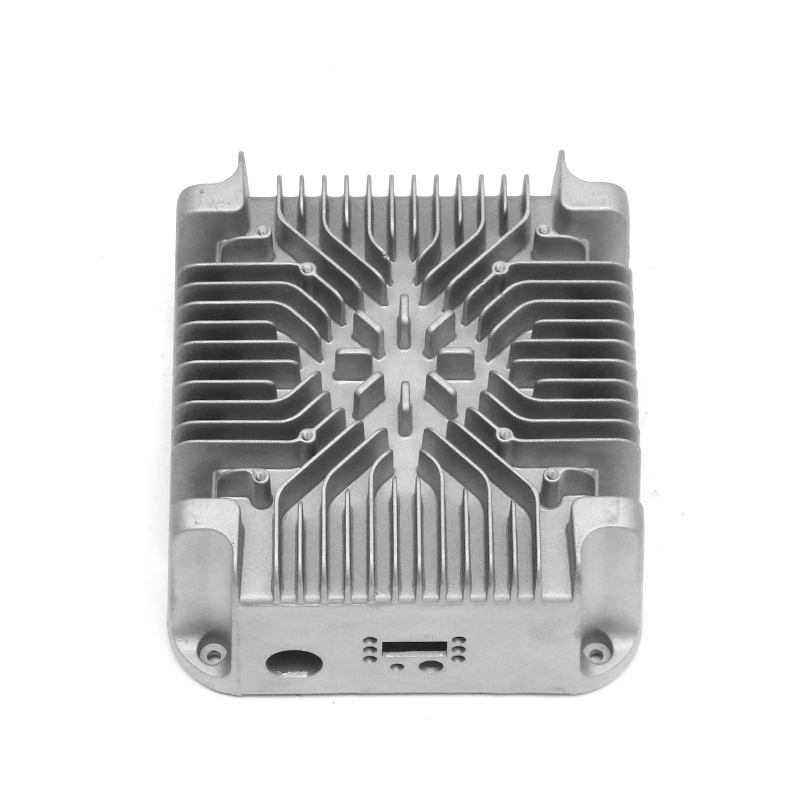
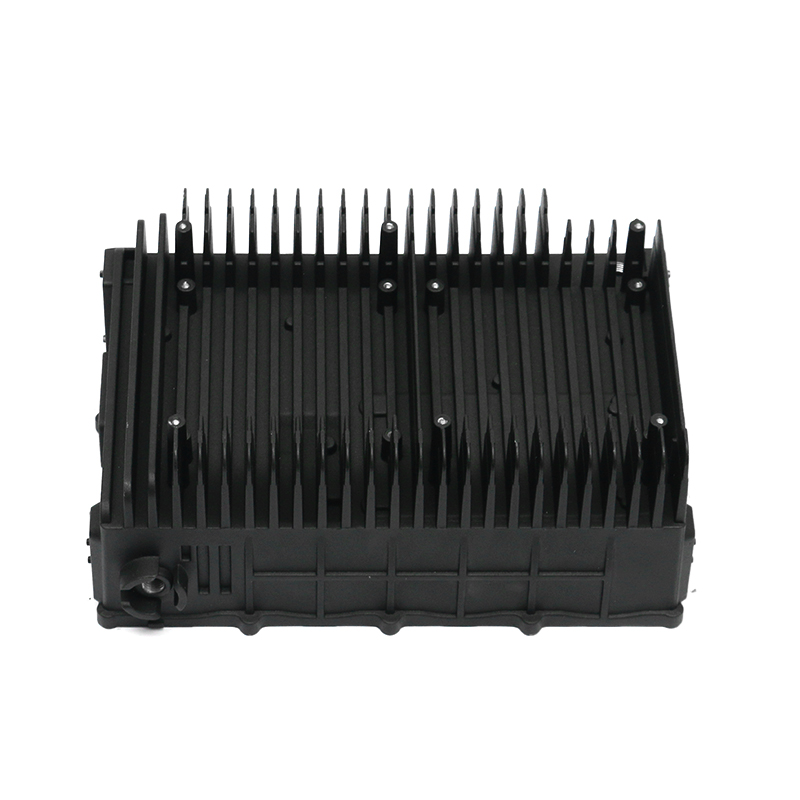
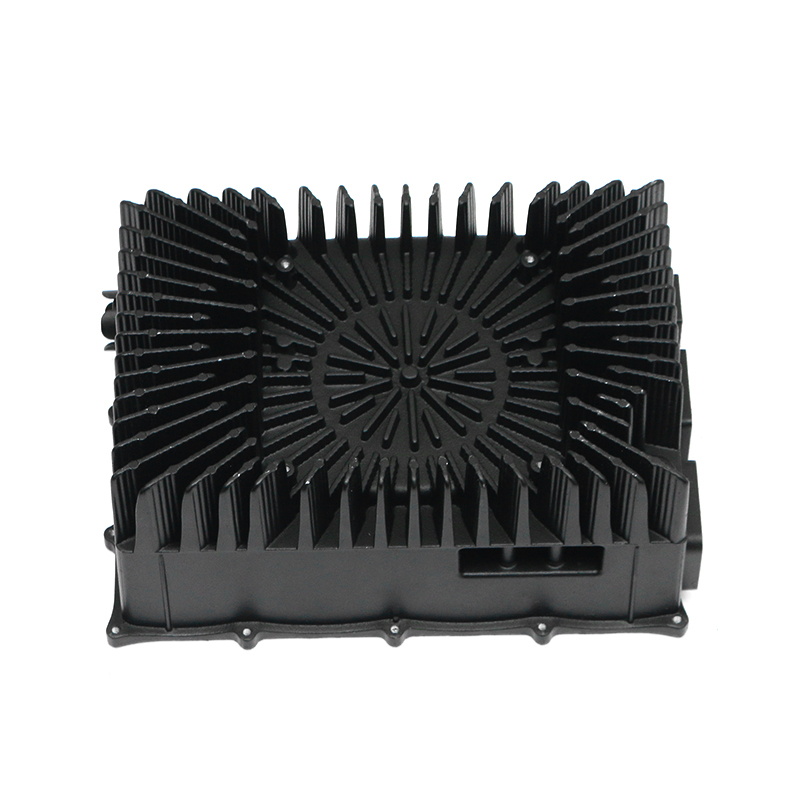
On most passenger EVs that adds up to a single aluminium body of roughly 8 to 20 kg, with 3 to 4 mm jacket walls, machined bearing bores and a pressure-tight cooling channel. Smaller drives sometimes use cast fins instead of a water jacket. Air-cooled and water-cooled versions share the same casting logic, but not the same tooling, and treating them as one part number is a common early mistake.
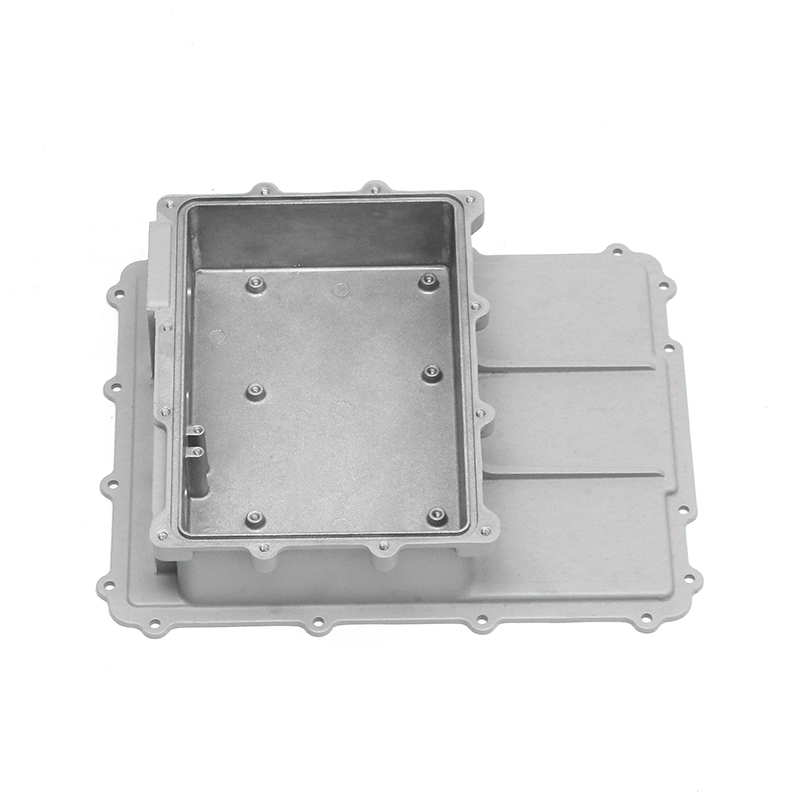
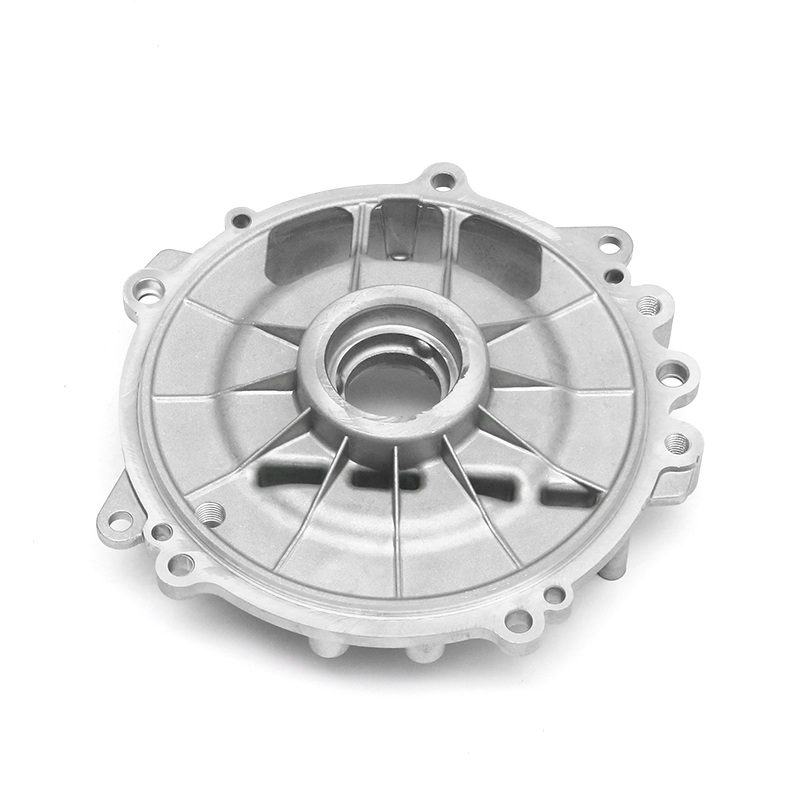 OEM/ODM Die-Cast Motor Housing for New Energy VehiclesA die-cast motor housing for new energy vehicle drive units, with OEM/ODM support for lightweight protection and heat dissipation.View Product →
Alloy and Process Choices Decide Everything Downstream
Alloy and casting method are one decision, not two. A conventional high-pressure die casting in ADC12 is inexpensive and dimensionally stable, but 1 to 2 percent elongation makes it a poor choice for a housing that will be welded, heat treated or asked to absorb road shock. Structural motor housings usually move to a low-iron AlSi10MnMg type alloy cast with vacuum assistance, then given a T5 or T6 treatment. Elongation rises to 5 to 10 percent and the material becomes weldable, which matters when coolant channels are closed by friction stir welding.
| Alloy | Typical casting route | Elongation | Where it fits | Main trade-off |
|---|---|---|---|---|
| ADC12 / A383 | Conventional HPDC | 1 to 2 percent | Covers, brackets, low-stress e-control housings | Low cost, low ductility, difficult to weld |
| A380 | Conventional HPDC | 2 to 3 percent | General housings and mounting brackets | Good castability, moderate strength only |
| AlSi10MnMg type | Vacuum-assisted HPDC plus T5 or T6 | 5 to 10 percent | Structural motor housings with welded jackets | Higher unit cost, tighter process window |
| A356 / A360 | Low-pressure or squeeze casting | 6 to 12 percent | Thick-wall, high-integrity housings | Slower cycle time, higher piece price |
Two process details sit behind those numbers. The first is vacuum assistance: drawing part of the gas out of the die cavity before fill reduces trapped porosity, and trapped porosity is what limits both elongation and leak tightness after machining. The second is tool layout. Gating and cooling design decides where shrinkage porosity ends up, and a housing machined straight through a porosity band will leak while the same casting machined two millimetres deeper may be perfectly tight.
Tolerances, Datums and the Machining Plan
Once the casting is sound, the machining plan decides whether the motor is quiet. Two rules matter more than any single tolerance on the drawing: derive the datum set from the stator seat, and machine as many critical features as possible in one setup.
| Feature | Typical requirement | Why it matters |
|---|---|---|
| Bearing bore diameter | IT6 to IT7, for example +0.03 / 0 mm | Bearing fit, preload and service life |
| Coaxiality of two bearing bores | 0.03 to 0.05 mm | Rotor to stator air gap, noise and vibration |
| Stator seat cylindricity | 0.05 mm | Uniform air gap and heat transfer to the jacket |
| Mounting face flatness | 0.05 to 0.10 mm | Gasket sealing and bolted joint stiffness |
| Jacket wall thickness | 3 to 4 mm nominal, plus or minus 0.5 mm | Burst pressure, weight and casting yield |
| Leak rate at 2 bar | No bubble or under 5 cm3 per minute air decay | Coolant loss, insulation resistance and IP rating |
Capability targets belong in the purchase order, not in the conversation after PPAP. A Cpk of 1.33 is the usual floor for safety-relevant dimensions such as bore diameter or coaxiality, and 1.67 is common on high-volume programs. If a drawing asks for 0.02 mm coaxiality across bores 200 mm apart, expect either a dedicated fixture or bores machined in a single setup, and expect to pay for it.
From Mold Design to Leak Test: the Build Sequence
A motor housing program runs through five stages, and each stage has a gate that prevents expensive rework later.
- Tooling
- Mold flow, gating and cooling design
- Die manufacture, spotting and first article
- Trimming tool and machining fixture
- Casting
- Vacuum-assisted die casting, 400T to 2000T range
- T5 or T6 heat treatment and controlled cooling
- Degating, trimming and deburring
- Machining
- Datum faces and stator seat
- Bearing bores, seal grooves and threads
- Coolant port faces and O-ring seats
- Joining and finishing
- Friction stir welding of cooling channels
- Impregnation and surface treatment
- Validation
- Coordinate measurement and industrial CT
- Spectrometer chemistry checks
- 100 percent leak test before packing
 Precision Trimming Mold for New Energy Vehicle ComponentsCustom trimming tooling removes flash and burrs from molded EV housings, helping maintain edge finish and dimensional accuracy before assembly.View Product →
Trimming, deburring and impregnation look like minor steps, yet they set the condition of what reaches the measuring machine. Building trimming tooling in-house lets the team that designed the casting decide where the parting line sits and how much stock is left for machining, which shortens the loop between a dimensional problem and a tooling correction.
Inspection Points That Catch Trouble Early
Inspection is where a supplier's equipment list becomes relevant. Chemistry, internal soundness, geometry, sealing and durability are five separate questions, and no single machine answers more than one of them.
- Spectrometer chemistry on every melt, because iron, copper and zinc levels shift fluidity, ductility and machinability.
- Industrial CT or X-ray on the first article and at agreed intervals; internal porosity is invisible to the eye and often to a simple leak tester.
- Coordinate measuring machine reports against the GD&T scheme, with the datum structure stated explicitly on the report.
- 100 percent leak testing of the coolant jacket at 2 bar, by air decay or water bath, whichever the customer accepts.
- Corrosion and durability checks: salt spray for 480 to 720 hours, thermal shock cycling and vibration testing.
- Process evidence: SPC charts, capability studies and a PPAP file maintained under IATF 16949:2016.
A supplier that keeps tooling, casting, machining and metrology under one roof can close the loop between those six items without shipping parts back and forth. A closer look at precision casting for new energy vehicle motor housings shows how tightly the casting and machining stages interact when the air gap depends on both.
Cost, Lead Time and Sourcing Risk
Cost follows the technical decisions far more than it follows the metal price on any given Monday. A tolerance tightened after tooling release usually means a new fixture, an extra setup and a slower cycle, and that cost stays in the part price for the life of the program.
The larger sourcing risk is not price, it is porosity that reaches the machined surface. A housing can pass a dimensional report, pass a visual check and still fail a leak test after welding, which is why vacuum capability, tool design ownership and in-house metrology are worth more than a small spread on the casting rate. Tooling lead time for a new housing usually runs 8 to 14 weeks, and a change in datum strategy after that point can consume most of the buffer before SOP.
Checking a Supplier Before You Release Tooling
- Confirm which machine will run the part and whether that machine has vacuum assist, not just the plant in general.
- Require the datum scheme and the number of machining setups in writing before tooling release.
- Fix the leak test method, pressure and pass or fail limit in the purchase order.
- Agree the inspection plan: CT frequency, report format, capability targets and reaction plan when a dimension drifts.
- Check whether trimming tools and fixtures are built in-house, because that decides how fast an engineering change can be implemented.
- Verify the quality certificate and read its scope, since a certificate that excludes casting does not cover casting risk.
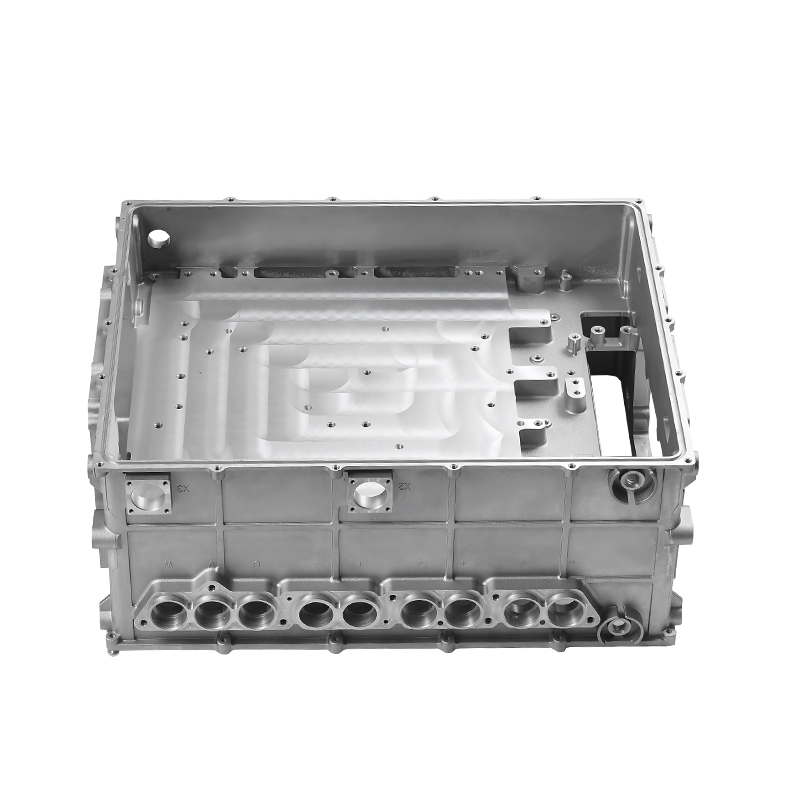 New Energy Electronically Controlled Water Cooling Series Die CastingsA category of molds and die-cast parts for EV water-cooling systems, including water pumps, tanks and radiators for precise assembly.View Product →
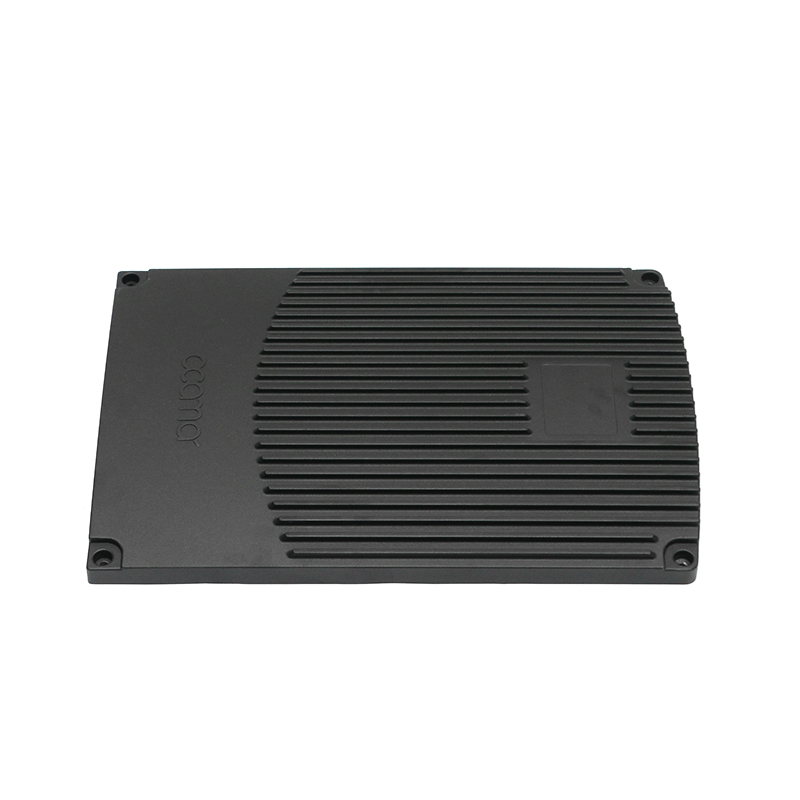
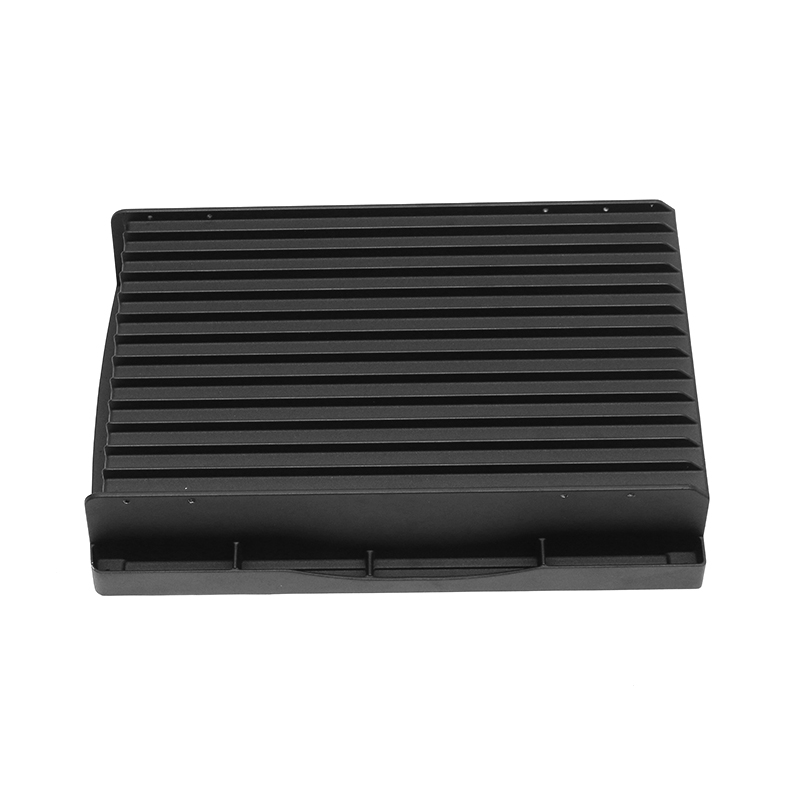
Motor housings are rarely the only casting in an e-drive. The same vacuum casting and machining platform usually serves electronically controlled water cooling housings and air cooling housings, so a supplier conversation that starts with the motor housing often ends with a small family of parts sharing one process window, one metrology approach and one quality system.
None of this is exotic technology, and that is precisely the point. The parts that stay quiet and dry are the ones where alloy, vacuum, datum scheme, machining setup and leak testing were decided together, in that order, before the tool was cut. Bring the tolerance stack and the leak limit to the first technical review rather than the last, and the housing will do its five jobs without becoming the reason a program slips.