

 English
 русский
 عربى
 Deutsch
A 12-month electric drive program can lose six weeks when the first motor housing castings show porosity around a bearing boss or a leak path in the cooling jacket. The part looks simple on a drawing, but it carries the stator, locates the rotor, seals coolant, and sets the air gap. If any of those functions drift, the problem appears late in assembly or in the vehicle. The practical conclusion: choose a new energy motor housing supplier that controls mold design, aluminum die casting, precision machining, leak testing, and dimensional validation in one process chain. Piece price matters, but a late porosity discovery or a leaking cooling circuit usually costs more than the quotation difference.
What a New Energy Motor Housing Actually Has to Do
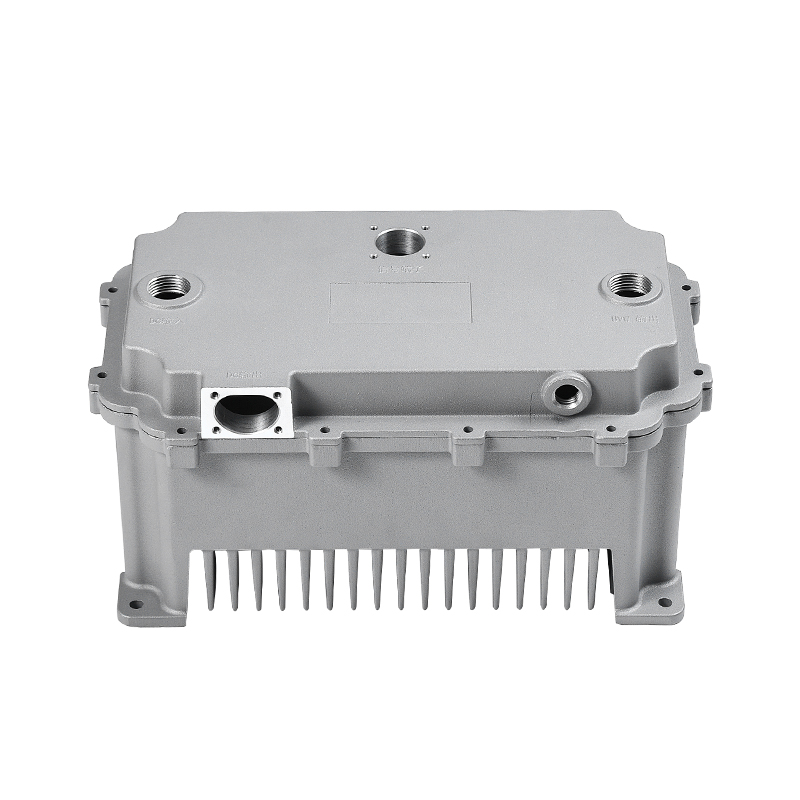
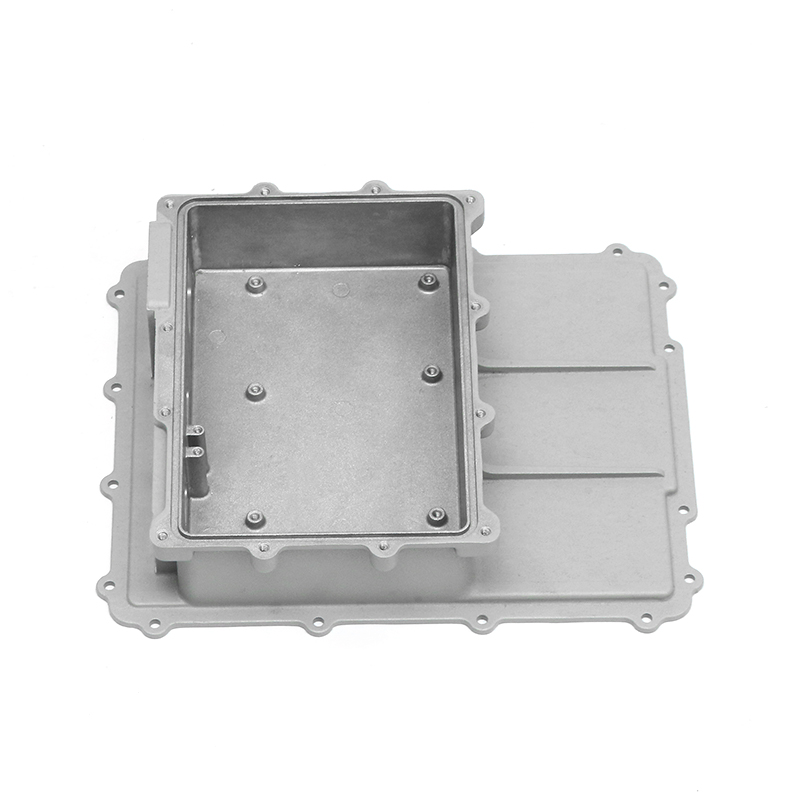
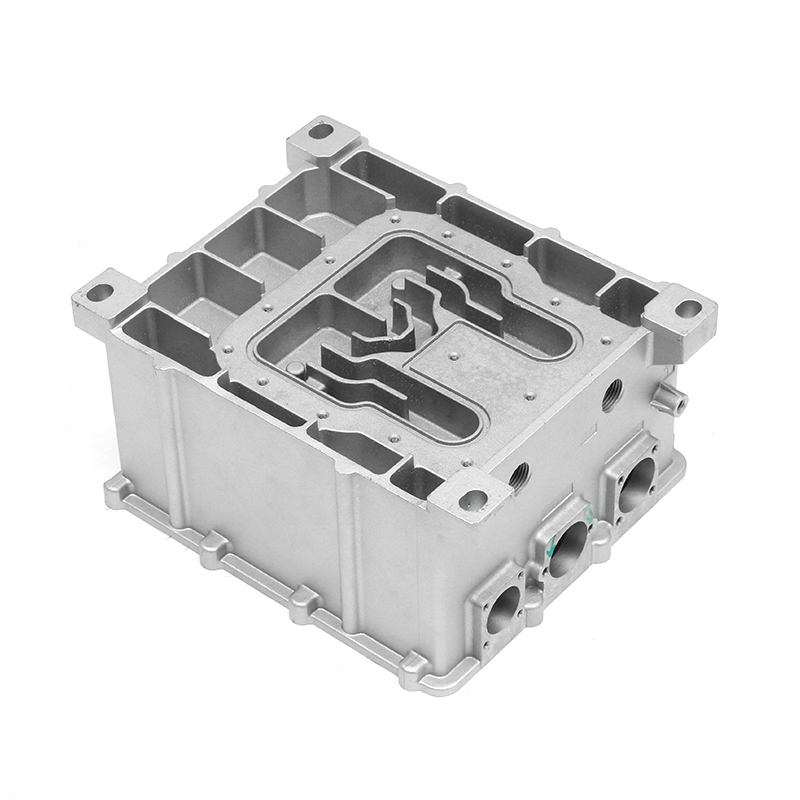
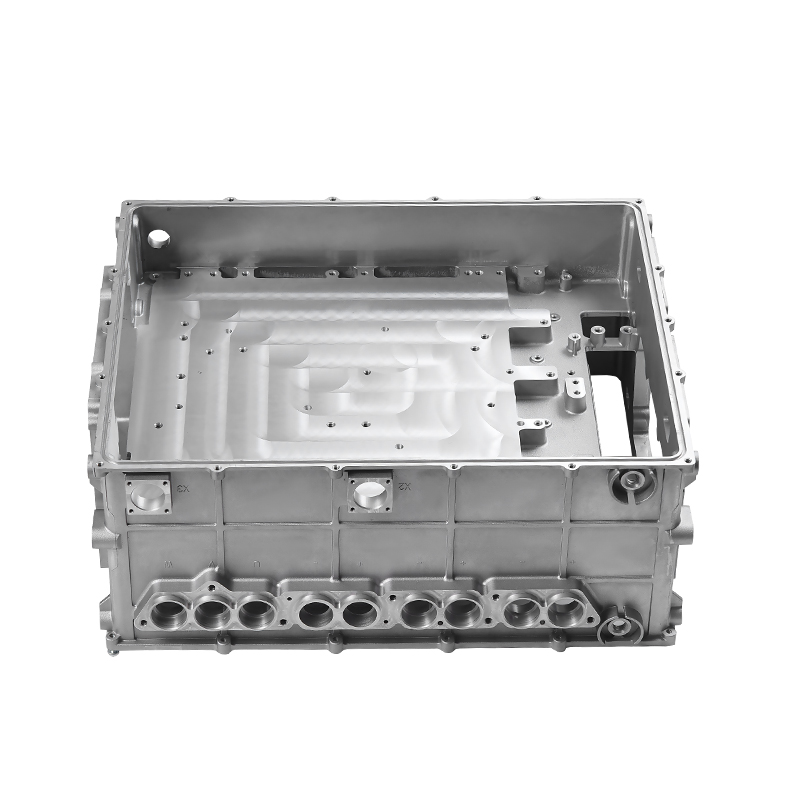
An EV motor housing is not a protective cover. It is a structural and functional interface between the drivetrain, cooling system, and chassis. The housing holds the stator, provides a stable bearing seat for the rotor shaft, seals the cooling jacket, and maintains the air gap under load and thermal cycling. It also carries mounting points, connector openings, and sometimes integrated cooling channels.
That combination creates a difficult quality mix. A cast surface can look acceptable and still have internal shrinkage. A machined bore can measure well at 20 °C and move at operating temperature. A cooling channel can pass a low-pressure air test and weep under hot glycol pressure. The design and process must be reviewed together.
The useful early question is not “Which machine will you use?” but “Which features define the function, and how do you prove them?” That shifts the discussion toward datum strategy, casting simulation, machining sequence, and end-of-line testing.
The Tolerance Chain That Decides Motor Housing Quality
Motor housing quality is a chain, not a single dimension. The bearing bore, stator pilot, end face, mounting holes, and cooling jacket interact. If the bearing bore is coaxial but the mounting face is distorted by clamping, the rotor may still sit off-center. If the stator pilot is tight but the cooling jacket is porous, the assembly passes dimensional inspection and fails a leak test.
Use the drawing to set the inspection plan, then ask for process evidence. A CMM report is useful only when the datum scheme matches the drawing and temperature is controlled. A leak test is useful only when pressure, stabilization time, leak limit, and fixture sealing are defined. CT inspection should target likely porosity zones, not simply produce a picture.
| Feature | Functional risk | What to verify |
|---|---|---|
| Bearing bore coaxiality | Rotor misalignment, noise, bearing wear | CMM with drawing datums; machining fixture repeatability |
| Stator pilot diameter and roundness | Air gap variation, vibration | In-process gauging; thermal stability check |
| Mating face flatness | Seal compression loss, coolant leak | Surface plate or CMM; clamp distortion review |
| Mounting hole position | Assembly interference, chassis fit | Functional gauge; hole position report |
| Cooling jacket porosity | Coolant leak, insulation risk | CT or X-ray sampling; pressure decay test |
Why Die Casting Process Control Matters More Than Machine Tonnage
A 2000T machine does not automatically produce a better motor housing than a 1250T machine. Tonnage must match projected area, wall thickness, and flow length. What matters more is how the supplier controls the die, melt, and solidification path. A well-designed vacuum-assisted die with balanced thermal control can produce a more reliable housing than a larger machine running a poorly cooled die.
For aluminum motor housings, common risks are gas porosity, shrinkage porosity, cold shuts, and distortion after machining. Gas porosity often comes from trapped air or die release agents. Shrinkage porosity appears in thick sections such as bearing bosses and mounting pads. Distortion can come from uneven ejection, excessive clamping, or stress relief after casting. These risks are managed through mold flow simulation, die temperature control, shot profile monitoring, aluminum cleanliness, and a machining sequence that removes material without loading the part unevenly.
Fenda's production setup illustrates the process chain to look for: 6 aluminum die casting machines from 400T to 2000T, 80 high-speed/high-precision machining centers, more than 30 special process units for friction stir welding, EDM, and surface treatment, plus CMM, industrial CT, spectrometer, and leak testing equipment. The company is IATF 16949:2016 certified. The value is not the equipment list by itself; it is keeping casting, machining, and verification under one quality system.
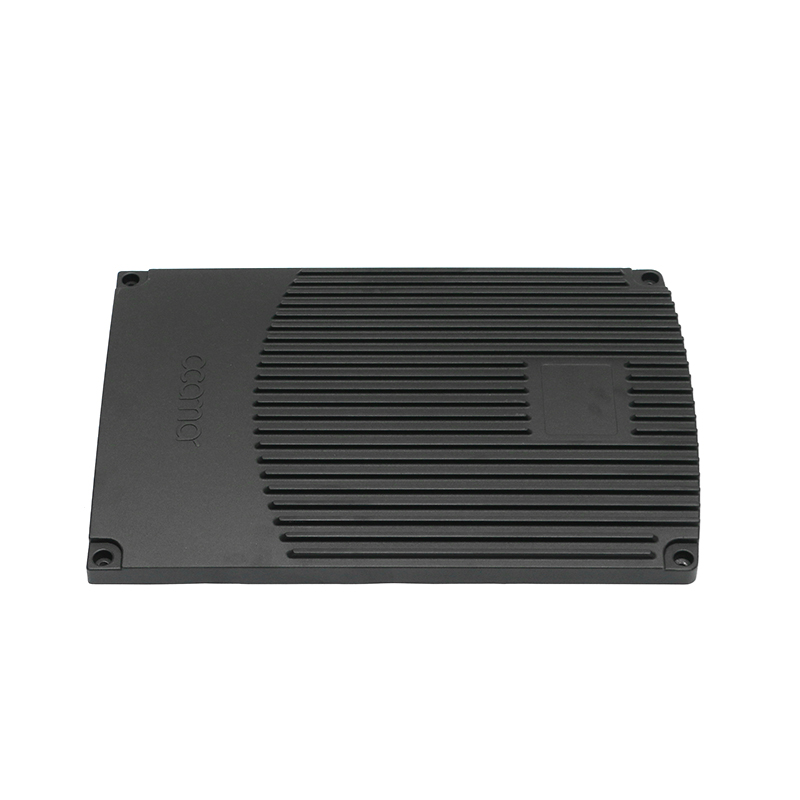
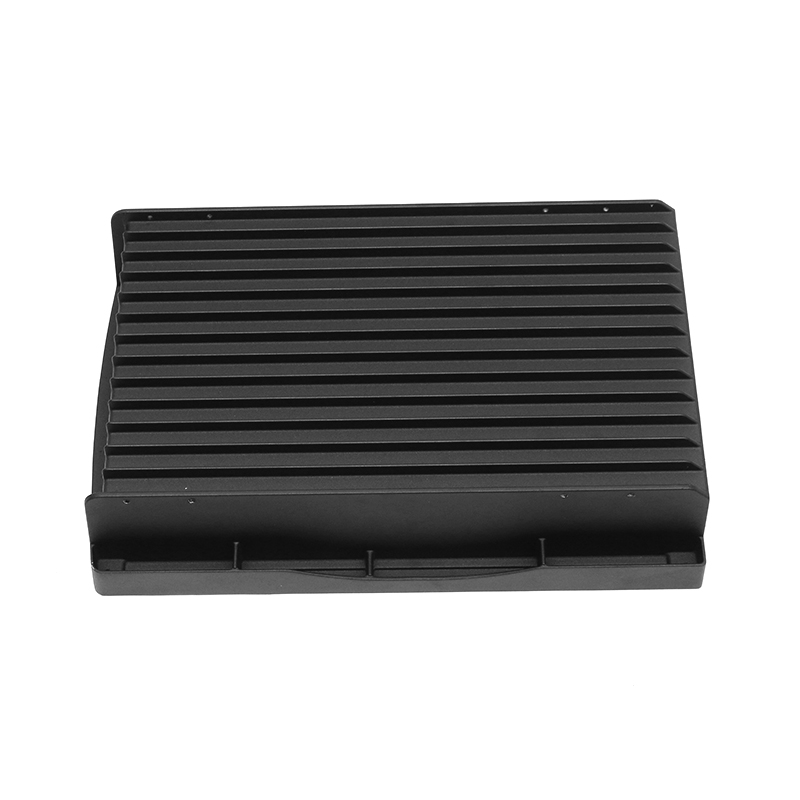
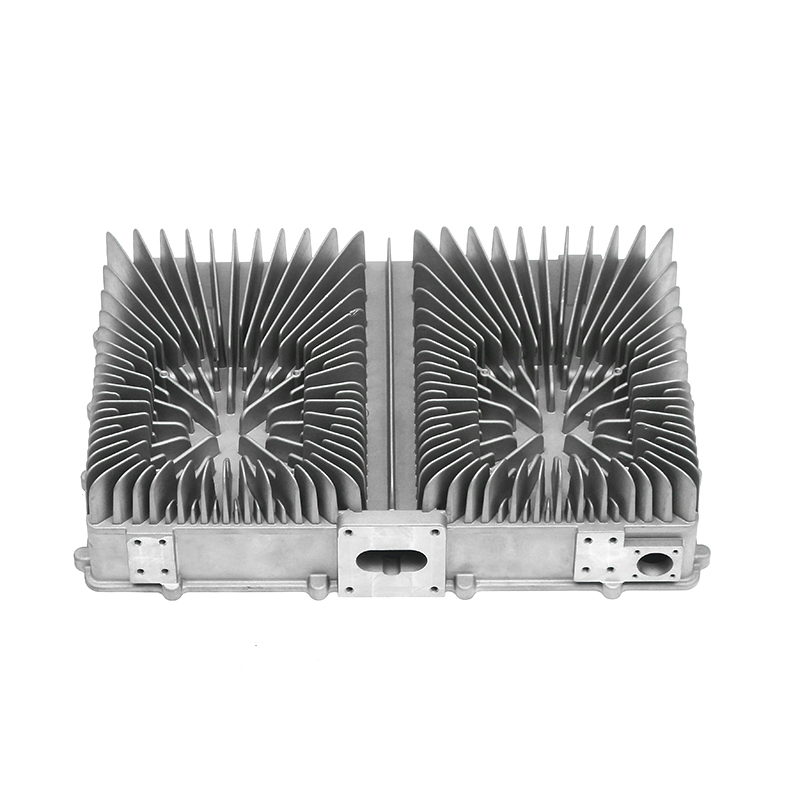
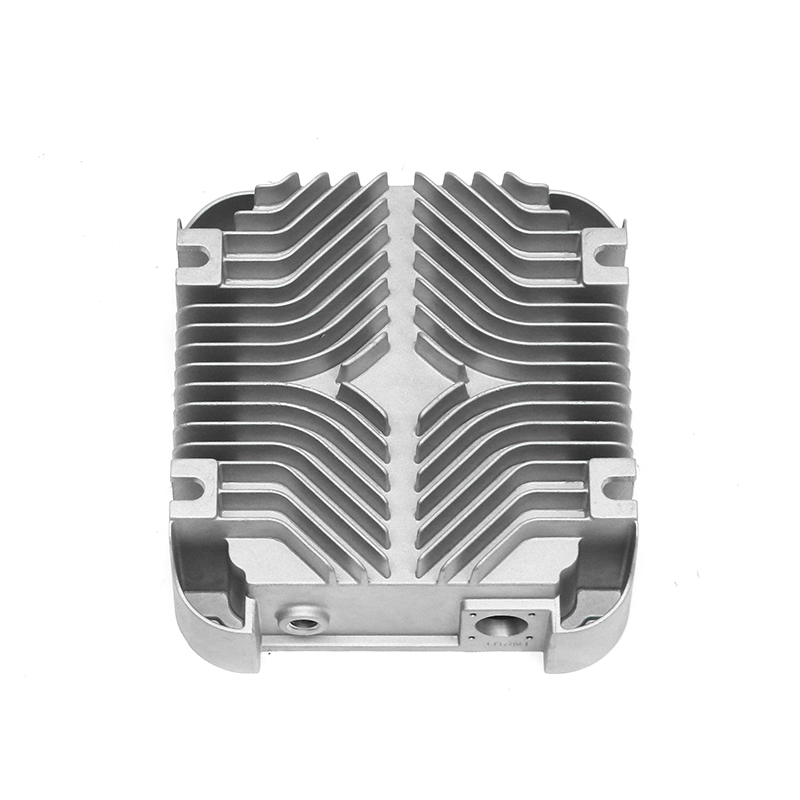
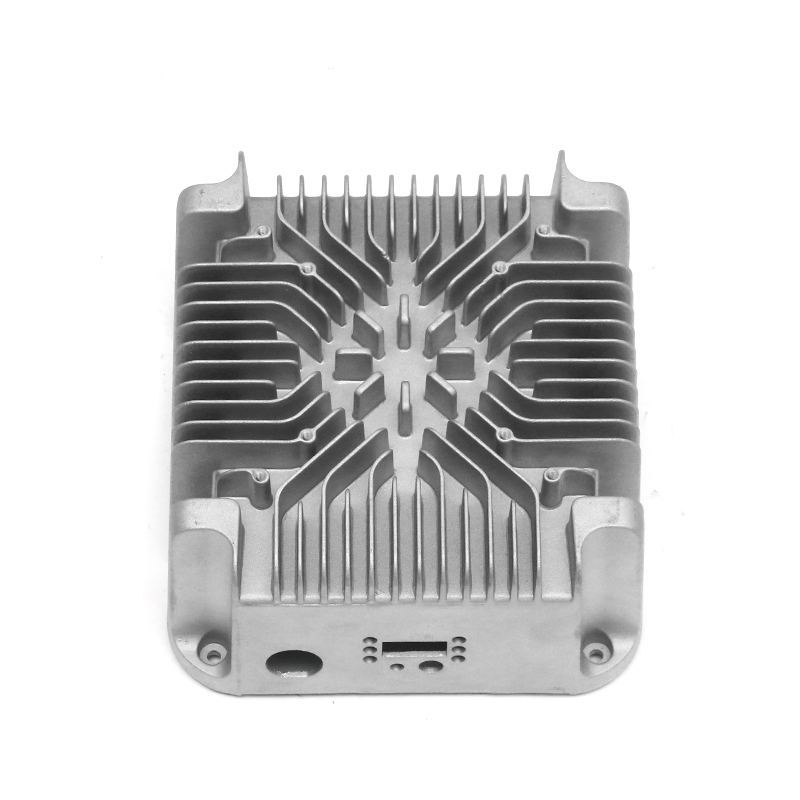
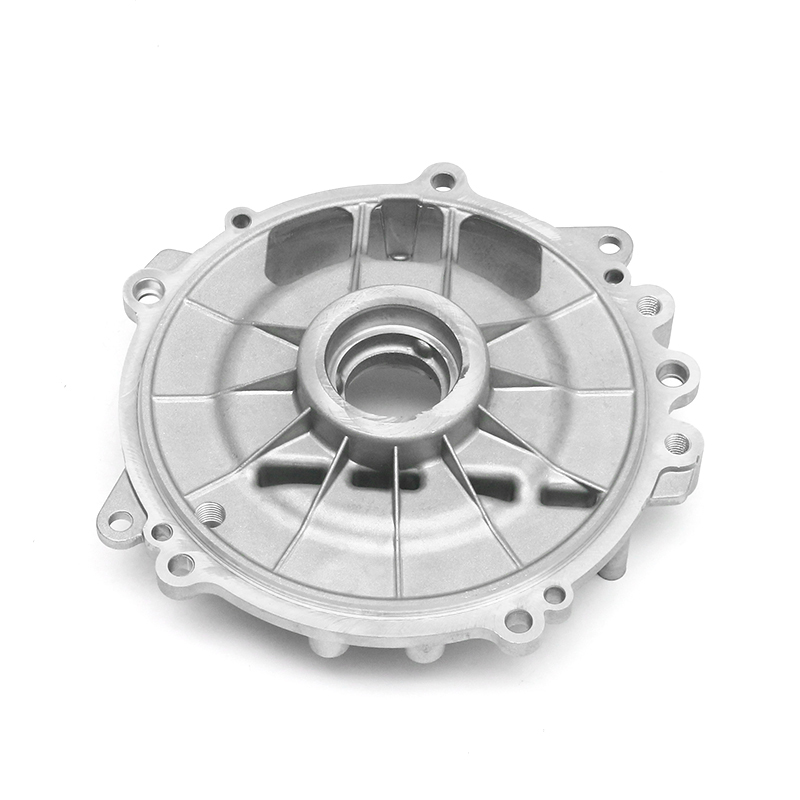 New Energy Motor Housing Die-Casting SeriesExplore die-cast new energy motor housing options from a supplier whose casting, machining, and verification sit under one IATF 16949:2016 quality system.View Product →
More detail on precision casting for new energy vehicle motor housings is available in this technical note: precision die casting for motor housings.
Cooling Strategy: Air vs Water and What It Means for Housing Design
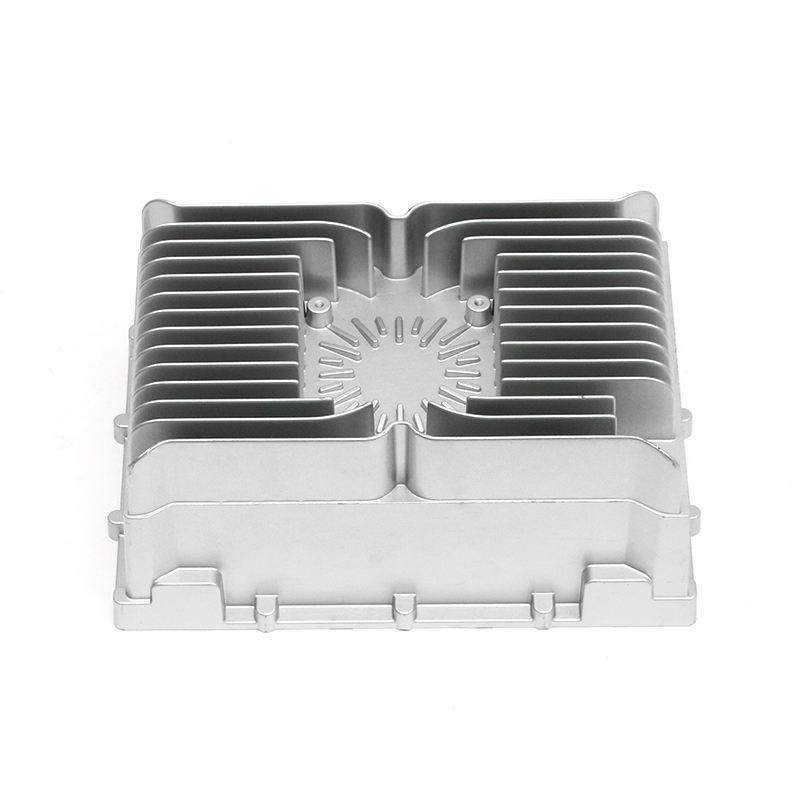
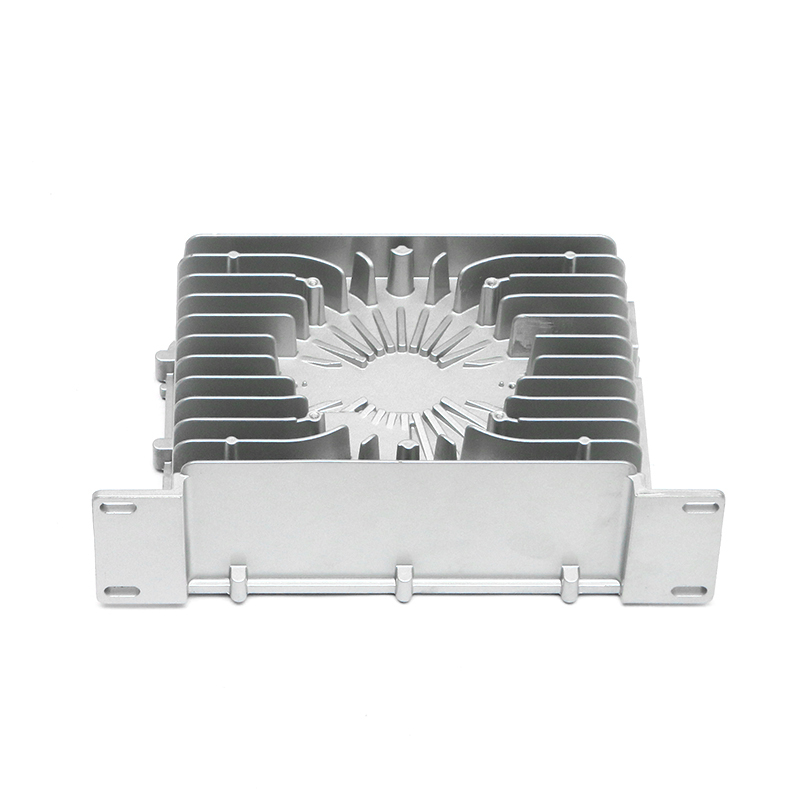
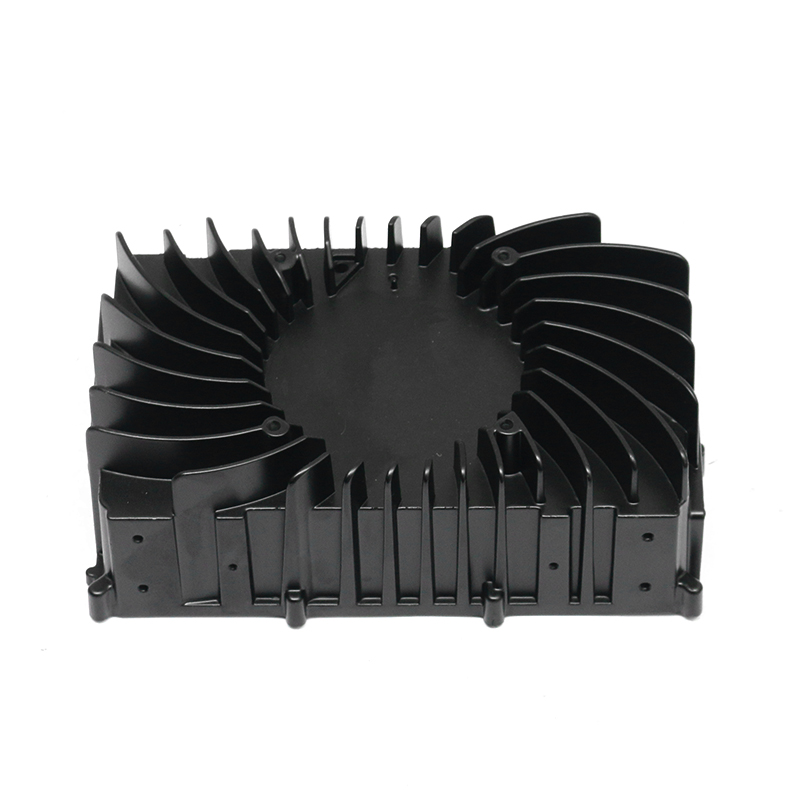
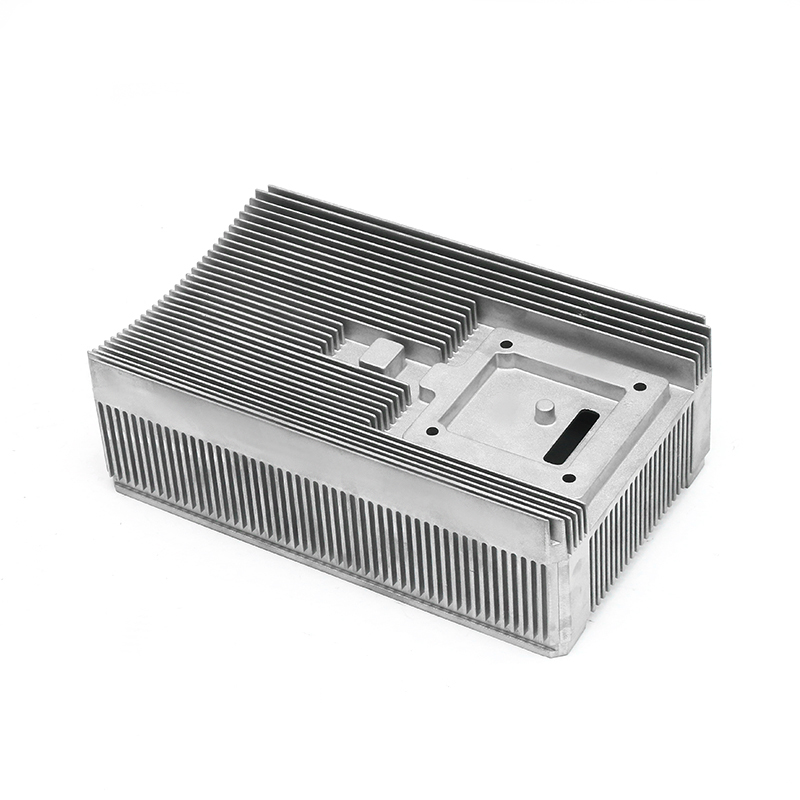
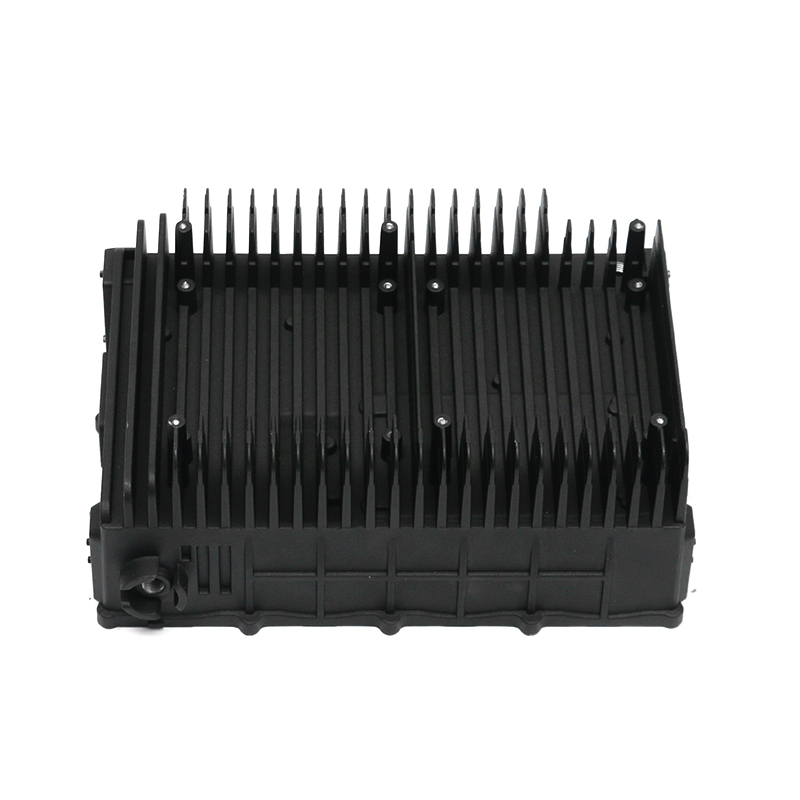
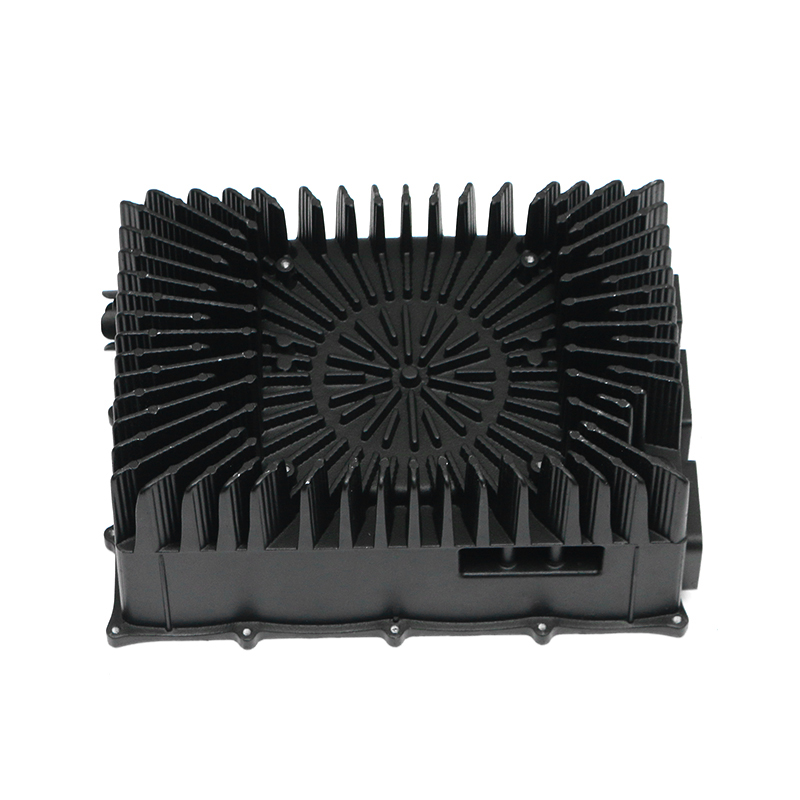
Air-cooled and water-cooled motor housings solve different problems. An air-cooled housing usually relies on fins, airflow paths, and a larger surface area. It avoids coolant ports and sealed channels, which simplifies leak risk, but may need more space and a stable airflow path. A water-cooled housing puts a jacket or channel close to the stator, improving heat rejection density but raising the stakes on casting density, channel cleanliness, seal design, and pressure testing.
The choice affects the casting and machining plan. A water-cooled new energy motor housing often needs a more complex die, tighter wall thickness control around the jacket, and a validated leak test. An air-cooled housing may emphasize fin integrity, surface finish, and airflow interface dimensions. Neither is automatically better. The right choice depends on continuous power, ambient conditions, duty cycle, package space, and service model.
Ask for the thermal model assumptions and validation profile, not just a cooling method label. A housing that passes a static leak test may still fail after thermal cycling if the seal groove geometry or casting around the jacket is not robust.
Supplier Checklist: What to Verify Before You Award the Tooling
A motor housing tool is expensive to move and slow to replace. The supplier review should go beyond a quotation and a factory tour. Use this checklist to separate a capable die caster from a supplier that can only machine a casting.
- Does the supplier design and build the die in-house, or at least control die trials and maintenance? Mold design decides gate location, cooling layout, ejection, and dimensional stability.
- Can the supplier show casting simulation and a DFM review before tooling? The review should address wall thickness, porosity risk, machining stock, and datum strategy.
- Is there a documented PFMEA and control plan for the housing? Look for special characteristics, leak test parameters, and reaction plans.
- Which inspection equipment is used for production and for PPAP? CMM, industrial CT, spectrometer, and leak testers should be calibrated and tied to the drawing.
- How is porosity sampled? A one-time CT scan is not a control plan. Ask how likely porosity zones are monitored across lots.
- What is the machining and cleaning sequence? Coolant residue, chip retention, and clamp distortion can cause failures that the casting process alone does not explain.
- Can the supplier provide traceability from melt batch to finished housing? This matters when a leak or dimensional trend appears in the field.
The broader aluminum die-cast automotive components range can also help you judge whether the supplier's process discipline fits your program. Review the aluminum die-cast automotive components range before you shortlist.
From Prototype to Series: A Practical Validation Path
A new energy motor housing should move through clear gates. First, complete a DFM and mold flow review against the drawing and assembly conditions. Second, produce T1 samples and inspect the full dimensional layout, not only the “critical” dimensions. Third, cut or CT-scan selected samples to map porosity against the simulation. Fourth, run leak, burst, and thermal cycling tests at the agreed profile. Fifth, machine production-intent parts and repeat dimensional and leak checks after clamping and assembly.
Before PPAP, confirm the control plan, work instructions, gauge R&R, and reaction plans. A housing that passes at T1 but drifts at volume usually points to a process window that was never defined. The supplier should explain which variables are monitored shot by shot, which are checked per lot, and which are verified only at PPAP.
For a new energy motor housing, the lowest-risk supplier is not always the one with the largest machine or the lowest piece price. It is the one that connects die design, aluminum casting, precision machining, leak testing, and dimensional evidence into one traceable process. Start the technical review with the drawing, cooling method, annual volume, and leak specification. Then ask for the process evidence behind each. For projects that fit 400T to 2000T aluminum die casting, Fenda's integrated mold, casting, machining, and testing setup is a practical starting point.