

 English
 русский
 عربى
عربى Deutsch
Why Housing Material Choice Affects Motor Performance Directly
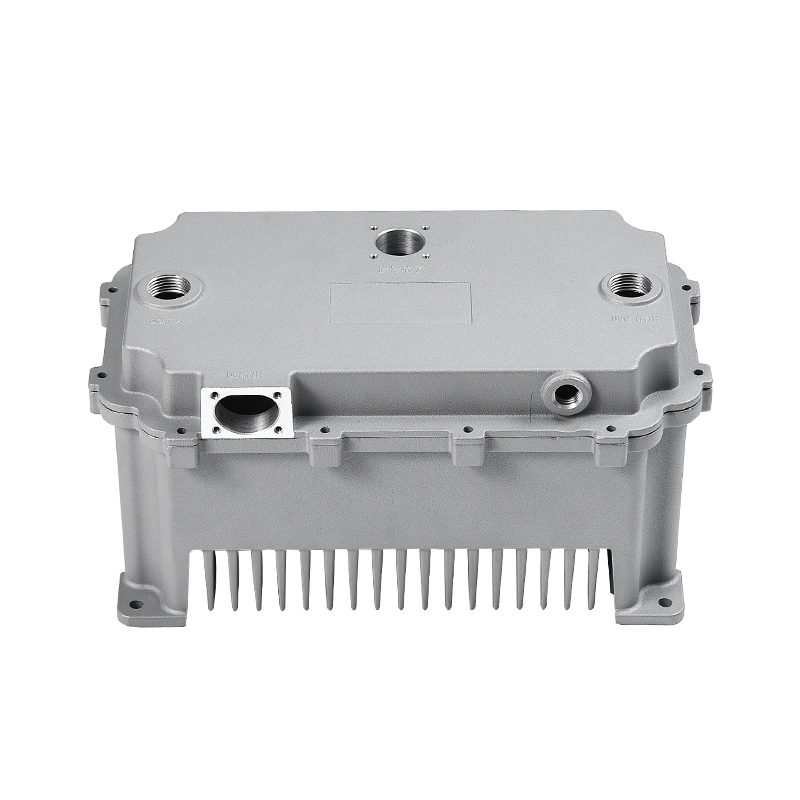
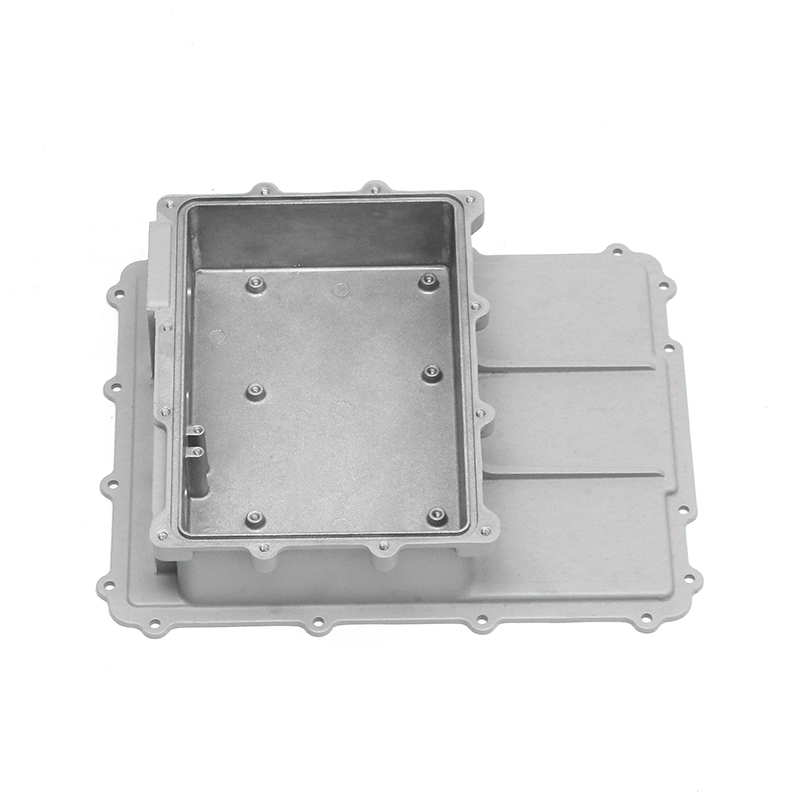
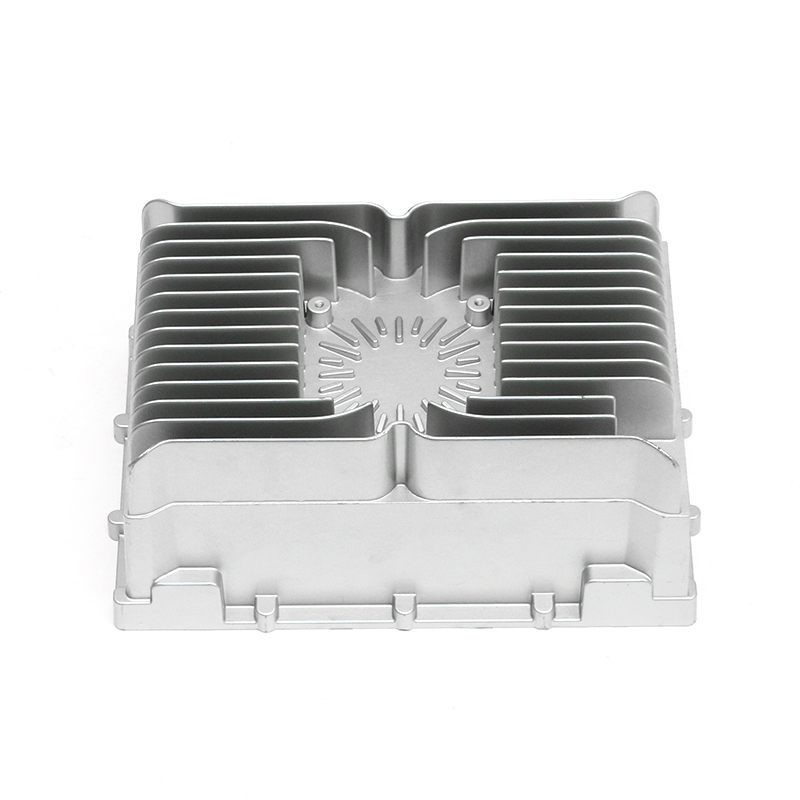
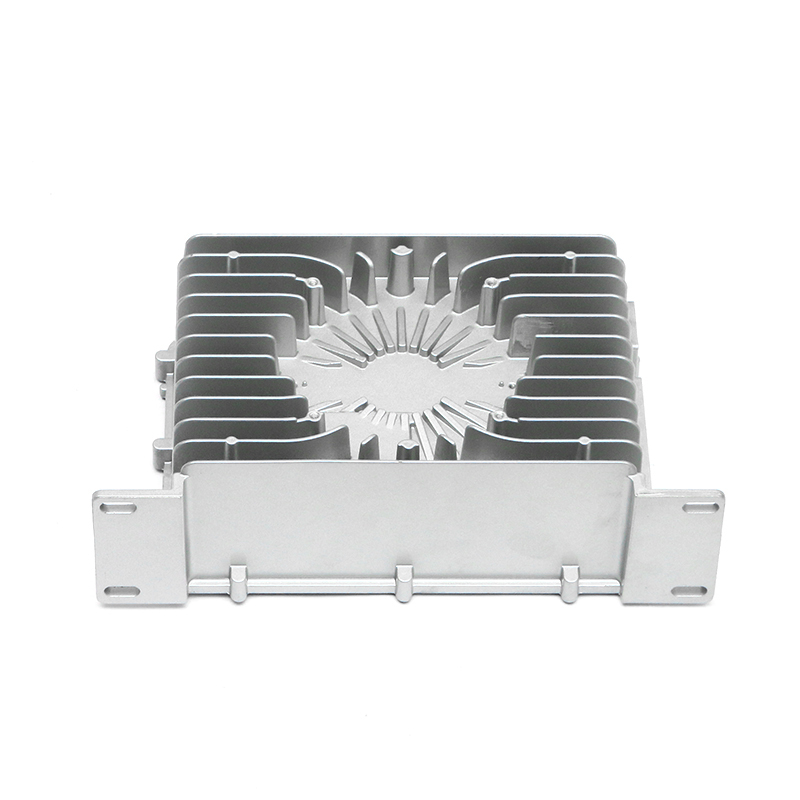
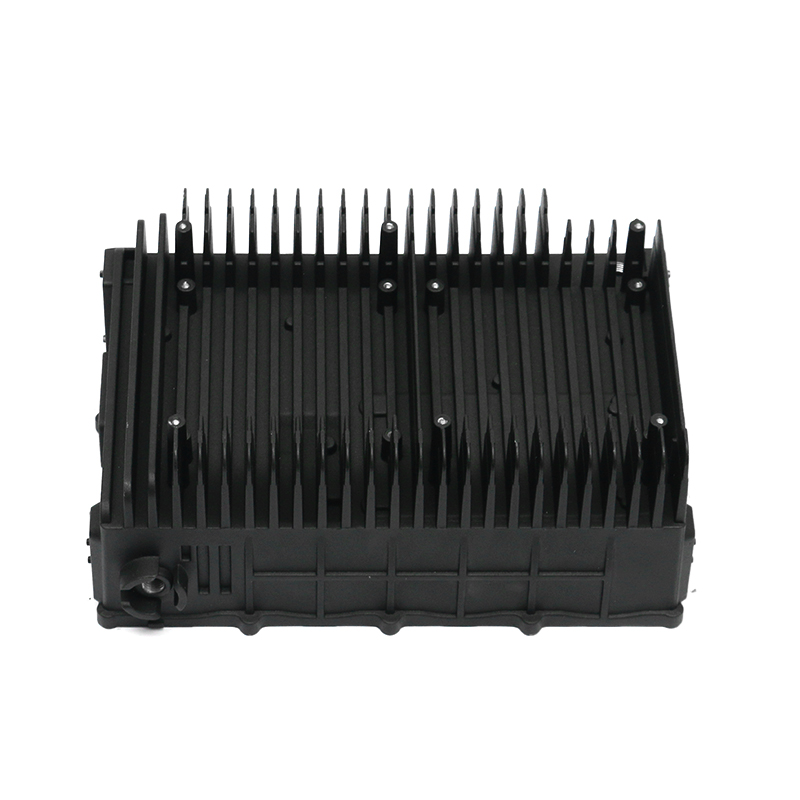
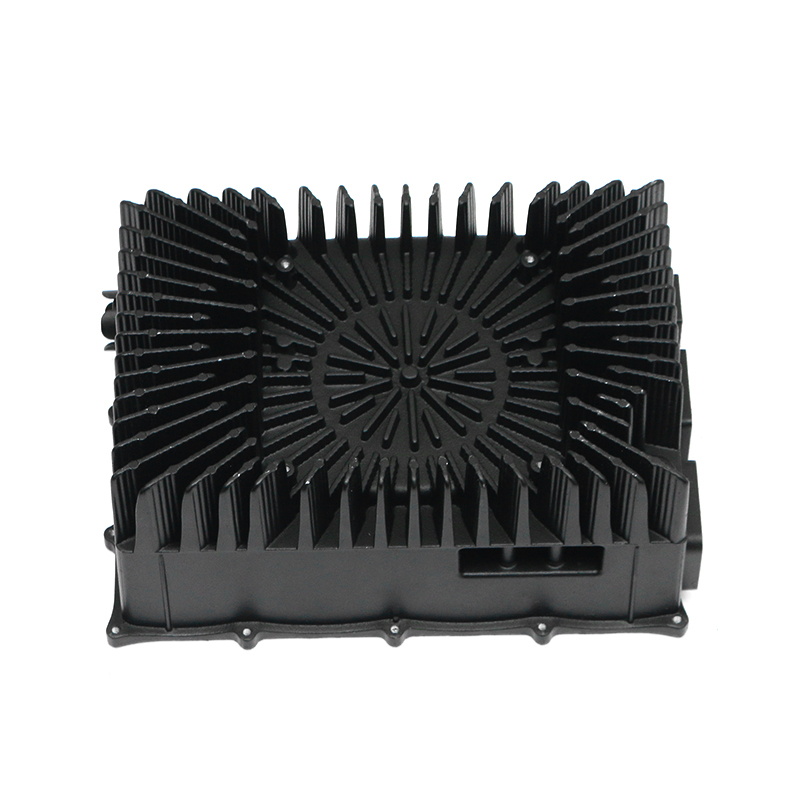
The housing isn't just structural. It forms part of the thermal path that pulls heat away from the stator windings, and it directly affects how much unsprung or rotating mass the drivetrain carries. A housing that conducts heat poorly forces the motor's control system to derate power output sooner during sustained acceleration or hill climbing, which is why thermal conductivity sits near the top of the material selection criteria.
Vibration resistance matters just as much. New energy motors often spin at 10,000 to 20,000 RPM or higher, and any housing resonance at those frequencies can accelerate bearing wear or loosen internal fasteners over time.
Aluminum Alloy, Cast Iron, and Composite Housings Compared
Aluminum Alloy
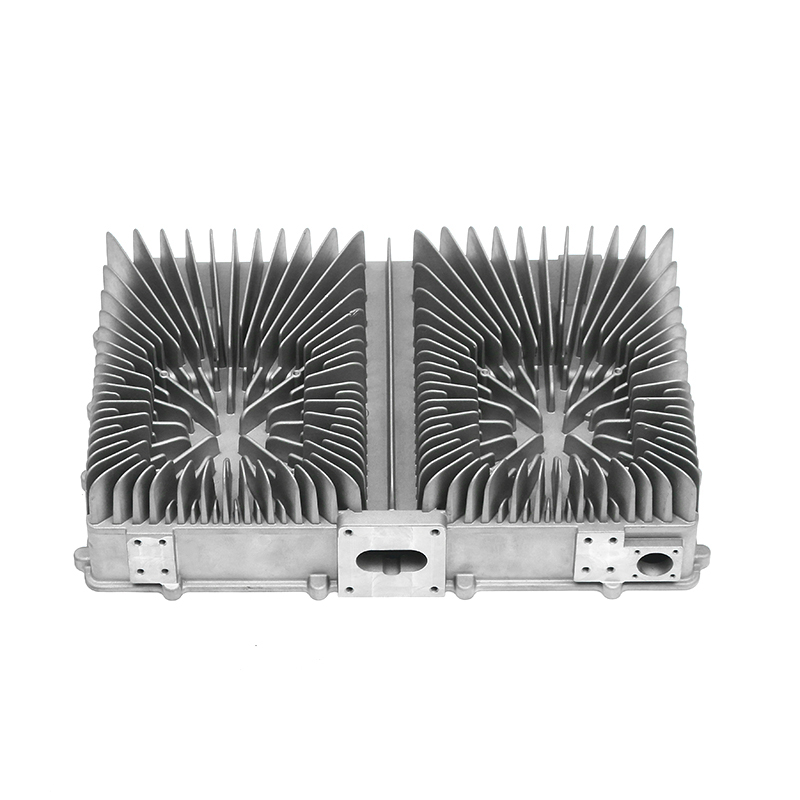
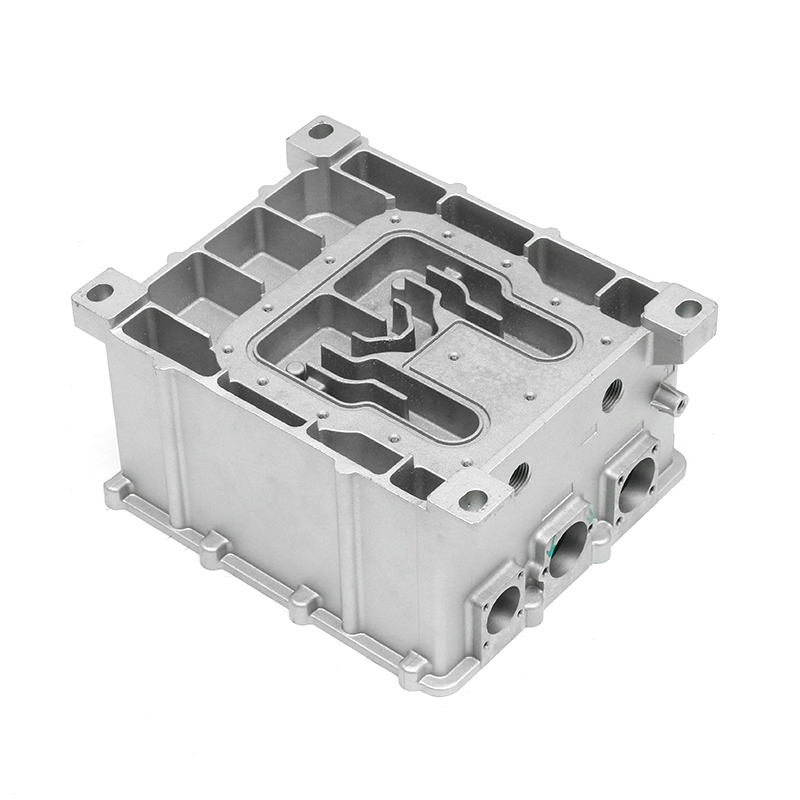
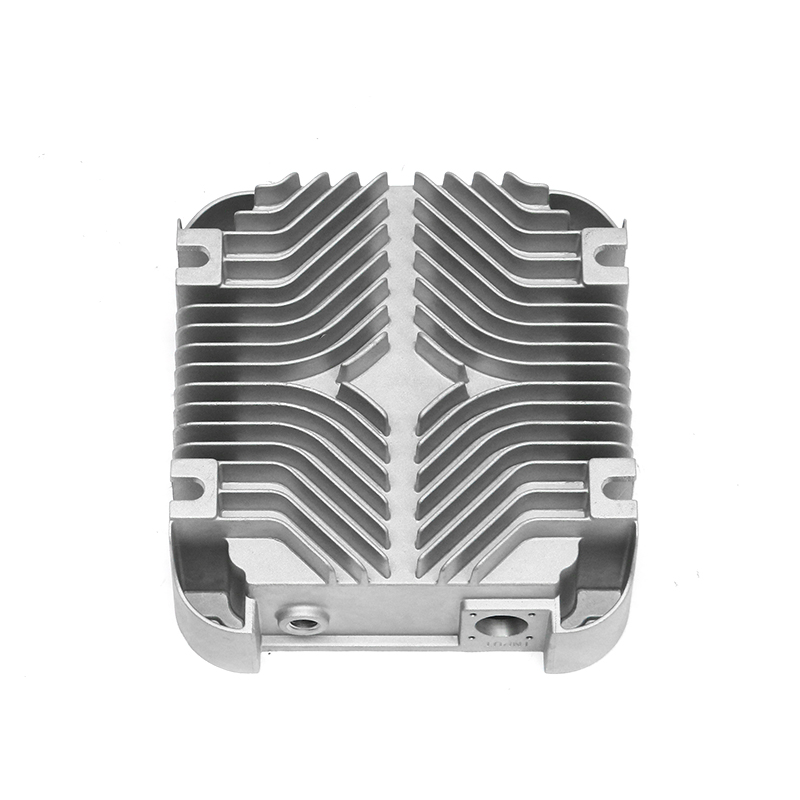
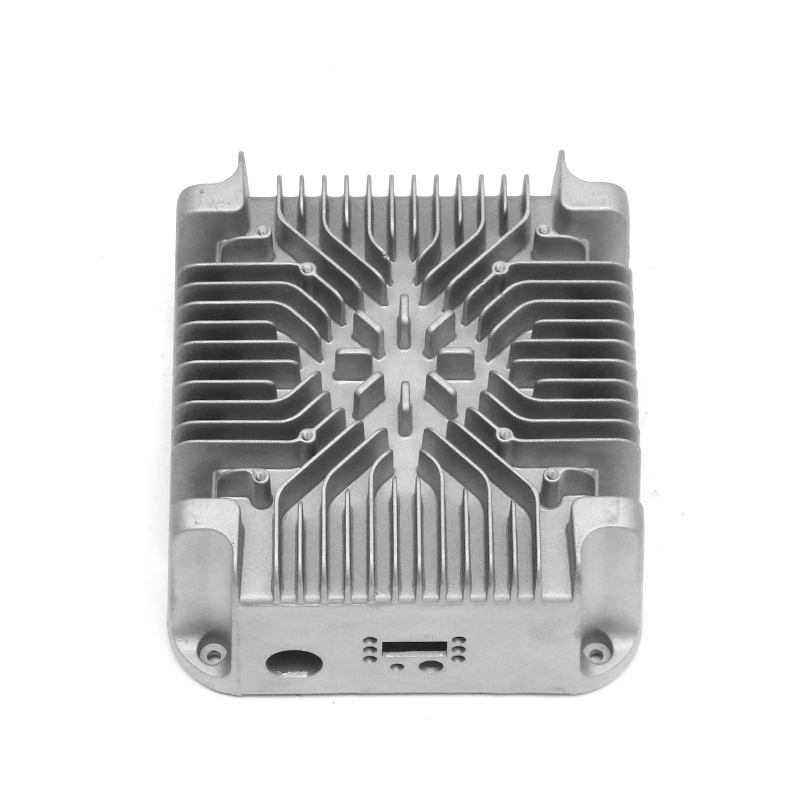
Thermal conductivity around 150 to 200 W/m·K, roughly one-third the weight of cast iron for a comparable housing size, good machinability for integrated cooling channels.
Cast Iron
Higher structural rigidity and lower cost per unit, but thermal conductivity closer to 50 W/m·K and significantly heavier, making it less common in passenger EVs.
Composite / Hybrid
Lightest option by weight, strong vibration damping characteristics, but thermal conductivity is the lowest of the three unless combined with embedded metal cooling inserts.
Aluminum's balance explains why it appears in most mass-market electric drivetrains, while cast iron persists mainly in heavy-duty or industrial motor applications where weight is less critical than raw durability.
Direct Comparison Table Across Key Performance Factors
| Factor | Aluminum Alloy | Cast Iron | Composite/Hybrid |
| Relative weight | Low | High | Very low |
| Thermal conductivity | High | Moderate | Low unless hybridized |
| Vibration damping | Moderate | Good | Excellent |
| Manufacturing cost | Moderate | Low | High |
| Typical application | Passenger EVs | Industrial/heavy machinery | High-performance or premium EVs |
Cooling Channel Design Inside the Housing Wall
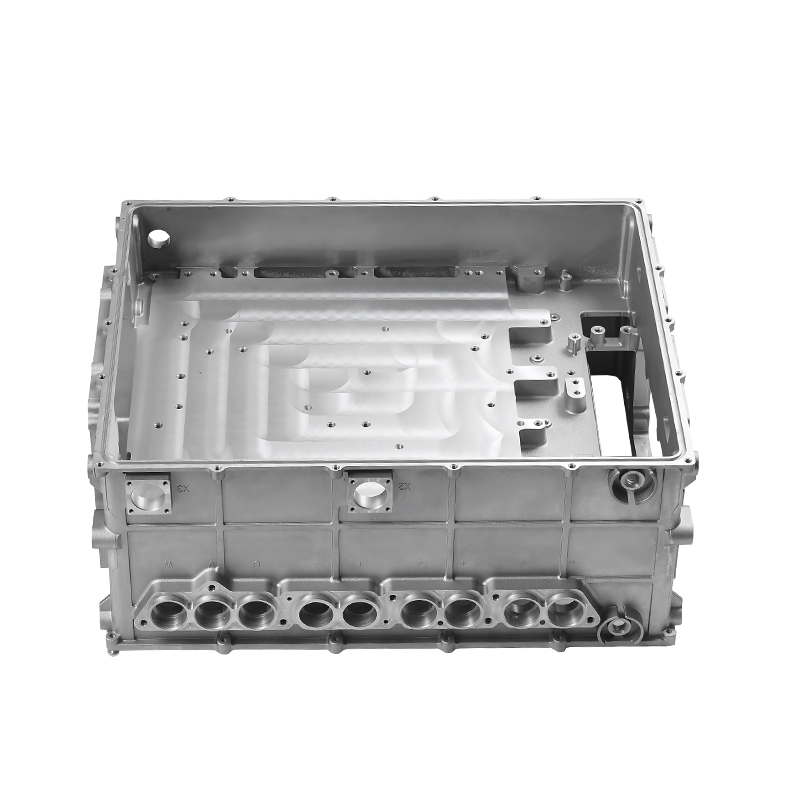
Beyond material, the internal cooling geometry has a major effect on sustained motor output. Two common approaches are spiral cooling channels cast directly into the housing wall and separate cooling jackets bolted or bonded onto the exterior.
- IntegratedSpiral channels cast into the aluminum housing wall reduce thermal resistance between coolant and stator, since there's no additional joint or interface layer to cross.
- Bolted JacketEasier to manufacture and repair independently of the housing, but the mechanical joint introduces a small thermal resistance gap that integrated designs avoid.
- HybridSome housings combine cast internal channels near the stator with an external jacket for additional surface area, used in motors expected to sustain high continuous torque.
Motors using integrated spiral cooling channels have been shown in bench testing to sustain higher continuous power output before thermal derating compared to motors relying solely on external jacket cooling, particularly during repeated high-load cycles typical of stop-and-go urban driving.
Sealing and IP Rating Requirements
New energy motor housings typically need to meet an IP67 or higher ingress protection rating, since the motor is frequently mounted low in the vehicle and exposed to road spray, dust, and occasional submersion during flooding. Achieving this requires precise machining tolerances at the housing split line and end covers, along with gasket or sealant selection that can survive both thermal cycling and long-term chemical exposure to coolant and road salts.
Static Seals
Used at bolted joints between housing halves; typically silicone or fluorocarbon rubber gaskets rated for sustained temperatures above 150°C.
Dynamic Seals
Used where the output shaft exits the housing; must resist wear from continuous rotation while maintaining a water-tight barrier.
Potting Compounds
Applied around electrical connector pass-throughs to prevent moisture ingress at wiring penetration points.
Weight Reduction Techniques Without Sacrificing Strength
Manufacturers use several methods to reduce housing mass while keeping structural integrity within safety margins.
- Topology optimization software identifies low-stress regions of the housing wall where material can be thinned or removed entirely.
- Ribbing patterns on the exterior surface add rigidity in high-stress zones without adding uniform wall thickness across the entire housing.
- Thin-wall die casting techniques allow aluminum housings to achieve wall thicknesses below 3 millimeters in non-load-bearing sections.
- Selective use of composite end covers in areas away from primary thermal and structural loads shaves additional weight from the overall assembly.
A housing redesign using topology optimization combined with thin-wall casting can reduce total housing weight by 15 to 25 percent compared to a conventional uniform-thickness design, without reducing the housing's rated torque or thermal capacity.
Manufacturing Process Trade-offs: Die Casting vs. Forging vs. Machining
| Process | Typical Use | Advantage | Trade-off |
| High-pressure die casting | Mass-production aluminum housings | Fast cycle time, complex internal geometry possible | Higher tooling cost upfront |
| Forging | High-stress structural components | Superior grain structure and fatigue resistance | Limited geometric complexity, higher per-unit cost |
| CNC machining | Prototypes and low-volume runs | High precision, fast design iteration | Not cost-effective at high production volumes |
Most volume EV production relies on die casting for the main housing body, reserving forging or machining for smaller structural inserts or prototype validation stages where design changes are still expected.