

 English
 русский
 عربى
عربى Deutsch
The Structural Imperative of High-Pressure Aluminum Powertrain Enclosures
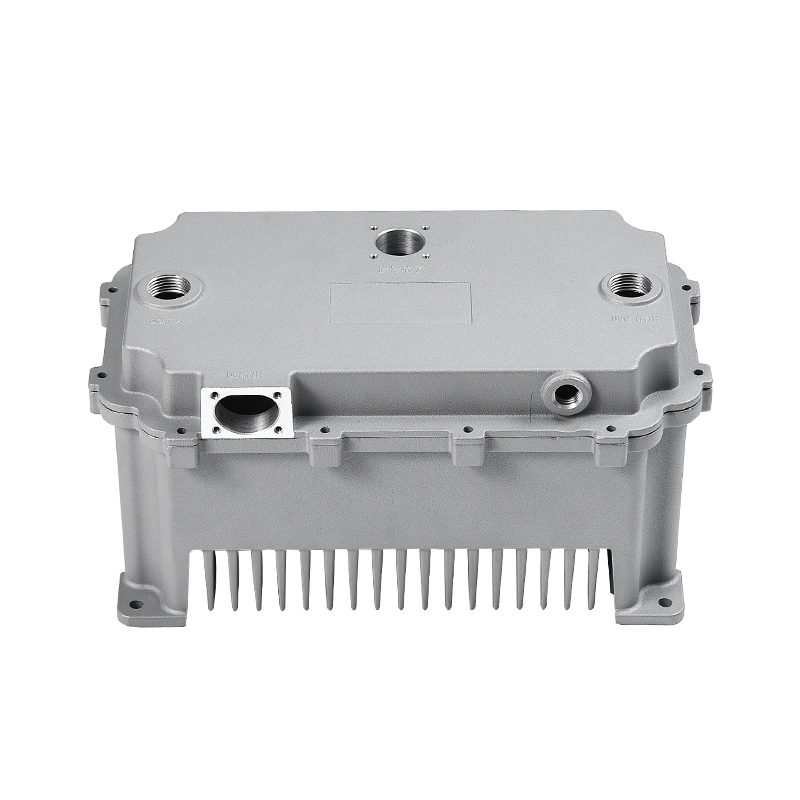
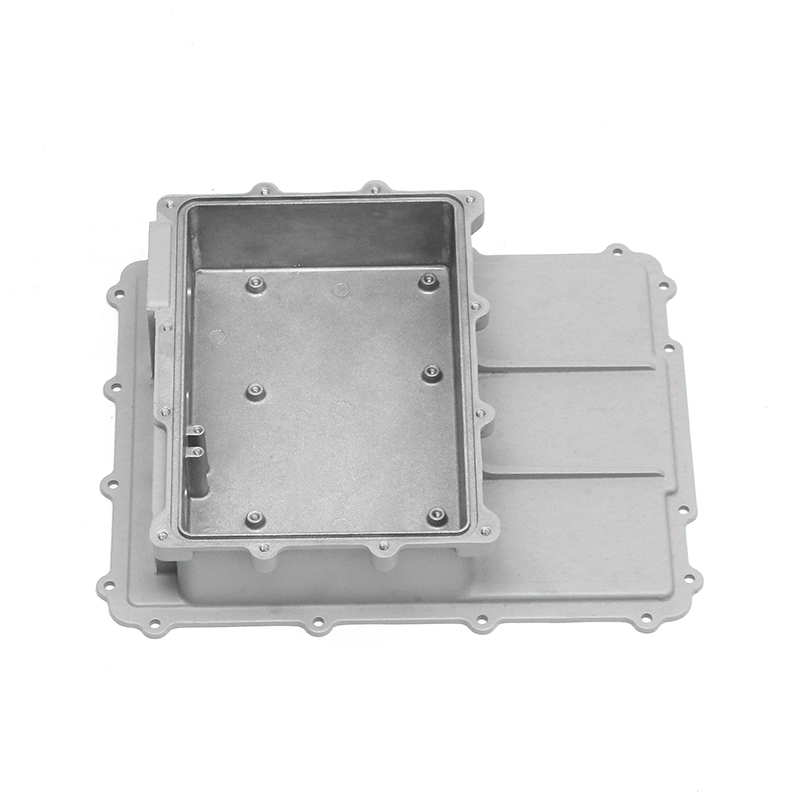
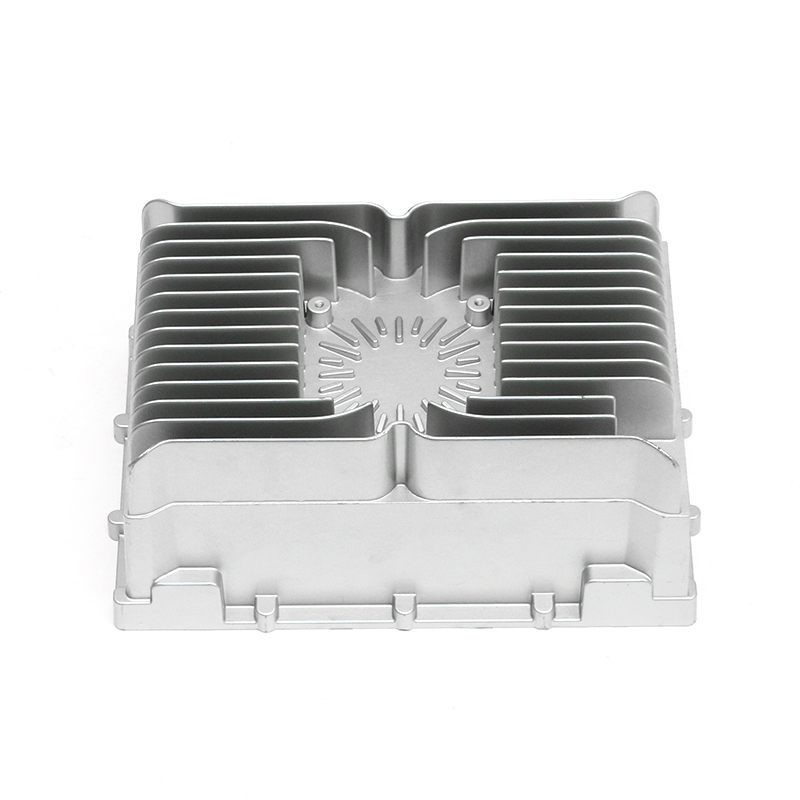
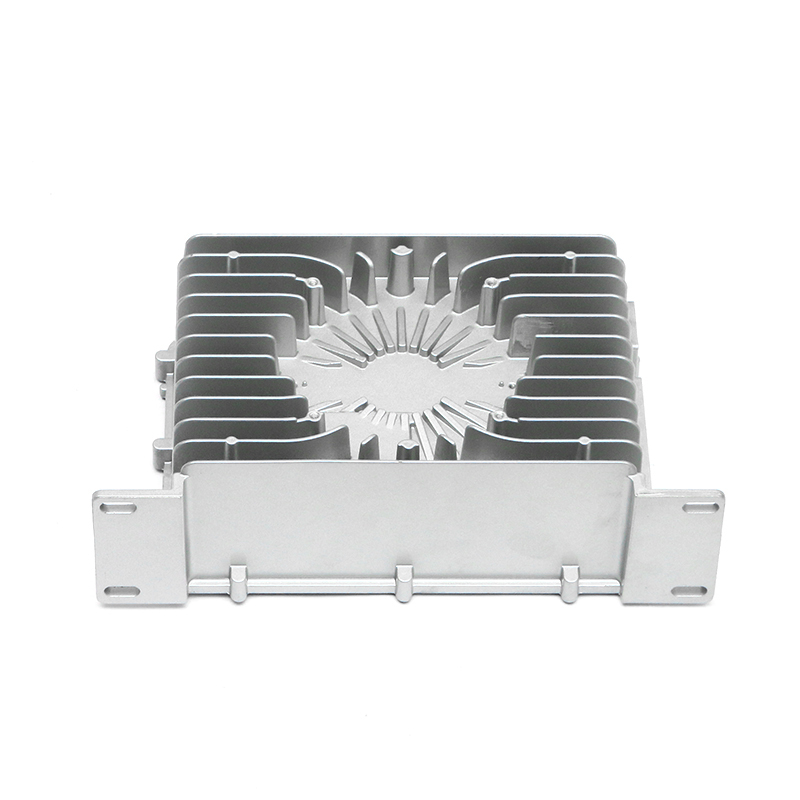
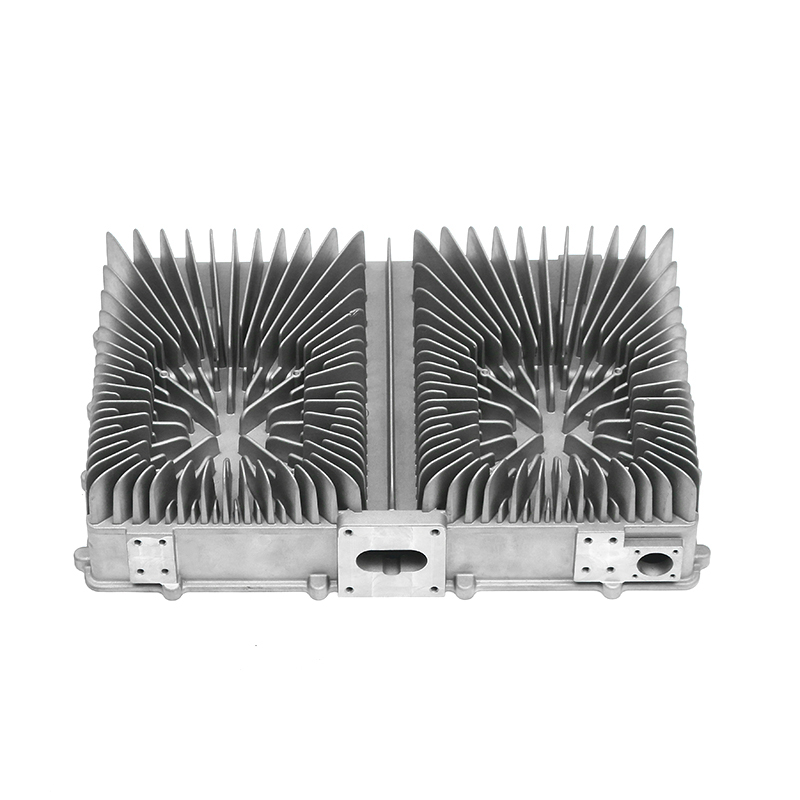
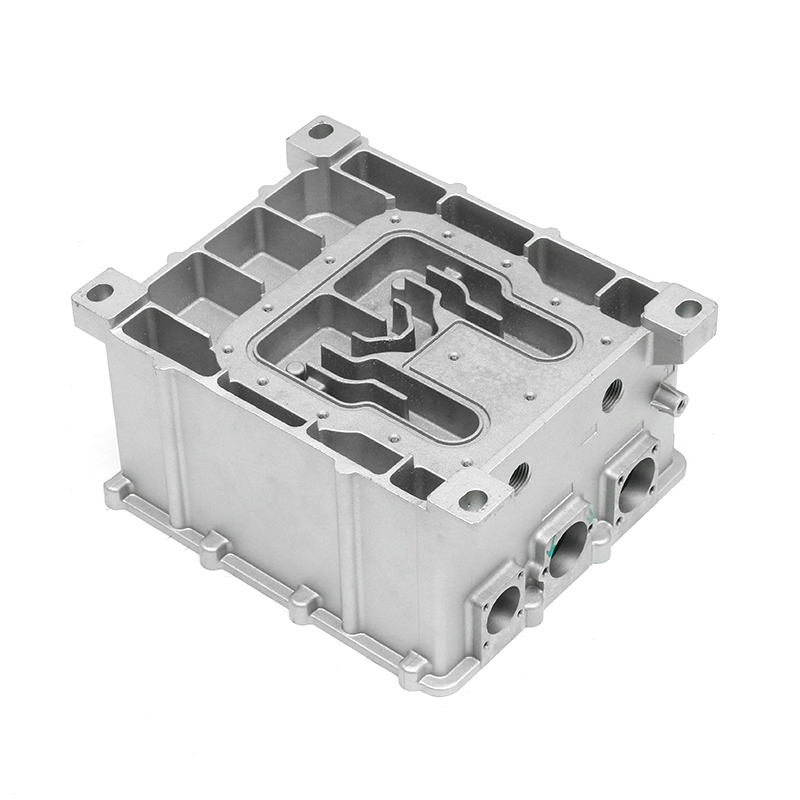
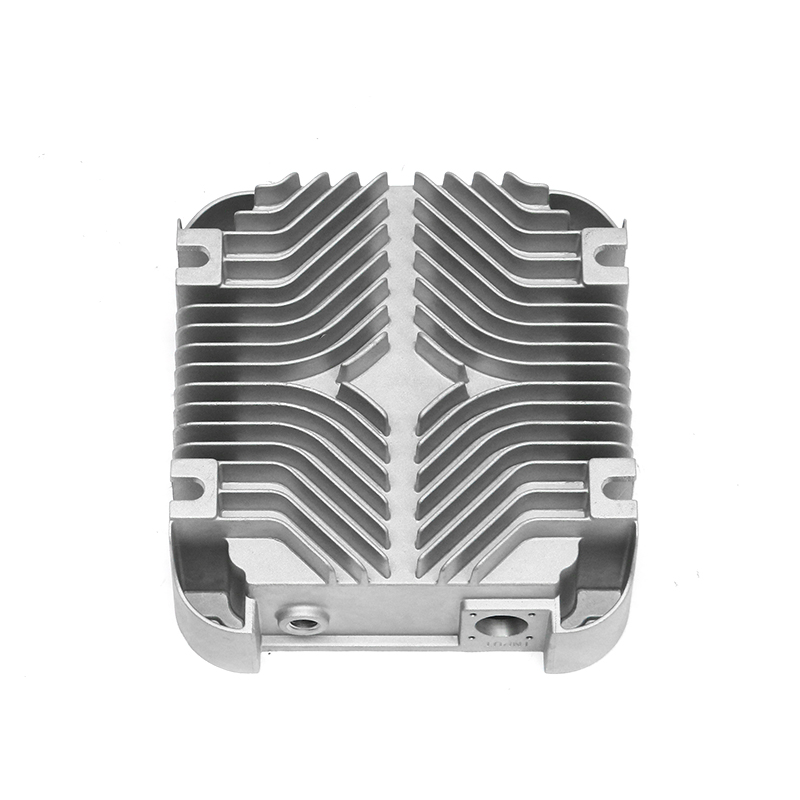
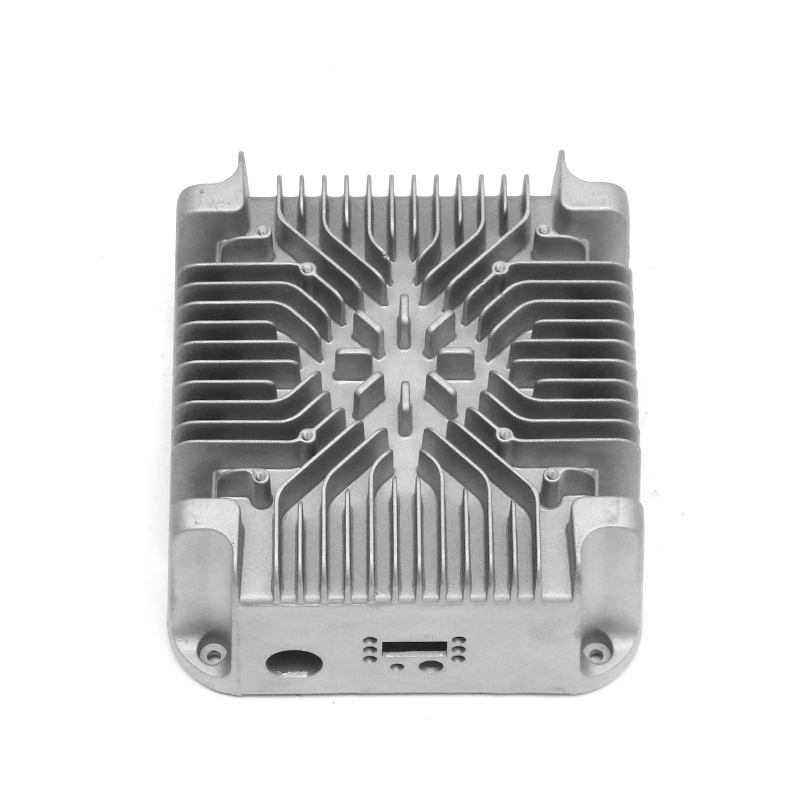
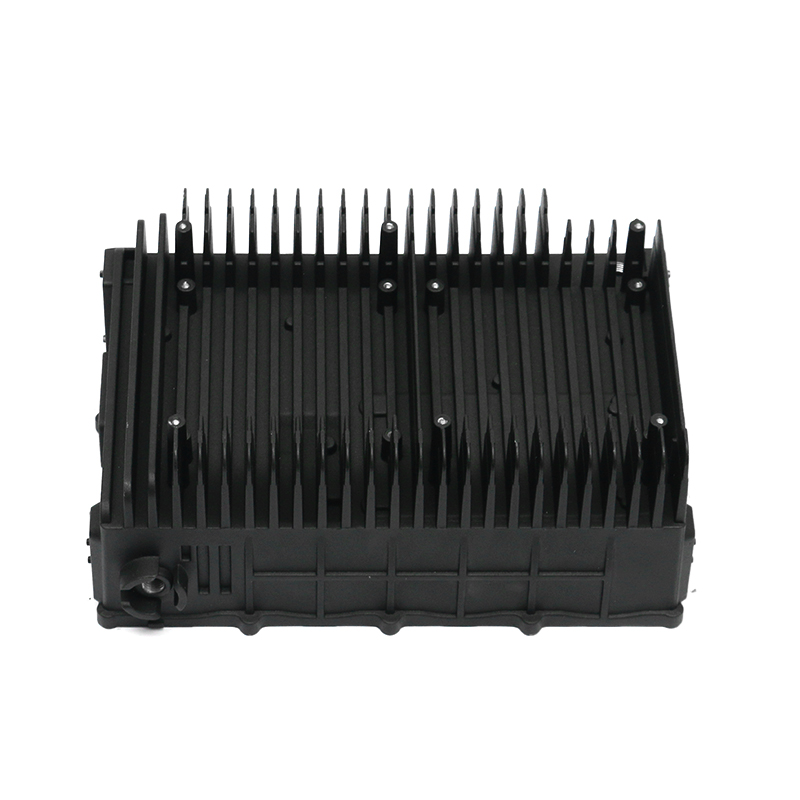
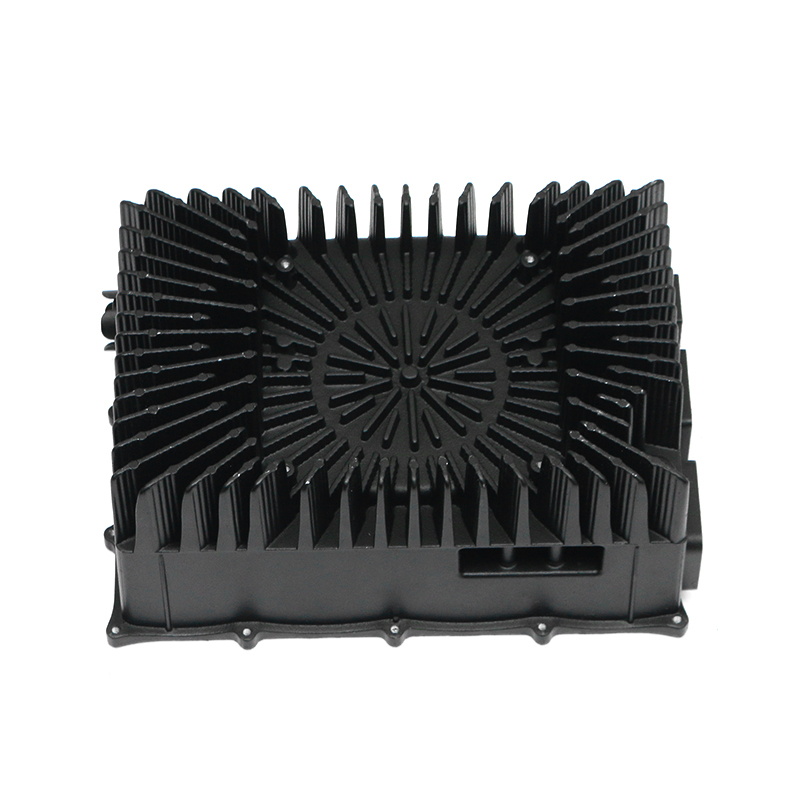
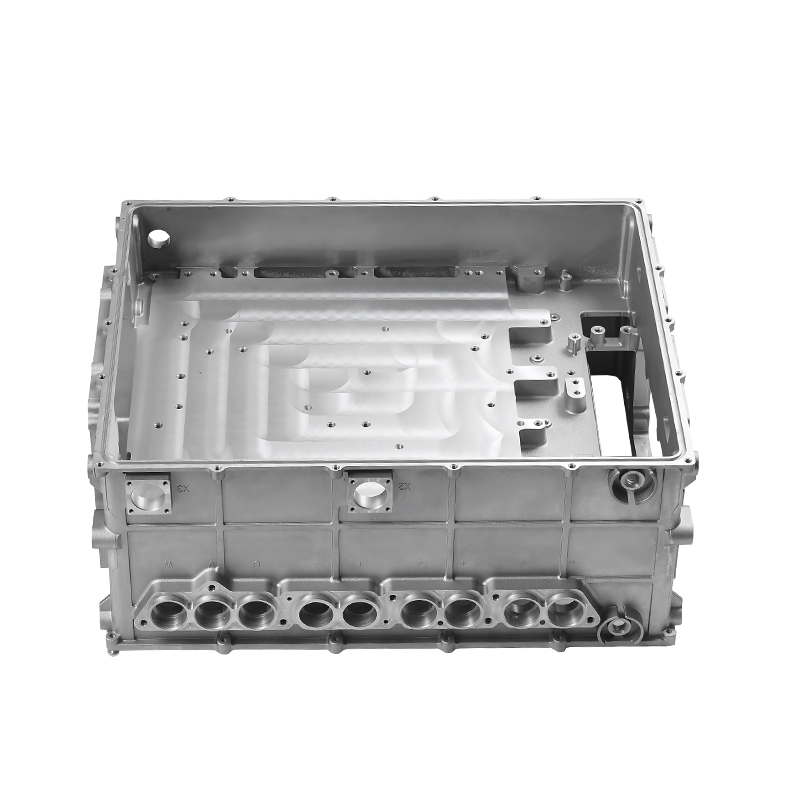
Implementing a highly advanced new energy motor housing die casting architecture provides the automotive industry with a definitive, lightweight solution for containing high-rpm electric drivetrains while guaranteeing optimal heat dissipation and high torsional rigidity. By utilizing specialized non-ferrous aluminum alloys injected into precision-engineered mold cavities under immense locking pressures, this manufacturing process enables the integration of complex, three-dimensional water jackets and structural mounting brackets directly into a single unified component. This structural approach establishes a highly optimized powertrain containment platform that achieves a weight reduction of up to 40% compared to legacy sand-cast iron frames, directly expanding vehicle driving range and ensuring long-term operational shielding for internal stator and rotor assemblies.
In the rapidly evolving electric vehicle (EV) sector, the powertrain enclosure must serve multiple roles concurrently. It act as a critical mechanical shield against road debris, a sealed pressure vessel for liquid glycol coolants, and an electromagnetic interference barrier. Traditional casting methods fail to deliver the thin-walled profiles and high dimensional accuracy necessary to minimize the vehicle's total weight. Transitioning to ultra-high-pressure die casting (HPDC) workflows allows automotive engineers to compress component thickness down to micrometer tolerances while completely eliminating secondary structural joints that are highly vulnerable to vibration fatigue and fluids leakage.
Metallurgical Alloy Engineering and Fluidity Dynamics
The mechanical integrity and heat-rejection capabilities of a electric motor enclosure are governed primarily by the composition of the aluminum alloy selected for the injection loop. Standard commercial alloys often lack the fluid dynamics required to fill thin, intricate structural ribs without forming gas porosity pockets.
AlSi10Mg Alloy Performance Metrics
AlSi10Mg is highly favored in new energy casting processes due to its exceptional fluidity and low thermal shrinkage coefficient. The high silicon content (ranging between 9.0% and 11.0%) lowers the liquidus temperature, allowing the molten metal to flow smoothly into complex cooling channel configurations before solidifying. Following a standardized T6 thermal treatment, this alloy achieves a tensile strength of 300 to 340 MPa and an elongation breakdown limit exceeding 4%, providing the structural strength needed to withstand continuous electric motor torque shocks.
Low-Iron Custom Formulations for Thermal Dispersion
While iron is traditionally added to die casting alloys to prevent the molten metal from soldering onto the tool steel faces, it negatively affects thermal conductivity by creating brittle intermetallic phases. Modern powertrain casting lines utilize customized aluminum formulations with iron content restricted to less than 0.6%. This metallurgical refinement boosts the enclosure's thermal conductivity to approximately 140 W/m·K, enabling rapid thermal transfer away from the copper stator windings and preventing thermal demagnetization in the rotor core.
Comparative Technical Analysis: High-Pressure Die Casting vs. Gravity Sand Casting
Selecting the optimal production method requires evaluating initial tooling capital against cycle duration, structural density, and post-casting finish metrics. The table below analyzes the structural and operational parameters of the primary manufacturing choices for motor housings.
| Engineering Quality Parameter | High-Pressure Die Casting (HPDC) | Gravity Sand Casting Platform |
|---|---|---|
| Minimum Achievable Wall Thickness | 2.5 mm - 4.0 mm (Ultra-Thin Optimization) | 6.0 mm - 8.0 mm (Bulky Cross-Sections Required) |
| Average Cycle Production Time | 60 - 90 Seconds Per Finished Unit | 20 - 45 Minutes (Mold Destruction Requisite) |
| Surface Roughness Index (Ra) | 3.2 μm - 6.3 μm (Excellent Net-Shape) | 12.5 μm - 25.0 μm (Coarse Texture Outlines) |
| Internal Gas Porosity Volumetric Ratio | < 1% (With Vacuum-Assisted Valving) | 3% - 5% (High Ambient Gas Inclusion Risk) |
| Initial Capital Tooling Investment | Extremely High (Premium H13 Steel Die Sets) | Minimal (Low-Cost Wood or Resin Patterns) |
The experimental data shows that while sand casting involves much lower initial tooling expenditures, it cannot satisfy the high efficiency requirements of modern mass production. Sand casting's slow cooling rates create coarse microstructures that compromise physical toughness, and the resulting thick walls add unnecessary mass to the vehicle's chassis. High-pressure die casting leverages high injection velocities to accelerate alloy solidification, creating a fine grain boundary layer that yields superior strength within an ultra-thin package.
Advanced Cooling Jacket Design and Structural Integration
Managing the intense heat generated by electric motors operating at speeds up to 20,000 rpm requires integrating dedicated cooling infrastructure directly into the housing walls during the casting phase.
- Helical Double-Layer Liquid Jackets: Die casting foundries create continuous, spiraling water pathways surrounding the stator core. This setup maximizes the surface area in contact with the coolant fluid, enabling high thermal energy extraction during sustained high-speed driving.
- Sacrificial Sand and Salt Core Matrices: To form complex, hollow internal water paths within a high-pressure metal stream, engineers insert high-density water-soluble salt cores into the mold tool. After the aluminum shell solidifies, the internal core is flushed out with high-pressure water jets, leaving an open, un-machined internal cooling passage.
- Integrated Inverter Mount Plates: Modern new energy housings combine the motor enclosure and the inverter housing into a single, multi-chamber casting. This two-in-one integration removes the need for external high-voltage copper cabling and separate cooling connections, reducing assembly complexity and elimination leak risk points.
Step-by-Step Vacuum-Assisted HPDC Process Workflow
Manufacturing large, structural motor enclosures requires a highly disciplined, automated injection sequence to maintain minimal gas porosity and precise dimensional control.
- Die Cleaning and Automated Release Lubrication: Robotic arms spray micro-refined synthetic lubricants across the hot surfaces of the H13 tool steel molds. This step cools the tool face and creates a thin release barrier to prevent aluminum soldering.
- Core Positioning and Die Hydraulic Clamping: Automated manipulators place the specialized cooling jacket salt cores into the die cavity. Heavy-duty hydraulic rams then clamp the moving and fixed die halves together with a locking force exceeding 35,000 kilonewtons.
- Precision Melt Ladling and Shot Sleeve Injection: A computerized ladling system pours a precise mass of molten aluminum alloy at exactly 680°C into the horizontal shot sleeve. A multi-stage hydraulic piston advances slowly to seal the pour hole.
- High-Vacuum Extraction and High-Velocity Injection: High-capacity vacuum valves engage to evacuate 95% of residual air from the sealed mold cavity within milliseconds. Simultaneously, the injection plunger accelerates to speeds exceeding 5 meters per second, forcing the molten alloy into the thin housing walls before it can freeze.
- Intense Intensification Pressure and Ejection: To compress any remaining micro-porosity bubbles, the piston applies a high packing pressure of 80 to 100 MPa during solidifying. Once cooled, the hydraulic clamps release, and integrated ejector pins push the hot motor enclosure out of the die cavity for robotic transfer.
Mitigating Structural Porosity and Quality Verification Controls
Because motor housings function as sealed pressure vessels, any micro-cracks or gas porosity can lead to structural failure or coolant leakage into active electrical windings.
X-Ray Computed Tomography Scan Inspections
To ensure the internal integrity of thick mounting ears and thin-walled sections, casting plants use automated, online X-ray computed tomography (CT) scanners. These systems scan every production unit, mapping internal voids down to 0.1mm tolerances. Components that exceed strict porosity thresholds are automatically rejected and sent back to the melting furnace, ensuring that only structurally sound parts reach the final vehicle assembly line.
Helium Mass Spectrometer Leak Validation
Following final machining of the stator bore and sealing faces, the internal cooling jacket undergoes rigorous pressure testing. The coolant channels are sealed, evacuated, and pressurized with tracer helium gas inside a vacuum chamber. Sensitive mass spectrometers monitor the chamber atmosphere, detecting leak rates as low as 10^-5 mbar·l/s. This comprehensive test ensures the cooling jacket remains fully sealed against high-pressure coolant circulation under extreme driving conditions.