

 English
 русский
 عربى
عربى Deutsch
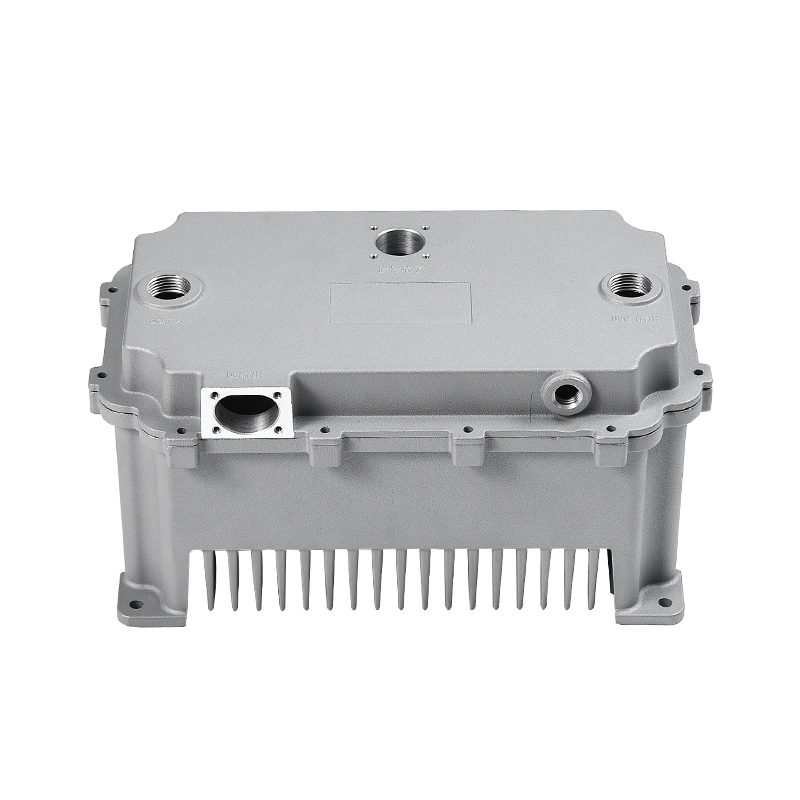
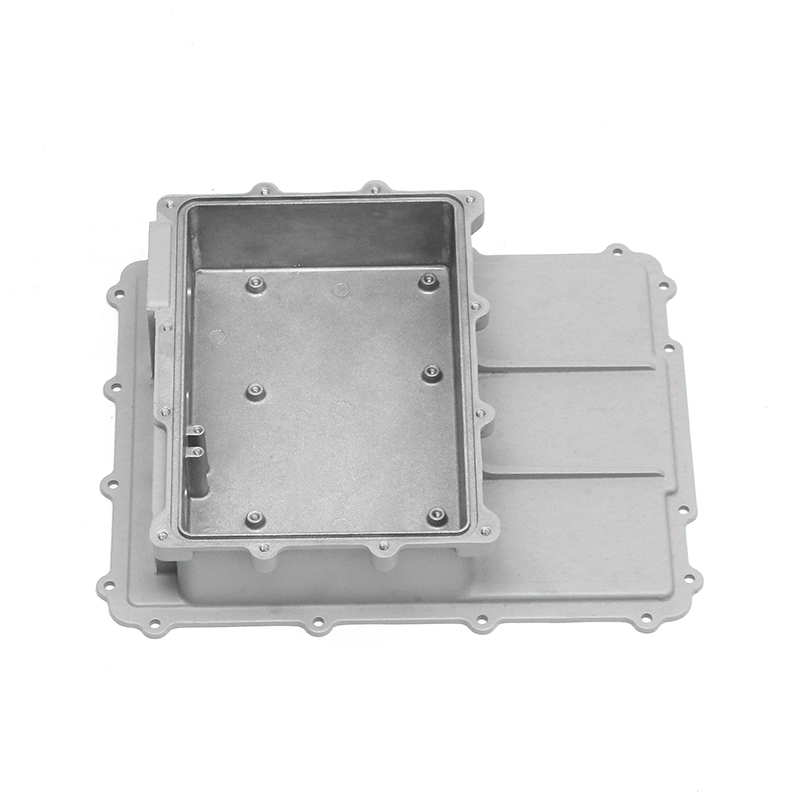
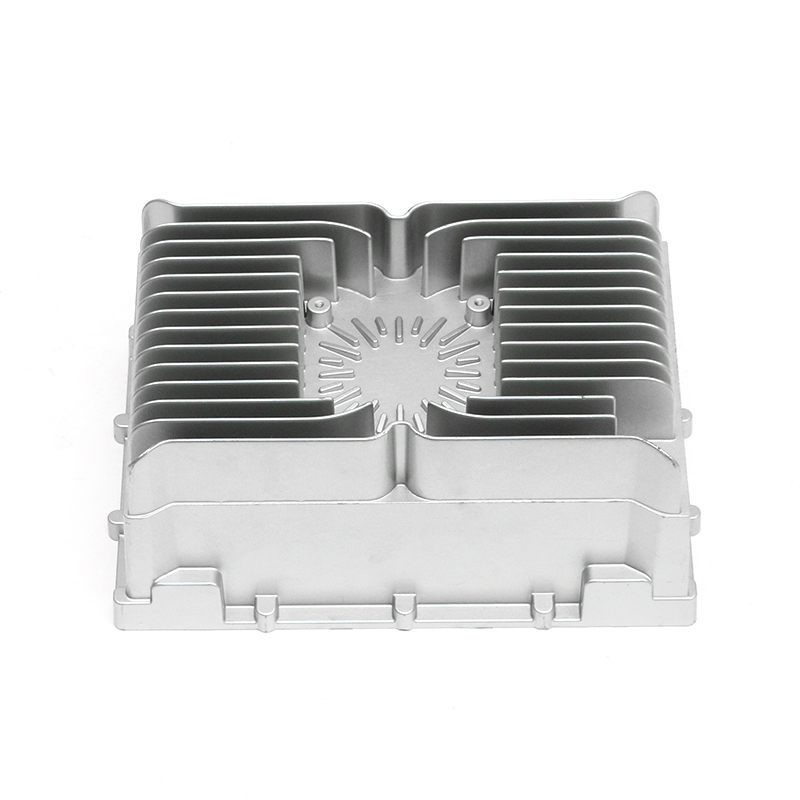
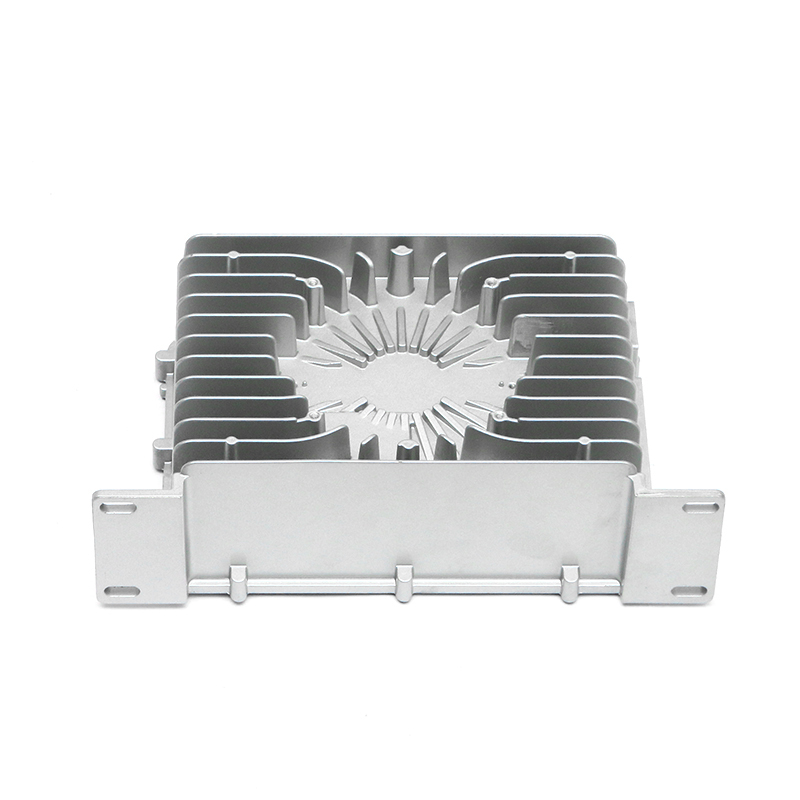
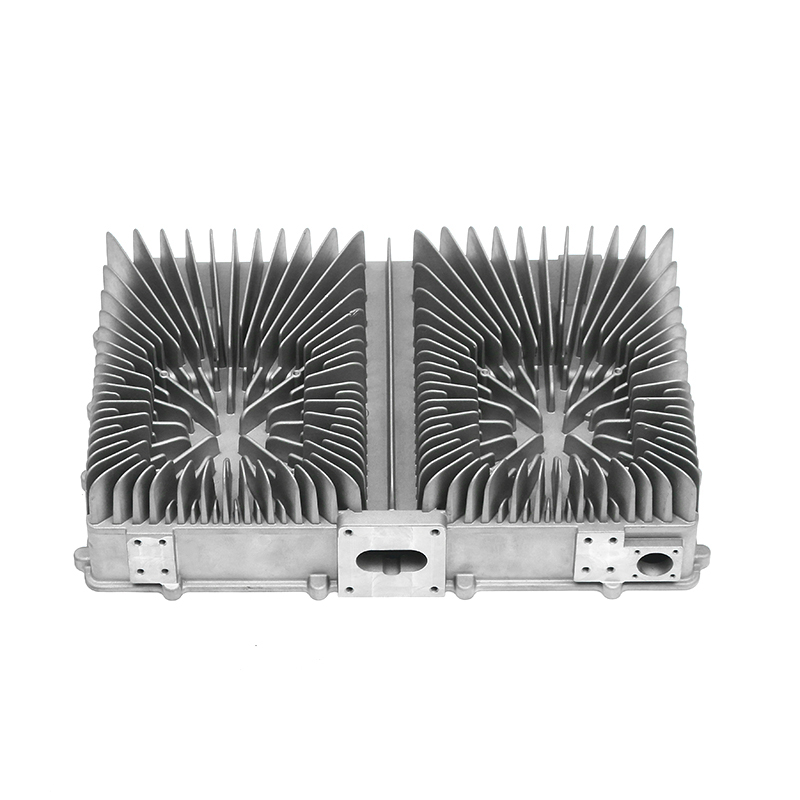
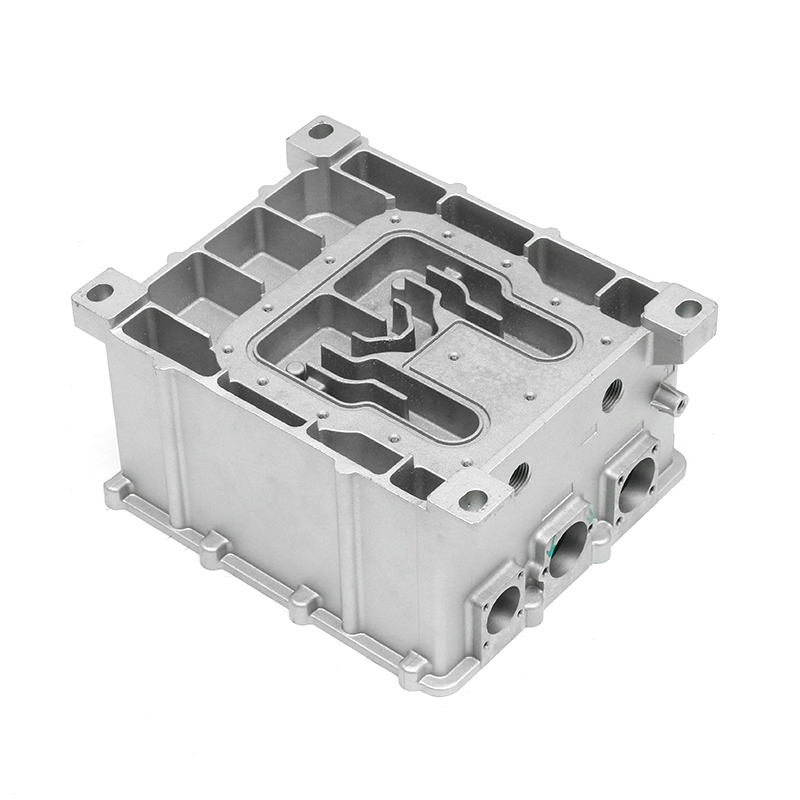
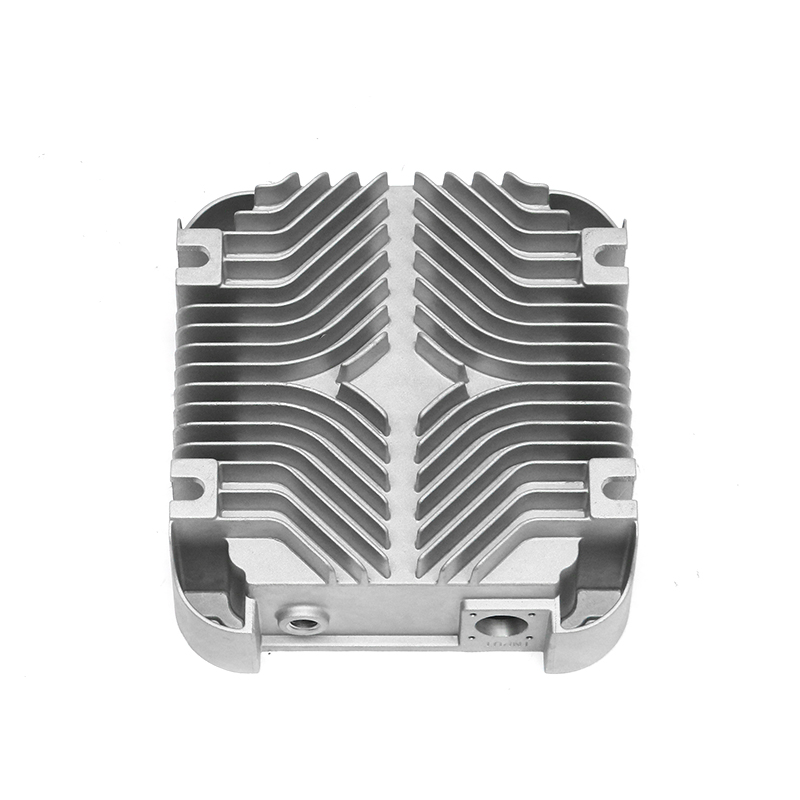
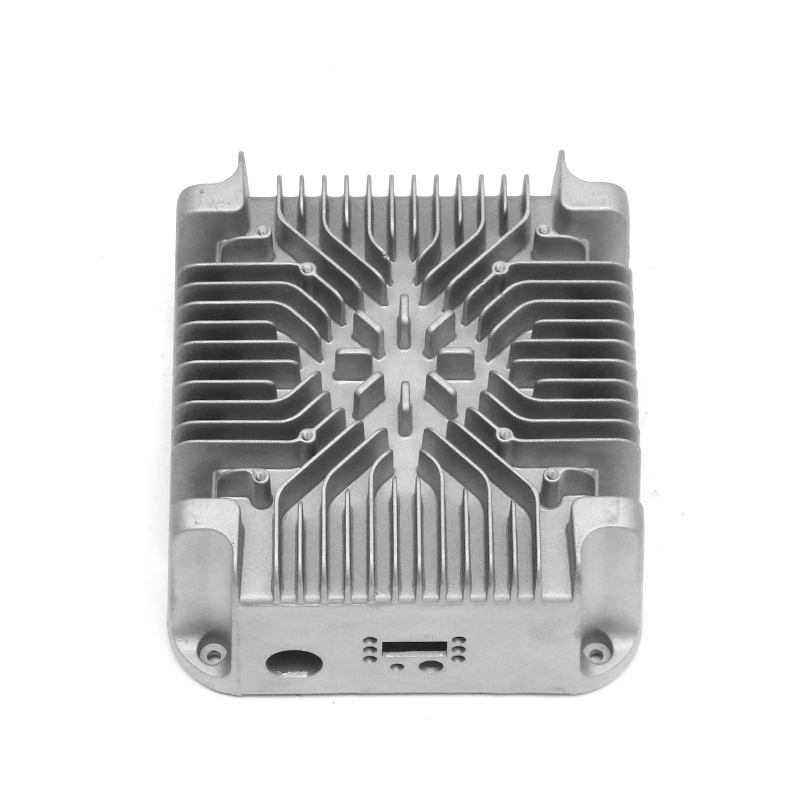
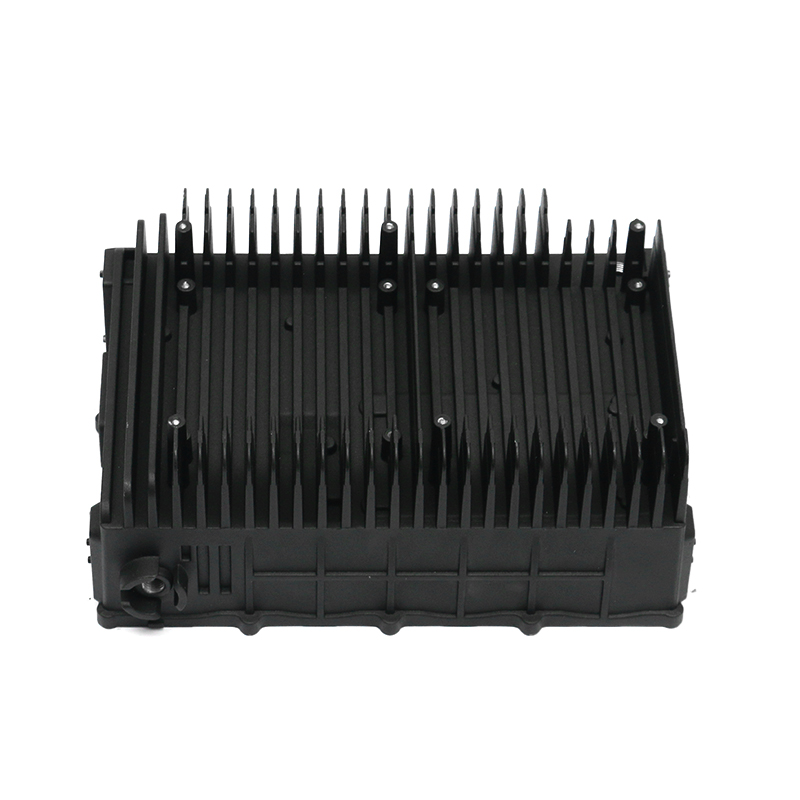
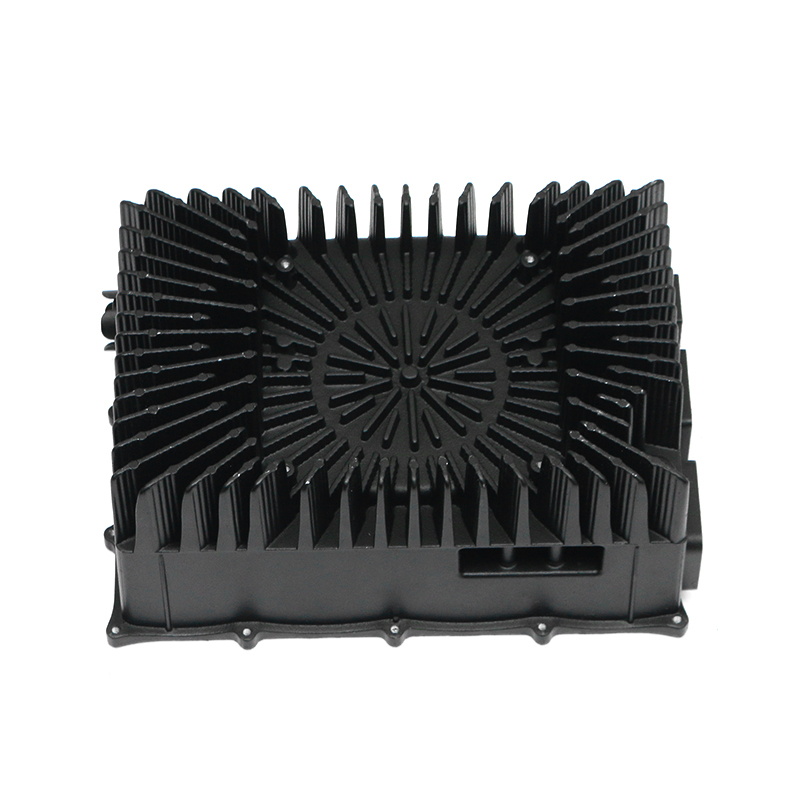
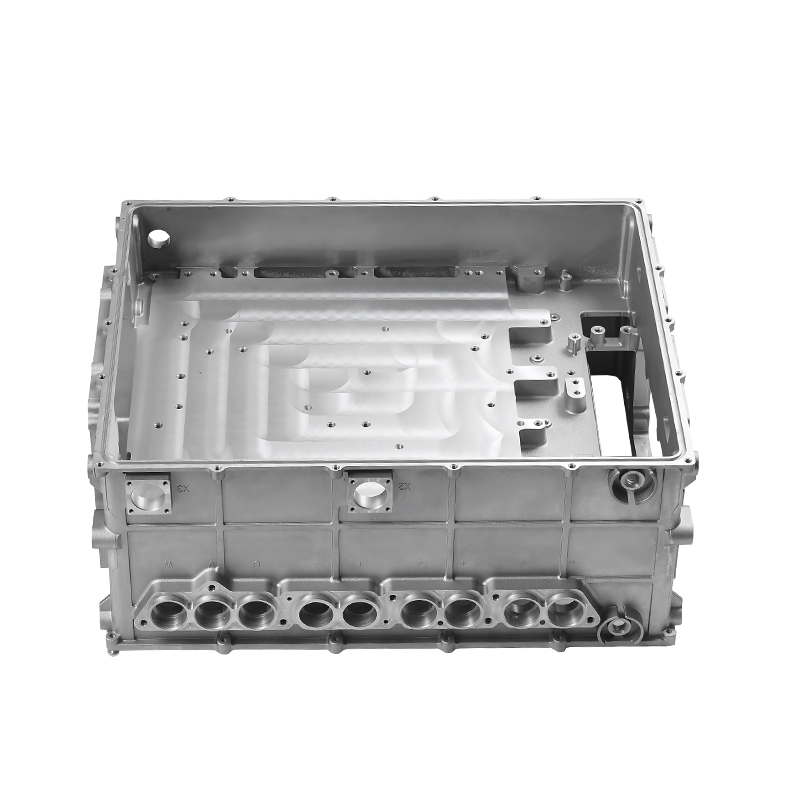
Selecting the optimal manufacturing architecture for a new energy motor housing represents a critical decision in modern electric vehicle (EV) powertrain development, directly determining the system's thermal efficiency, structural rigidity, and overall power density. While traditional internal combustion engine enclosures focus primarily on static fluid containment, electric vehicle propulsion environments demand precise, low-weight structural integration capable of managing extreme rotational stresses and aggressive thermal dissipation. For tier-one automotive engineers and OEMs, selecting between multi-piece casting and integrated extrusion determines the powertrain's long-term efficiency and competitive advantage.
Metallurgical Composition and Structural Integrity Under High Stress
The mechanical performance of a modern electric powertrain depends heavily on the structural housing's ability to resist torsional deflection under rapid torque acceleration. Modern electric motors regularly exceed 16,000 RPM, creating intense high-frequency vibrations and magnetic shear forces that can easily warp standard metal structures. Traditional die-cast housings often rely on classic A356 or A380 aluminum alloys. While these casting alloys are highly fluid and easily formed into complex shapes, they inherently suffer from microscopic porosity and variable crystalline structures, which reduce their ultimate tensile strength to roughly 220 MPa to 260 MPa.
Advanced structural components utilize specialized 6000-series aluminum alloys (such as 6061-T6 or 6082-T6) processed through high-tonnage precision extrusion or advanced low-pressure sand casting with localized hot-isostatic pressing. By forcing the refined metal matrix through engineered dies under extreme pressure, extrusion completely eliminates internal air pockets, creating a dense, uniform grain structure. This refinement raises the tensile strength beyond 310 MPa, allowing engineers to thin the protective outer walls down by 15% to 20% without sacrificing structural safety. This material optimization shaves vital kilograms off the chassis, directly translating into longer single-charge driving ranges.
| Engineering Parameters | High-Pressure Die-Cast Housing | Low-Pressure Cast + HIP Housing | Precision Extruded Aluminum Housing |
|---|---|---|---|
| Ultimate Tensile Strength | 220 – 250 MPa | 270 – 290 MPa | 310 – 340 MPa |
| Thermal Conductivity Profile | 90 – 110 W/m·K | 130 – 150 W/m·K | 170 – 200 W/m·K |
| Internal Porosity Margin | < 3% verified volume | < 0.5% verified volume | 0% (Fully dense grain structure) |
| Geometric Design Freedom | Extreme (Complex variable curves) | High (Thick internal baffling) | Moderate (Uniform linear profiles) |
| Wall Thickness Tolerance | ± 0.35 mm | ± 0.25 mm | ± 0.10 mm |
Thermal Management and Cooling Channel Architectures
Evaluating cooling performance requires looking closely at the internal fluid dynamics within the housing wall. Unlike traditional combustion engines that dump waste heat through an exhaust pipe, an electric stator generates intense internal heat that must be drawn away immediately through the protective casing. If the internal temperature passes $150^\circ\text{C}$, the copper wire insulation breaks down and the permanent magnets lose their strength, causing expensive system failures.
Engineering Note: Thermal modeling indicates that switching from a cast housing to a dense, extruded aluminum matrix improves thermal dissipation by up to 45%. This keeps stator temperatures significantly lower during prolonged high-speed highway driving.
Standard high-pressure die-casting processes struggle to form the long, unbroken internal channels needed for modern liquid cooling without using complex sand cores, which increases the risk of coolant leaks. To overcome this, an extruded new energy motor housing utilizes a dual-wall design with built-in longitudinal channels formed right during the extrusion process. These straight paths are then precisely sealed using friction stir welding (FSW) to create a high-pressure cooling jacket. This smooth, dense structure provides high thermal conductivity ($200\text{ W/m}\cdot\text{K}$), sweeping heat away from the stator coils quickly and allowing the motor to run safely at higher peak power levels.
Manufacturing Precision and Dimensional Tolerance Control
The interface between the motor's steel stator laminations and the aluminum enclosure requires precise dimensional control. To maximize torque transfer and avoid internal drag, the stator must be press-fitted or shrink-fitted into the housing with exact, uniform pressure. High-pressure die-casting shrinks slightly as it cools in the mold, causing subtle structural variations that require extensive follow-up machining to fix.
Advanced extruded profiles leverage state-of-the-art multi-axis CNC machining centers to hold tight ovality tolerances under 30 microns across a large 300 mm bore diameter. This extreme precision ensures perfectly uniform radial pressure around the stator core, preventing hot spots and keeping the rotor perfectly centered. This strict alignment minimizes high-frequency electromagnetic noise, delivering a smoother, quieter ride that high-end EV customers expect.
- Friction Stir Welding Integration: Joins separate aluminum sections with a solid-state bond, eliminating the pinholes and leak paths common with traditional MIG/TIG welding.
- Advanced Anodized Barriers: Applies a controlled oxide layer inside the cooling channels to prevent corrosion from glycol mixtures, ensuring long-term fluid flow.
- Integrated Stator Shrink-Fitting: Uses computerized induction heating to expand the housing perfectly, allowing the stator to seat cleanly without damaging internal components.
Capital Expenditure and Lifecycle Asset Evaluation
A detailed review of manufacturing economics shows that setting up high-pressure die-casting requires a significant initial capital investment. Designing and cutting large, multi-cavity steel molds demands substantial upfront spending and months of validation testing before production can even begin. This approach is only cost-effective for mass-market vehicle programs targeting high production volumes.
Conversely, extruded profile production lines offer a much faster, lower-cost path to manufacturing. The specialized steel dies used in extrusion cost a fraction of the price of massive casting molds and can be cut and updated in weeks. This flexibility is highly valuable for engineering teams developing low-volume sports models, heavy commercial trucks, or rapidly adapting to changing battery and powertrain designs. By reducing upfront tooling costs, companies can invest more resources into advanced validation testing and refining internal thermal performance.
NVH Attenuation and Vehicle-Level Integration
Successfully integrating a modern propulsion system into an electric chassis requires managing interior noise, vibration, and harshness (NVH). Because electric cars lack a loud combustion engine to mask minor noises, passengers easily notice high-frequency hums ($1\text{ kHz}$ to $4\text{ kHz}$) caused by the stator's magnetic forces. The outer enclosure acts as the final barrier to contain these vibrations before they reach the cabin.
To address this, advanced housings use a hybrid design approach. The main body utilizes a rigid, extruded sleeve to provide high thermal cooling and structural strength, while the end caps are made from dampening, low-pressure cast alloy to absorb structural vibrations. This smart combination of dense extrusion and flexible casting dampens high-frequency resonance, creating a serene, refined cabin environment that defines the modern luxury driving experience.
Frequently Asked Questions
Why is extruded aluminum preferred over traditional cast iron for a new energy motor housing?
Extruded aluminum provides a major weight reduction and far better thermal conductivity compared to cast iron. This allows the system to dissipate heat rapidly while shaving off weight, directly expanding the driving range of the electric vehicle.
How does friction stir welding prevent coolant leaks inside the housing's water jacket?
Friction stir welding is a solid-state joining process that blends the metal together without melting it. This avoids the air pockets, cracks, and structural weaknesses common in traditional welding, creating a reliable, leak-proof seal for high-pressure cooling fluids.
Can these advanced aluminum housings handle the thermal shock of extreme winter driving?
Yes. Utilizing high-density 6000-series aluminum alloys allows the structure to remain strong and ductile down to -40°C, safely absorbing sudden temperature spikes when the motor heats up under load without cracking.
What steps are taken to prevent galvanic corrosion within the cooling channels?
The internal channels undergo a specialized chemical anodizing treatment to form a tough protective oxide layer. This barrier blocks direct contact between the aluminum and the glycol-water coolant, preventing galvanic degradation over the lifetime of the vehicle.
Which housing architecture is better suited for low-volume luxury EV programs?
Extruded aluminum architectures are ideal for lower-volume projects. The tooling costs for extrusion dies are significantly lower than massive high-pressure casting molds, allowing engineering teams to modify designs quickly without massive financial penalties.