

 English
 русский
 عربى
 Deutsch
Picture this: you remove a water pump from a six-year-old engine and notice a dark etching line around the bleed screw boss. A pressure test confirms a slow leak through the housing wall. The impeller looks serviceable and the bearing still feels smooth, but the housing itself is the problem. In that situation, the responsible decision is to treat the housing as a structural component, not an accessory.
A water pump housing does far more than hold coolant. It shapes the flow, carries the bearing and seal, and transfers vibration into the engine block. If the casting is weak, pitted, or distorted, a new impeller or bearing will fail early. That is why an accurate evaluation of the housing matters more than the condition of the pump cartridge.
What Is a Water Pump Housing?
The water pump housing — also called the pump body or volute casing — is the pressure boundary around the impeller. The volute shape inside the casting converts the kinetic energy of the rotating impeller into pressure that pushes coolant through the engine block, cylinder head, and radiator. From a mechanical standpoint, the housing is the backbone of the pump assembly. It positions the bearing, centers the mechanical seal, and distributes the belt load into the engine block.
When evaluating or specifying a housing, check these functional zones:
- The volute chamber, which collects coolant discharged from the impeller and directs it to the outlet port.
- The impeller cavity, machined to control the tip clearance between the vanes and the housing wall.
- The bearing bore, whose concentricity determines seal and impeller alignment.
- The seal seat, a flat and smooth surface that supports the mechanical seal face.
- The inlet and outlet connections, which include cast port shapes and machined gasket surfaces.
- Mounting bosses and dowel holes that locate the housing on the timing cover or engine block.
Why Aluminum Die Casting Dominates
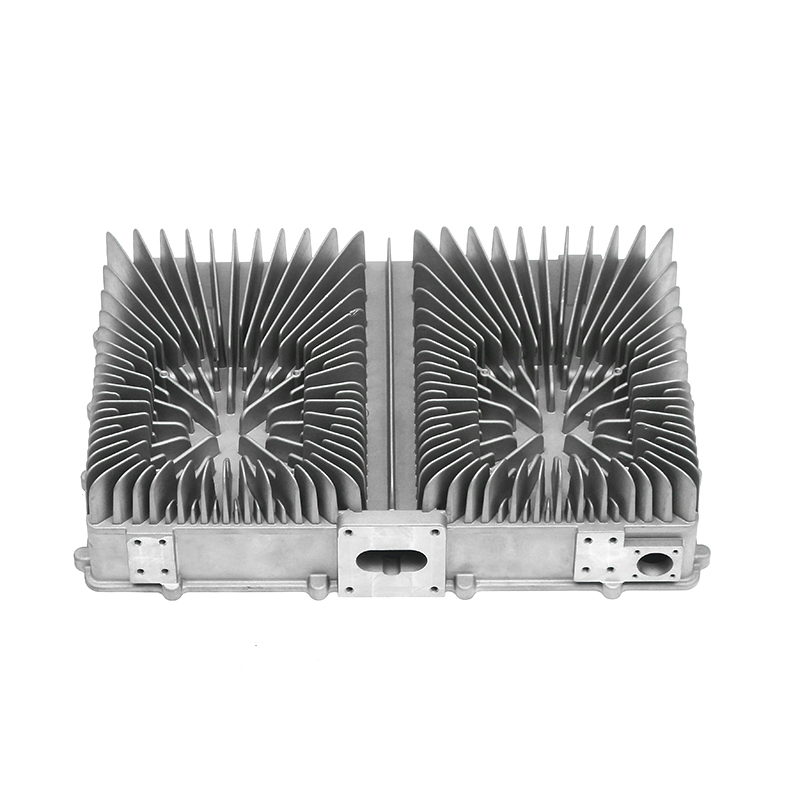
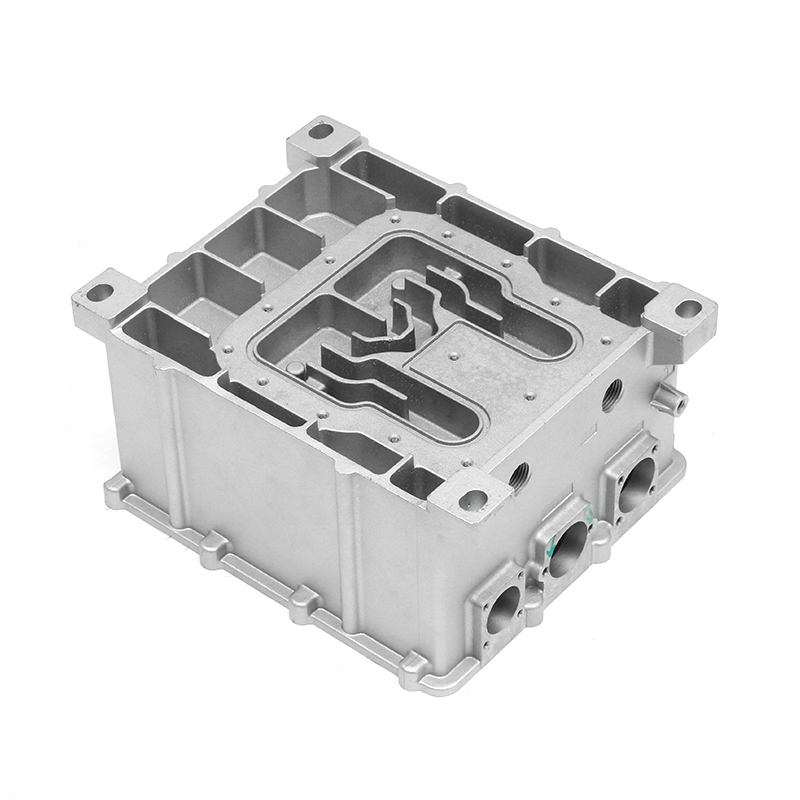
If you source a new housing from an OEM or aftermarket supplier, it will almost certainly be an aluminum high-pressure die casting. Aluminum is not the only option, but it wins on the balance of weight, thermal conductivity, dimensional consistency, and machining cost. The housing must also act as a heat sink for the mechanical seal; aluminum pulls heat away far more effectively than cast iron. That reduces seal temperature and extends seal life.
The most important manufacturing advantage is consistency. High-pressure die casting creates complex thin-wall geometries with repeatable tolerances as long as the mold is designed correctly. Small changes in gate position or cooling channel layout can produce porosity near the seal seat. That is why the mold design directly determines casting quality. We built our company from a tooling background and still design and maintain every mold in-house, then run the parts on 400T to 2000T die-casting machines. Controlling the mold gives us control over wall thickness, internal soundness, and final machinability.
Key Quality Indicators
Not every aluminum housing on the market is equal. The difference shows up in the first 12 months of service. A housing with correct material specification, dense casting structure, and precise machined surfaces will hold coolant pressure across a wide temperature range. A weaker part can begin weeping at the seal seat or through a microscopic shrinkage channel.
| Check | Typical requirement | Result if ignored |
|---|---|---|
| Wall thickness at the volute | 3–5 mm depending on pump size | Thin walls cause porosity leaks and low burst strength |
| Seal seat flatness | 0.05 mm maximum across the seat | Uneven seat causes gradual seepage and seal lip damage |
| Bearing bore tolerance | H7 class | Loose bore creates shaft runout and impeller chafing |
| Critical-section porosity | Less than 2% in polished sample | Internal shrinkage connects into a pressure leak path |
| Mounting face flatness | 0.1 mm over 100 mm | Distorted face reduces gasket clamping and invites leaks |
| Sealing surface roughness | Ra 1.6–3.2 µm | Rough surface damages the O-ring or gasket |
The same surface-quality logic applies to the impeller bore: a rougher wall increases turbulence and can gradually chip the impeller vanes. We summarized the relationship in our analysis of water pump wear resistance.
Damage Patterns and Inspection
In practice, a housing rarely fails without one of four signatures: coolant-side corrosion, cracking, seal-face wear, or casting defects such as porosity and shrinkage. The chart below shows a representative distribution from field-service observations; the exact proportion varies by engine platform, but the pattern is consistent.
Inspect a removed housing in three steps. First, check for white corrosion trails around bolt holes, the drain plug, and casting joints. Second, look for hairline cracks near mounting bosses; these often begin at a sharp corner where the stress concentration is high. Third, measure the bearing bore and seal seat with a bore gauge. You also can perform a simple air leak test by blanking the ports and pressurizing the housing to 1.5 bar under water. In our production lines, every housing goes through a dedicated leak tester after final machining. A housing with no leak is the basic precondition for a rebuilt pump to last.
Repair or Replace?
Can a corroded aluminum housing be welded? Occasionally, but welding a die-cast aluminum body is risky. Die castings contain internal gas and different alloy phases; localized heat can create new porosity and distort the bearing bore. Epoxy patches only delay the leak and may push debris into the cooling circuit. As a rule, a structural crack, a corrosion pit deeper than 0.5 mm, or an out-of-round bearing bore means the housing should be replaced.
The economic case is equally clear: an eight-hour welding and straightening operation costs more than a new housing, and the repaired part still has no guarantee of pressure integrity. For a workshop, the responsible move is to replace the housing as part of a complete water pump service.
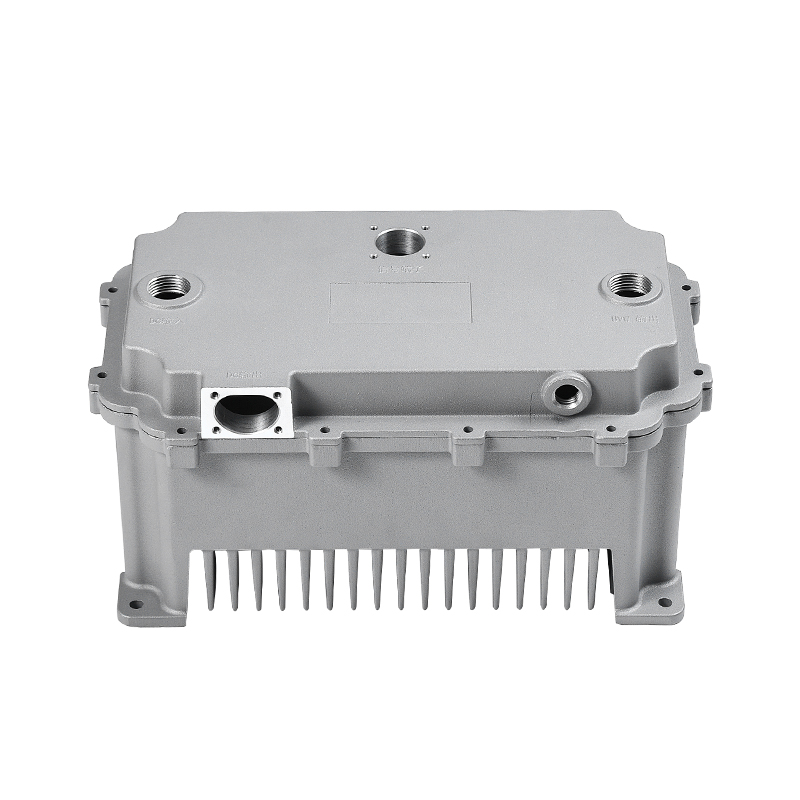
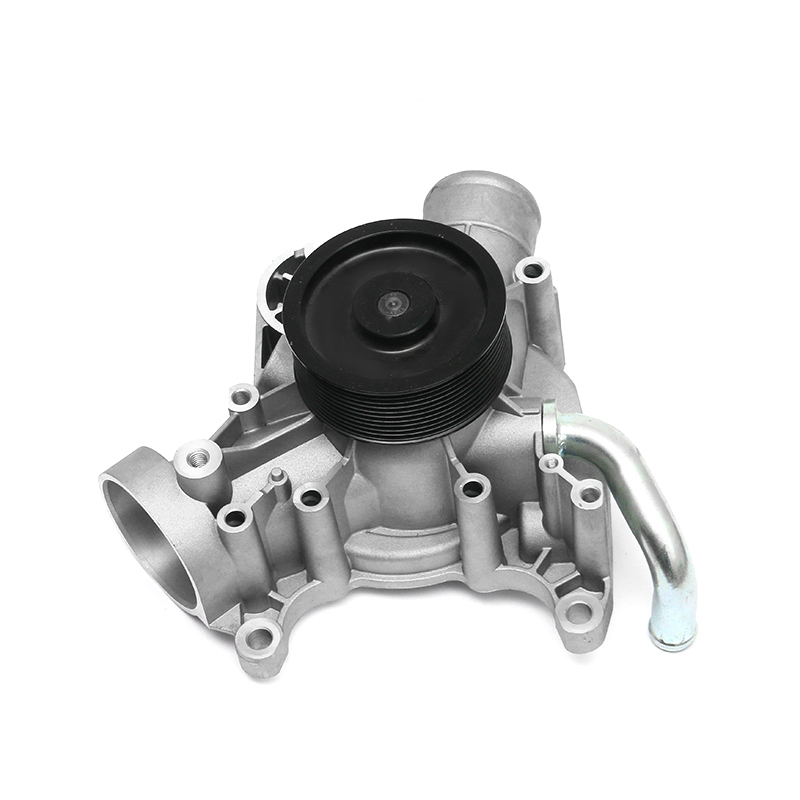 Die-Cast Car Water Pump Housings for Engine CoolingHigh-pressure die-cast water pump housings machined and leak-tested per part, ensuring reliable cooling system performance for workshops and OEM buyers.View Product →
Sourcing a Replacement Housing
If you are a workshop manager or an OEM buyer, apply the same criteria that a qualified die-casting plant uses. A housing should be produced by high-pressure die casting, machined after casting, and leak tested on every piece. These are not luxuries; they are the minimum controls that keep a cooling system reliable.
- Process: high-pressure die casting, not gravity casting, for complex thin-wall pump bodies.
- Material: verify the aluminum grade, commonly ADC12 or AlSi9Cu3, and ask for the supplier’s certificate.
- Machining: the bearing bore, seal seat, and gasket faces must be machined after casting; unmachined surfaces are a warning sign.
- Leak test: demand 100% air leak testing at a defined pressure.
- Traceability: a date code or heat code on every housing allows batch-level quality tracking.
For electric vehicles and hybrids, the same discipline applies to the electronic water pumps used in battery thermal management. If you are evaluating that application, our new energy electronically controlled water cooling series is produced in the same facility, using the same mold and test philosophy.
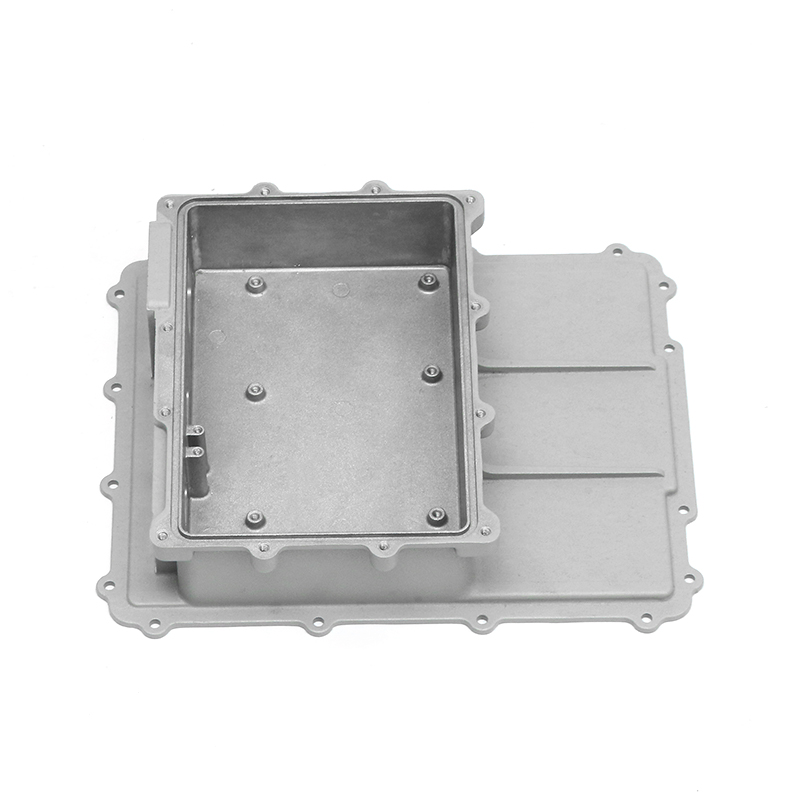
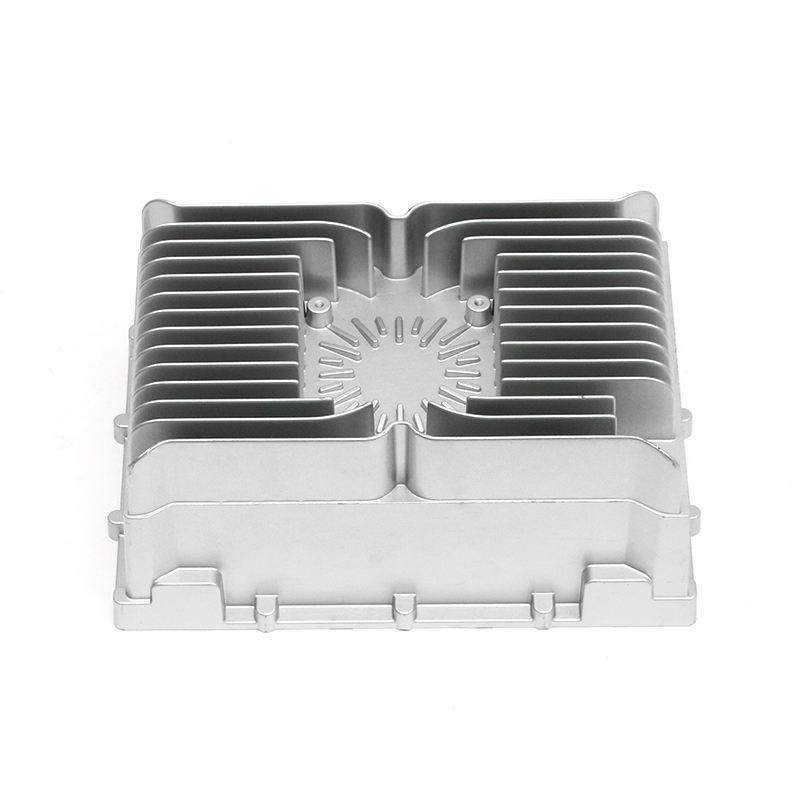
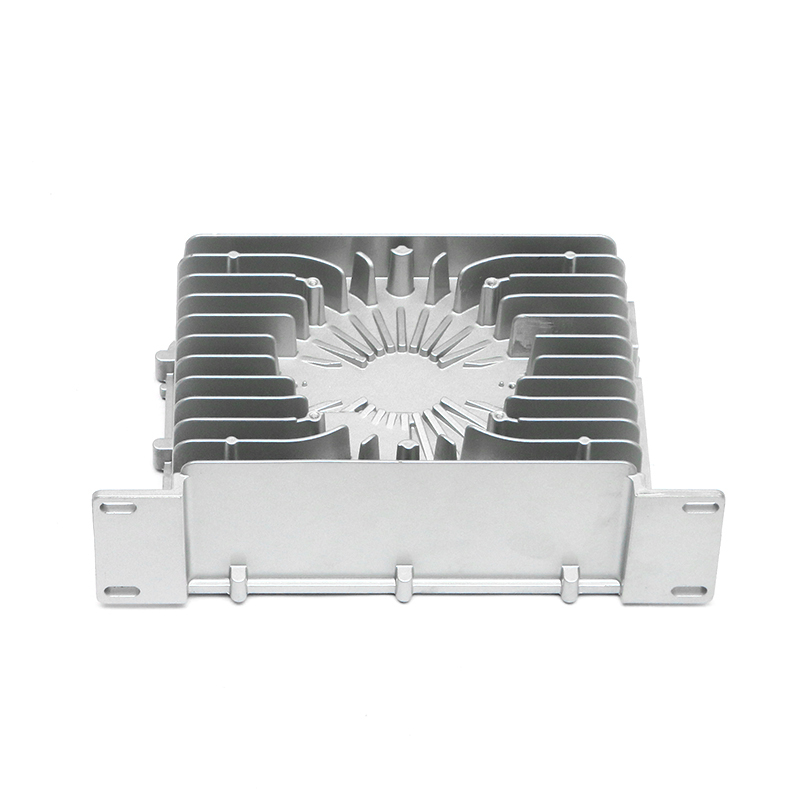
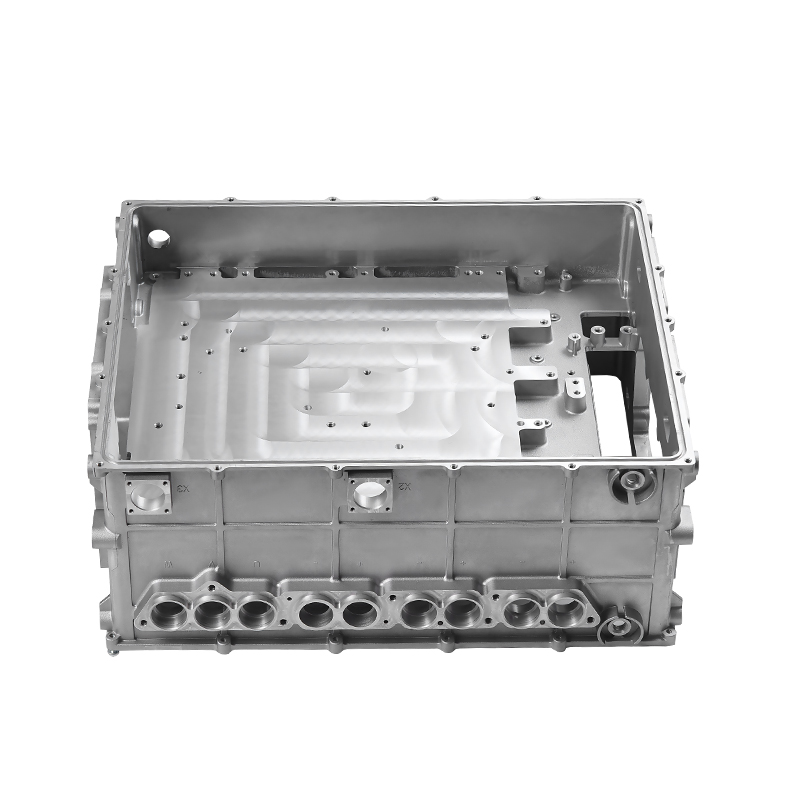 New Energy Electronically Controlled Water Cooling Series Die-Cast ComponentsAdvanced die-cast cooling components with intelligent flow control, corrosion-resistant materials, and precision fit, ideal for EV and hybrid thermal management.View Product →
A water pump housing is not a commodity bracket. It is a pressure vessel with tight dimensions that determine how long the pump, seal, and bearing survive. When you see corrosion, cracks, or porosity, replace it rather than gamble on a repair. And when you source a housing, look for a die-caster with in-house mold design, full machining, and a documented leak test on every part. That combination eliminates the hidden variables that shorten pump life.