

 English
 русский
 عربى
 Deutsch
A housing that is 0.04 mm out of round at the bearing bore, or 0.15 mm out of flat at the seal seat, will shorten pump life no matter how good the impeller and the shaft seal are. The housing sets the alignment of the whole rotating group, carries the mounting and belt loads, and forms half of the sealing system, which is why most slow weeps, bearing whines and repeat replacements trace back to it.
The practical rule is simple: choose the material for the mass and thermal target, then hold five dimensions tightly. Those are bearing bore diameter and roundness, bore-to-seat concentricity, seal seat flatness, seal seat surface finish and flange flatness. Everything else on the casting is secondary. The sections below cover what the housing does, the material trade-offs, realistic tolerance bands, how housings fail and what to verify before accepting a batch.
What a water pump housing actually has to do
A housing is not a passive shell. It performs five jobs at once, and each one carries a measurable requirement.
- Locate the bearing and shaft so the seal faces stay parallel; the bearing bore is usually the tightest tolerance on the part.
- Form the seal chamber and set the gap between the impeller and the volute wall, which drives flow at low engine speed.
- Route coolant to the impeller eye without dead corners where air can collect.
- Carry mounting and belt loads without deflecting at the cover joint.
- Move bearing heat into the coolant or the surrounding air so grease life is not cut short.
Most passenger car housings are high-pressure die cast from a hypoeutectic Al-Si alloy such as ADC12 or A380. Older and heavy-duty applications still use gray cast iron in the HT250 or G3000 class, where mass and thermal conductivity matter less than cost and wear resistance.
Aluminum or cast iron: what the material change actually buys
The material decision changes four things you can measure: mass, heat rejection, corrosion behaviour and tooling cost.
| Attribute | Aluminum die casting (ADC12 / A380) | Gray cast iron (HT250 / G3000) |
|---|---|---|
| Typical housing mass | about 0.8 to 1.5 kg | about 2.0 to 3.5 kg |
| Thermal conductivity | about 92 to 120 W/mK | about 45 to 55 W/mK |
| Casting route | High-pressure die casting on 400 to 2000 T machines | Sand or gravity casting |
| Behaviour in aged coolant | Pitting and galvanic attack once inhibitors are depleted | Uniform surface rust, slower section loss |
| Machining | High speed, sharp tooling, chip control critical | Slower speeds, very stable dimensions |
| Weak point | Porosity in bore and seal chamber walls | Mass and wall thickness |
Aluminum usually wins the argument: roughly a kilogram less at the front of the engine and about twice the thermal conductivity keep the bearing cooler. The trade-off shows up later, because coolant chemistry matters far more in an aluminum housing. Depleted inhibitors plus chloride contamination start pitting at the seal chamber and the gasket face, and pitting under the seal seat is what turns a weeping seal into a coolant loss complaint. Improving water pump wear resistance and service life in these conditions depends as much on alloy choice and casting soundness as on the seal design itself.
The dimensions that decide whether a housing leaks or seizes
Five features drive almost all housing-related failures. The bands below reflect typical passenger car pumps; confirm each one against your own drawing and duty cycle.
- Bearing bore diameter: commonly held within plus or minus 0.010 mm, with roundness inside half that value. An oval or worn bore lets the shaft orbit and loads the seal faces unevenly.
- Bore-to-seat concentricity: often 0.03 to 0.05 mm total indicator reading. An off-centre seat makes the seal run on a one-sided wear track.
- Seal seat flatness: 0.02 to 0.05 mm across the seating face, with surface roughness around Ra 1.6 micrometres or finer. Coarser faces let coolant creep under the seal lip.
- Mounting flange flatness: 0.10 to 0.20 mm across the face. Beyond that the gasket is preloaded unevenly and the joint weeps after a few thermal cycles.
- Wall thickness: thin shells of 3 to 4 mm save mass but distort during clamping and heat cycling, which moves the bore and takes the seal seat with it.
How housings fail, and what the damage tells you
Read the damage before deciding whether a used casting can go back into service. The pattern usually points to one root cause.
- Pitting around the seal seat: a coolant chemistry problem. Even 0.1 mm of pitting depth removes the flat seating face, and a new seal will not cure it.
- Erosion tracks in the volute or behind the impeller: cavitation, usually from air entrainment or a restricted inlet.
- Polished, ridged or oval bearing bore: shaft play. If a fingertip can feel a ridge, the casting is finished.
- Crushed or dimpled flange face: gasket compression loss or an over-torqued fastener sequence.
- Cracks or pulled threads at the bosses: assembly damage rather than service wear.
- Hard white or brown scale inside the passages: coolant breakdown, abrasive to the seal and a warning about the whole cooling system.
For most service programmes the arithmetic favours a complete replacement. Pressing a bearing out of a marginal bore and re-cutting a pitted seat costs more than a new assembly, and the result is still limited by the old casting, which is why rebuilders working on high-mileage engines normally swap the whole unit.
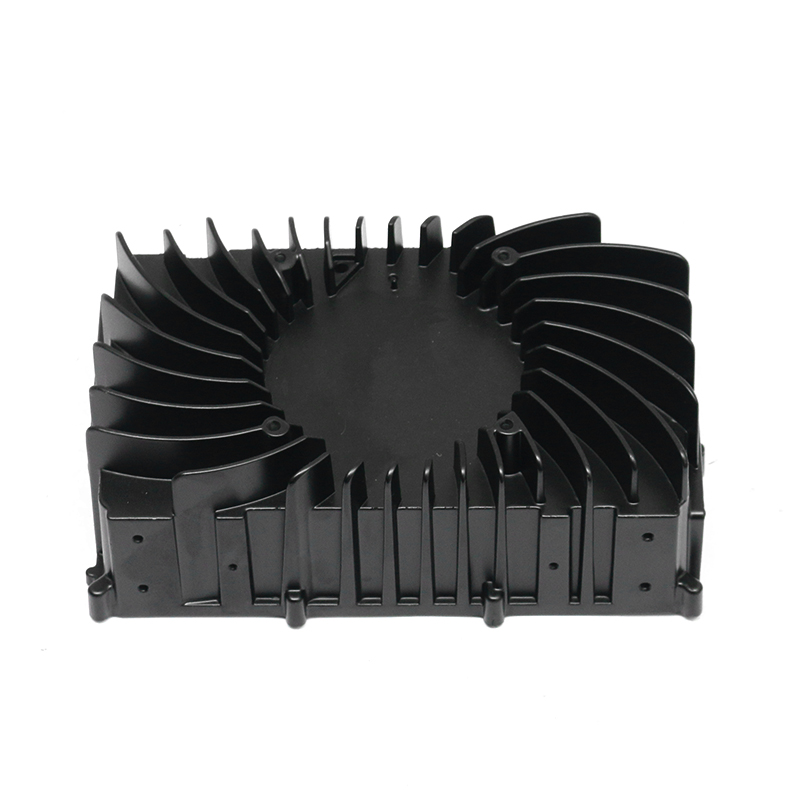
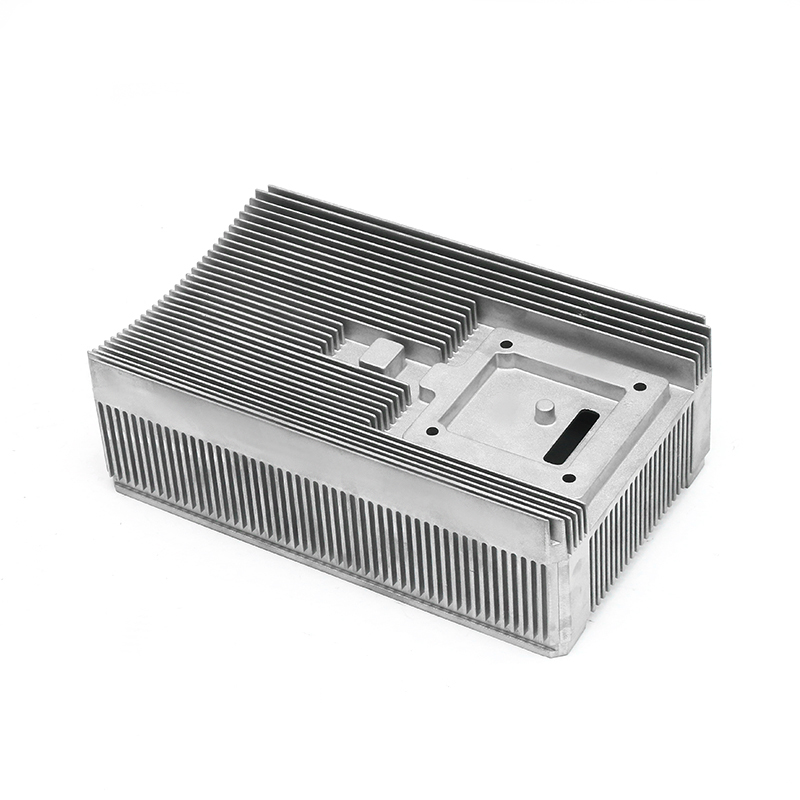
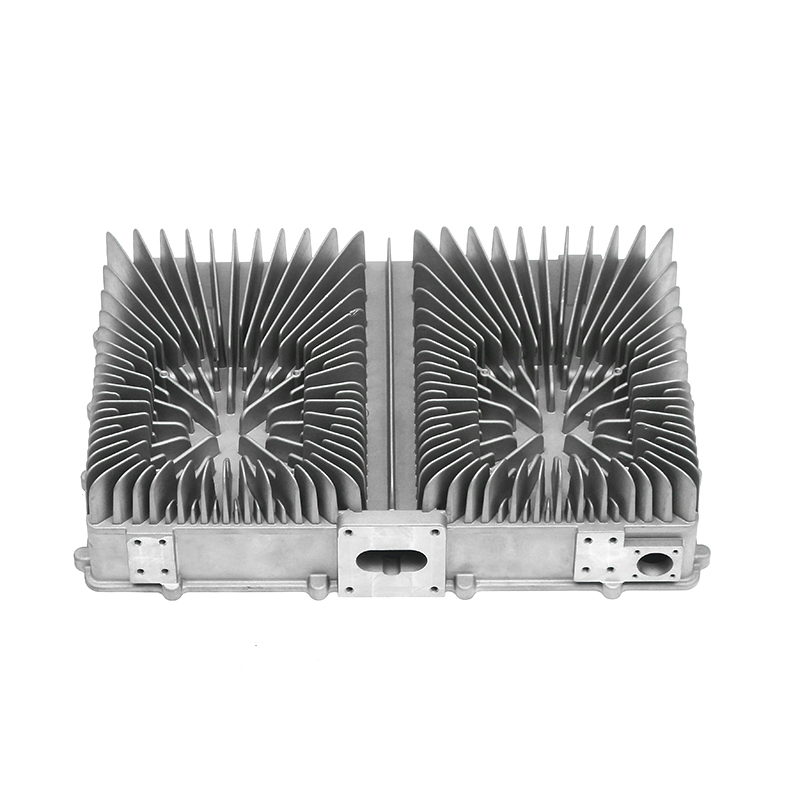
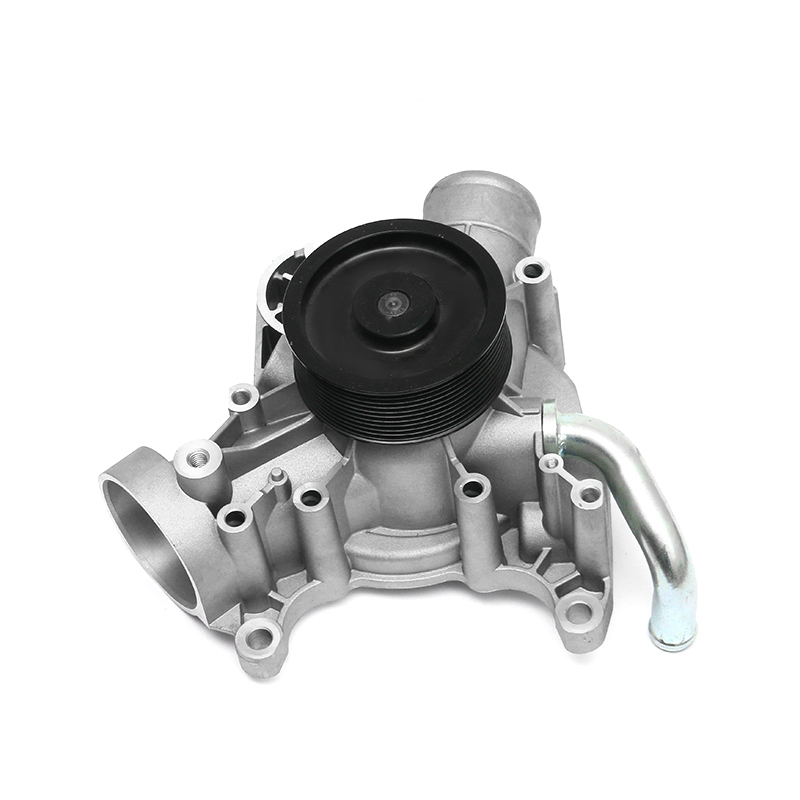 OEM/ODM Car Water Pump Die CastingsOEM/ODM automotive water pump die castings for engine cooling, from an IATF 16949:2016-certified manufacturer with mold design and precision machining.View Product →
Inspection: what to verify before a batch ships
A housing without a verification plan is a warranty claim waiting to happen. Ask for the checks below on the first article, then a shorter dimensional report on every lot.
| Check | Method | What good looks like |
|---|---|---|
| Alloy composition | Optical emission spectrometer | Si, Cu and Fe inside the ADC12 or A380 window; no mixed scrap |
| Internal porosity | Industrial CT or X-ray | No porosity above the drawing limit in the bore wall or seal chamber |
| Bore diameter and roundness | Coordinate measuring machine | Within drawing tolerance, typically plus or minus 0.010 mm |
| Seat flatness and finish | CMM plus roughness tester | 0.02 to 0.05 mm flatness, Ra 1.6 micrometres or finer |
| Flange flatness | CMM or surface plate | 0.10 to 0.20 mm across the face |
| Pressure tightness | Air leak tester | No measurable decay within the test cycle |
| Surface protection | Visual and coating thickness | Full coverage, including inside the passages |
Process control matters as much as the measurements themselves. A supplier certified to IATF 16949:2016 has an auditable framework for calibration, error-proofing and change control, which is what keeps month twelve of production looking like the approved first article. It also helps when the same partner designs and cuts the dies, because porosity and flash are settled at the tool rather than at the machine. Working with an integrated aluminum die casting and machining supplier shortens the loop between a dimensional deviation and the tooling change that fixes it.
Design and sourcing details that are easy to get wrong
- Wall transitions: keep adjacent sections within roughly a 2 to 1 thickness ratio, or shrinkage porosity appears exactly where pressure tightness is needed.
- Draft angle: allow 1 to 3 degrees on as-cast walls. Too little leaves drag marks that become leak paths once machined.
- Machining stock: 0.3 to 0.8 mm on critical faces. Less risks cutting into cast skin; more wastes cycle time and tool life.
- Alloy quality: high iron in recycled ADC12 raises hardness, hurts machinability and lowers ductility, which shows up later as cracked bosses.
- Tooling life: a housing die normally runs tens of thousands of shots before refurbishment, and trimming tooling wears faster because it cuts cold, abrasive flash.
- Boss design: check thread depth and bearing area against the specified fastener torque, or threads pull out in service.
Flash removal is a good example of a hidden cost. A casting that leaves the die with heavy flash needs dedicated trimming tooling, and any drift in that tool shows up as burrs on sealing faces that weep a few thousand kilometres later. Keeping the die, the trimming tool and the machining fixtures under one roof removes the finger-pointing between suppliers.
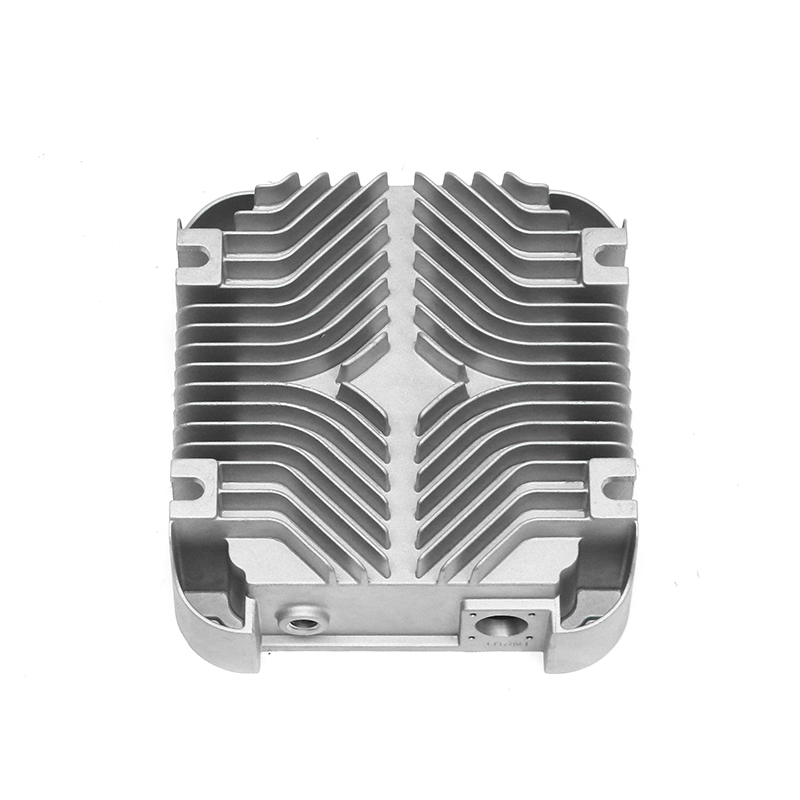
 Precision Trimming Molds for New Energy Vehicle Die CastingsCustom trimming molds remove flash and burrs from new energy vehicle housings, improving assembly accuracy and surface quality for high-volume die-casting production.View Product →
Where the same housing discipline shows up on electric vehicles
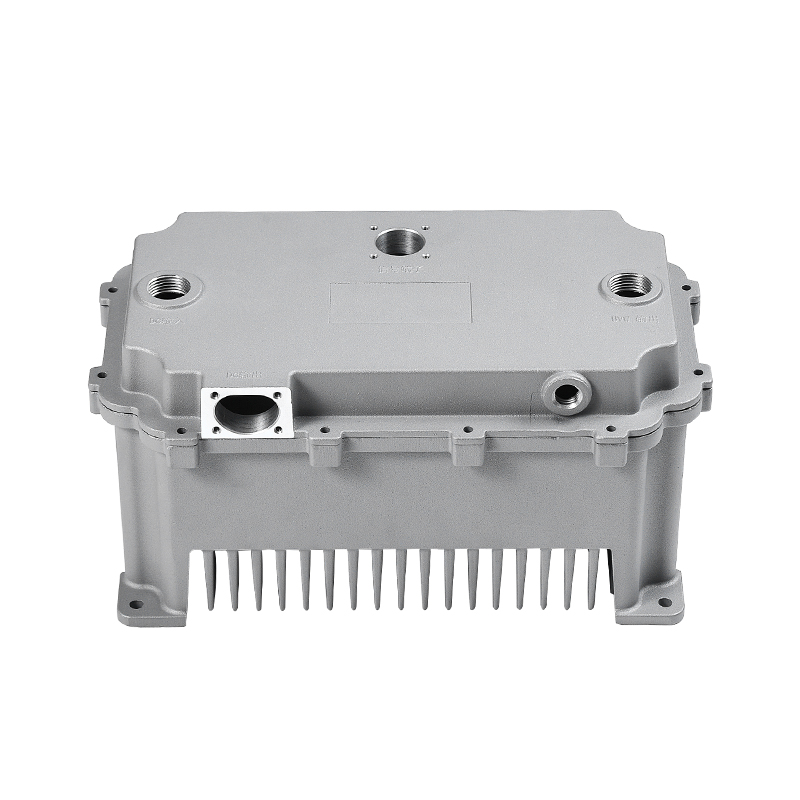
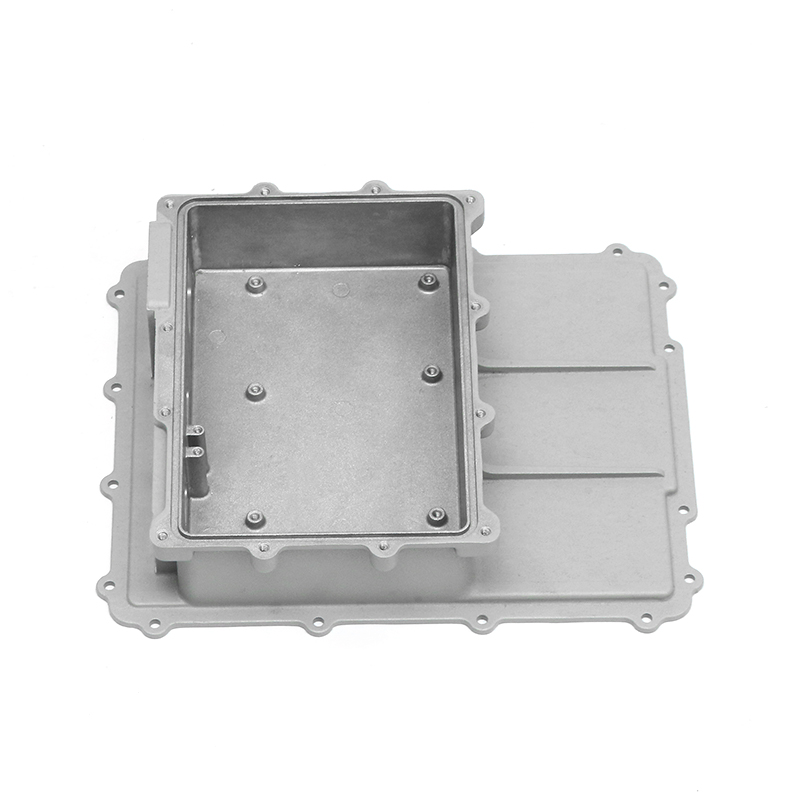
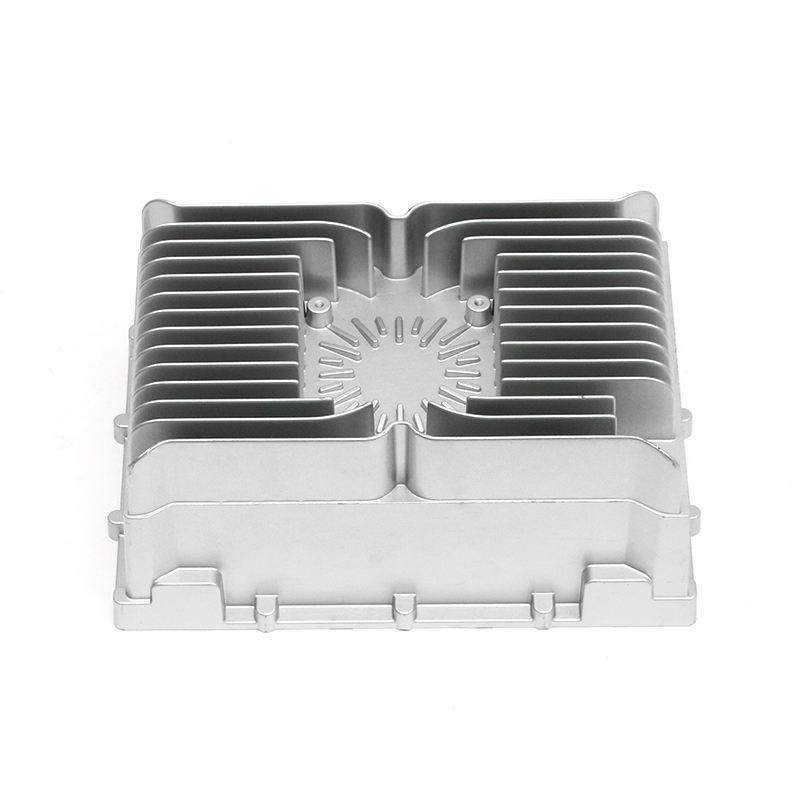
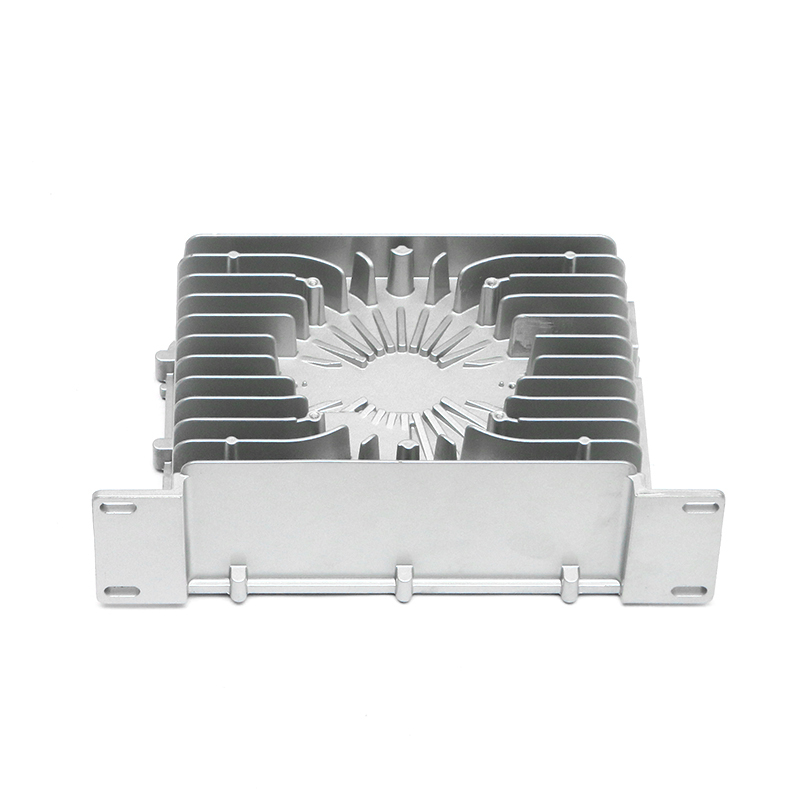
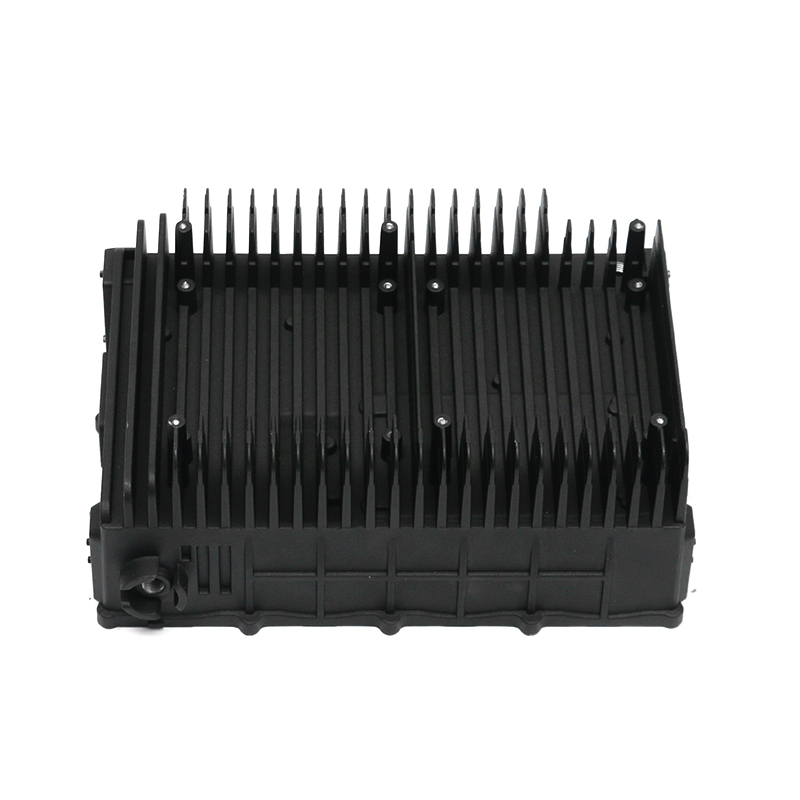
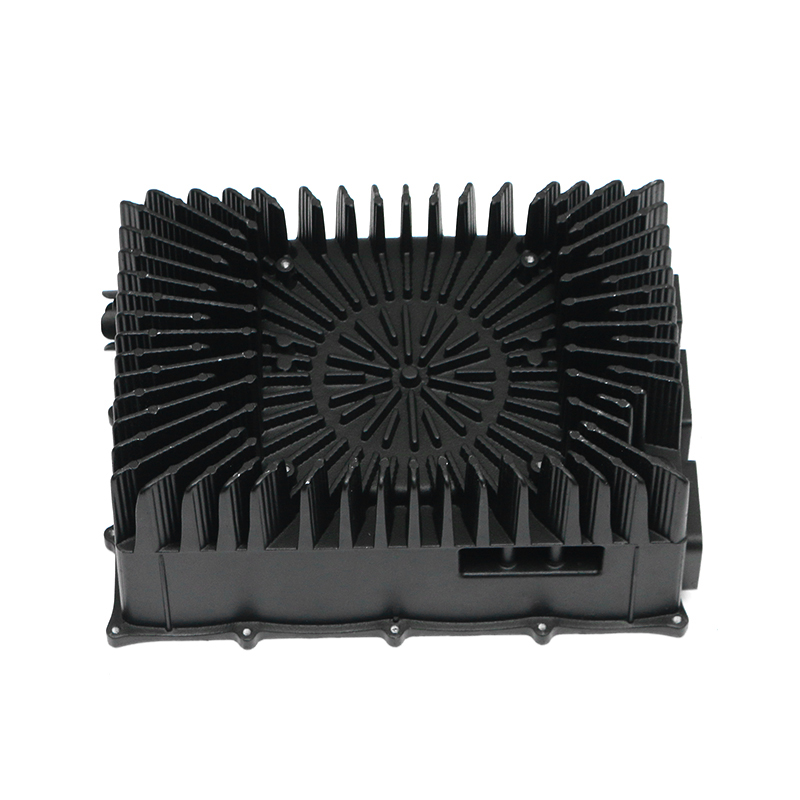
Battery electric and hybrid platforms move the housing problem rather than removing it. Water-cooled electronic control units and drive motor housings are also die-cast aluminum parts that must hold flat gasket faces, resist glycol-based coolant and stay leak-tight at system pressures that can sit around 1.5 to 2 bar for the life of the vehicle. The difference is the duty cycle: an electronics cooling housing sees far more thermal cycling than a conventional pump housing, so porosity in the as-cast skin and residual stress from machining matter even more.
The rules do not change. Use a sound casting, keep sealing faces flat, verify port and bore geometry, and specify an alloy that tolerates the coolant actually used. A housing that passes those three tests on the bench usually passes them in the vehicle as well.
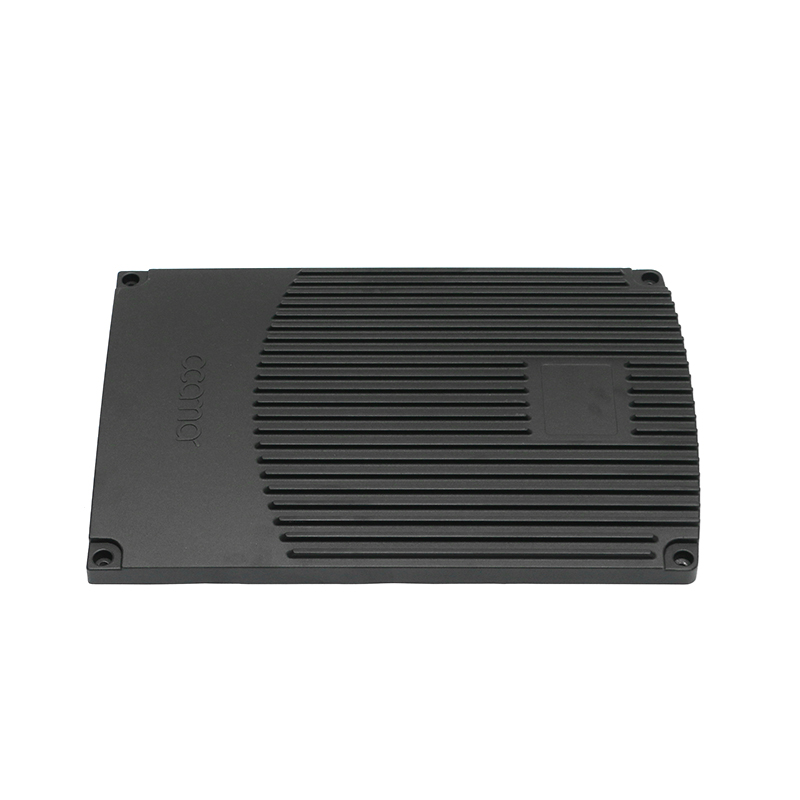
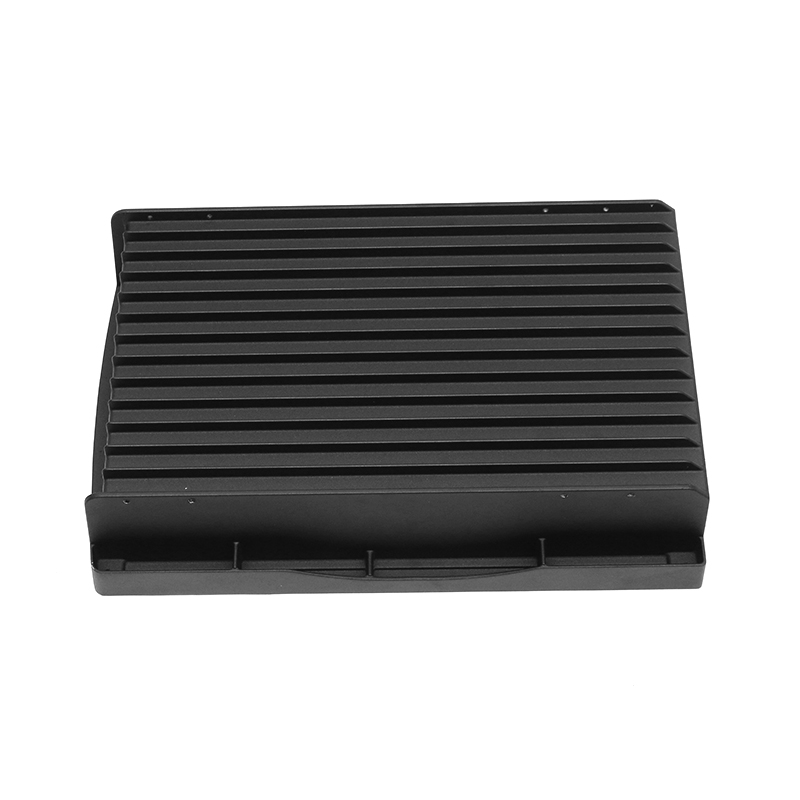
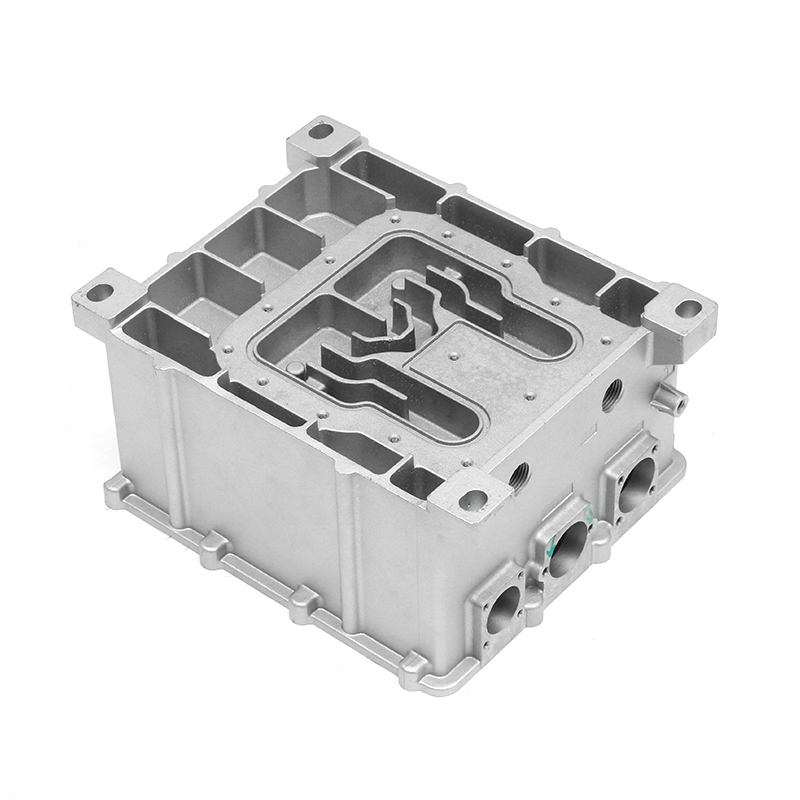
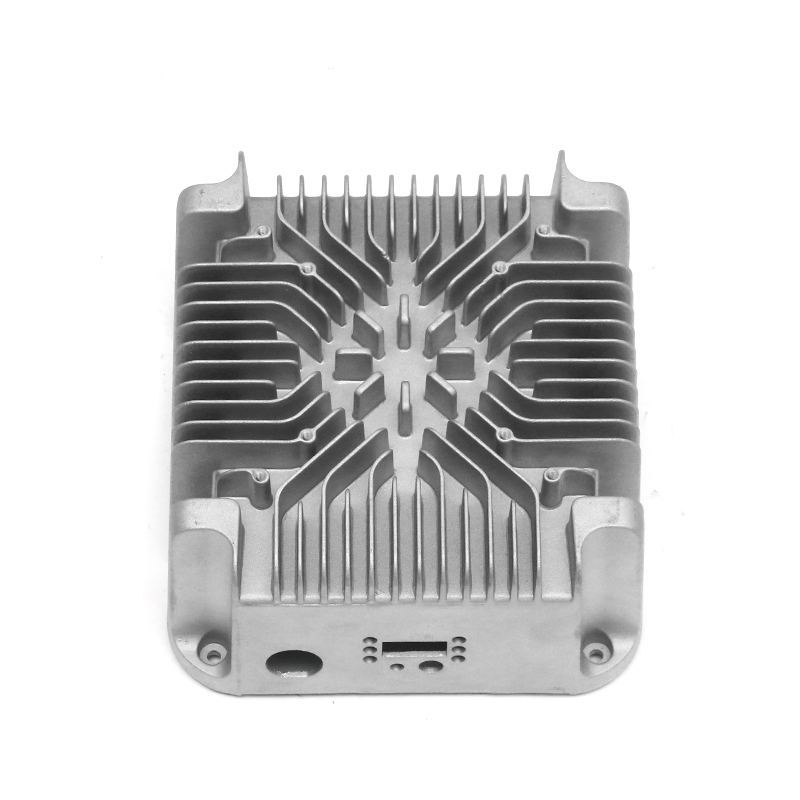
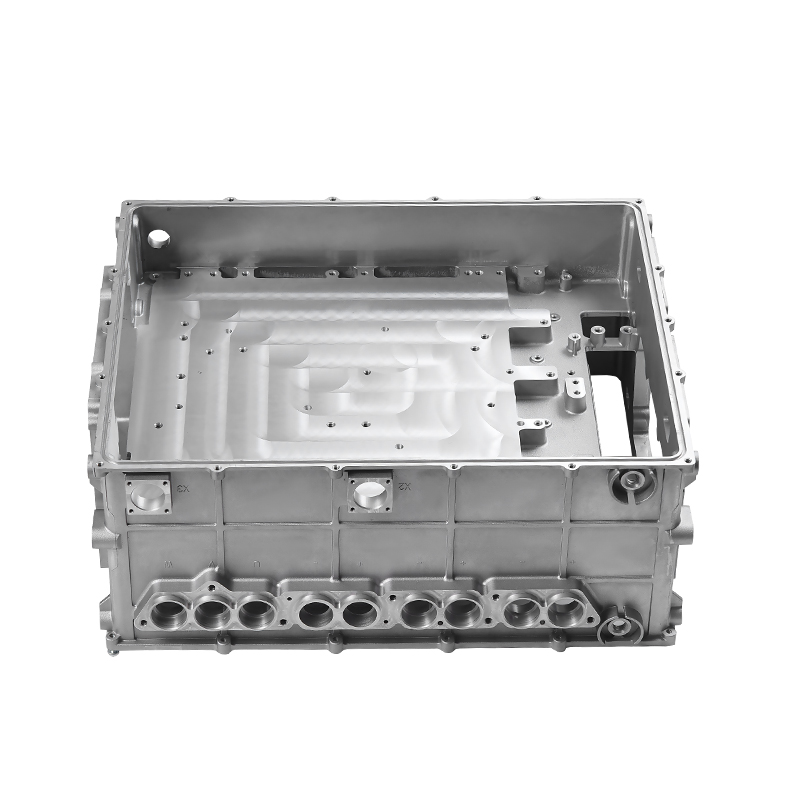 New Energy Electronically Controlled Water Cooling Die CastingsOEM/ODM die-casting molds for EV water pumps, tanks, and radiators, supporting integrated water-cooling systems with precise fit and sealing.View Product →
Water pump housing quality is decided long before the pump is assembled: in the alloy specification, the die design, the wall thickness and the handful of dimensions that control alignment and sealing. Buyers who want a pump to last should ask for alloy verification, bore roundness data, seal seat flatness and roughness figures, and a leak test result on the first article. On the service side, treat visible erosion or a bore ridge on a used housing as the end of that part's life, not as a rebuild opportunity.