

 English
 русский
 عربى
عربى Deutsch
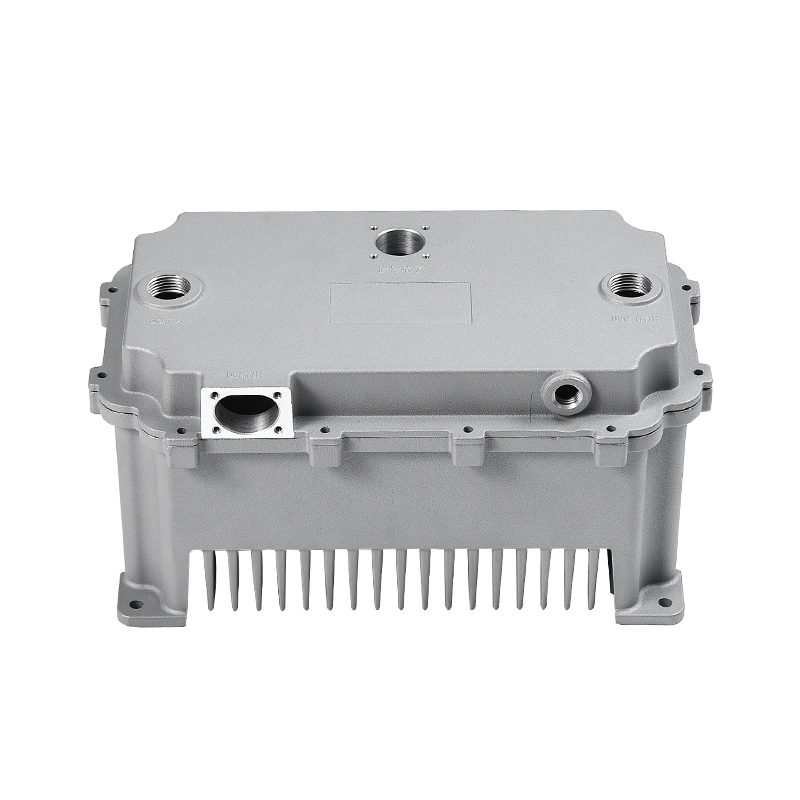
An aluminum motor housing has to do more than enclose a rotor and stator. It must pull heat away from the windings, keep bearing seats concentric within hundredths of a millimeter, survive continuous vibration for the life of the vehicle, and add as little mass as possible. That combination of duty is why die-cast aluminum has become the standard enclosure for automotive traction motors and a growing share of industrial drives.
Why Aluminum Is the Default Choice for Motor Housings
Start with the conclusion: for most vehicle and industrial motor applications, aluminum alloy is the right housing material. The case rests on four measurable properties: thermal conductivity, density, corrosion resistance, and manufacturability at scale.
Aluminum conducts heat roughly three to four times better than cast iron. Typical die-cast alloys reach 150–190 W/m·K, while cast iron sits near 50 W/m·K. For an electric motor, that gap matters immediately: heat generated by copper losses moves from the stator to the outer surface faster, lowering winding temperature and extending insulation life. In EV traction motors, where sustained torque output depends on keeping magnets and windings below their thermal limit, this property alone often decides the material choice.
Density is the second deciding factor. Aluminum at about 2.7 g/cm³ replaces iron at roughly 7.2 g/cm³, cutting housing mass by about 60 percent. In a vehicle, the saving reduces energy consumption and the structural load on mounts and crash paths. In industrial equipment, a lighter housing reduces handling effort, shipping cost, and the size of the supporting frame.
The corrosion picture is also favorable. Aluminum forms a stable, self-limiting oxide layer that protects against atmospheric corrosion; iron needs paint, plating, or powder coating in most environments. Aluminum's lower point-impact strength is sometimes raised as a drawback, but a properly ribbed housing with adequate wall thickness handles the dynamic loads found in normal motor service.
| Property | Die-Cast Aluminum | Cast Iron |
|---|---|---|
| Density (g/cm³) | 2.7 | 7.2 |
| Thermal conductivity (W/m·K) | 150–190 | ~50 |
| Typical wall thickness (mm) | 2–4 | 4–6 |
| Corrosion resistance | Self-limiting oxide layer | Requires coating in most environments |
| Machinability | Excellent, high cutting speeds | Good, slower speeds and carbide tooling |
| Point-impact strength | Lower, compensated by rib design | Higher inherent toughness |
Die Casting: The Manufacturing Route to Complex Housings
Once the material decision is made, high-pressure die casting is the process that makes aluminum motor housings economical at production scale. Molten aluminum is injected into a hardened steel die at pressures typically between 10 and 100 MPa. The metal fills the cavity in milliseconds and solidifies quickly against the water-cooled die surface. The result is a net-shape housing with thin walls, fine detail, and good surface finish — features that would be prohibitively expensive to produce by machining from solid stock.
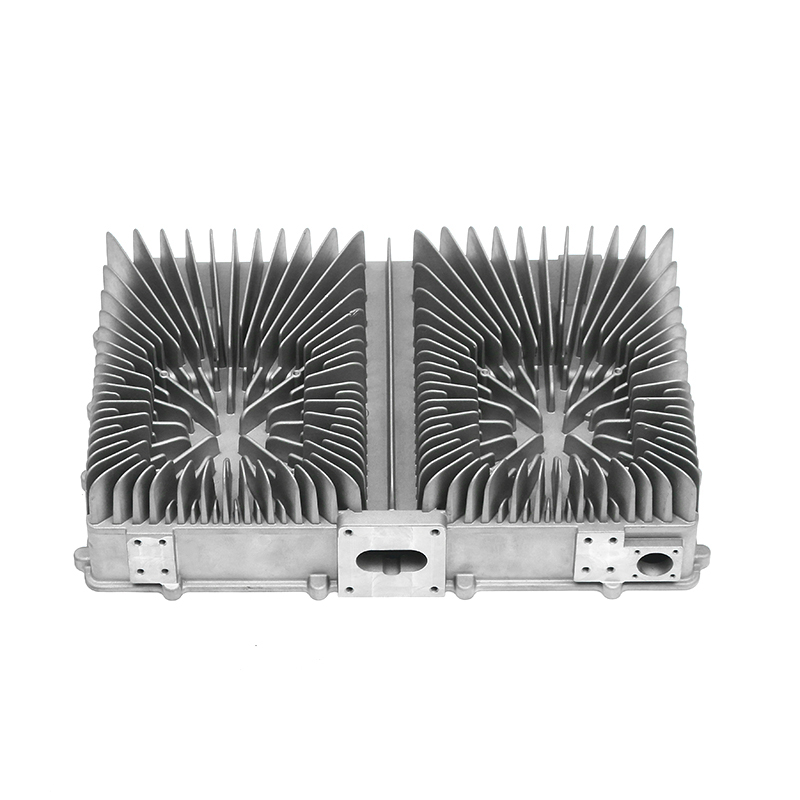
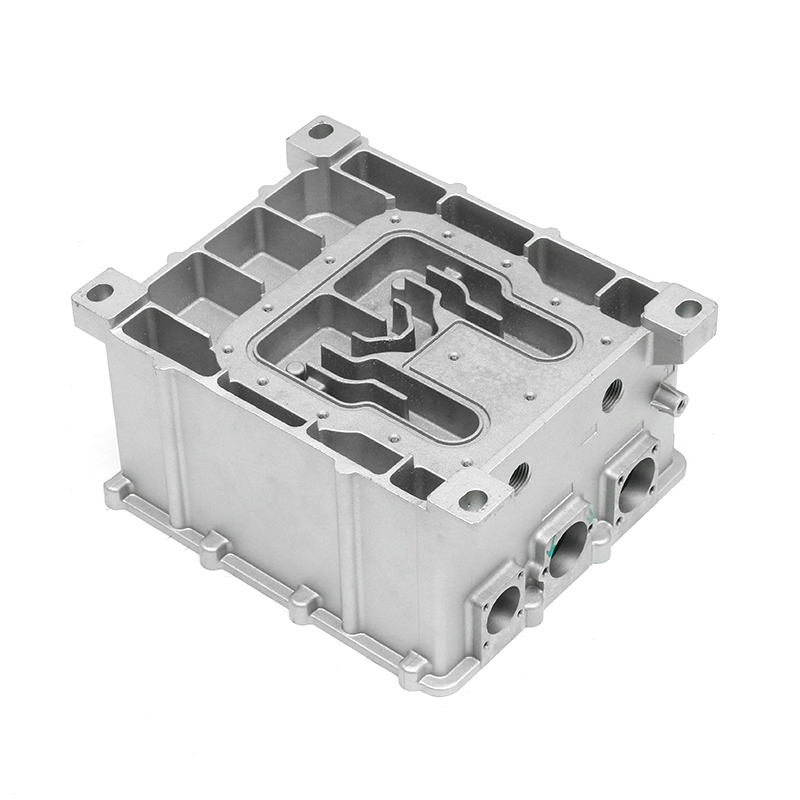
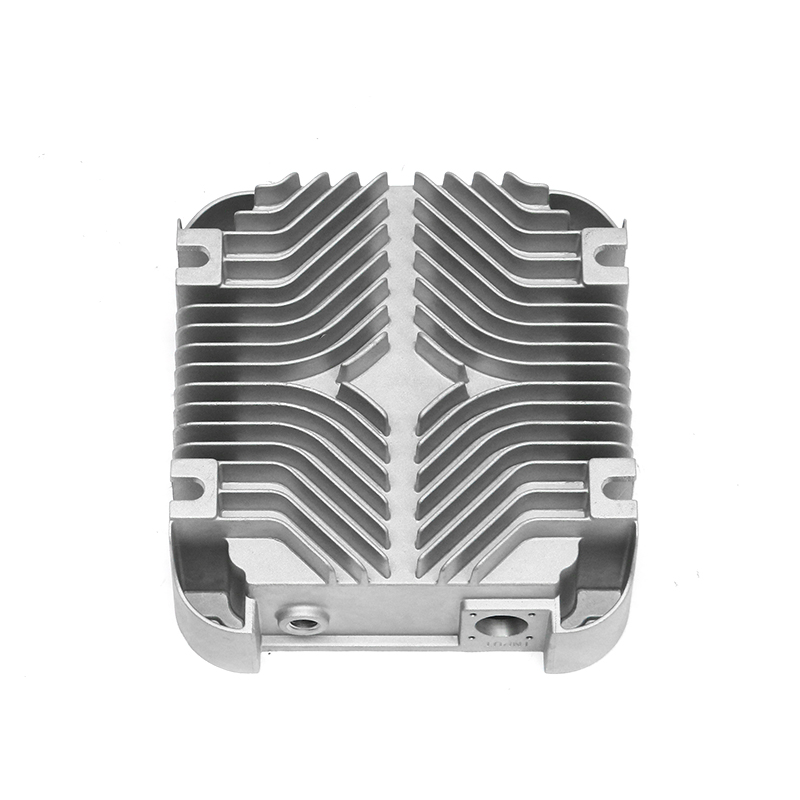
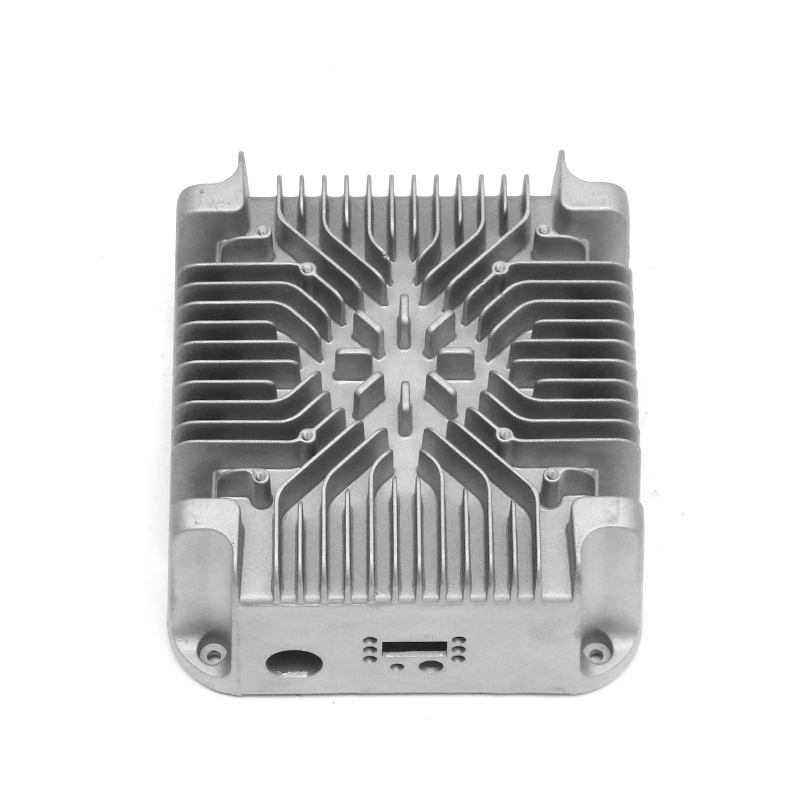
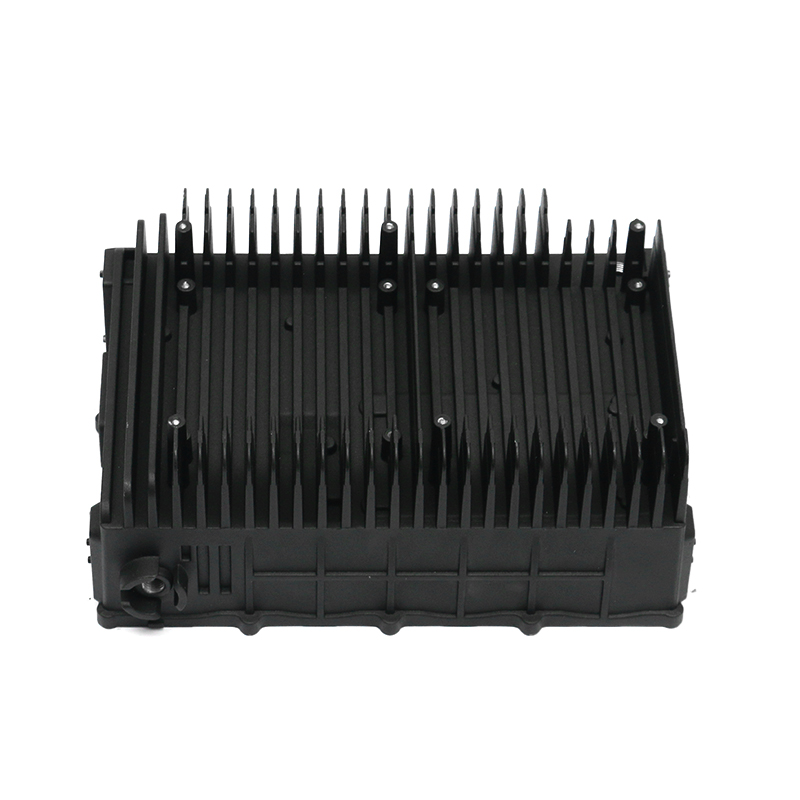
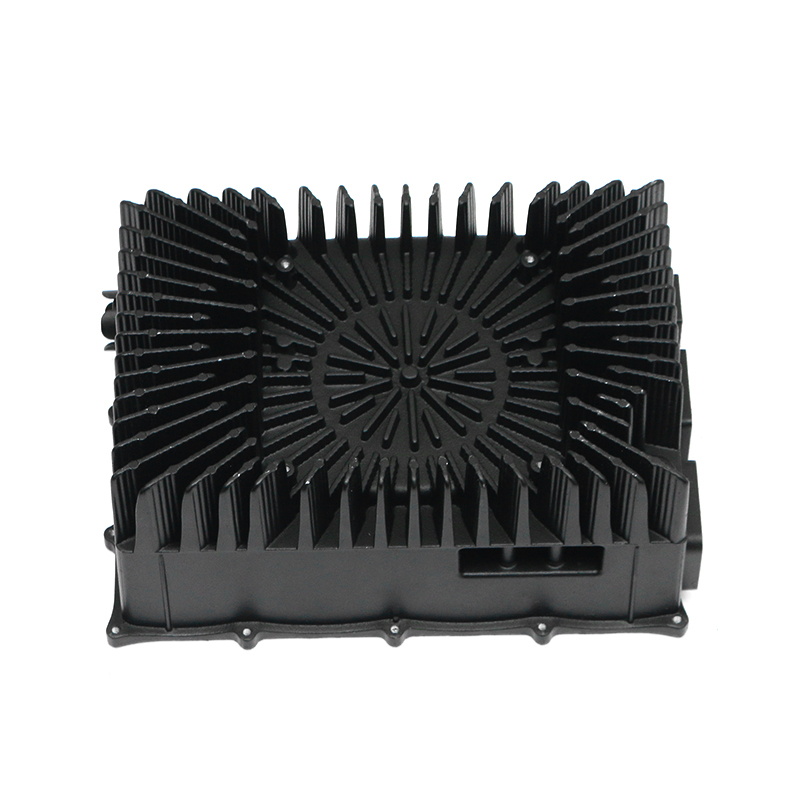
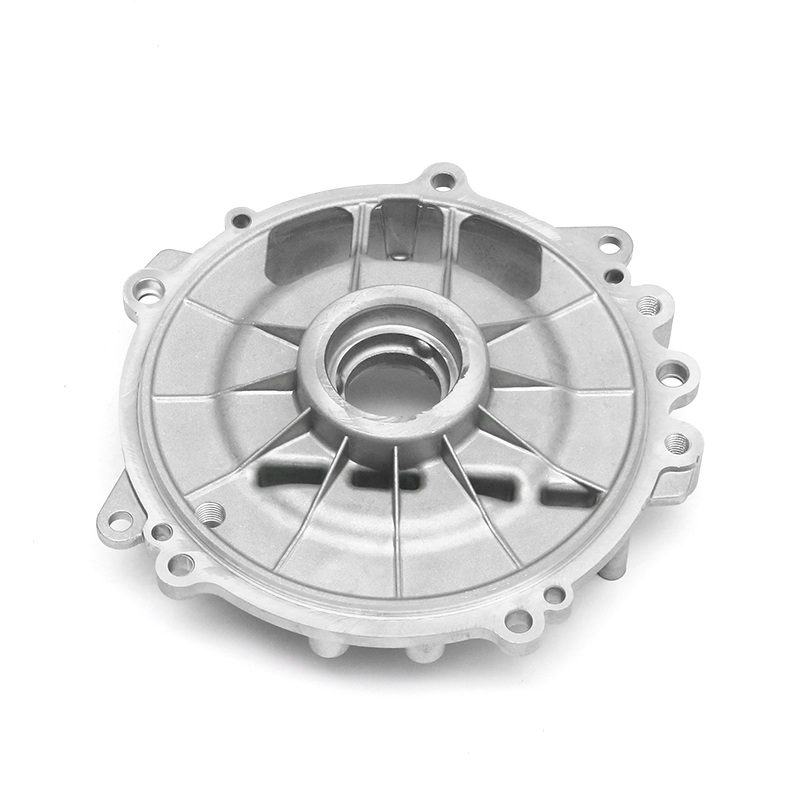 New Energy Motor Housing Die Casting Supplier OverviewThis supplier specializes in die-cast aluminum housings for electric vehicle motors, covering design, material selection, forming, and surface treatment, with emphasis on strength, lightweighting, thermal performance, and corrosion resistance.View Product →
Common die-casting alloys for motor housings include A380/ADC12, AlSi9Cu3, and A356 for applications requiring higher ductility. These alloys balance fluidity, strength, thermal performance, and machinability. A380 and ADC12 dominate high-volume production because they fill complex cavities well and machine cleanly. A356, often used in permanent-mold or low-pressure casting, offers better elongation when the housing must absorb more mechanical energy.
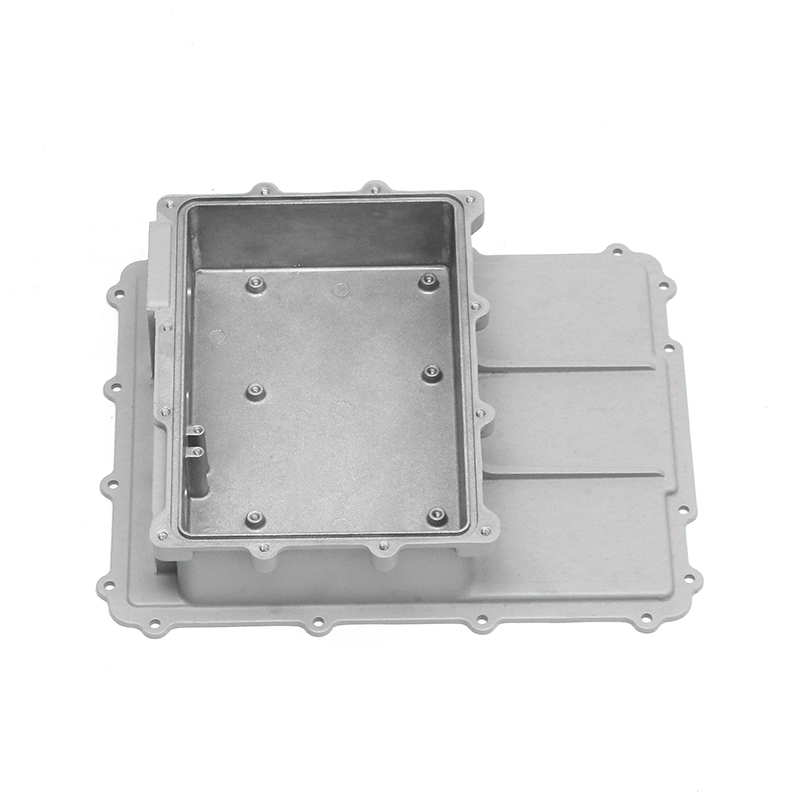
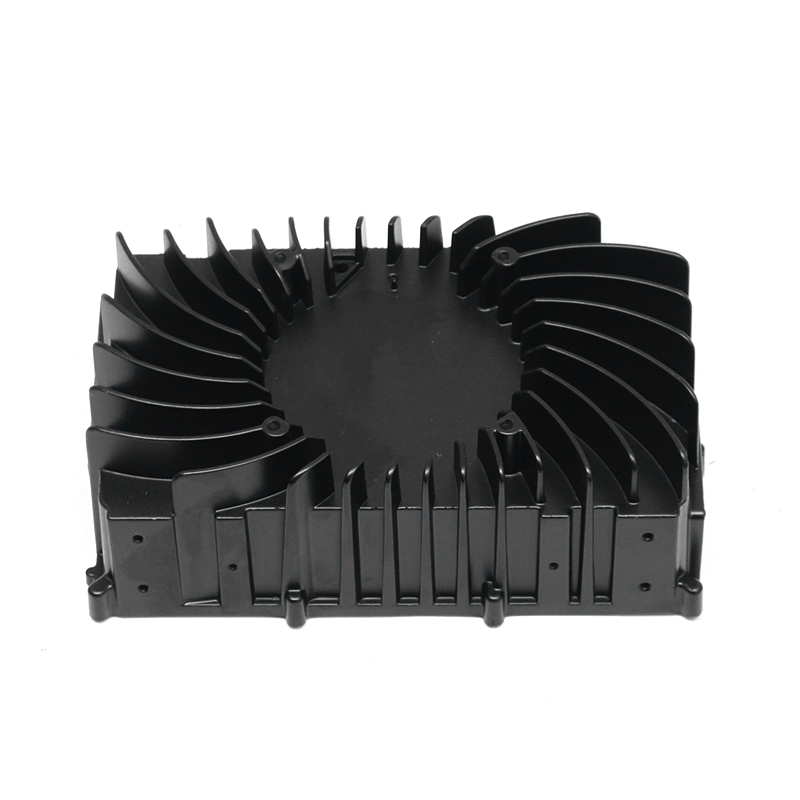
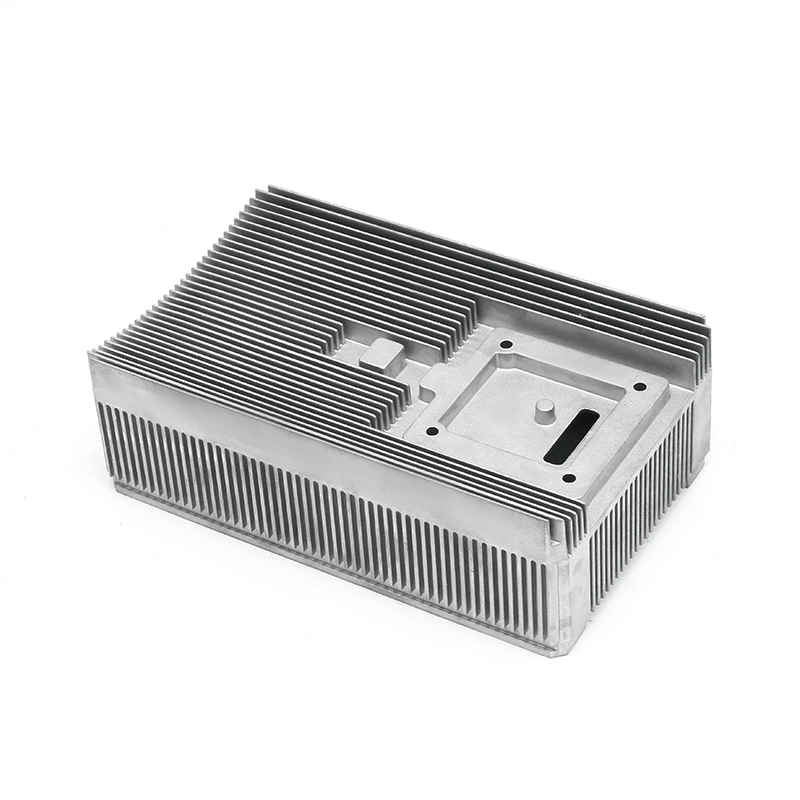
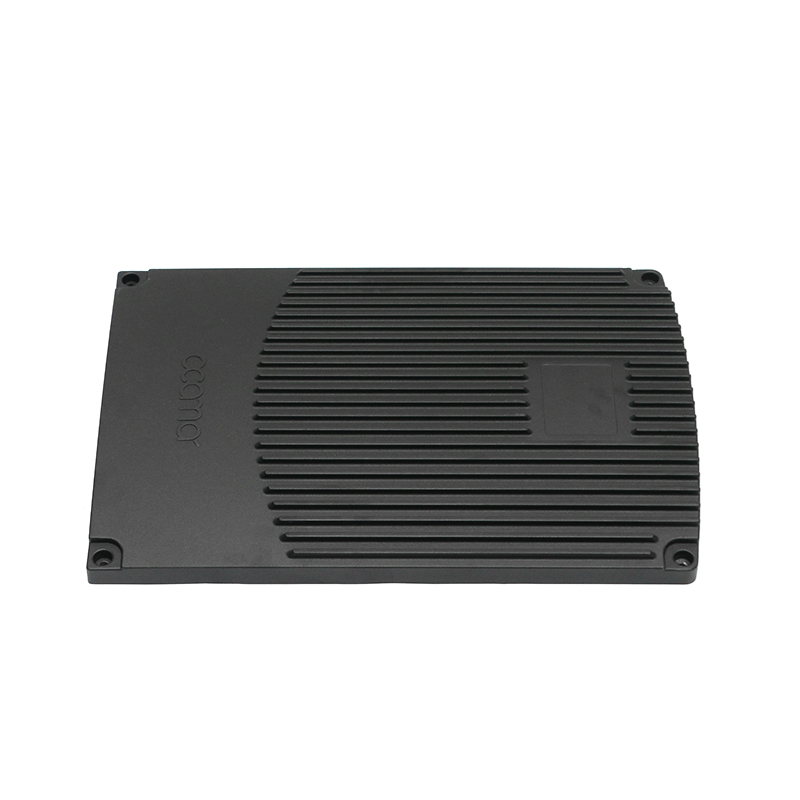
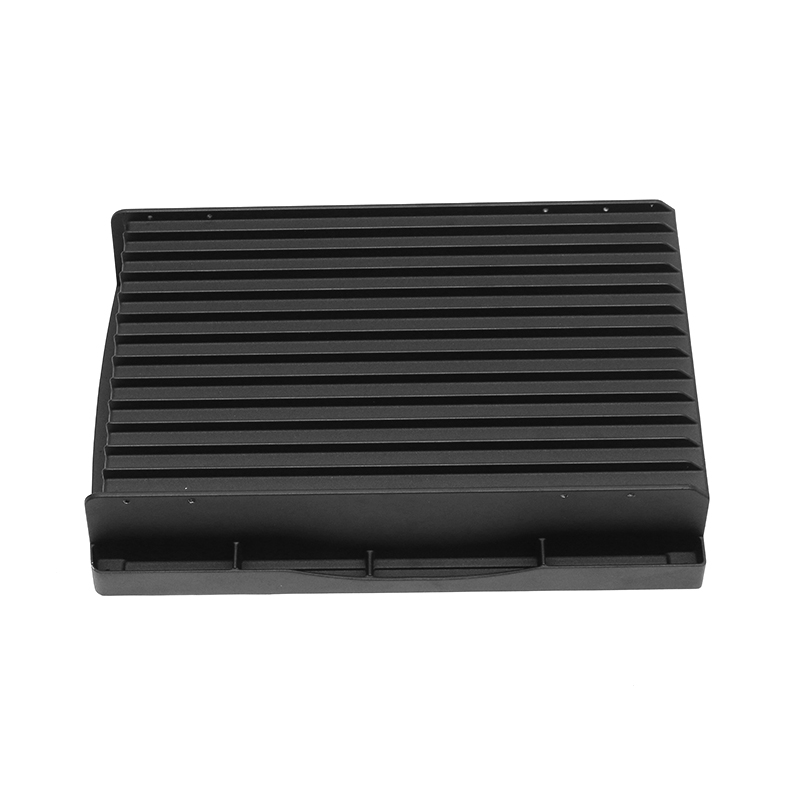
For a motor housing, die casting combines cooling fins, mounting bosses, cable passages, and sometimes an integrated water jacket in a single shot. Secondary machining then finishes only the functional surfaces: bearing bores, sealing faces, and threaded holes. In a well-run line, a housing goes from molten alloy to a fully machined, dimensionally verified component in a few hours, which is what makes the process suitable for high-volume automotive programs.
Design Considerations That Determine Motor Housing Performance
Wall Thickness, Ribs, and Draft Angles
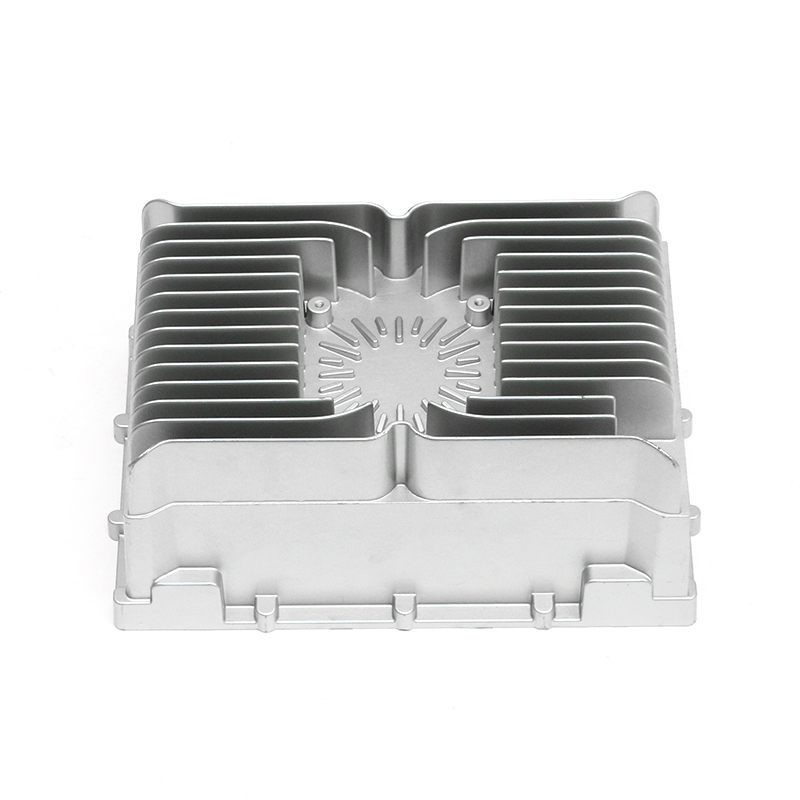
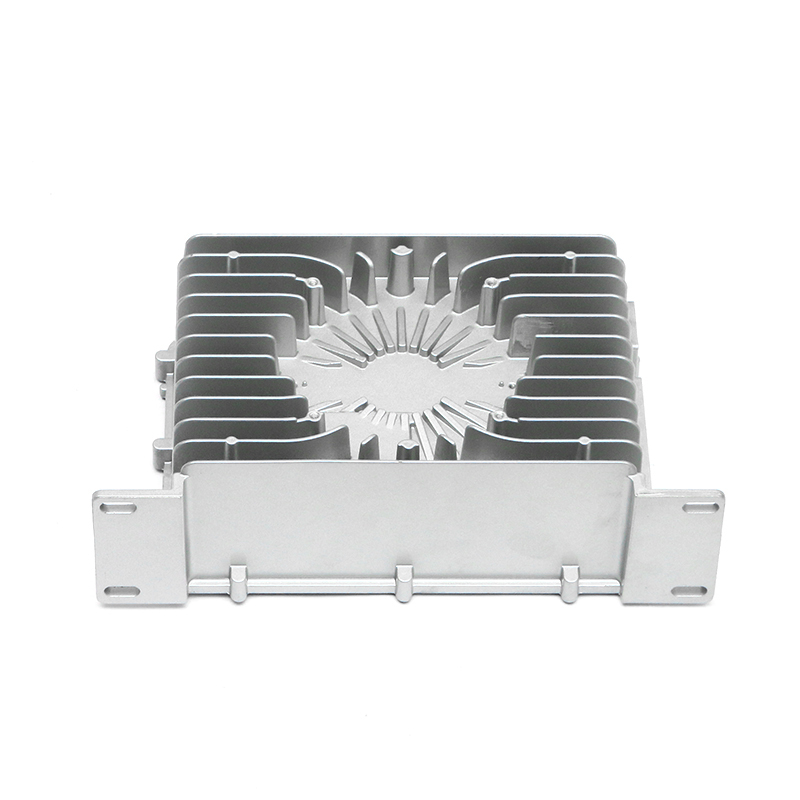
Die casting rewards designs that respect the process. Wall thickness on a typical motor housing falls between 2 and 4 mm. Uniform walls minimize shrinkage porosity and distortion. Ribs add stiffness where the part would otherwise flex, and they double as heat-transfer surface. Every vertical feature needs a draft angle of at least 1 to 1.5 degrees so the part releases cleanly from the die.
Heat Dissipation and Cooling Channels
Thermal design is where aluminum housings earn their keep. Outer-surface cooling fins increase convective area; for liquid-cooled motors, the housing can be cast with an integral water jacket or accept a separate cooling sleeve. In EV applications, a water-cooled housing substantially lowers motor temperature during sustained high-load operation, protecting magnets and winding insulation.
The same die-casting capability that produces motor housings also produces the liquid-cooled enclosures used for EV power electronics, which face the same thermal and sealing requirements.
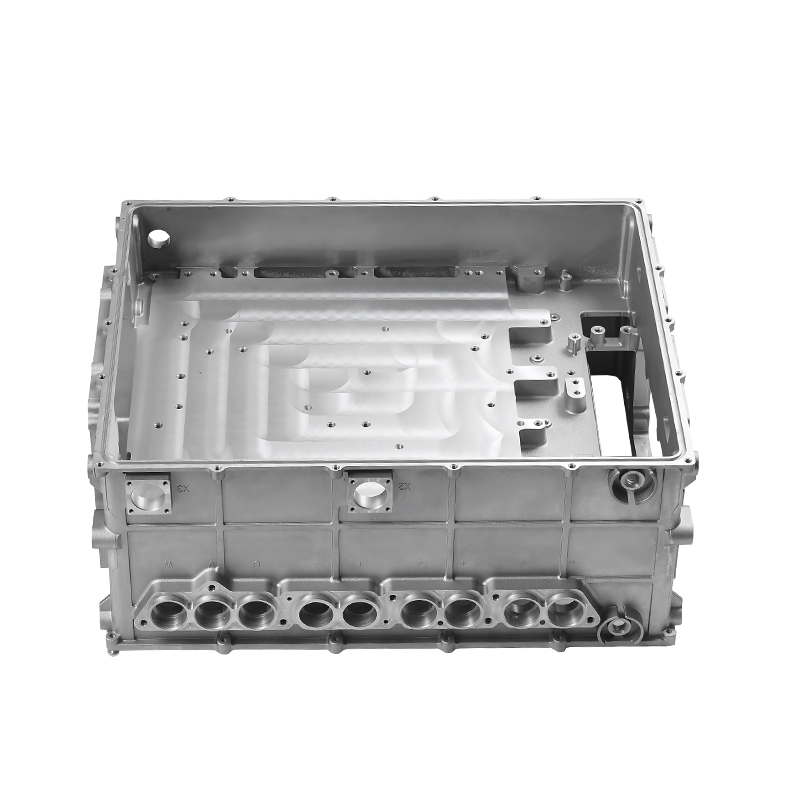 New Energy Electronic Control Water Cooling Die Casting SolutionsThis manufacturer provides die-cast water-cooled enclosures for EV power electronics, leveraging in-house molding, machining, and quality control to meet thermal and sealing demands under automotive standards.View Product →
Production technology is not static. Some manufacturers are beginning to combine die casting with additive manufacturing to create internal cooling-channel geometries that cannot be produced by casting alone — an example of how 3D printing and traditional technology join hands to accelerate the upgrade of new-energy motor housings.
Machining Allowances and Tolerances
Bearing bores, flange faces, and dowel holes are machined after casting, typically with an allowance of 0.5 to 1.5 mm per surface. Final tolerances on bearing bores commonly run to IT7 or better, and concentricity between bores can be specified within 0.05 mm. The casting must be sound enough under those machined surfaces that cutting tools never open internal porosity.
Quality Attributes That Separate Good Housings from Failures
Buyers of aluminum motor housings should look past the part drawing and check how the supplier controls three things: alloy chemistry, internal soundness, and dimensional consistency.
Alloy chemistry is verified with optical emission spectroscopy. Trace-element limits for iron, copper, and magnesium affect strength, thermal conductivity, and machining behavior. A foundry that skips chemistry verification can ship housings with inconsistent properties.
Porosity is the main hidden risk in die-cast housings. For motor housings that carry coolant or must hold a vacuum, internal leaks are not acceptable. Industrial CT scanning and X-ray inspection catch internal voids that surface inspection cannot, and pressure-decay or helium leak testing on finished housings verifies seal integrity. These checks matter because the consequences of a leaking housing in the field — bearing damage, insulation failure, or complete motor replacement — far outweigh the cost of testing at the factory.
The same discipline extends to dimensional verification, where coordinate measuring machines confirm that critical bores and mounting faces stay within tolerance across production lots. For automotive programs, an IATF 16949:2016 quality management system provides the documented framework for process control and change management. The system behind the parts matters as much as the parts themselves — see how precision casting creates high reliability and stability for new-energy vehicle motor housings for a closer look at production-level process control.
What Buyers Should Verify Before Approving a Supplier
A part drawing communicates geometry, but it does not communicate manufacturing capability. Before approving an aluminum motor housing source, confirm the following through an audit or documented evidence.
- In-house mold design and maintenance, because die quality determines casting quality from the first shot.
- Die-casting machines sized for the housing's projected area and required locking force.
- Machining centers able to hold tight tolerances on bearing bores and sealing faces.
- A complete inspection suite: CMM, CT or X-ray, spectrometer, and leak-testing stations.
- A documented quality system, ideally IATF 16949:2016.
- Proven experience with structurally similar housings or vehicle-grade castings.
Cost is the other side of the decision. The price of an aluminum motor housing includes tooling amortization, casting cycle time, machining content, surface finishing, and the scrap rate the supplier actually achieves. A low quoted price without supporting process data usually means either thin margins or hidden risk.
Suppliers that keep casting and machining under one roof tend to control cost and quality more predictably. Ningbo Fenda New Energy Technology Co., Ltd., for example, operates six die-casting machines from 400 to 2,000 tons, more than 80 machining centers, and an inspection suite that includes CMMs, industrial CT, spectroscopy, and air-tightness testers. That kind of vertical integration is what buyers should look for in a motor housing partner.
Aluminum motor housings are not the right answer for every extreme case. Severe shock loading, very high operating temperatures, or unusually tight cost floors can still point toward iron. But for the wide middle of the market — automotive traction motors, industrial servo drives, pumps, compressors, and auxiliary units — die-cast aluminum delivers the best balance of thermal management, weight, manufacturing efficiency, and life-cycle cost. The suppliers that win this work are the ones that control the full loop: mold design, casting, machining, and testing.