

 English
 русский
 عربى
عربى Deutsch
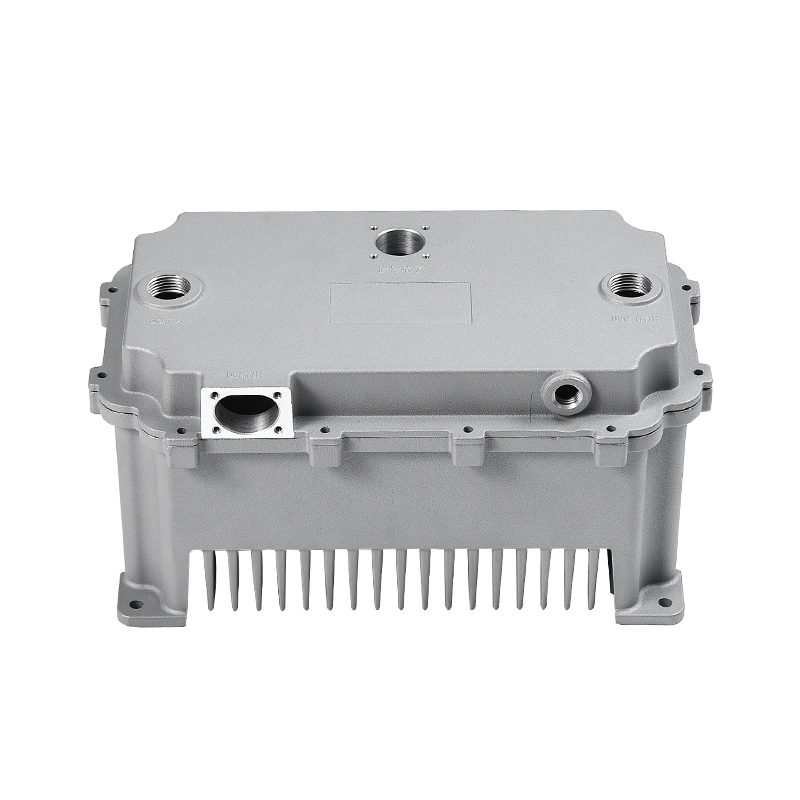
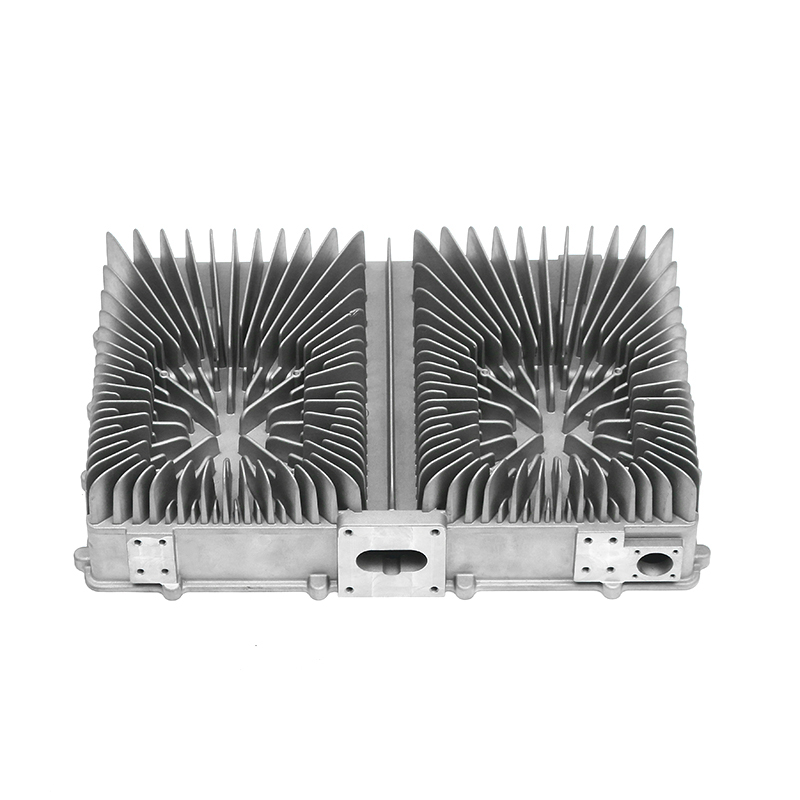
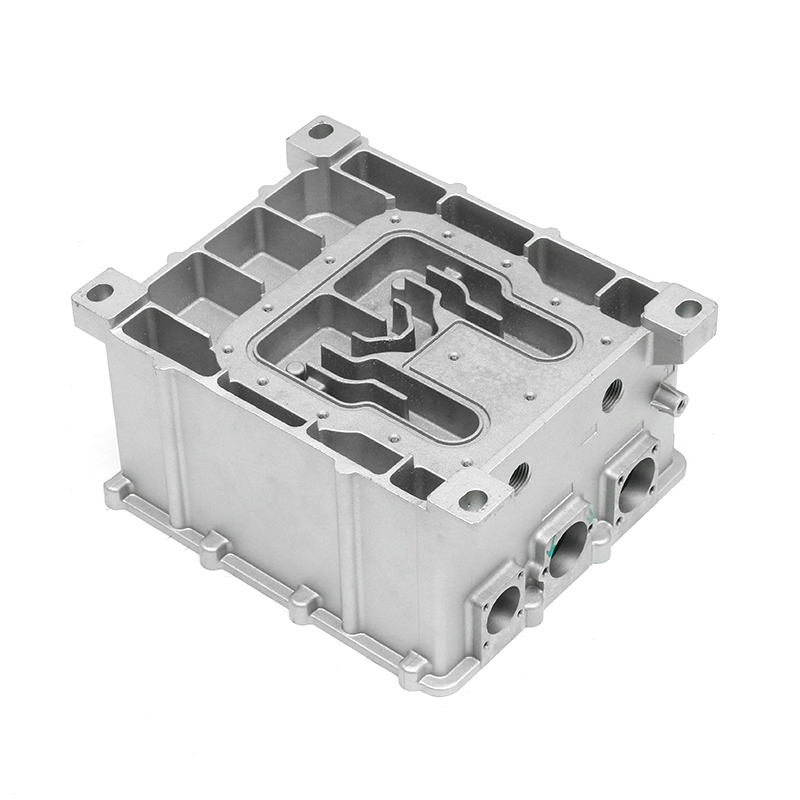
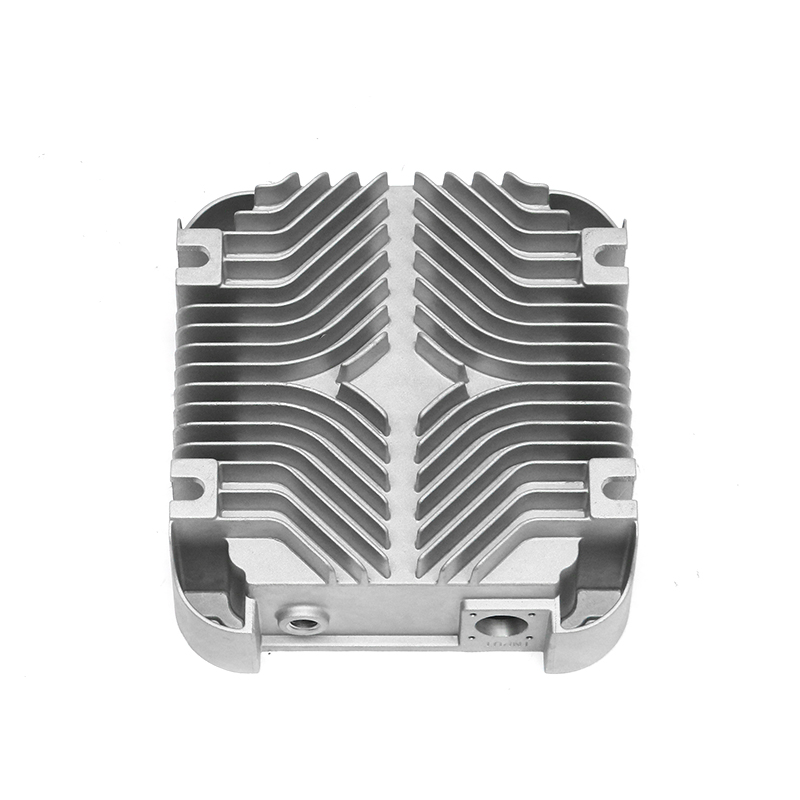
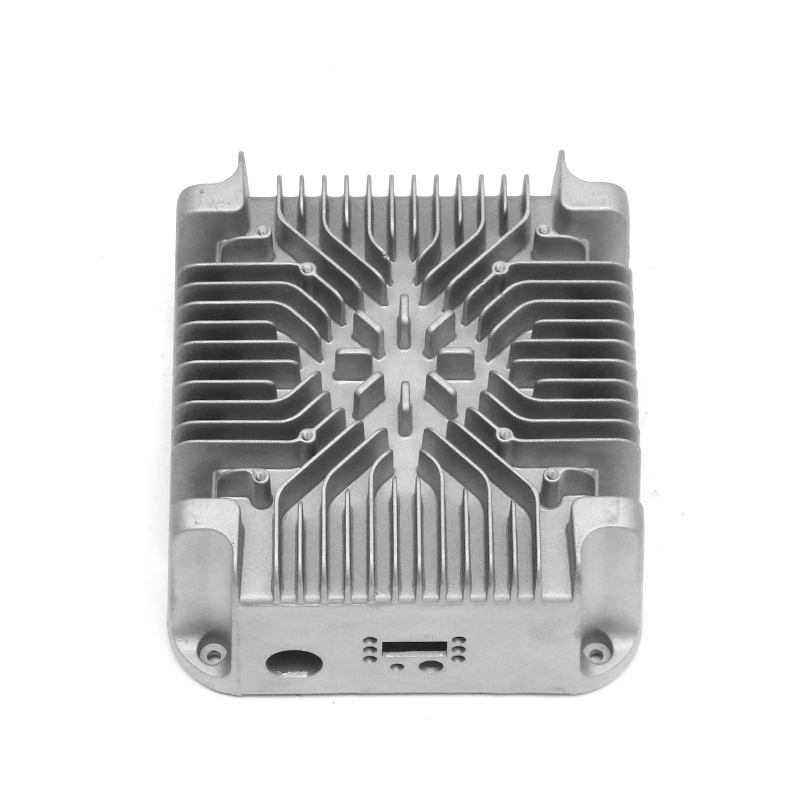
Open the hood of almost any modern car, and the water pump housing is a die-cast aluminum part that you do not have to think about. That quiet dependability is an engineering decision. High-pressure aluminum die casting creates a water pump body with consistent coolant passages, tight sealing faces, and a cost structure that works for millions of vehicles per year. When a water pump has to survive 150,000 km or more, the casting process matters more than most buyers realize.
Why Die Casting Is the Default Choice for Car Water Pumps
Die casting is chosen not because it is simple, but because it solves the central conflict of water pump design: the part must have complex coolant passages and stiff, thin walls while staying affordable at high volumes. Cast iron and fabricated alternatives can work, but they generally add mass or machining steps. A die-cast aluminum housing achieves wall thickness in the 2.5–4.0 mm range, which keeps the pump lighter and helps heat move away from the bearings and seal. The weight saving over cast iron is usually 40–50%.
From a production point of view, die casting is a one-shot process for complex geometry. Gates, runners, and cooling lines are built into the mold design, so thousands of parts come out with identical profiles. For a family sedan pump produced in a run of 100,000 units, that repeatability lowers the cost per part and reduces the risk of field failure. This is why OEMs and tier-one suppliers continue to specify pressure die casting for water pump bodies and housings.
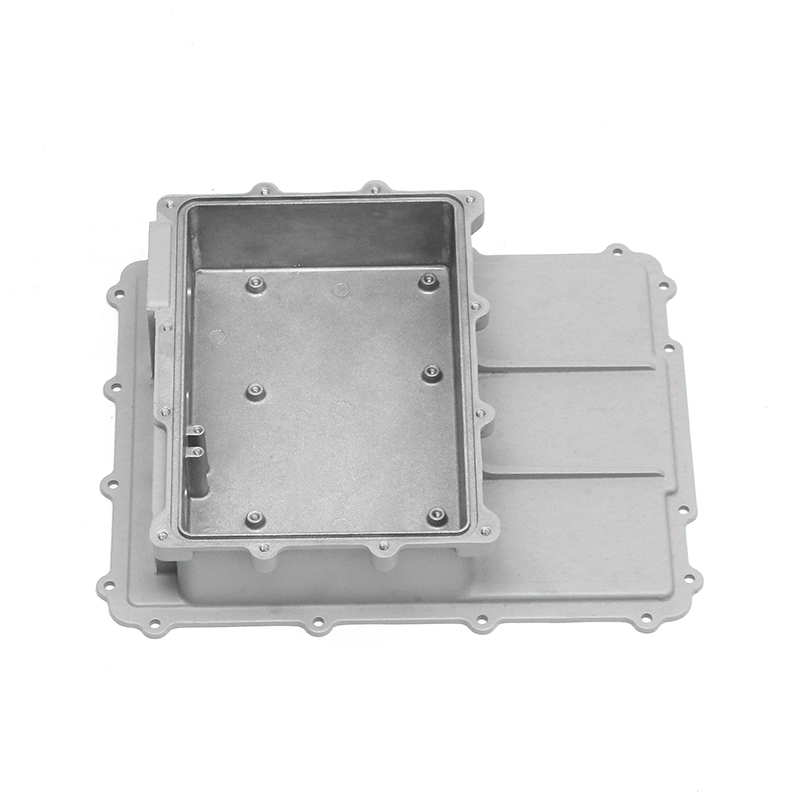
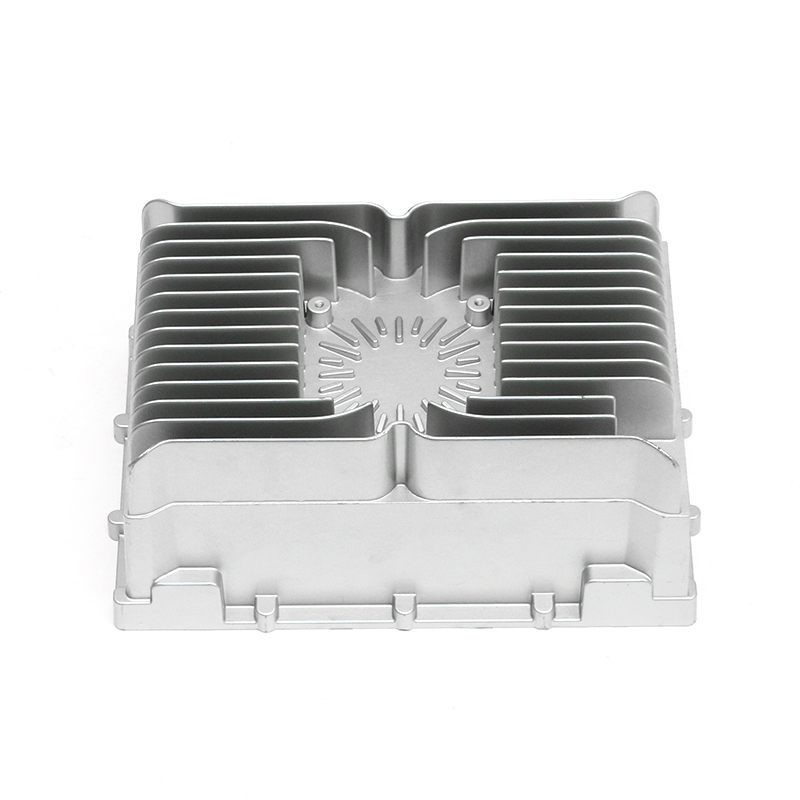
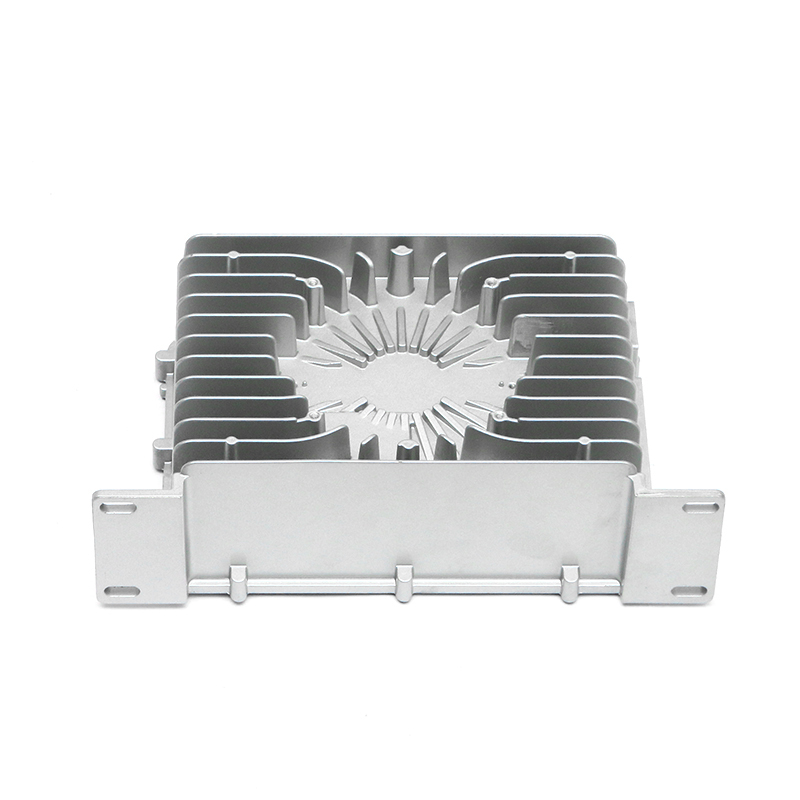
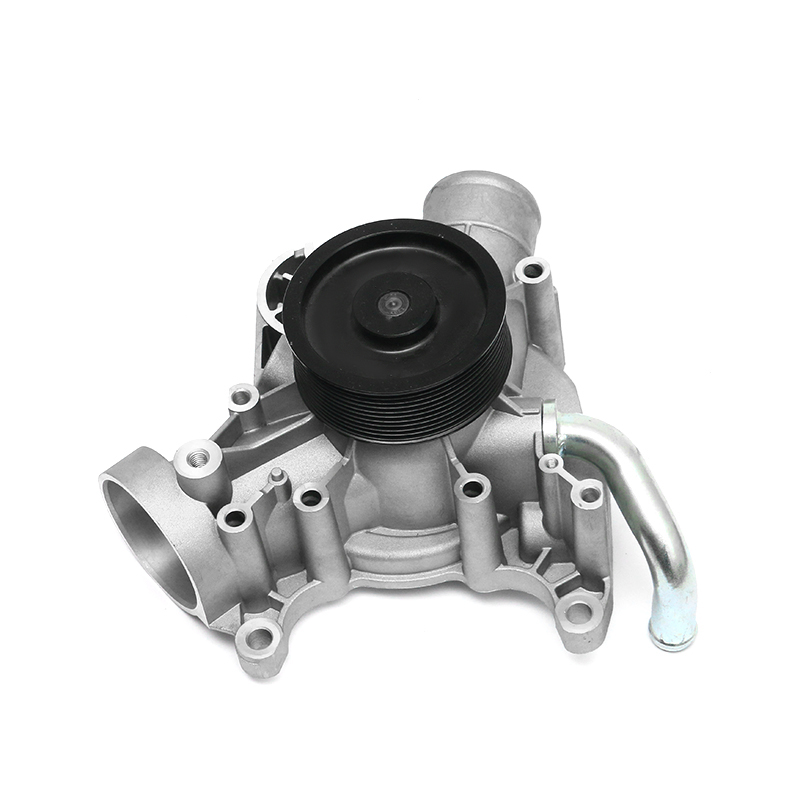 Precision Die Casting for Automotive Water Pump HousingsThis supplier combines mold design, die casting, and processing expertise to produce durable aluminum water pump casings, ensuring repeatable quality for engine cooling components.View Product →
Aluminum Alloys Used in Water Pump Die Casting
Alloy selection is a trade-off among fluidity, pressure tightness, thermal conductivity, and machinability. In practice, water pump housings rely on near-eutectic aluminum-silicon alloys because silicon improves the flow of molten metal into thin sections and reduces solidification shrinkage.
| Alloy | Key characteristics | Typical use |
|---|---|---|
| ADC12 | High fluidity; good pressure tightness; good machinability | Complex water pump bodies and brackets |
| A380 | Good strength and thermal conductivity; wide melting range | Housings requiring higher mechanical or fatigue resistance |
| AlSi10Mg(Fe) | Lower iron content; better ductility for post-casting treatment | Electric-vehicle coolant housings and structural pump mounts |
These alloys are not interchangeable. A pump located near a turbocharger experiences a different heat load than a pump on a small naturally aspirated engine. The drawing, the operating pressure, and the mounting position should all be reviewed before the alloy is finalized.
The Die Casting Process Step by Step
Every die-cast water pump starts with a mold designed around the cooling circuit. The mold design determines where the parting line sits, how the core will form the impeller cavity, and how many side actions are needed. An experienced die-casting engineer will review flow simulation results before steel is cut.
- Mold design: cooling channels, gate placement, and ejector positions are optimized for one uniform filling pattern.
- Melting and injection: the aluminum alloy is held at the correct temperature and forced into the die at high pressure.
- Solidification and cooling: controlled cooling ensures that thin walls fill completely and feeding remains effective.
- Ejection and trimming: the casting is removed from the die and the overflow, flash, and gate system are trimmed.
- Machining and finishing: critical faces, bores, and gasket surfaces are machined on CNC machining centers.
- Pressure testing and inspection: housings are leak-tested, dimensionally checked, and prepared for delivery.
The cavity pressure is high enough to push metal into thin-walled details and reproduce the mold surface. This combination of pressure, temperature control, and tooling accuracy is what separates a durable water pump housing from a leaker.
Quality Control: What Makes a Die-Cast Water Pump Housing Reliable
Porosity is the number one enemy of a water pump casting. Air can become trapped during injection, and if porosity appears near a sealing surface, coolant will escape. Because the coolant circuit operates under pressure, the housing must be tested for leaks. A passenger-car pressure cap typically holds around 100–140 kPa, so the housing must be leak-tested at or above that range. A quality supplier will test 100% of parts, often with air or helium, and keep records of every result.
Dimensional control is the second major concern. The bearing bore, impeller cavity, and gasket faces directly affect pump efficiency and seal lifetime. In-process coordinate measuring machine checks, along with industrial CT for internal porosity, provide data during production instead of after the fact.
Material integrity is the third layer. A spectrometer check of each heat ensures silicon, copper, and iron stay within the specified range. If the alloy drifts, porosity and machinability drift with it. This is where IATF 16949 certification adds real value, because it forces the entire quality system to be documented, not simply claimed.
Design Considerations for Engineers and Buyers
To get the best result from car water pump die casting, the housing should be designed as a die casting from the beginning. A design that is copied from a sand casting or a plastic part will create avoidable problems in the mold and in the final seal quality.
- Keep wall thickness as uniform as possible; abrupt steps cause shrinkage and uneven cooling.
- Specify a draft angle of 0.5° to 2° so the casting can be ejected without distortion.
- Place critical sealing surfaces in areas that will be machined afterward, not left as-cast.
- Avoid tight tolerances on surfaces that do not need them; machined faces can hold ±0.1 mm, while cast-only dimensions should be discussed with the supplier.
For aftermarket buyers, these design details are not visible, but they show up in pump failure rates. A housing with clean coolant passages and flat, correctly machined sealing surfaces will naturally protect the bearing and seal assembly.
How to Choose a Car Water Pump Die Casting Supplier
Choosing a supplier is a risk management decision. A housing that leaks or distorts under hot coolant pressure can damage a pump brand even if every other component is fine. For that reason, evaluate supplier capability, not just quoted price.
Start with the casting equipment. Machines from 400 T to 2,000 T are needed for different housing sizes. A supplier with machining centers and in-house inspection equipment can coordinate all tolerances in one production flow. Mold design experience is even more important, because a poor gate design cannot be corrected by a cheaper alloy. At our plant, mold design, die casting, machining, and testing are handled under one roof, which avoids the disconnect between tooling and production.
- IATF 16949 certification or an equivalent automotive quality system.
- In-house mold design and maintenance capability.
- CMM, industrial CT, spectrometer, and leak-testing equipment.
- One supplier for casting, machining, and surface treatment.
- Documented experience with pump housings, not just general die casting.
A housing with matched seal surfaces and clean coolant passages will also deliver longer service life. This connection between pump components and engine reliability is covered in our technical note on water pump wear resistance and engine life.
Bottom Line
Car water pump die casting is an established process, but its success depends on material, mold, and process controls. Aluminum die casting remains the most practical way to produce pumps that are light, repeatable, and affordable. For engineers and buyers, the goal is not to find the lowest-cost pump casting, but to find the supplier who can prove that each housing is dimensionally accurate and pressure-tight. Verify those controls during the sample stage, and the field reliability will follow.