

 English
 русский
 عربى
عربى Deutsch
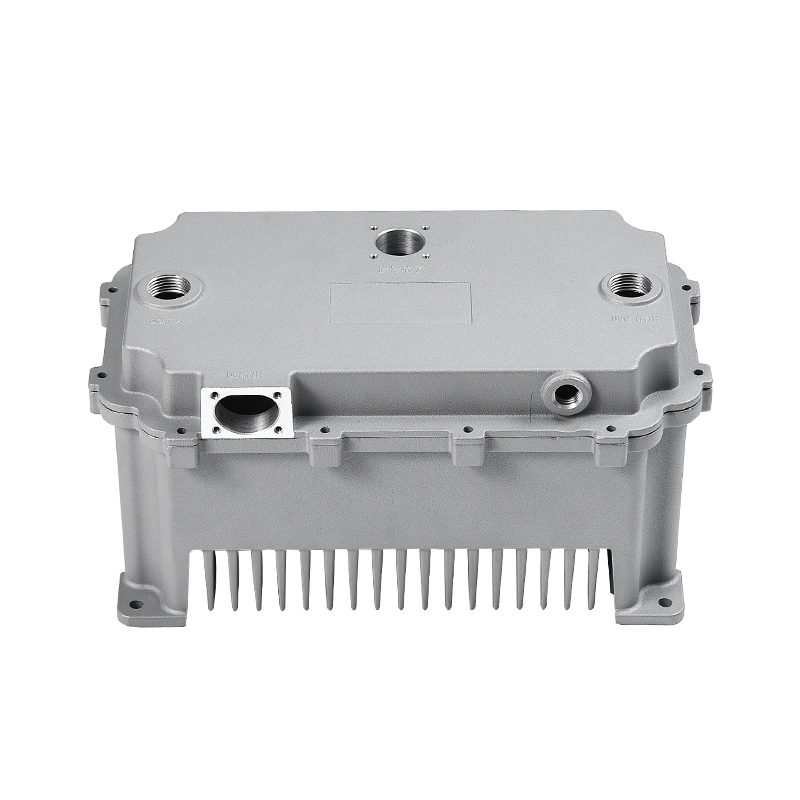
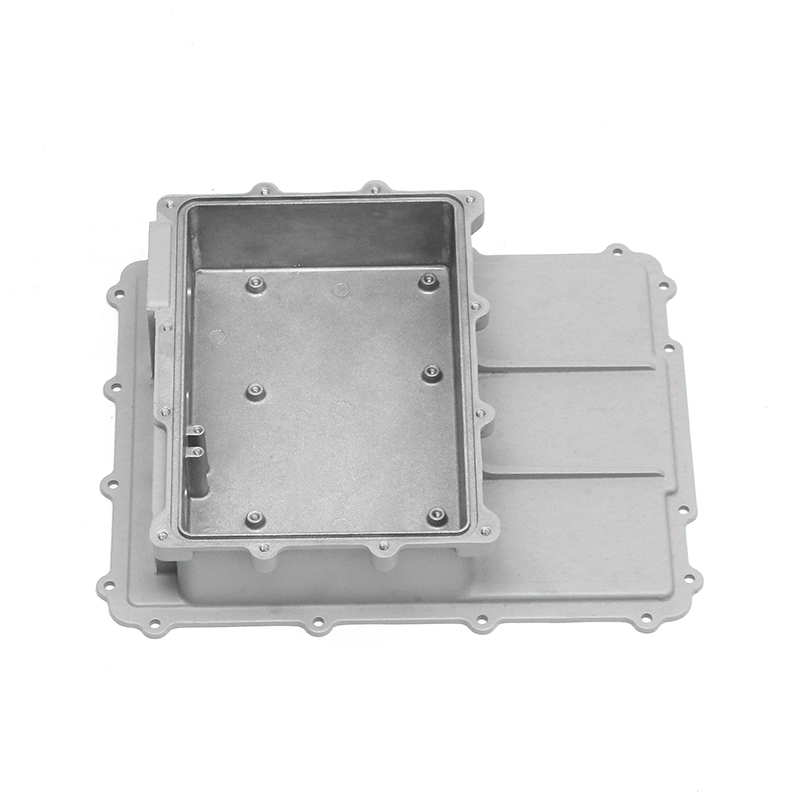
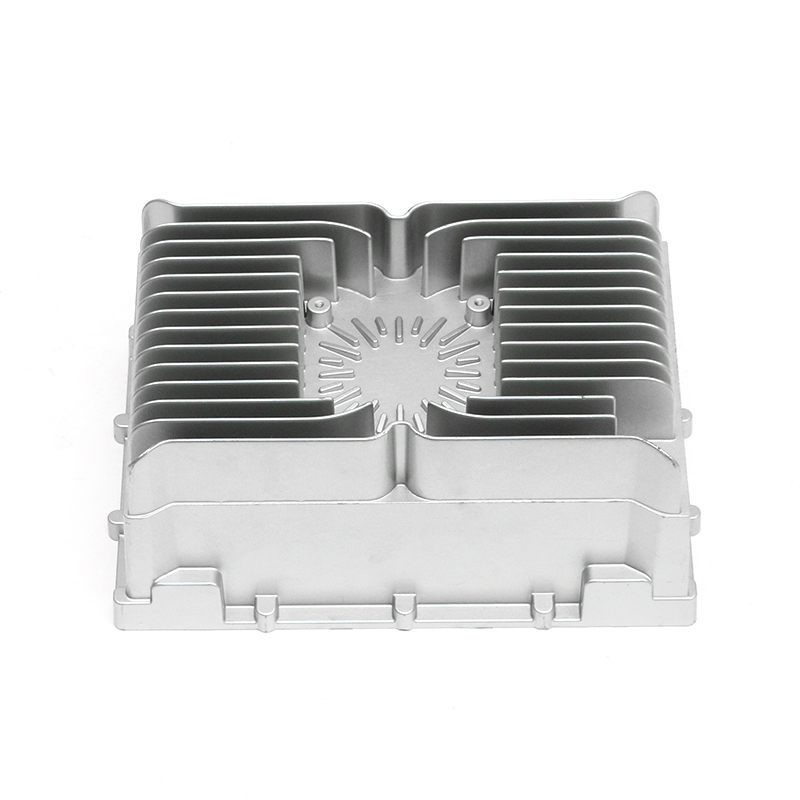
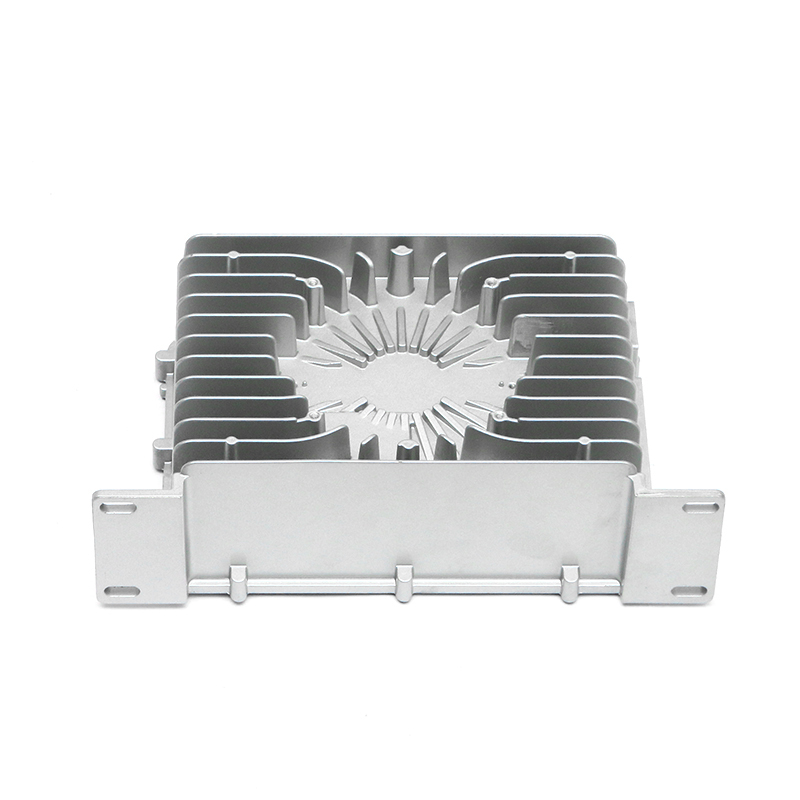
Car Water Pump Die Casting Ensures Precision, Durability, and Efficient Cooling Performance
Car water pump die casting is the most effective manufacturing method for producing high-precision, lightweight, and durable pump housings that directly impact engine cooling efficiency and longevity. By using advanced die casting techniques, manufacturers achieve consistent dimensional accuracy, excellent surface finish, and optimized internal flow channels.
In modern automotive systems, where engines operate under high thermal loads, the reliability of the water pump housing plays a critical role in maintaining stable temperatures and preventing overheating.
Why Die Casting Is Ideal for Car Water Pump Components
High Dimensional Accuracy
Die casting can achieve tolerances as tight as ±0.05 mm, ensuring proper alignment between pump components such as impellers, bearings, and seals.
Excellent Surface Finish
The smooth internal surfaces produced by die casting reduce fluid resistance, improving coolant flow efficiency and reducing energy consumption.
Lightweight Construction
Aluminum die casting significantly reduces component weight compared to cast iron, contributing to overall vehicle fuel efficiency improvements of 2–5%.
High Production Efficiency
Die casting supports mass production with cycle times often under 60 seconds per part, making it suitable for automotive manufacturing scale.
Materials Used in Car Water Pump Die Casting
Aluminum Alloys
Aluminum alloys such as ADC12 and A380 are widely used due to their excellent thermal conductivity, corrosion resistance, and lightweight properties.
Magnesium Alloys
Magnesium offers even lower weight than aluminum, though it is less commonly used due to higher cost and specific corrosion considerations.
Zinc Alloys
Zinc alloys provide excellent precision and surface finish, typically used for smaller or less thermally stressed components.
Material Comparison
| Material | Density | Thermal Conductivity | Typical Use |
|---|---|---|---|
| Aluminum | 2.7 g/cm³ | High | Main pump housing |
| Magnesium | 1.8 g/cm³ | Medium | Lightweight designs |
| Zinc | 6.6 g/cm³ | Low | Small precision parts |
Key Steps in the Die Casting Process
Mold Design and Preparation
High-precision molds are designed to incorporate complex internal flow paths and mounting features. Mold quality directly influences final product consistency.
Molten Metal Injection
Molten alloy is injected into the mold at high pressure, typically between 1,500–25,000 psi, ensuring complete cavity filling and minimal porosity.
Cooling and Solidification
Rapid cooling ensures fine grain structure, improving mechanical strength and dimensional stability.
Trimming and Finishing
Excess material is removed, and components may undergo machining, polishing, or coating processes to meet automotive standards.
Quality Control in Car Water Pump Die Casting
Porosity Detection
X-ray inspection identifies internal voids that could weaken the structure or cause coolant leakage.
Pressure Leak Testing
Finished pump housings are tested under pressure conditions to ensure leak-proof performance.
Dimensional Inspection
Coordinate measuring machines (CMM) verify that parts meet strict tolerances required for engine integration.
- Surface roughness control improves sealing performance
- Thermal testing ensures durability under high temperatures
- Corrosion resistance testing validates long-term reliability
Design Considerations for Die Cast Water Pump Housings
Optimized Coolant Flow Channels
Smooth and well-designed internal passages reduce turbulence, improving cooling efficiency by up to 10–15%.
Wall Thickness Balance
Uniform wall thickness minimizes stress concentrations and prevents cracking during thermal cycling.
Integration of Mounting Features
Mounting holes, brackets, and seal grooves are often integrated into the casting to reduce post-processing costs.
Common Defects and Solutions in Die Casting
| Defect | Cause | Solution |
|---|---|---|
| Porosity | Air entrapment | Optimize venting and pressure |
| Cold shuts | Low metal temperature | Increase pouring temperature |
| Shrinkage | Improper cooling | Improve cooling system design |
Industry Trends in Automotive Die Casting
The automotive industry is moving toward lightweight and high-efficiency components, driving innovation in die casting technologies.
- Adoption of vacuum die casting to reduce porosity
- Integration of multiple components into single castings
- Use of AI for process optimization and defect prediction
- Increased demand for electric vehicle-compatible cooling systems
Manufacturers are increasingly focusing on reducing material waste while improving production efficiency, making die casting a key process in next-generation automotive engineering.