

 English
 русский
 عربى
عربى Deutsch
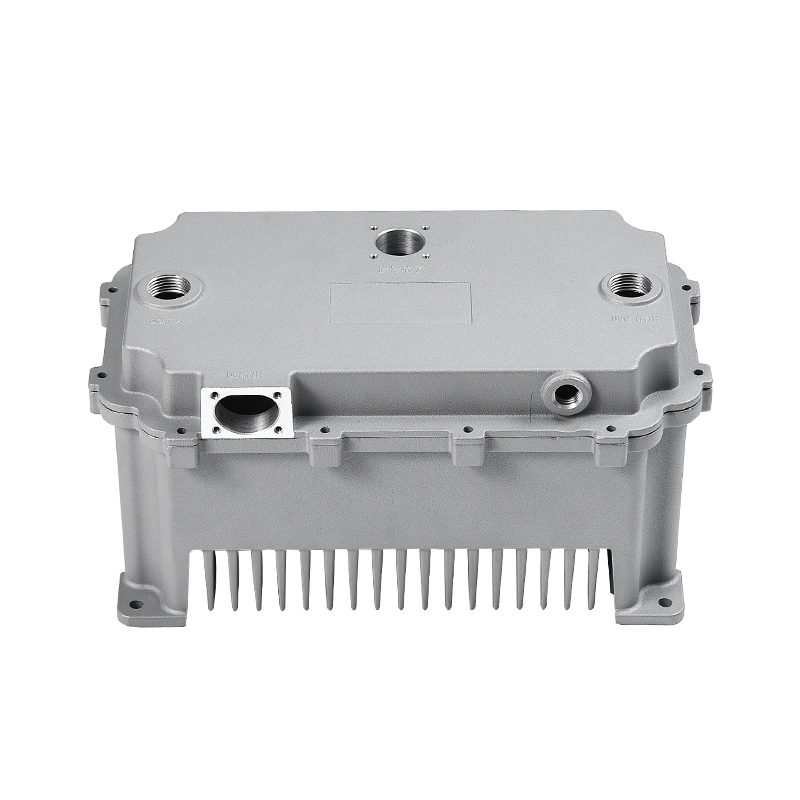
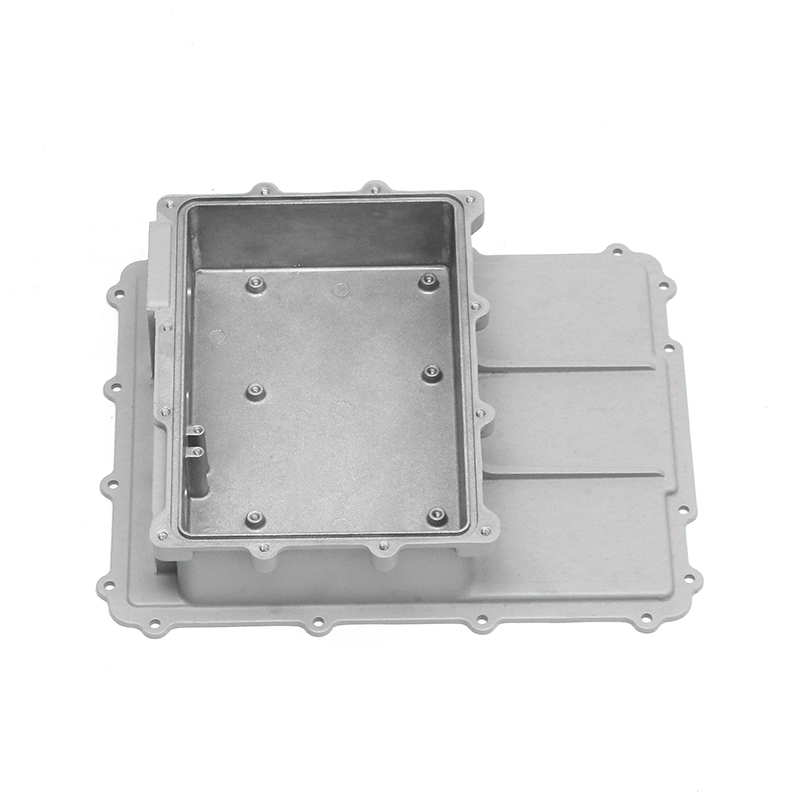
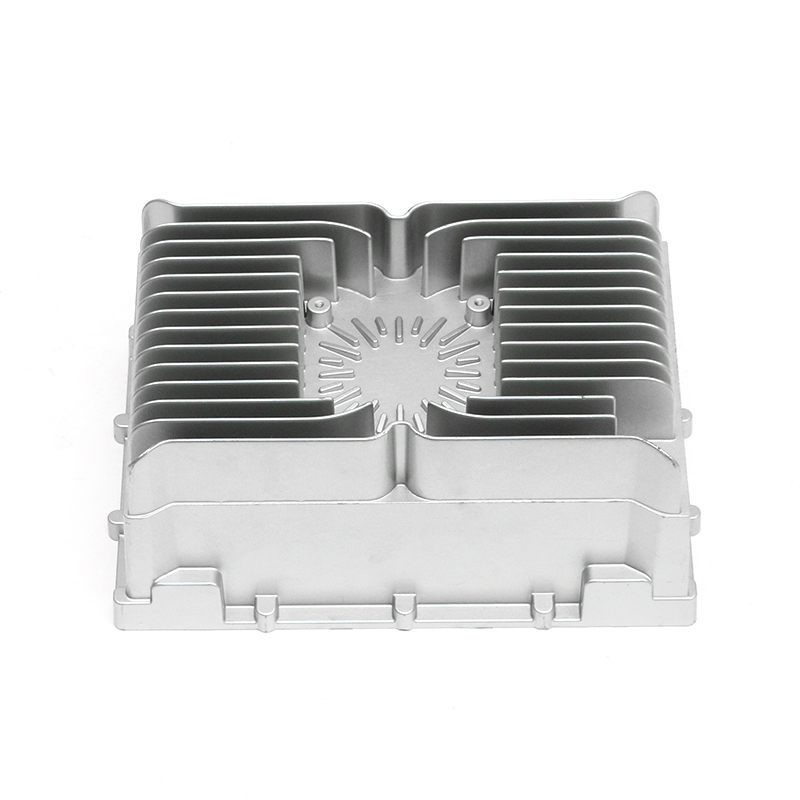
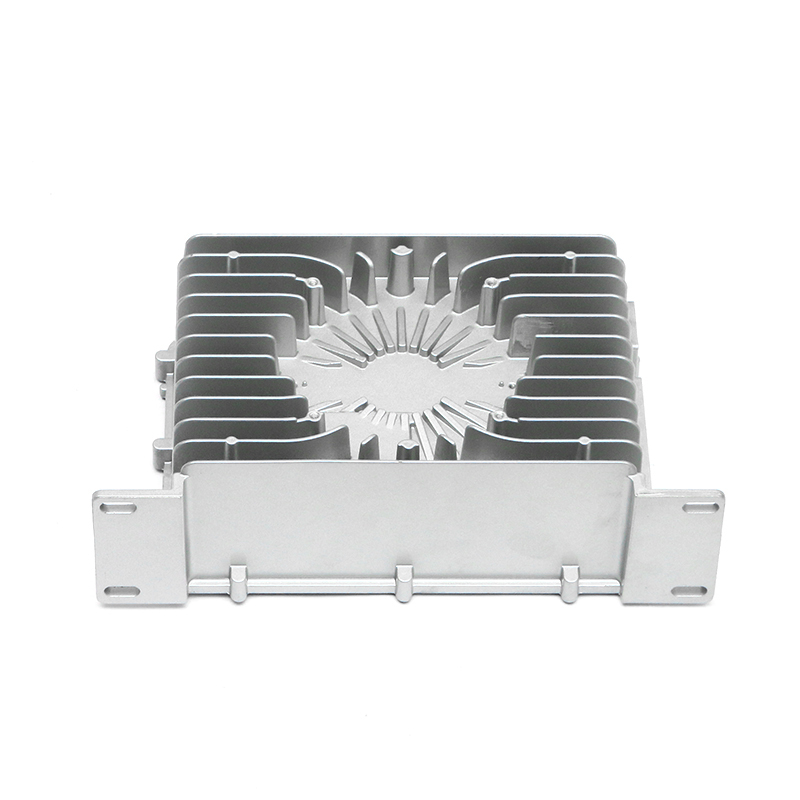
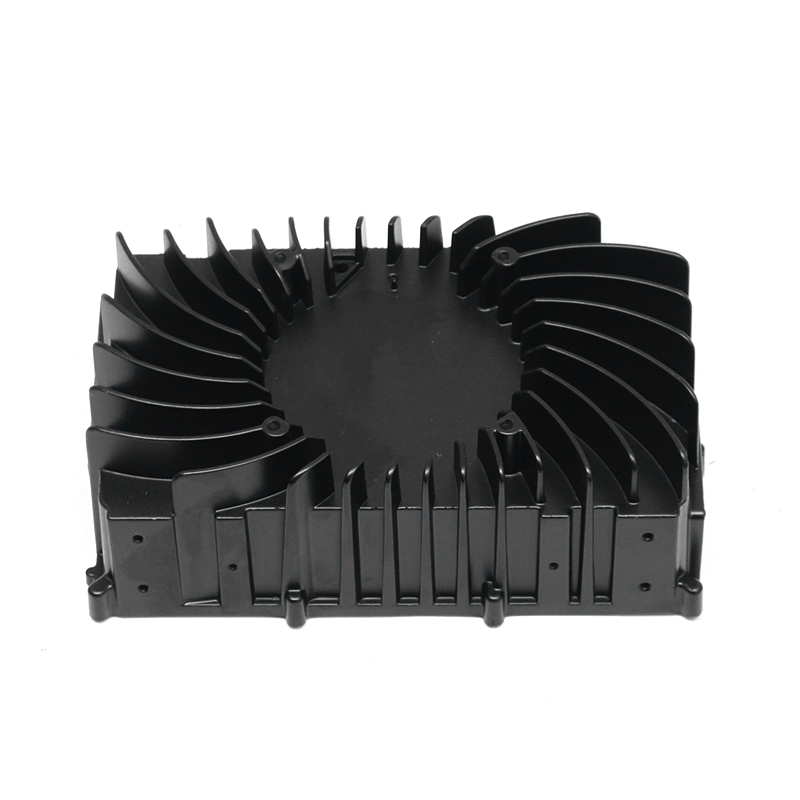
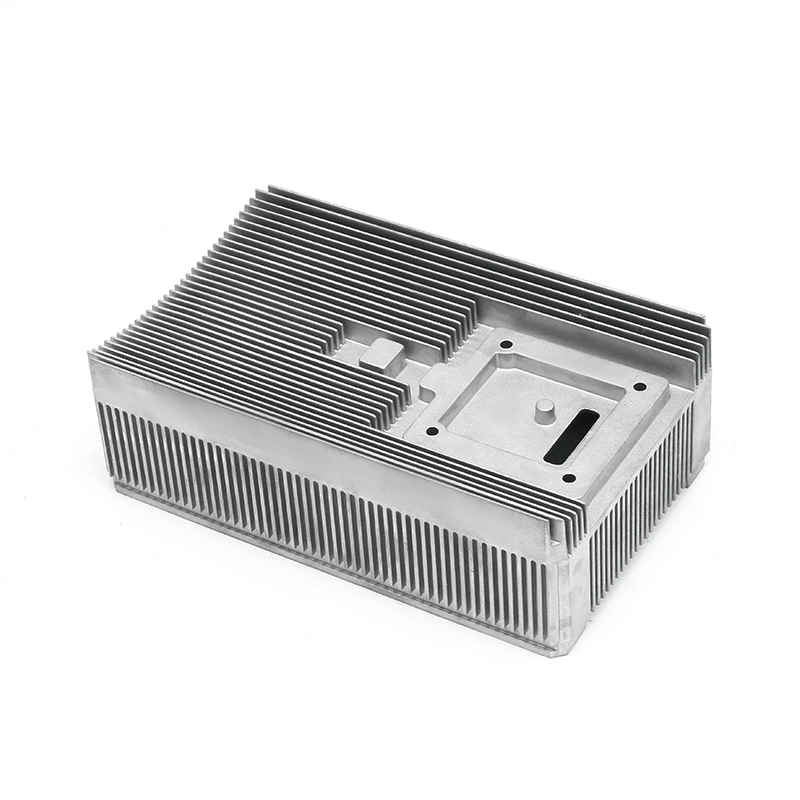
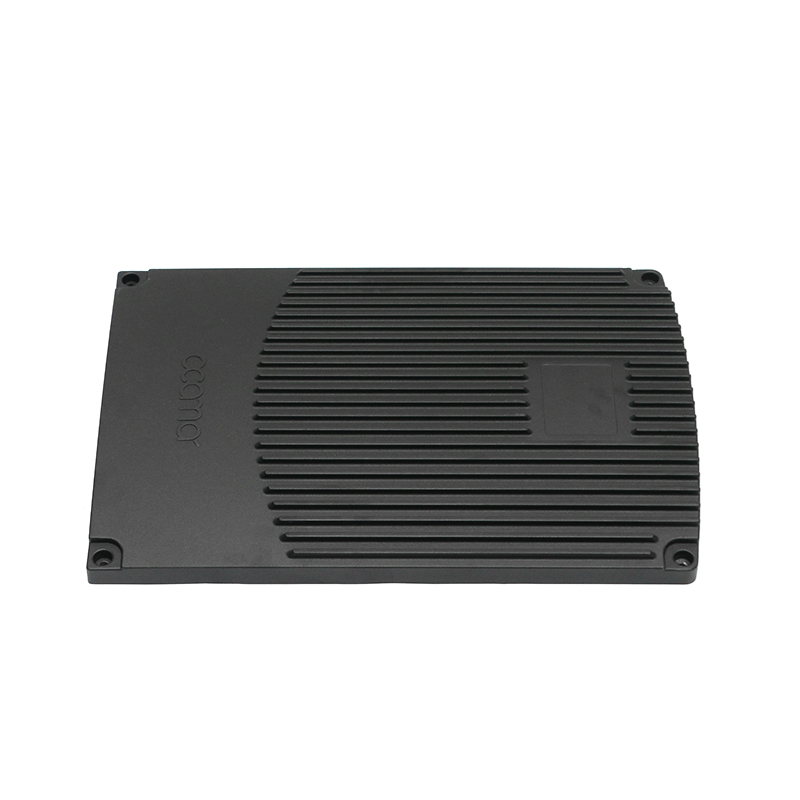
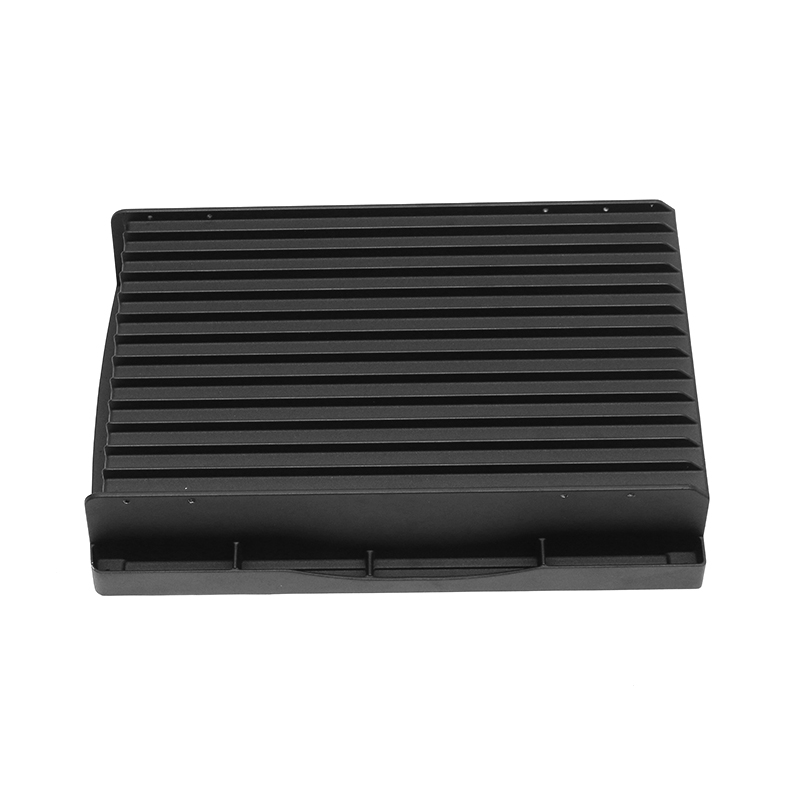
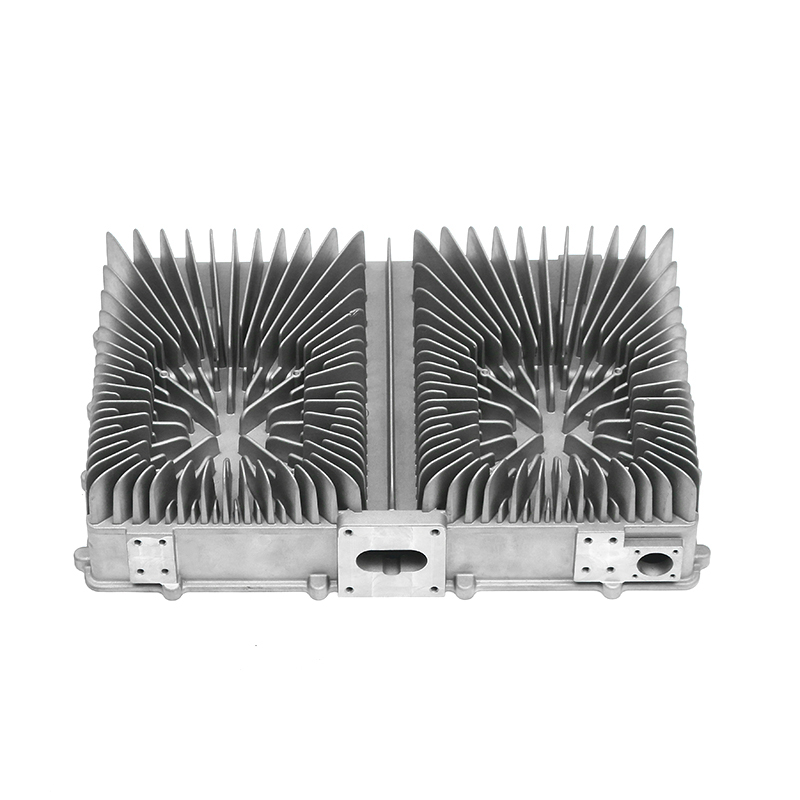
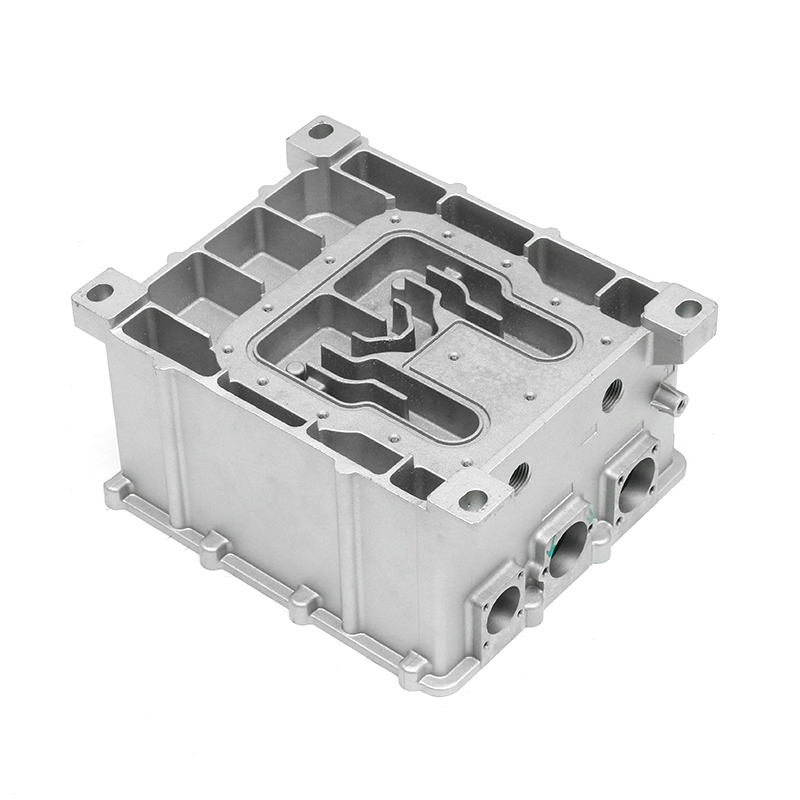
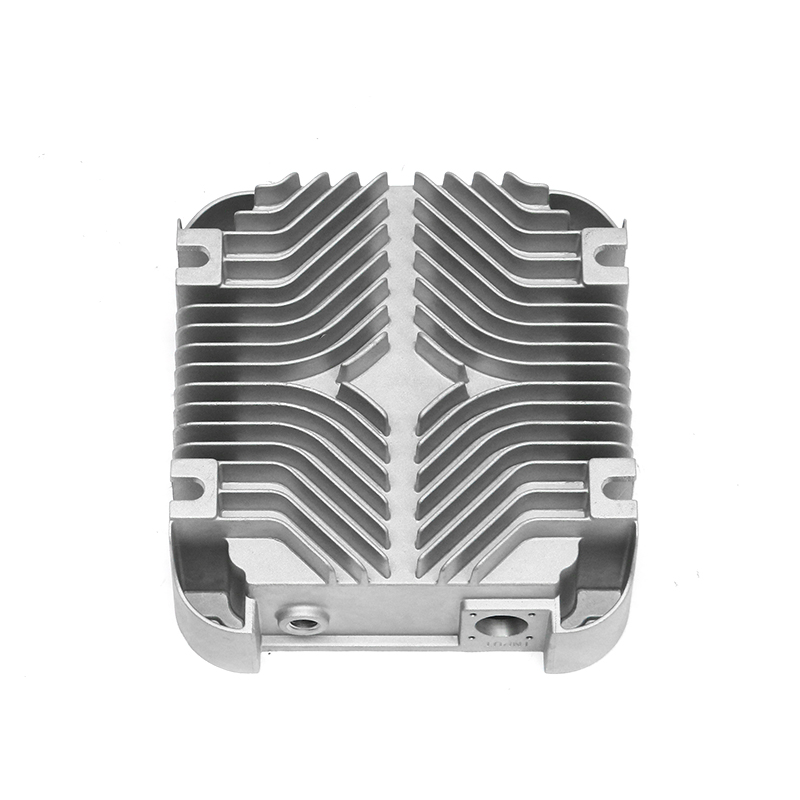
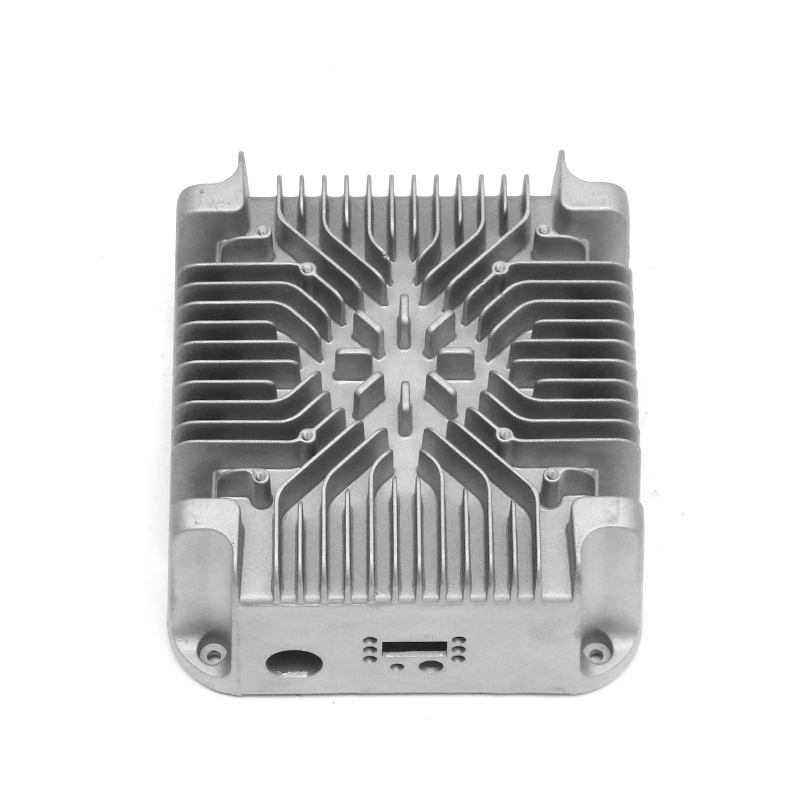
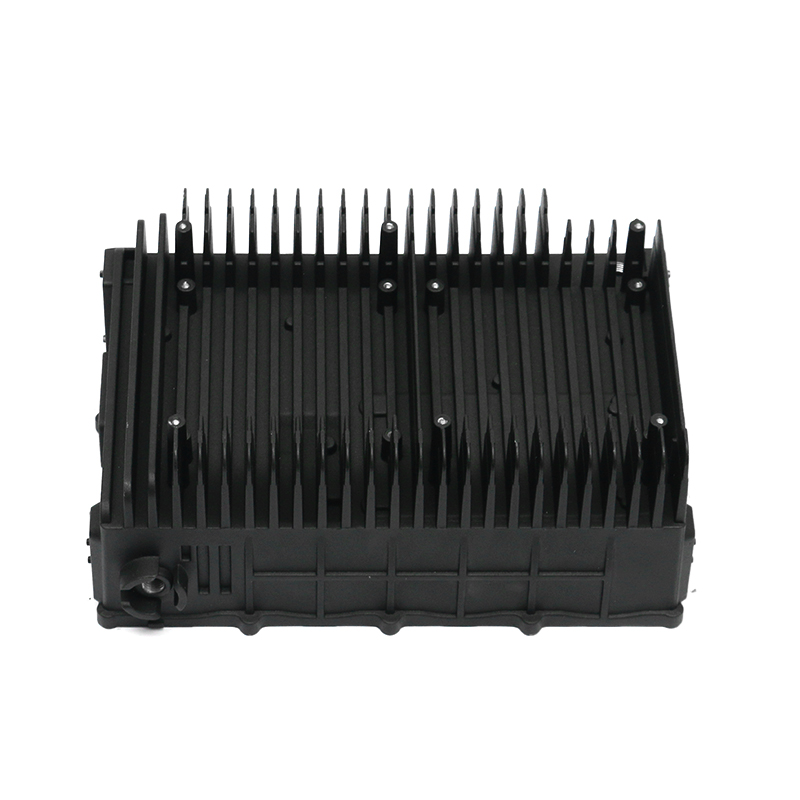
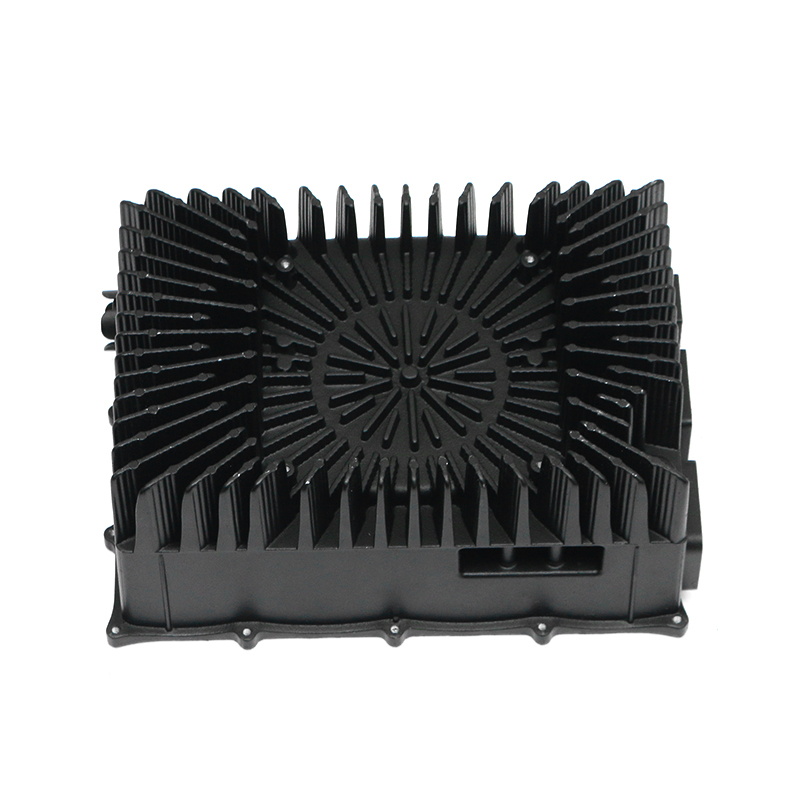
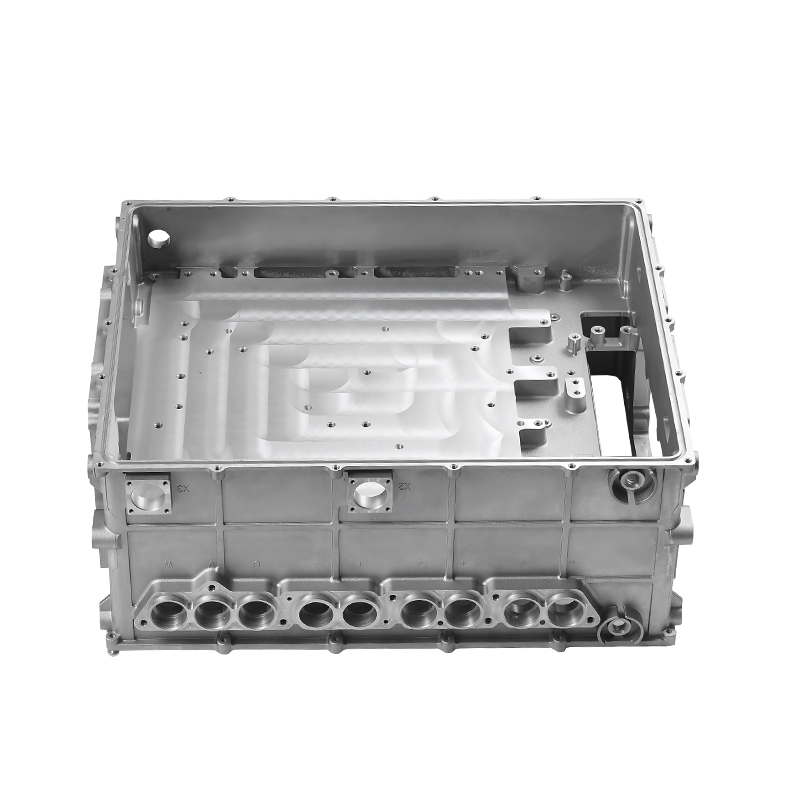
Precision trimming mold die casting ensures high dimensional accuracy, clean edges, and reduced post-processing, making it a critical process for producing complex metal components at scale with consistent quality.
By integrating trimming operations directly into the die casting workflow, manufacturers can significantly reduce manual finishing, improve production speed, and maintain tight tolerances. This approach is widely adopted in industries such as automotive, electronics, and industrial equipment, where precision and efficiency are essential.
What Is Precision Trimming in Mold Die Casting
Precision trimming in mold die casting refers to the process of removing excess material—such as flash, runners, and overflows—from cast parts using specially designed trimming dies. Unlike manual trimming or secondary machining, this process is automated and integrated into production lines.
The trimming mold is engineered to match the geometry of the casting, ensuring that excess material is removed cleanly without damaging the final product. Typical dimensional tolerances can be maintained within ±0.05 mm, depending on material and design complexity.
Core Elements of the Process
- Die casting mold for forming the part
- Trimming die for removing excess material
- Hydraulic or mechanical press system
- Automated handling systems or robotic arms
Key Advantages of Precision Trimming Mold Die Casting
Integrating precision trimming into die casting offers several measurable advantages that directly impact productivity and product quality.
Improved Dimensional Accuracy
Precision trimming eliminates inconsistencies caused by manual finishing. Components can achieve repeatability rates above 98%, ensuring consistent quality across large production batches.
Reduced Secondary Processing
By removing excess material during the trimming stage, manufacturers minimize the need for grinding, deburring, or CNC machining. This reduces labor costs and shortens production cycles.
Enhanced Surface Quality
Clean trimming results in smoother edges and improved surface finish, which is especially important for visible or functional parts in consumer products and automotive assemblies.
Higher Production Efficiency
Automated trimming systems can process parts within seconds. In high-volume operations, cycle time reductions of 15–25% are commonly achieved.
Materials Commonly Used in Precision Die Casting
The effectiveness of precision trimming depends significantly on the material used in die casting. Different alloys respond differently to trimming forces and tooling design.
| Material | Key Properties | Typical Applications |
|---|---|---|
| Aluminum Alloys | Lightweight, good strength | Automotive, electronics housings |
| Zinc Alloys | High precision, excellent fluidity | Small components, connectors |
| Magnesium Alloys | Ultra-lightweight | Aerospace, portable devices |
Design Considerations for Trimming Dies
The design of the trimming mold is crucial for achieving consistent and precise results. Poor design can lead to defects such as burrs, deformation, or incomplete trimming.
Key Design Factors
- Clearance between punch and die
- Material hardness and thickness
- Part geometry and complexity
- Alignment accuracy of the trimming system
For example, maintaining a clearance of 5–10% of material thickness is often recommended to achieve clean cuts without excessive tool wear.
Integration with Automated Production Lines
Modern manufacturing increasingly relies on automation, and precision trimming mold die casting fits seamlessly into automated production systems.
Automation Benefits
- Reduced labor costs and human error
- Consistent cycle times and output
- Improved workplace safety
Robotic arms can transfer parts directly from the casting machine to the trimming press, completing the process in a continuous flow. This integration can increase overall production efficiency by more than 30% in high-volume operations.
Common Challenges and Practical Solutions
Despite its advantages, precision trimming mold die casting presents several challenges that require careful management.
Tool Wear and Maintenance
Frequent trimming can cause wear on punches and dies. Using high-quality tool steel and applying surface treatments can extend tool life by 20–50%.
Part Deformation
Thin or پیچیده geometries may deform during trimming. Optimizing die design and adjusting press force can mitigate this issue.
Alignment Issues
Misalignment between the casting and trimming die can lead to defects. Precision fixtures and regular calibration are essential to maintain accuracy.
Cost Efficiency and Return on Investment
Although the initial investment in precision trimming molds and automation systems can be high, the long-term cost benefits are significant.
- Reduced labor costs due to automation
- Lower material waste through precise trimming
- Fewer rejected parts and rework
In many cases, manufacturers report achieving full return on investment within 12–24 months, especially in high-volume production environments.