

 English
 русский
 عربى
عربى Deutsch
A water pump in a family car moves roughly 200 liters of coolant per minute at highway speed. The impeller spins at engine speed, so at 3,000 rpm the coolant completes the entire cooling loop many times per second. If the pump loses pressure, the temperature gauge reaches the red zone in minutes, and the cylinder head can distort before the driver finds a safe place to stop. That is why the water pump belongs in the same maintenance category as timing belts and brake fluid, and why the choice of replacement part matters far more than its purchase price.
What a Car Water Pump Does and Why It Is Critical
The water pump is a centrifugal pump driven by the timing belt, timing chain, or accessory belt. Inside its die-cast housing, an impeller with curved vanes throws coolant outward. That motion creates low pressure at the inlet, which draws coolant out of the radiator, and high pressure at the outlet, which pushes coolant through the engine block, cylinder head, heater core, and back to the radiator.
The pump must do this while containing pressurized coolant and withstanding temperatures from roughly 90°C to over 100°C (about 200°F to 230°F). A modern pump achieves it with three elements: a precision-machined housing that directs flow and mounts to the engine, a shaft seal that keeps coolant away from the bearing while the shaft rotates, and a sealed bearing that carries the impeller load at every engine speed.
The name is historical. The pump moves coolant, not plain water, but it still does exactly what "water pump" describes: it keeps the liquid moving so the engine stays in its operating temperature window.
How Manufacturing Quality Decides Water Pump Life
The reliability of a water pump is largely fixed the moment it leaves the casting and machining line. Failures that appear at 30,000 or 40,000 kilometers usually trace back to one of four root causes:
- Bearing wear caused by an out-of-round housing bore that loads the bearing unevenly.
- External coolant leaks through the weep hole, usually because the seal seat was not machined to the required flatness and surface finish.
- Impeller erosion or corrosion that reduces flow until the engine overheats in traffic or under load.
- Housing cracking from porosity, non-uniform wall thickness, or residual stress locked into the casting.
None of these faults shows up during a visual inspection at the parts counter. They appear only under operating conditions, and by then the engine has already paid the price.
In a die-cast aluminum housing, the process window is narrow. Melt temperature, die temperature, injection pressure, and cooling time all influence porosity. In a part that will hold pressurized coolant, porosity matters even in areas that are not visible, because internal voids can connect to a machined face and become a leak path. Air-tightness testing is the standard way to catch these defects, and a quality supplier tests every housing rather than a sample.
Common Signs That a Water Pump Is Failing
Most water pumps announce their failure before the engine overheats. The signals are easy to confuse with other cooling system problems, so it helps to know what each one means.
- Coolant pooling under the front of the engine. A small drip from the weep hole between the housing and the bearing is an intentional leak path; the seal has started to let coolant past, and the pump directs the fluid out before it can enter the bearing.
- A whining or growling noise that changes with engine speed. This points to a bearing that has lost its grease film or begun to wear.
- A chirping or squeaking sound near the timing cover. In belt-driven designs, a dragging seal or shaft is often the cause; in chain-driven engines, a weeping housing face can contaminate the drive.
- Coolant temperature that climbs at idle, in traffic, or under load, then drops when the engine is revved. That pattern indicates low impeller output, not a thermostat that is stuck open.
- Steam or a sweet coolant smell from under the hood, paired with visible drips.
Car owners who want to review the symptoms in more detail can refer to this article on the common warning signs of a failing car water pump.
| Symptom | Most likely cause | What to check |
|---|---|---|
| Puddle at the weep hole | Shaft seal leakage | Replace the pump before coolant reaches the bearing |
| Growl or whine that follows rpm | Bearing wear | Listen near the timing cover and compare with engine speed |
| Overheats at idle, cools at speed | Impeller erosion or slipping drive | Inspect the impeller, drive belt, or timing drive |
| Chirping near the timing cover | Seal drag or belt contamination | Look for coolant residue near the housing face |
What to Check Before Buying a Replacement Water Pump
The visible part of a water pump tells you less than the hidden details, yet those details decide whether the pump lasts 50,000 or 150,000 kilometers. Here is what to verify before installation:
- Housing material and casting density. A die-cast aluminum housing should feel uniform and dense, with no visible pores on the machined faces.
- Impeller design. Cast aluminum impellers resist cavitation erosion better than thin stamped-steel blades in high-mileage applications.
- Machined seal seat. The surface the shaft seal rides on must be machined, not as-cast. Roughness here is the most common cause of chronic weep-hole leaks.
- Mounting face flatness. The face that bolts to the engine block should be flat within a few hundredths of a millimeter. A gasket can swallow small deviations, but the housing will distort later and the leak returns.
- Bearing and seal quality. Sealed bearings with long grease life and ceramic or silicon-carbide seal faces are the right choice for a pump that sits behind a timing cover.
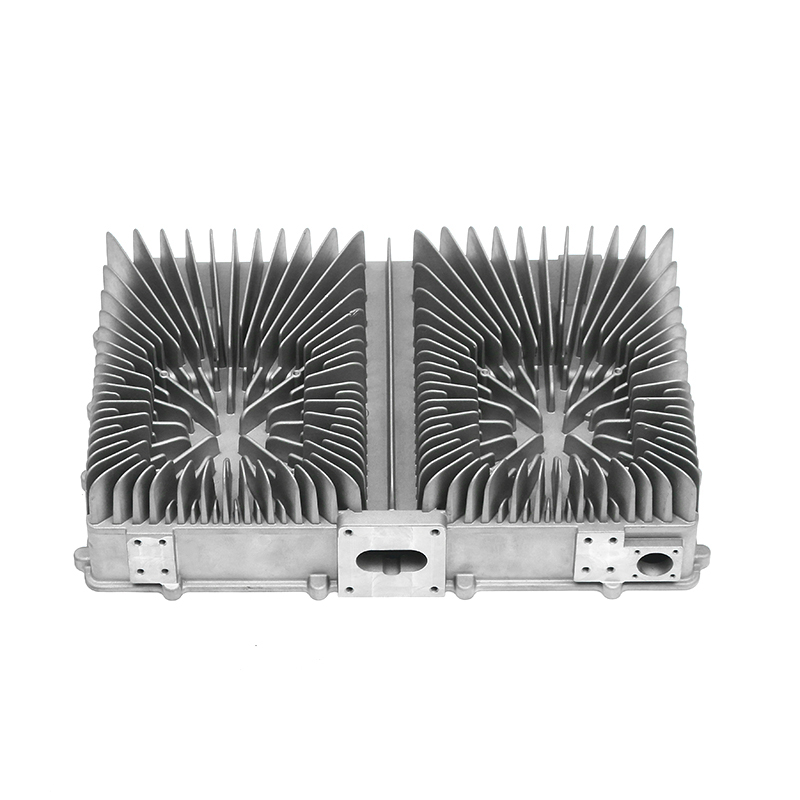
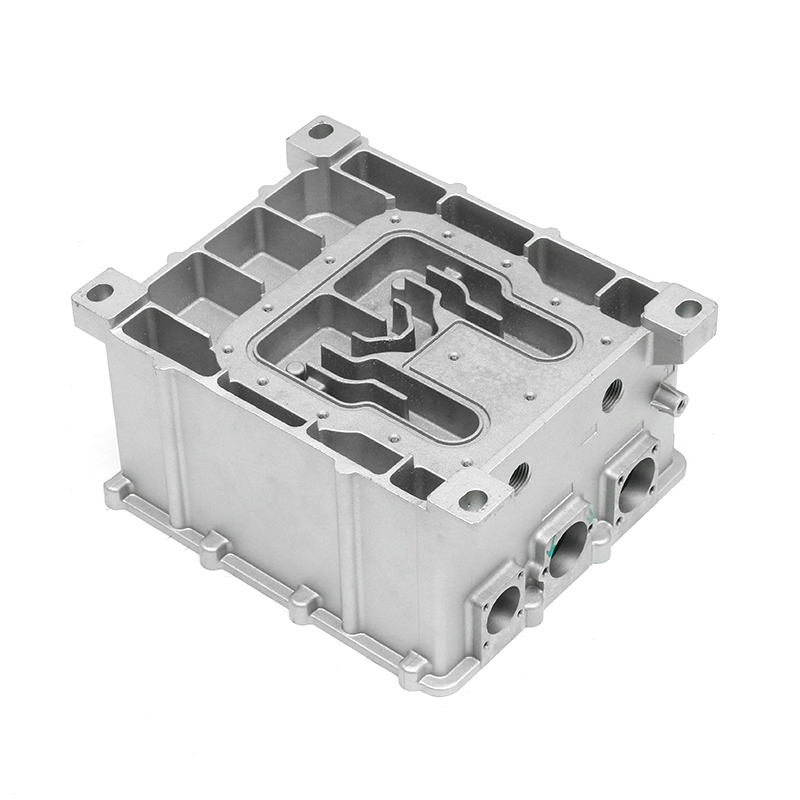
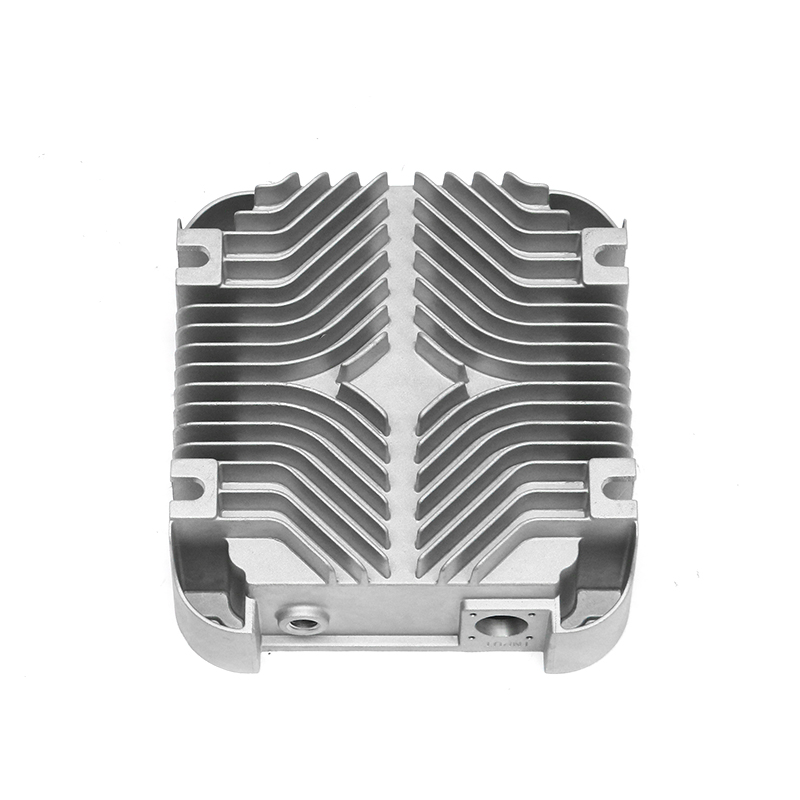
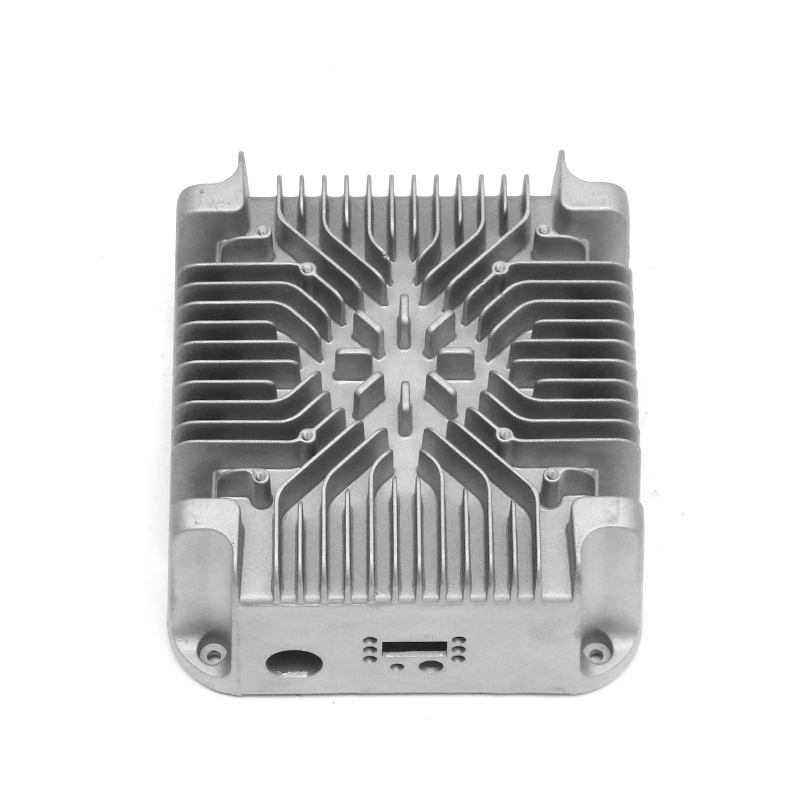
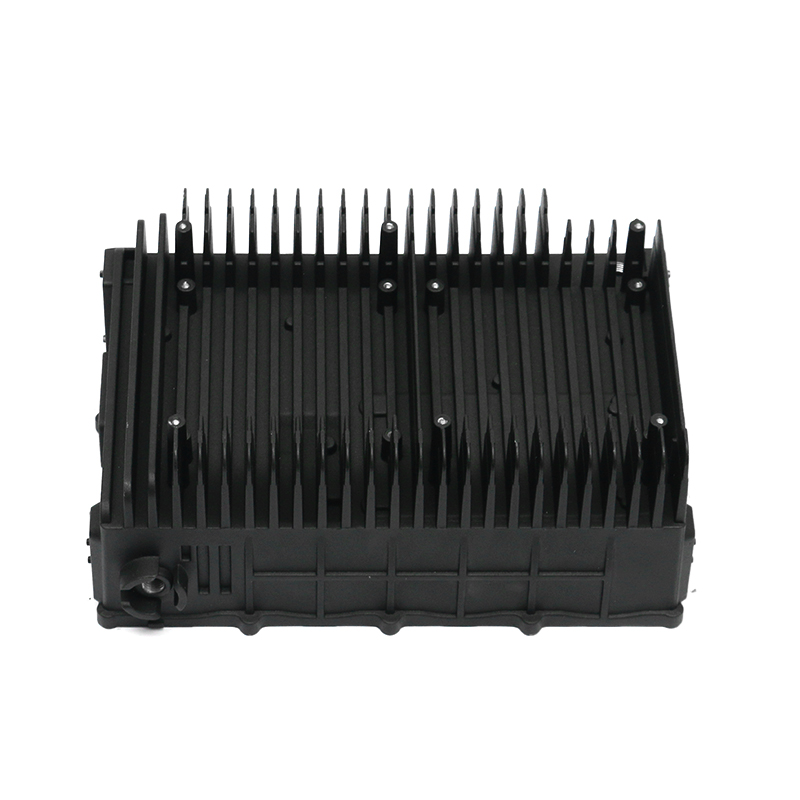
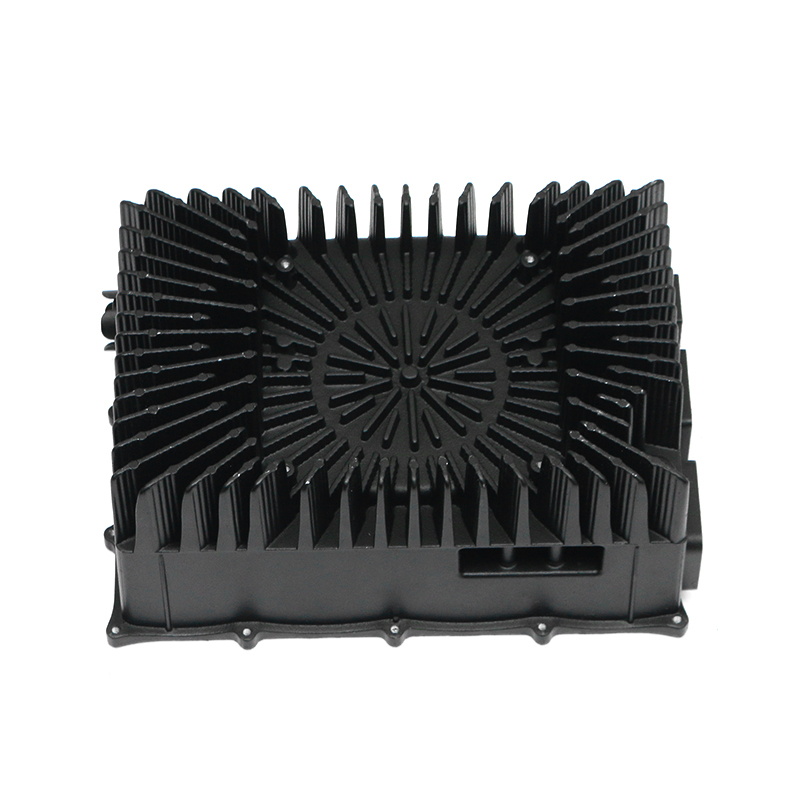
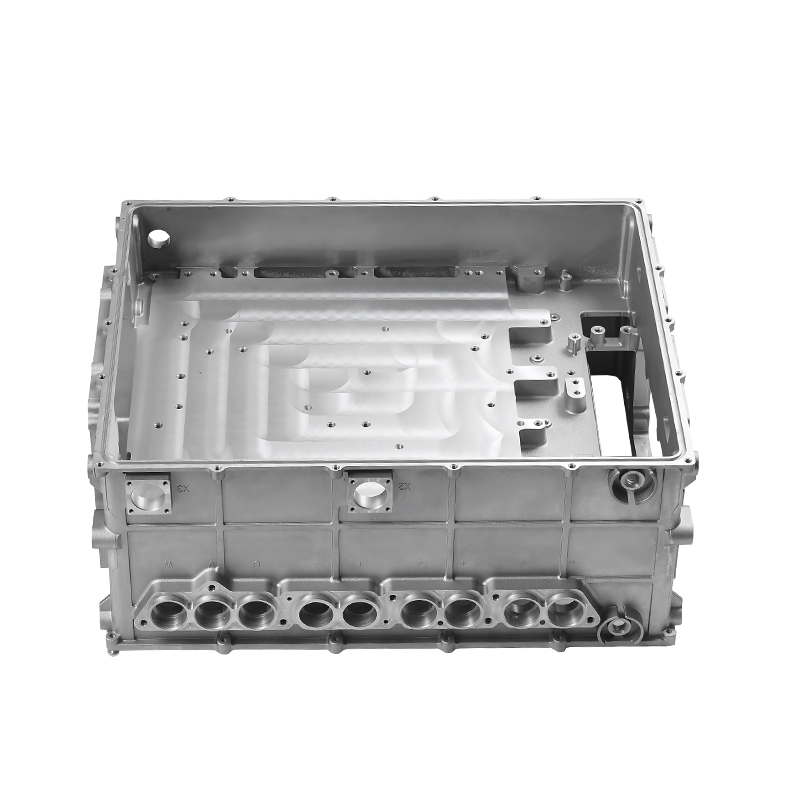
When we produce our die-cast aluminum car water pump, the housing is cast on a 400-ton machine, machined on CNC centers, and passed through an air-tightness test before it reaches the assembly stage. Those are the steps that keep the seal seat flat, the bore concentric, and the casting free of hidden leak paths.
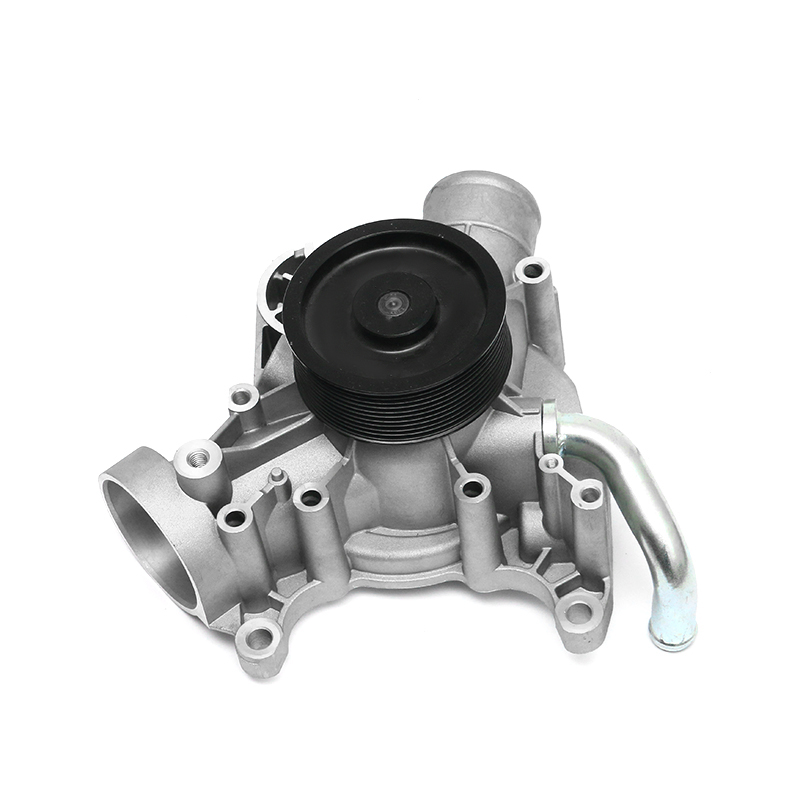 OEM/ODM Die Casting Car Water Pump Manufacturers, Suppliers, FactoryNingbo Fenda New Energy Technology Co., Ltd., is China die casting car water pump manufacturers and car water pump suppliers, our factory...View Product →
The Real Cost of a Poorly Made Water Pump
The price difference between a cheap water pump and a quality one is usually small, often less than the labor cost of the replacement job. The difference shows up when the pump is inaccessible. On many four-cylinder engines, the water pump is driven by the timing belt or chain, and replacing it means removing the belt, the tensioner, and sometimes the crankshaft pulley. A pump that fails a year or two after installation forces the owner to pay the same labor again, plus the risk of overheating damage in the meantime.
For a fleet or a workshop, the mathematics is worse. A single roadside failure can cost more than the pump's entire lifetime fuel bill when towing, lost revenue, and an emergency repair are counted. The reliable path is not to buy the most expensive pump on the shelf, but to buy from a maker that can demonstrate control over the three things that kill water pumps: porosity, machining accuracy, and seal quality.
Working With a Manufacturer That Controls the Full Process
Ningbo Fenda New Energy Technology Co., Ltd. started as a mold builder in 2006 and grew into a die-casting and machining manufacturer. Because the company still designs and builds its own molds, it controls the water pump housing from the steel of the die to the finished machined face. Its 15,000-square-meter facility in Ningbo operates six high-pressure die-casting machines from 400 to 2,000 tons of clamping force, 80 high-speed machining centers, and dedicated precision finishing equipment.
On the inspection side, a Zeiss coordinate measuring machine, an Edward coordinate measuring machine, an industrial CT scanner, a Hitachi spectrometer, and a bank of air-tightness testers allow full checking of the features that matter in a water pump housing. The company holds IATF 16949:2016 certification and applies the "zero defect" principle to every batch. That combination of mold design, casting, machining, and testing under one roof is what full process control means in this industry.
For OEMs, tier suppliers, and repair chains, the value is in the audit trail: every housing can be traced to a machine, a batch, and a set of inspection records. For repair chains, it means selling a pump with confidence that the hidden details were controlled before the part was boxed.