

 English
 русский
 عربى
عربى Deutsch
When a gearbox housing arrives at the assembly line with a hairline porosity leak, the problem is rarely the material spec on the drawing. More often, it is the gap between design intent and the casting process that produced the part. That gap is why sourcing engineers should evaluate gearbox housing suppliers on their combined ability in mold design, aluminum die casting, precision machining, and sealing verification—not just on unit price.
What Is a Gearbox Housing?
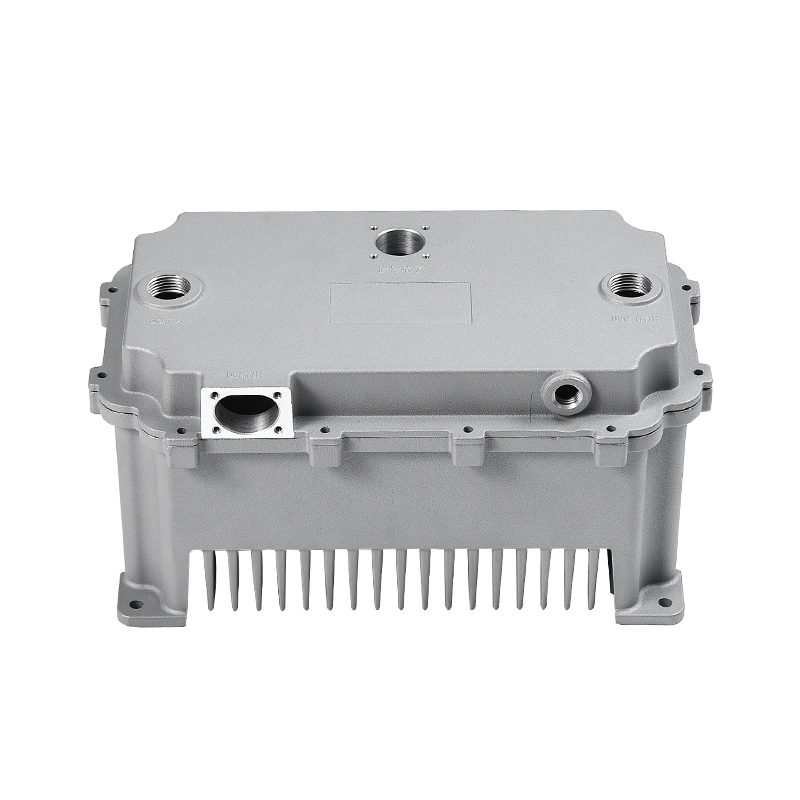
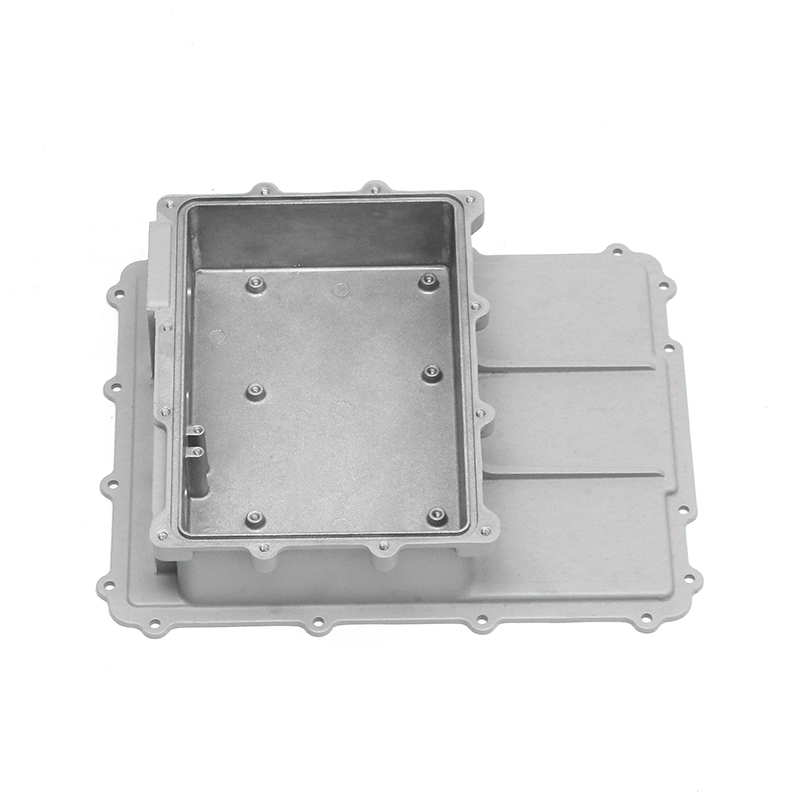
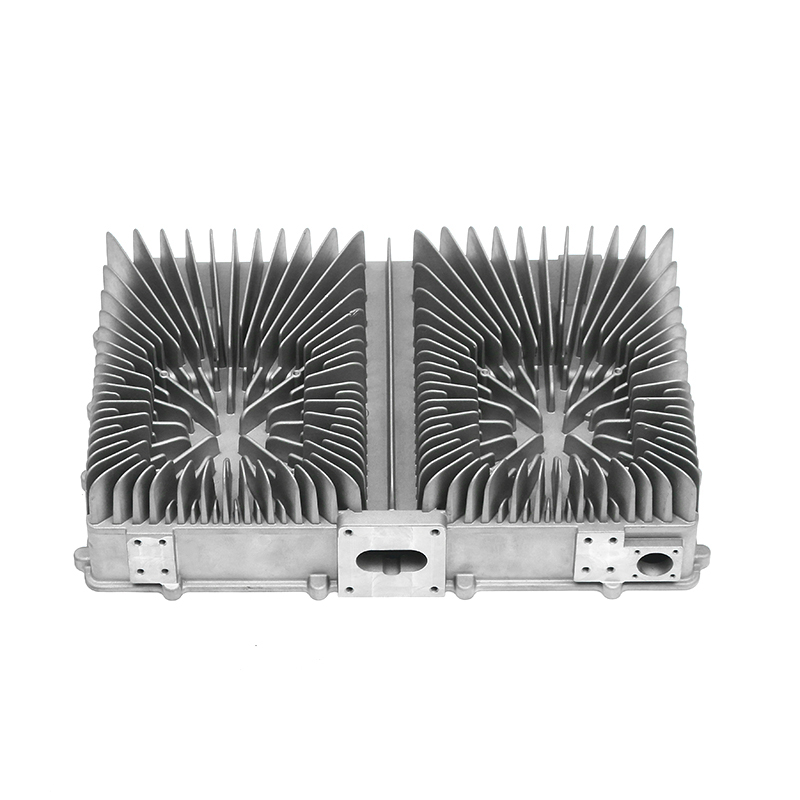
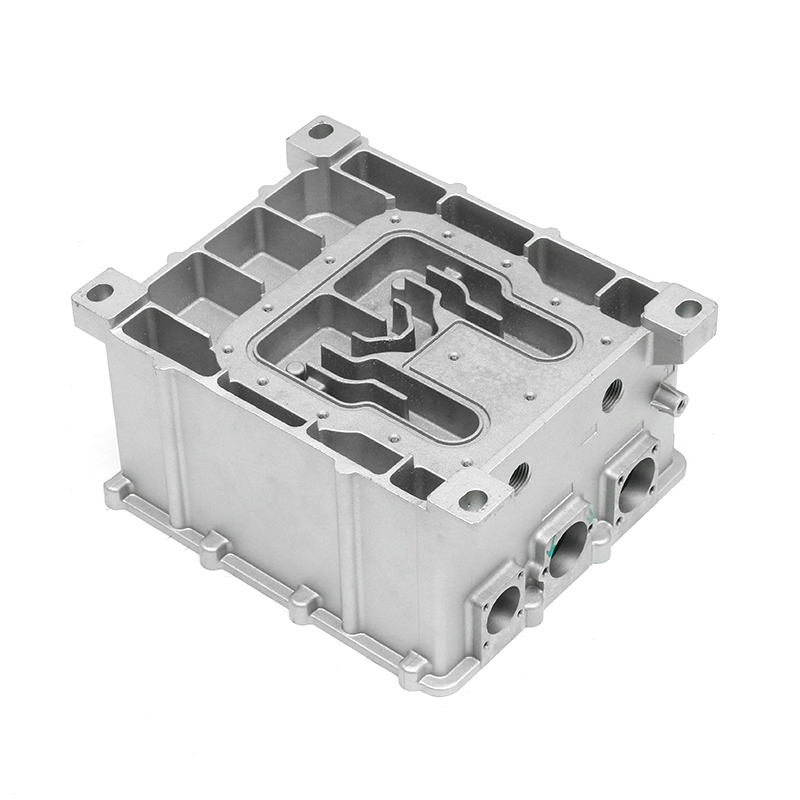
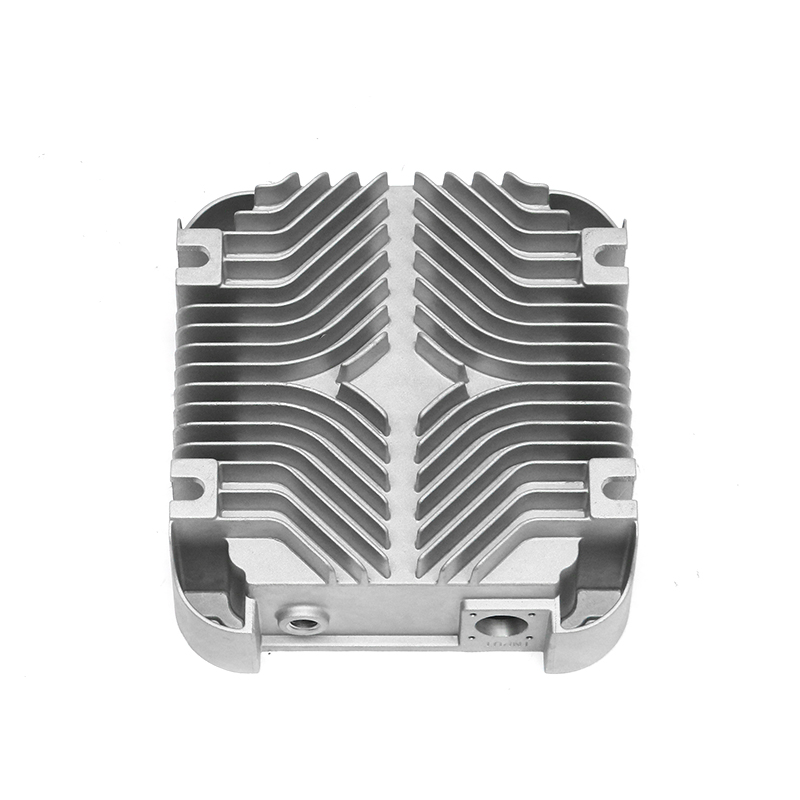
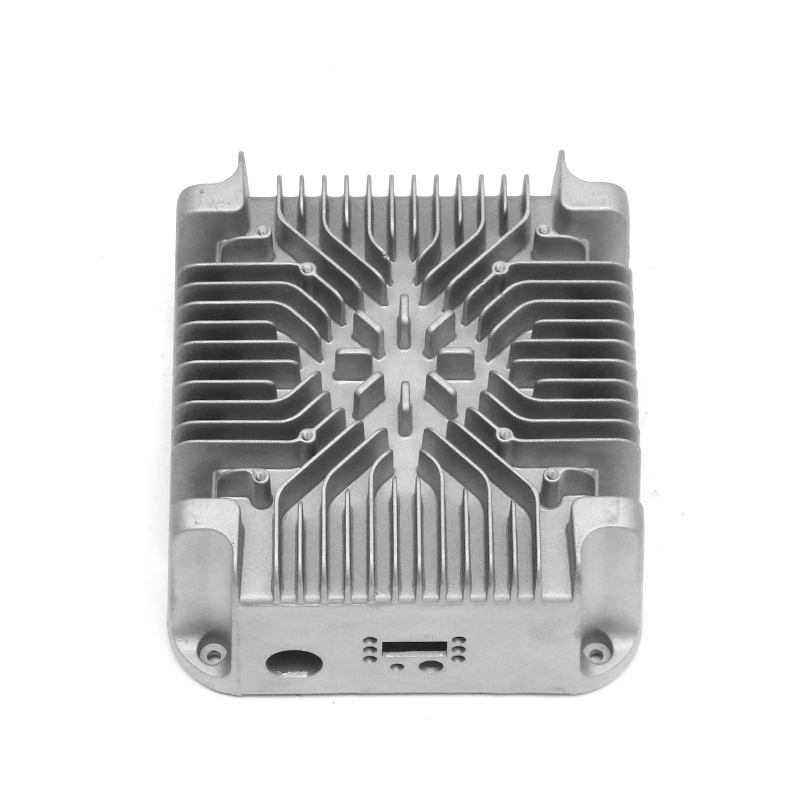
The gearbox housing is the outer structure that contains gears, bearings, shafts, and lubrication channels. It supports mechanical loads, maintains gear alignment, retains oil, and protects internal parts from contamination. In a vehicle, the housing also carries reaction torque from the drivetrain and transfers loads to the chassis. A well-designed housing directly affects noise, vibration, and harshness (NVH), as well as oil-tightness and heat dissipation.
Because the housing defines the positional relationship of all rotating parts, its dimensional stability under load and temperature is critical. The housing also ensures that oil reaches every gear and bearing surface; in fact, its internal oil channels are part of the lubrication system itself. A detailed explanation of this function is available in our article on the role of gearbox housing in ensuring proper lubrication.
Materials and Manufacturing Methods
Gearbox housings are commonly made from cast iron, cast steel, or aluminum alloy. For passenger cars and commercial vehicles, aluminum alloy die castings have become the mainstream choice because they offer low density, good thermal conductivity, and excellent castability for complex geometries.
Let’s see a quick material comparison:
| Material | Typical Strength | Weight | Castability | Common Application |
|---|---|---|---|---|
| Cast iron | High | Heavy | Good | Heavy trucks, industrial gearboxes |
| Cast steel | Very high | Heavy | Moderate | High-torque off-road equipment |
| Aluminum alloy | Good | Light | Excellent | Passenger cars, new energy vehicles, commercial vehicles |
The table above is a simplification: the actual grade selection depends on load, temperature, and cost targets. But the trend is clear. Aluminum alloys such as A380 or AlSi10Mg are common in die-cast housings because they balance strength, elongation, thermal management, and machinability.
Die Casting vs. Alternative Processes
Sand casting is flexible for very large or low-volume housings, but it is slower and yields rougher surfaces. Permanent mold casting improves mechanical properties, but cycle times remain high. High-pressure die casting offers the shortest cycle time, tighter tolerances, and better repeatability for mass-produced automotive housings. That is why most OEMs and Tier 1 suppliers choose aluminum die casting for gearbox housings in vehicles from compact sedans to electric SUVs.
Why Aluminum Alloy Casting Dominates Automotive Gearbox Housings
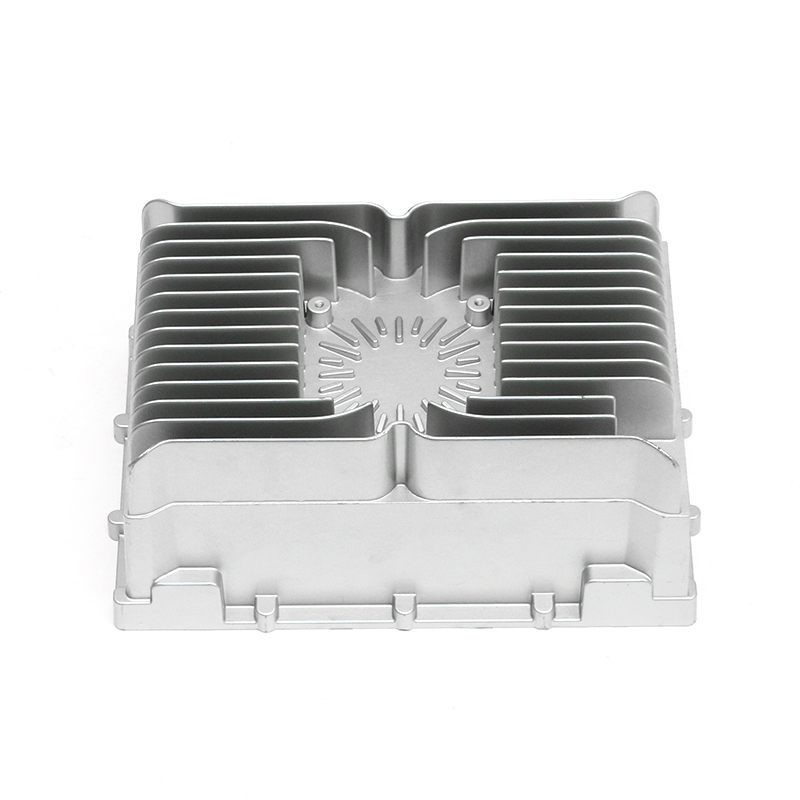
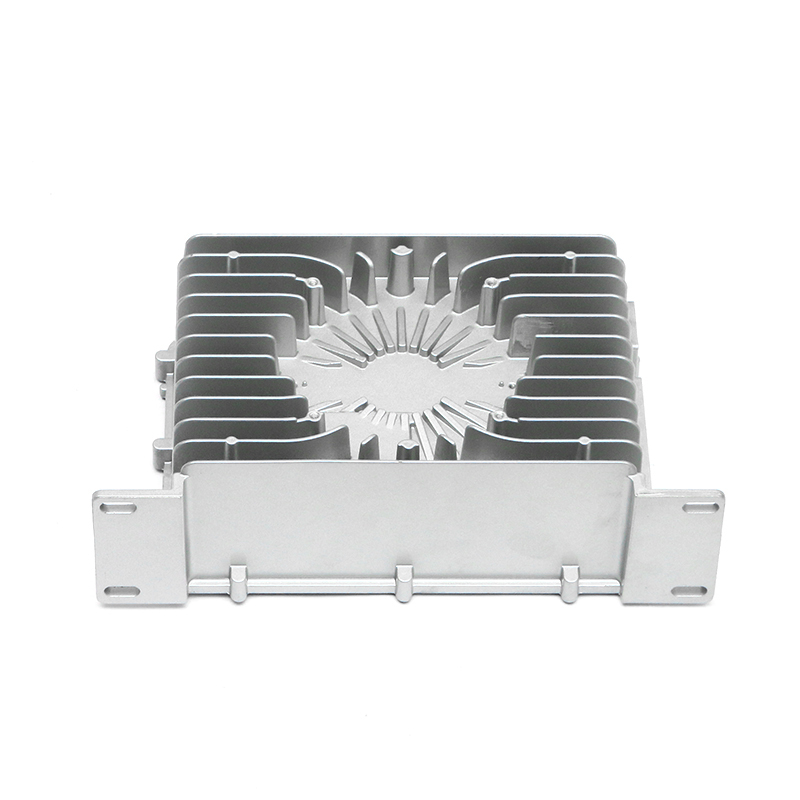
Aluminum alloy die casting solves more than the weight problem. The process allows thin walls that reduce material usage, complex internal oil galleries that eliminate separate covers, and cast-in bosses that lower total part count. For electric vehicles, lighter housings extend range, while aluminum’s thermal conductivity helps move heat away from gears and bearings.
When you combine these advantages with high-pressure die casting, the result is a housing that meets structural requirements at a production cost below that of sand casting or machining from billet. The cost advantage is strongest at annual volumes above tens of thousands of parts.
It is also important to remember that the casting process affects the material’s microstructure. A controlled shot profile and proper cooling reduce porosity and keep mechanical properties consistent. This is where an experienced die caster separates a dependable housing from a warranty claim.
Key Quality Considerations When Sourcing Gearbox Housings
Regardless of material grade, the final quality of a gearbox housing depends on measurable parameters. These are the ones we routinely verify before a batch leaves our facility:
- Dimensional accuracy: critical datum points, bearing bore positions, and mounting faces are checked with coordinate measuring machines (CMM).
- Porosity and internal defects: X-ray or industrial computed tomography (CT) inspection reveals shrinkage, gas porosity, and inclusions that can cause leaks under pressure.
- Sealing performance: pressure decay tests or helium leak tests confirm that the casting holds oil and resists external contaminants.
- Surface quality and corrosion resistance: shot blasting, chemical conversion coatings, and powder coating are applied according to application requirements.
- Mechanical properties: tensile strength, hardness, and elongation are verified using separately cast test bars or cut-up samples.
Typical tolerance expectations for a machined aluminum gearbox housing include bore position tolerances of 0.05 mm or tighter, flatness of the joint face below 0.1 mm, and machining allowance that leaves enough material for secondary operations without exposing porosity.
When you evaluate a supplier, ask for their control plan and inspect their in-house testing capability. A factory that can run CT and CMM internally will catch problems earlier than one that outsources inspection. A certified quality management system, ideally IATF 16949, provides another layer of confidence that process controls will remain consistent from pilot run to mass production. This is also where our precision gearbox housing casting demonstrates the benefit of process integration: mold design, casting, machining, and leak testing happen under one roof.
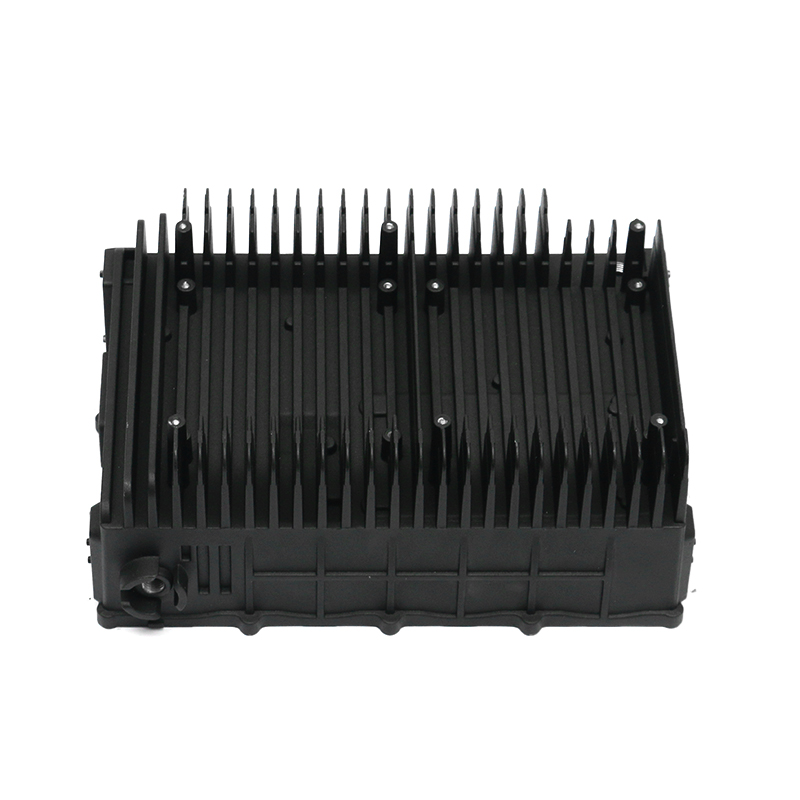
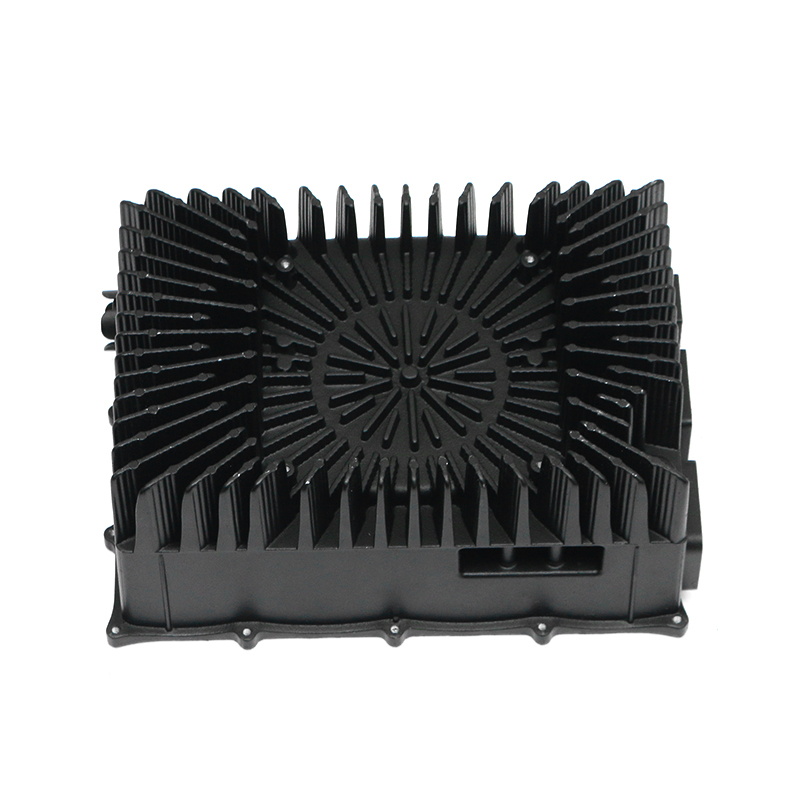
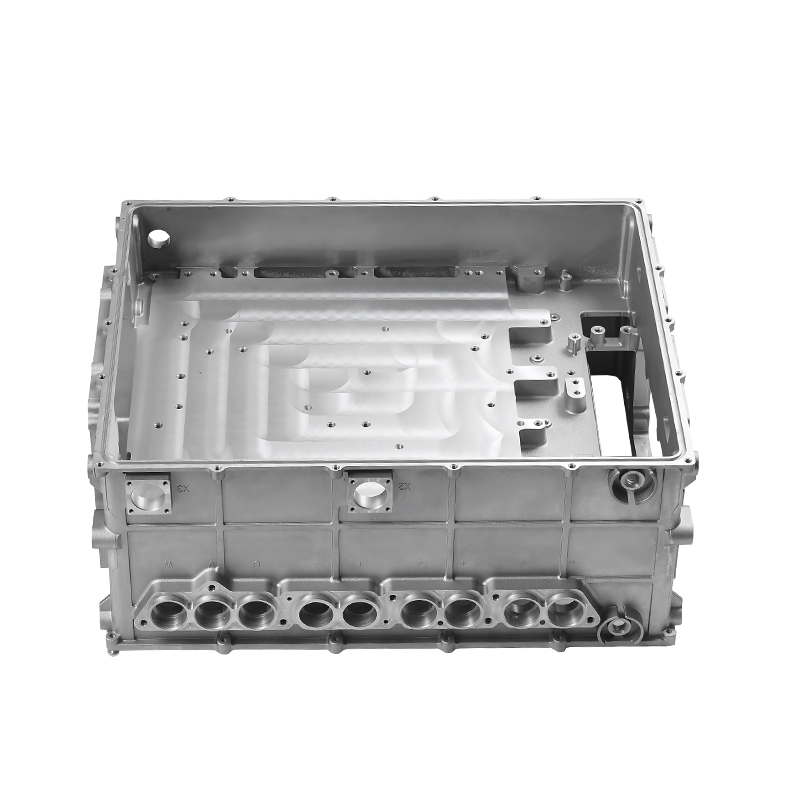
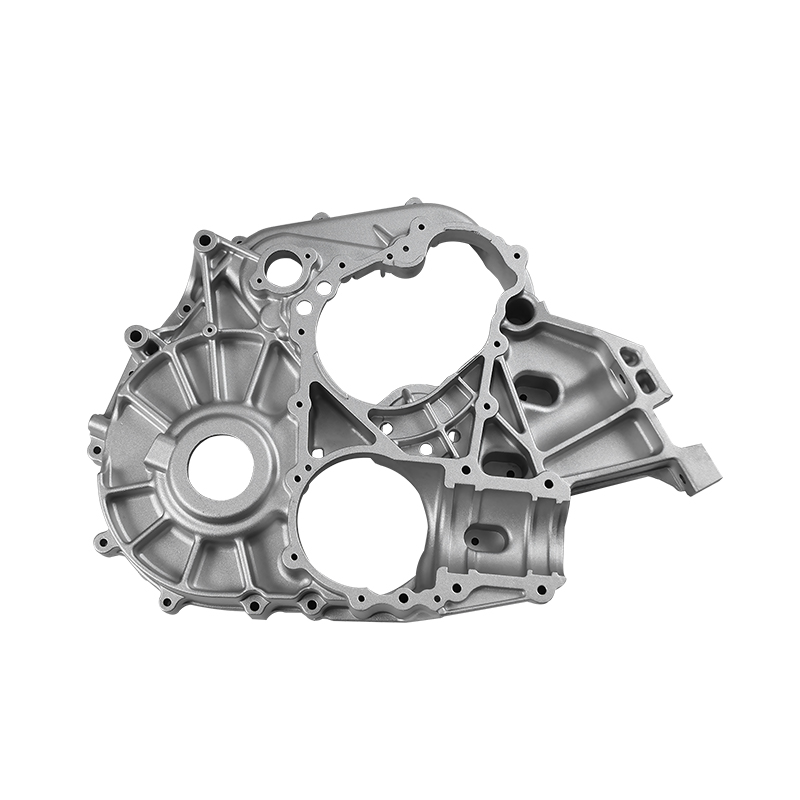 Custom Die Casting Gearbox Housing Manufacturers, OEM/ODM SuppliersAs China die casting gearbox housing manufacturers and OEM/ODM gearbox housing suppliers, Ningbo Fenda New Energy Technology Co., Ltd., c...View Product →
How a One-Stop Supplier Reduces Risk
A gearbox housing starts as a mold. In many cases, the mold’s gate location, cooling channels, and ejection system determine whether the casting will have shrink porosity or dimensional shift. When the same company designs and builds the mold, then runs the die-casting machine and the machining centers, the responsibility for quality is not spread across multiple vendors. Issues are found earlier, changes are executed faster, and tolerance stacks are easier to control.
This integration is especially valuable for electric and hybrid drivetrains, where new housing designs appear quickly and engineering changes continue until late in the product cycle. In addition to gearbox housings, the same approach applies to other electric drivetrain castings that share thermal and sealing challenges, such as the new energy motor housing from our product range.
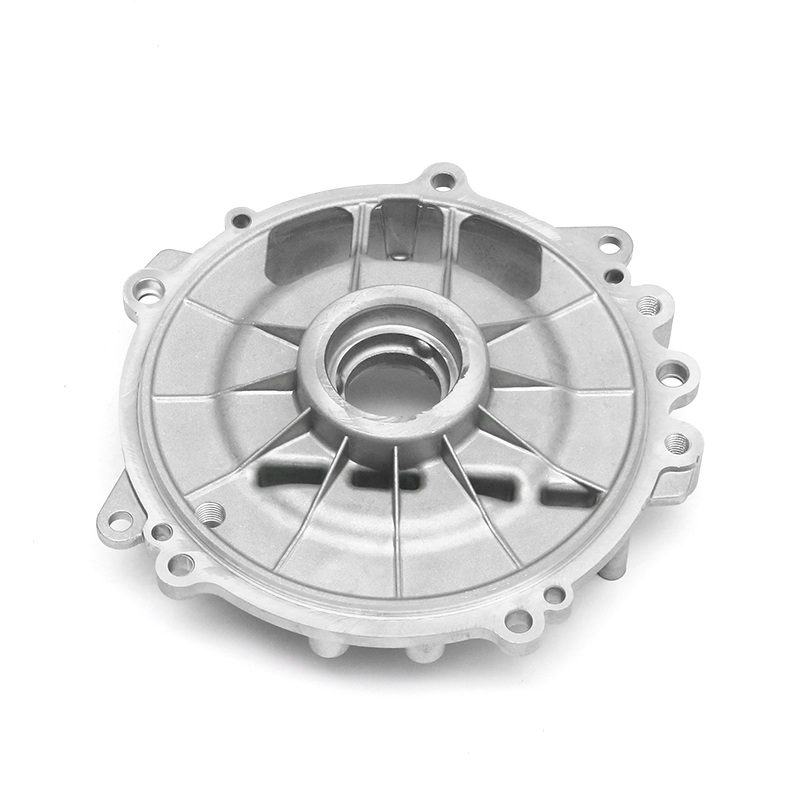 New Energy Die Casting Motor Housing Manufacturers, Suppliers, FactoryNingbo Fenda New Energy Technology Co., Ltd., is China new energy motor housing manufacturers and suppliers, our factory offer OEM/ODM ne...View Product →
Of course, an integrated supplier must also have the right machines. For aluminum gearbox housings, large tonnage die-casting machines, high-speed machining centers, and clean assembly areas are essential in-house resources. A supplier with these capabilities can respond to quality issues with fast root-cause analysis instead of waiting for a subcontractor's report.
The gearbox housing is more than a simple cover; it is a structural safety component that carries load, contains lubrication, and keeps precision gears aligned. To source it well, look beyond the drawing. Compare suppliers on mold engineering, die-casting experience, machining capability, and internal testing. Those factors produce the long-term reliability that protects your warranty cost and brand reputation.