

 English
 русский
 عربى
عربى Deutsch
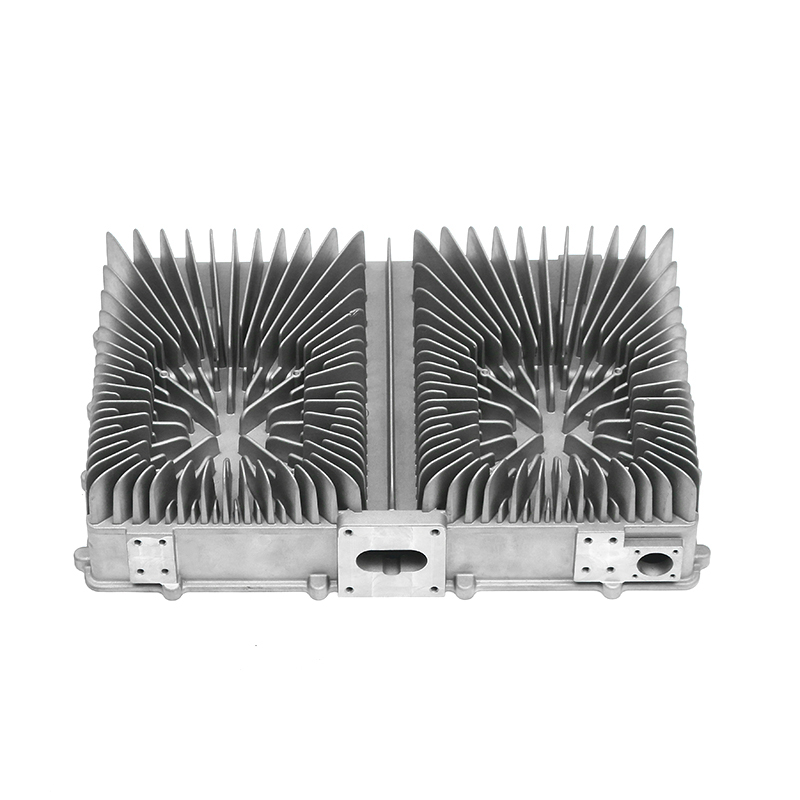
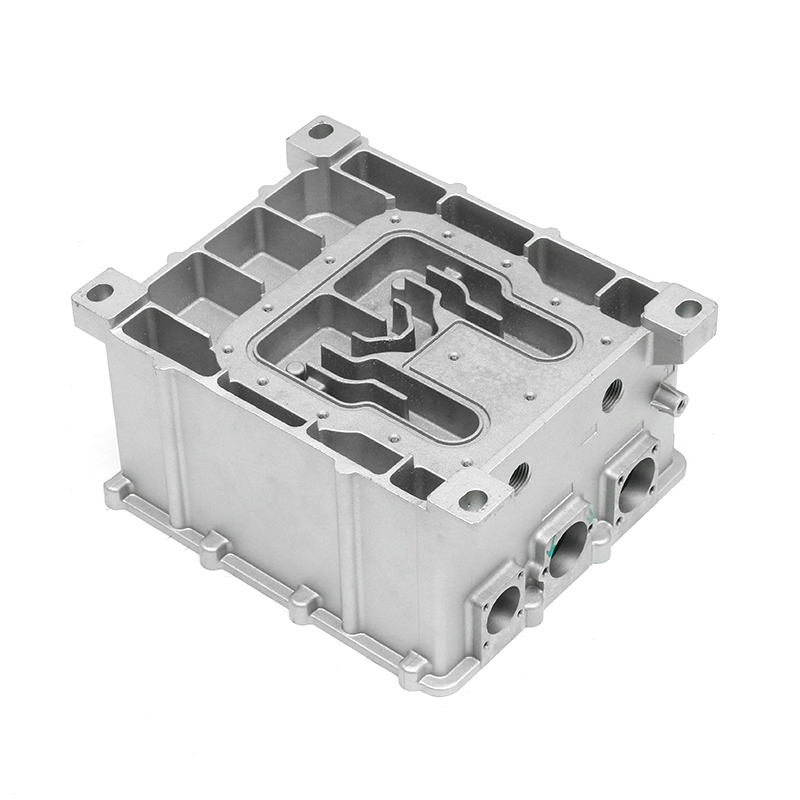
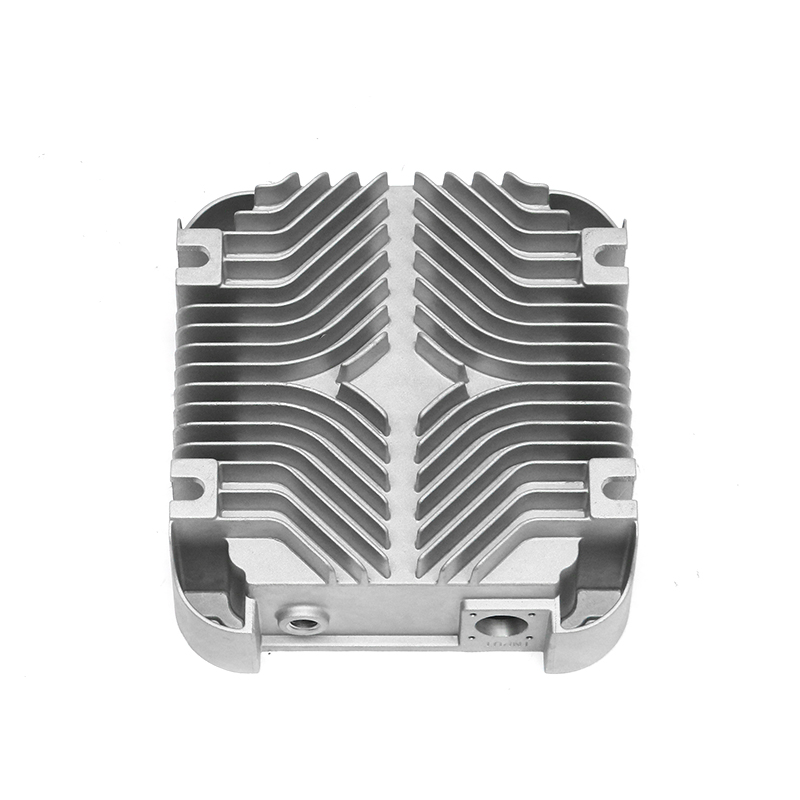
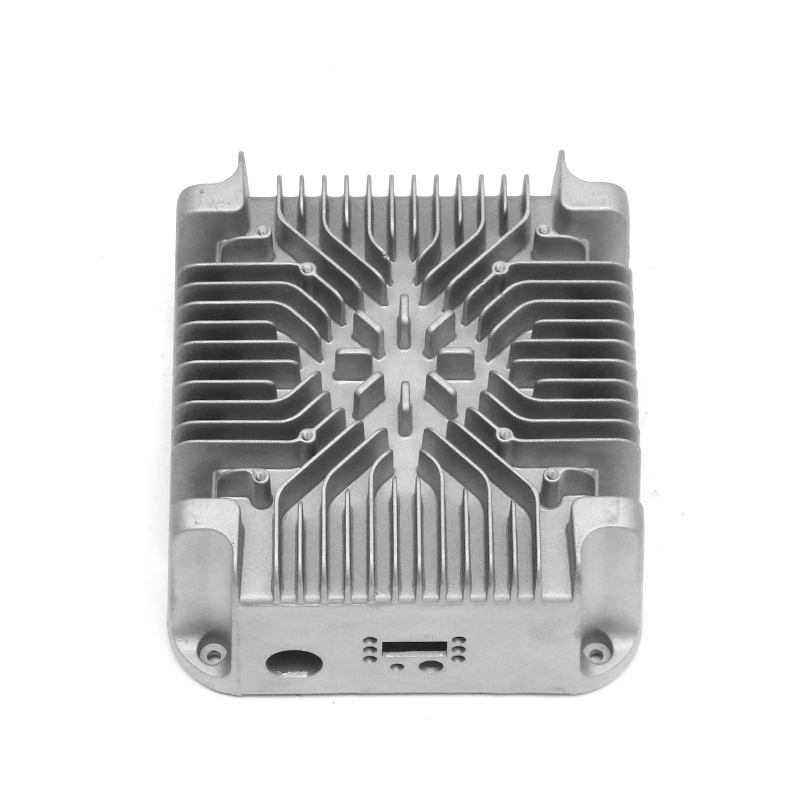
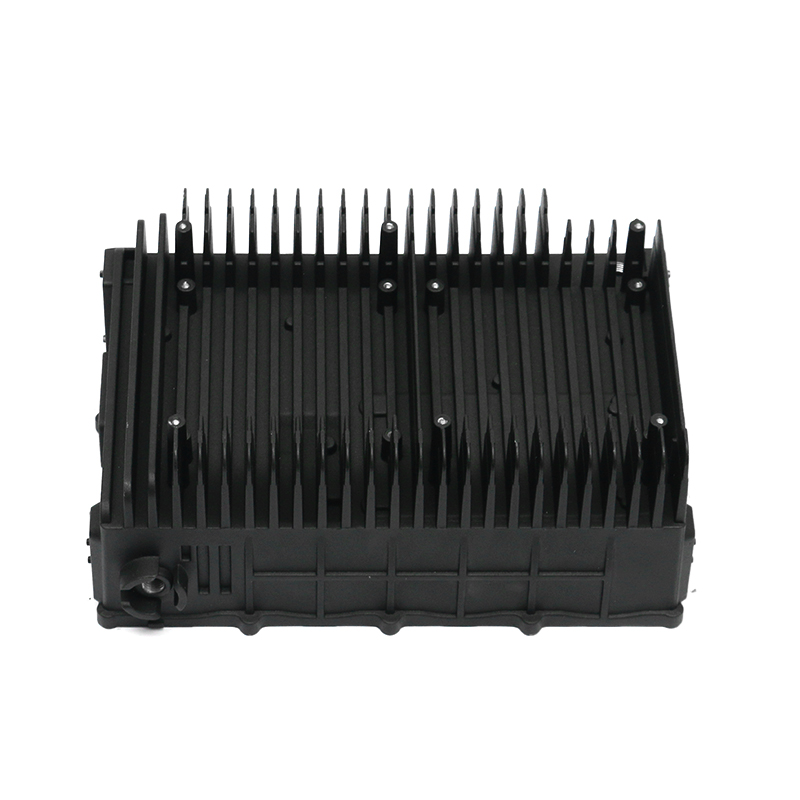
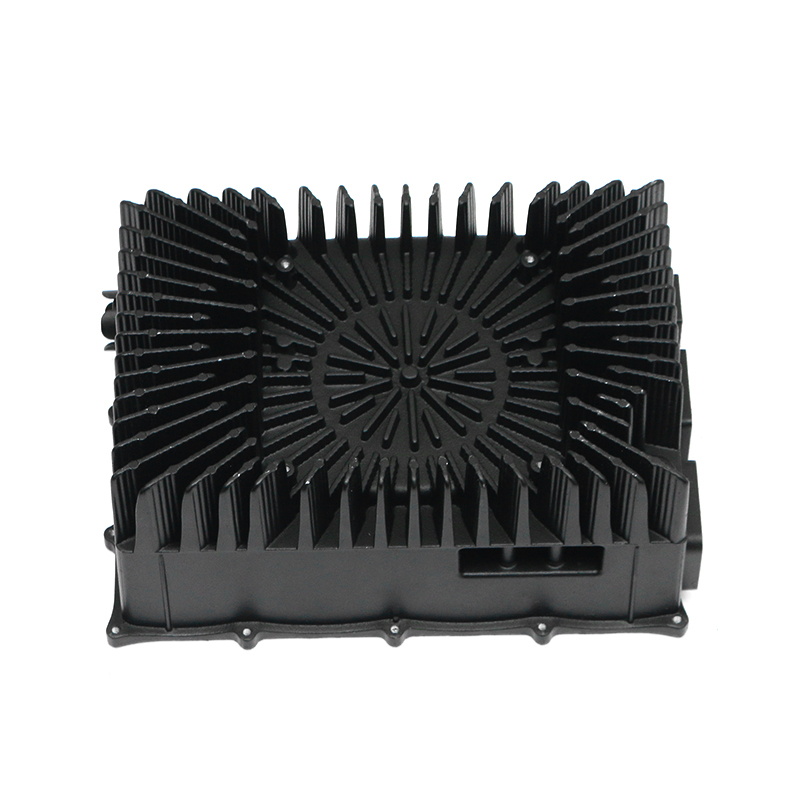
You are looking at a drawing for a new traction motor housing. The first question most buyers ask is about unit price. The more useful question is whether the manufacturer can control the entire production chain, because a motor housing rarely fails at the moment it leaves the die casting machine. It fails later, when internal porosity, dimensional drift, or a leaking cooling channel shows up after thousands of units are already in the field.
At Ningbo Fenda New Energy Technology Co., Ltd., that distinction is not academic. The company began as a mold shop in 2006, and that mold-making background still shapes how we run our die casting and machining operations today. When we say the mold is the first quality control station, we mean it literally.
What Makes a Motor Housing Difficult to Manufacture
Motor housings are among the more demanding aluminum die castings in automotive manufacturing. No single feature is unique, but thin walls, tight bearing bore tolerances, and leak-tight cooling channels have to work together in one part. That combination is why a reliable motor housing manufacturer needs to control the whole process, not just operate a large press.
The housing does more than cover the motor. It locates the stator, carries the bearing seats for the rotor, conducts heat away from the windings, and seals internal components from moisture and debris. In new energy vehicle drivetrains, many housings also integrate a water jacket, turning the part into a pressure vessel as well as a structural component.
- Thin walls in the 2.5-4 mm range require careful die filling and cooling to avoid shrinkage porosity.
- Cooling channels are typically leak-tested with air at 0.3-0.5 MPa to prevent coolant from reaching the stator cavity.
- Bearing bores for the rotor directly influence vibration, noise, and bearing life, so dimensional control is non-negotiable.
- Cast-in features such as fins, bosses, and cable routing points complicate ejection and die design.
The table below summarizes the requirements that drive most motor housing manufacturing decisions.
| Requirement | Typical Target | Why It Matters |
|---|---|---|
| Bearing bore concentricity | Within 0.05 mm | Rotor alignment, vibration, bearing life |
| Cooling channel leak test | 0.3-0.5 MPa air | Prevents coolant from entering the stator cavity |
| Wall thickness consistency | Within practical casting tolerances per section | Uniform strength and predictable heat transfer |
| Internal soundness | Industrial CT inspection | Catches porosity and shrinkage invisible on the surface |
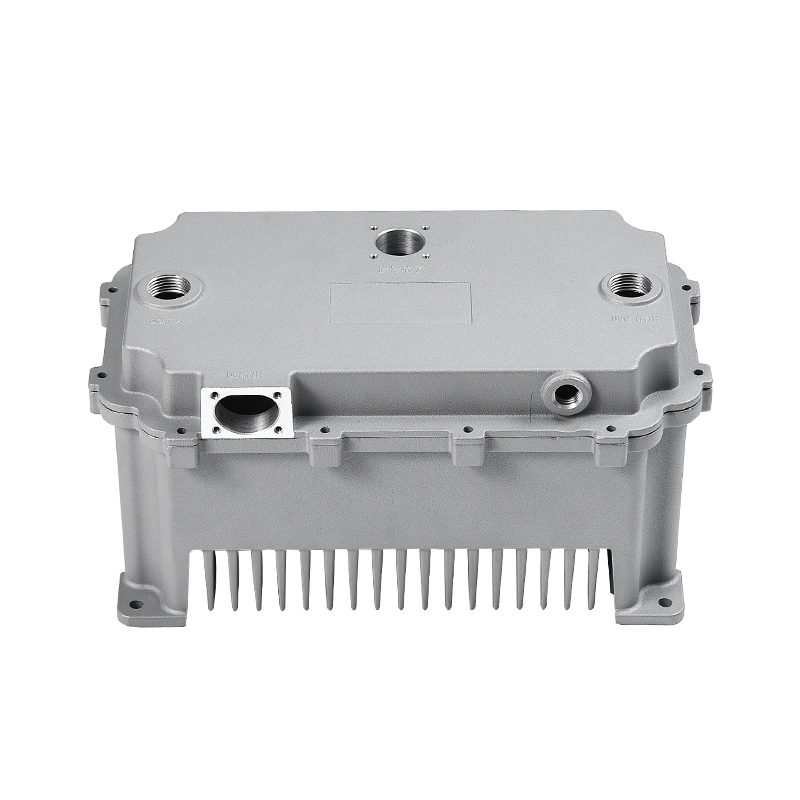
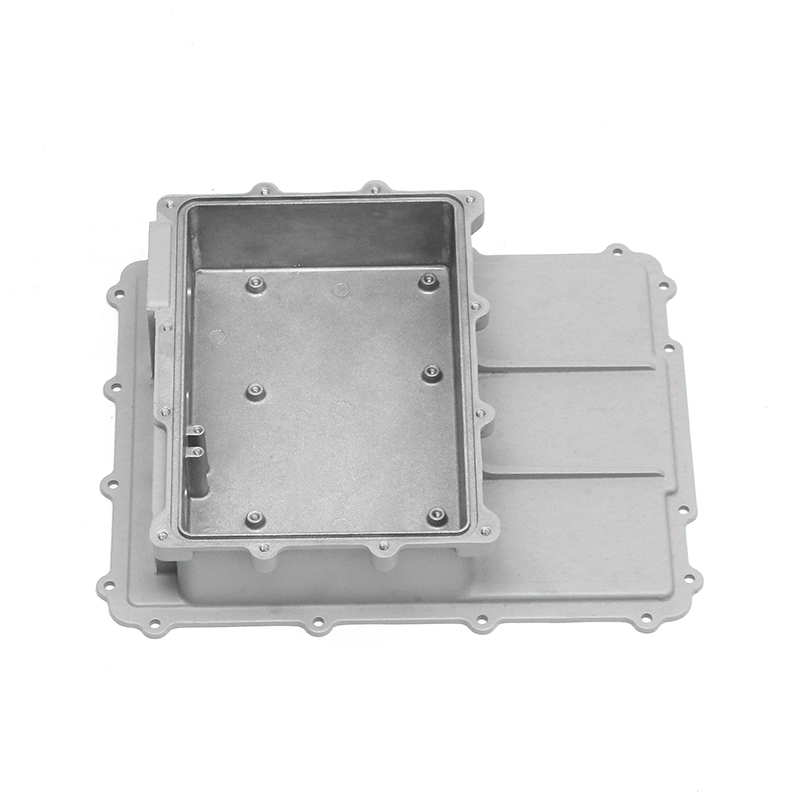
Leak testing is not limited to motor housings. The same test standard applies to the water-cooled electronic control housings we produce for new energy platforms.
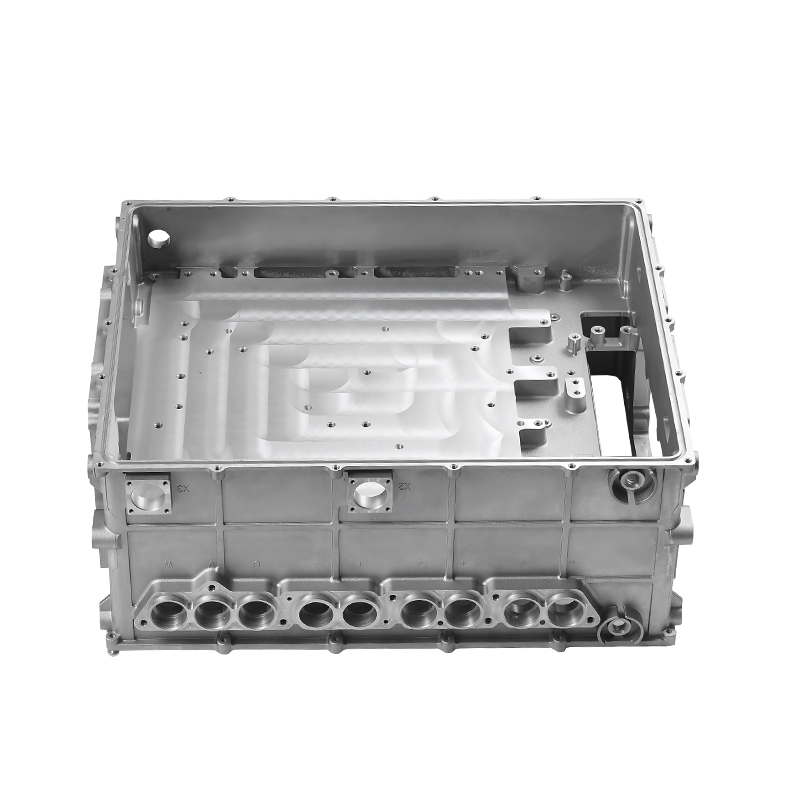 OEM/ODM Die Casting New Energy Electronically Controlled Water Cooling Series MaNingbo Fenda New Energy Technology Co., Ltd. is China New Energy Electronically Controlled Water Cooling Series die casting manufacturers...View Product →
Why Die Casting Is the Preferred Process for Motor Housings
For volume production, aluminum die casting is the most cost-effective way to make a motor housing. It can produce thin walls, complex cooling geometries, and integrated mounting features in one shot, at cycle times measured in seconds rather than hours. CNC machining from solid billet is too wasteful at production volumes, and sand casting cannot hold the wall thickness or dimensional consistency that bearing seats and sealing faces require.
The process window is narrow: filling speed, melt temperature, die temperature, and spray timing all influence whether the casting comes out dense or with internal porosity. A manufacturer that understands these parameters, and is willing to adjust them during development, delivers better first-article parts and fewer surprises in serial production.
At our facility, motor housings are produced on six large aluminum die casting machines with clamping forces from 400 to 2,000 tons. That range covers housings from compact servo motors up to large traction motors. In our product lineup, new energy vehicle motor housings are cast on this equipment using in-house molds.
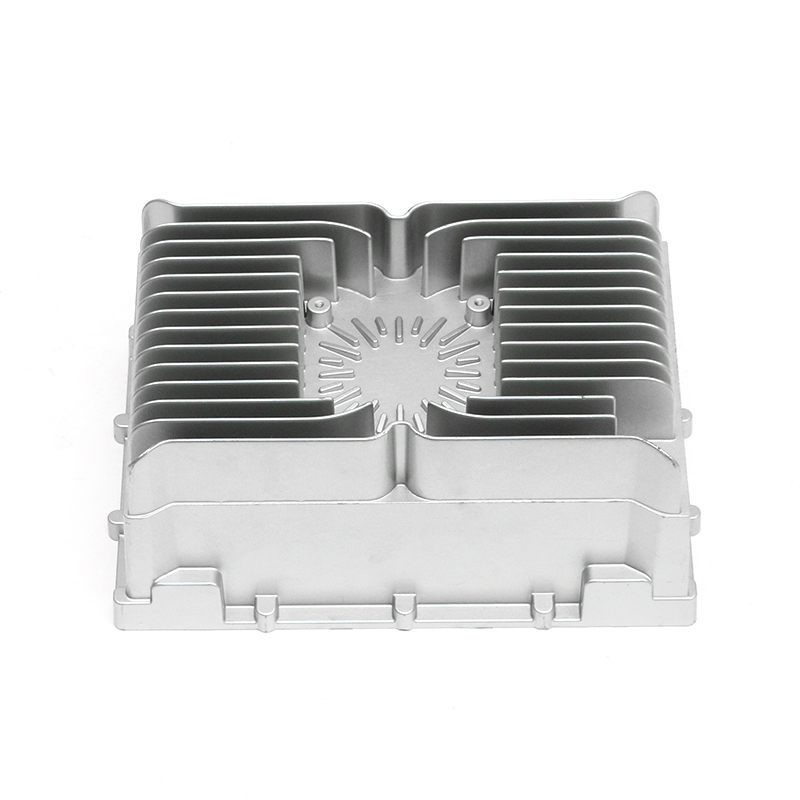
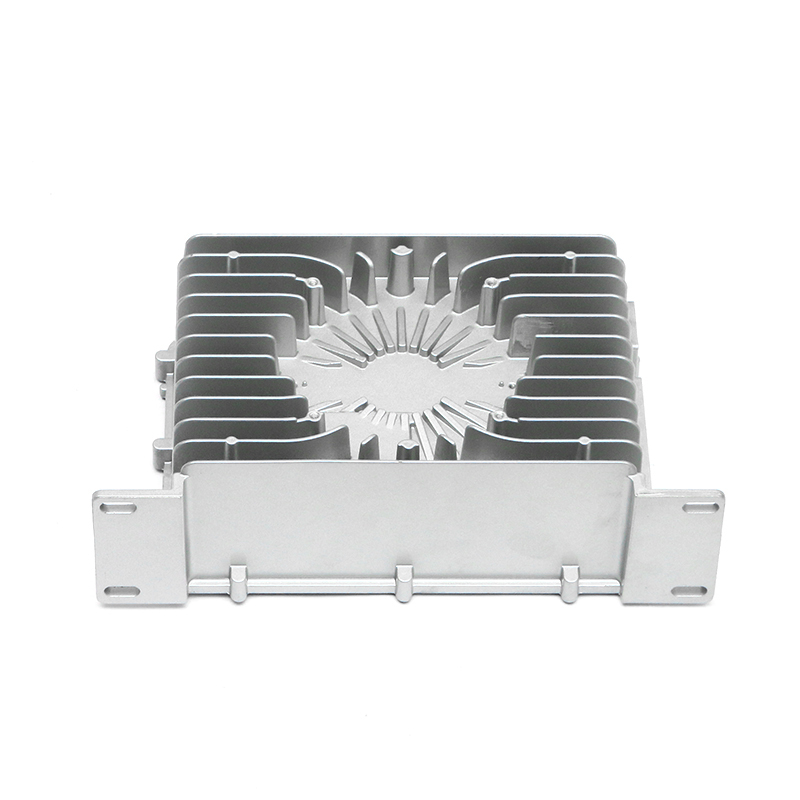
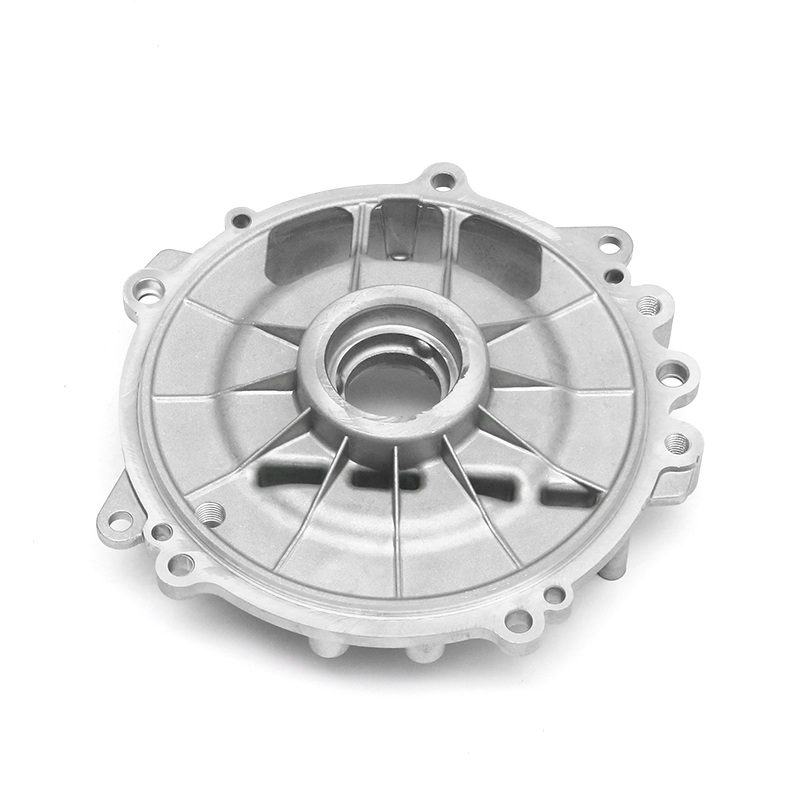 New Energy Die Casting Motor Housing Manufacturers, Suppliers, FactoryNingbo Fenda New Energy Technology Co., Ltd., is China new energy motor housing manufacturers and suppliers, our factory offer OEM/ODM ne...View Product →
Because our engineering team designs and builds the molds internally, we can modify gating, cooling lines, and ejection geometry quickly during the sampling phase. That shortens development cycles and prevents tooling issues from being hidden behind an overseas die shop. The relationship between die casting precision and motor housing reliability is well understood in our shop; we have spent more than a decade applying it to new energy applications.
Machining and Secondary Operations Decide the Final Result
A casting that comes out of the die correctly can still be ruined by poor machining. Motor housing quality depends heavily on fixturing, tool selection, and cutting parameters. That is why our machining department is equipped with 80 high-speed precision machining centers, covering the facing, boring, drilling, tapping, and coolant-jacket finishing steps that motor housings require.
We hold the bearing seat dimensions and the surface finishes that assembly lines depend on. Because the same factory controls both casting and machining, we can manage the dimensional chain from the raw casting through to the finished part, instead of shifting responsibility between a foundry and a separate machine shop.
Secondary processes matter as well. Friction stir welding is used where the design calls for a welded cover plate over a machined cooling channel. Surface treatment protects the housing against corrosion in an automotive environment. These steps are part of the manufacturing route that makes a housing fit for service.
Testing Is Part of Manufacturing, Not a Final Gate
Good quality is built by the mold and the process, not created by the inspection station. But systematic testing is what keeps defective parts from reaching the assembly line. Our quality department relies on a combination of equipment that covers both geometry and internal soundness.
| Check | Equipment | What It Verifies |
|---|---|---|
| Dimensional measurement | Zeiss and Edwards CMMs | Bearing bore diameter, concentricity, hole positions |
| Internal soundness | Industrial CT | Porosity, shrinkage, wall thickness |
| Material composition | Oxford/Hitachi spectrometer | Alloy grade and chemistry |
| Leak tightness | Air leak testers | Cooling channels and sealing faces |
We also hold IATF 16949:2016 certification, which means our control plans, documentation, and traceability are structured for automotive supply chains. That matters when your purchasing team audits the supplier or when a field issue requires tracing a batch back to its casting parameters.
How to Evaluate a Motor Housing Manufacturer
When you compare quotes, the numbers on the price sheet are only the starting point. Walk through this checklist with each potential supplier during the RFQ stage. Their answers will tell you more than the unit price.
- Do you design and build molds in-house? A manufacturer that controls the mold can iterate faster during sampling and owns the source of most casting defects.
- What is the clamping force range of your die casting machines? A 400-2,000 ton range covers typical motor housing sizes; bigger housings need a clear plan for how they will be produced.
- How many machining centers do you operate? The answer affects both delivery capacity and how much outsourcing the supplier needs for finished parts.
- What testing equipment is used for production parts? CMM for geometry, industrial CT for internal soundness, spectrometry for material grade, and leak testers for cooling channels are the essentials.
- Is your quality system certified to IATF 16949? The certification demonstrates that process discipline and traceability already exist for automotive customers.
- Will you give DFM feedback before quoting? A manufacturer with real engineering depth will point out castability issues in the drawing and suggest practical alternatives, not just accept the print and quote it.
On our side, we typically respond to new motor housing inquiries with a DFM review that covers gate design, draft angles, wall thickness balancing, and machining allowances. That review is useful even if the final order goes elsewhere, which is one reason buyers tend to come back to us when the project enters serial production.
The right motor housing manufacturer is not the supplier with the lowest quote. It is the one whose mold shop, die casting machines, machining centers, and test stations work as one system. That is the model our factory was built around, starting from a mold-making background that dates back two decades.
If you are evaluating suppliers for a new motor housing project, send us your drawings and ask for a DFM review. The conversation will show you how deeply we understand the part, and that is the most reliable way to judge a manufacturer before the first purchase order is placed.