

 English
 русский
 عربى
عربى Deutsch
If you work in new energy vehicles, sooner or later this question comes up:
“Why is everyone suddenly so focused on motor housing die casting?”
It’s not marketing hype, and it’s not just a trend. For manufacturers, motor housing die casting has quietly become one of those make-or-break processes. Let’s talk about it in a practical way—no textbook language, no empty buzzwords, just what actually matters on the shop floor and in real projects.
So, What Is New Energy Motor Housing Die Casting?
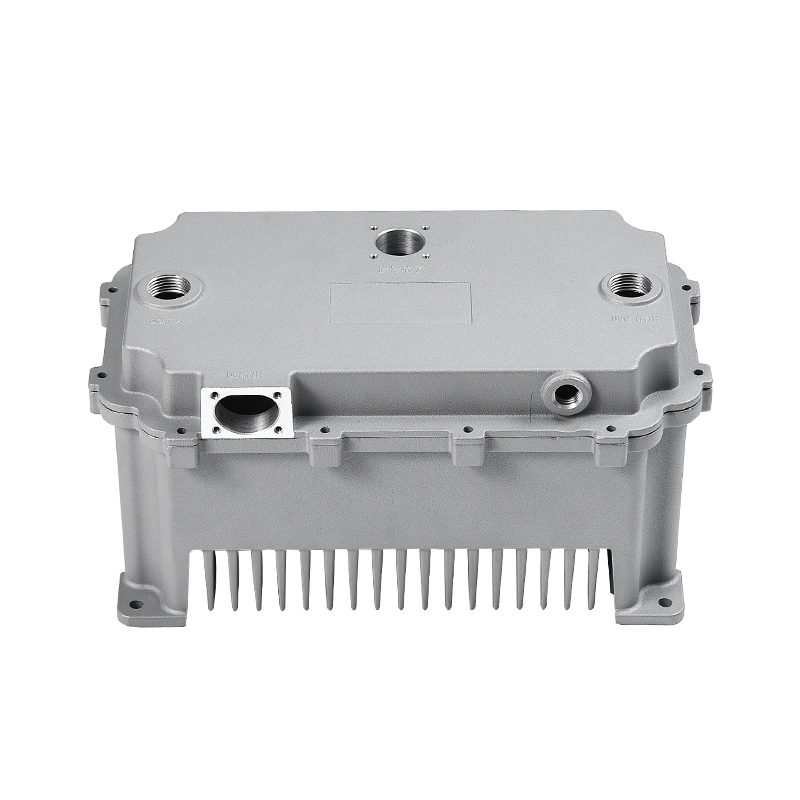
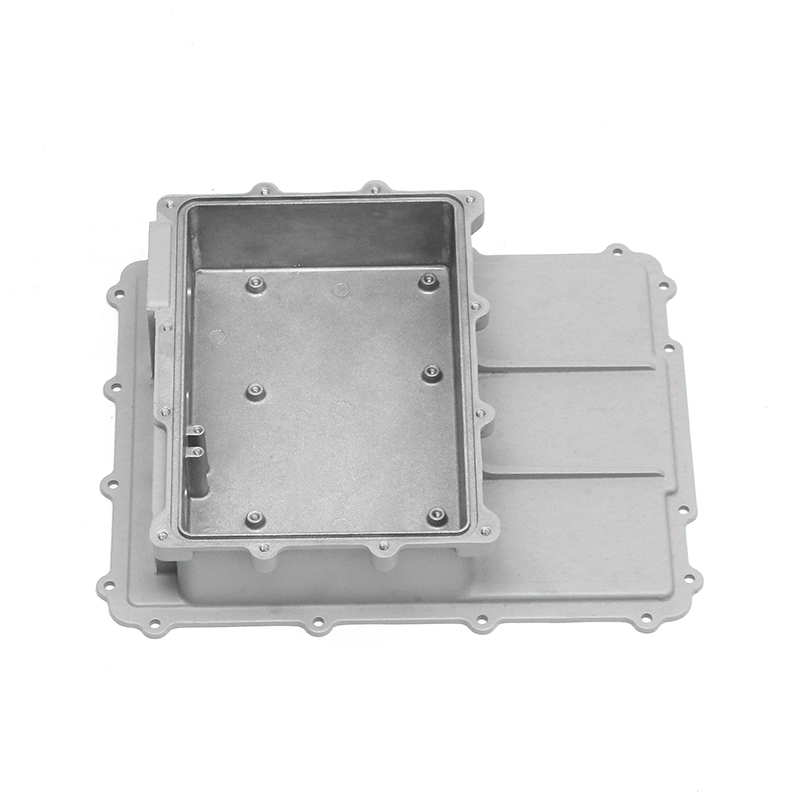
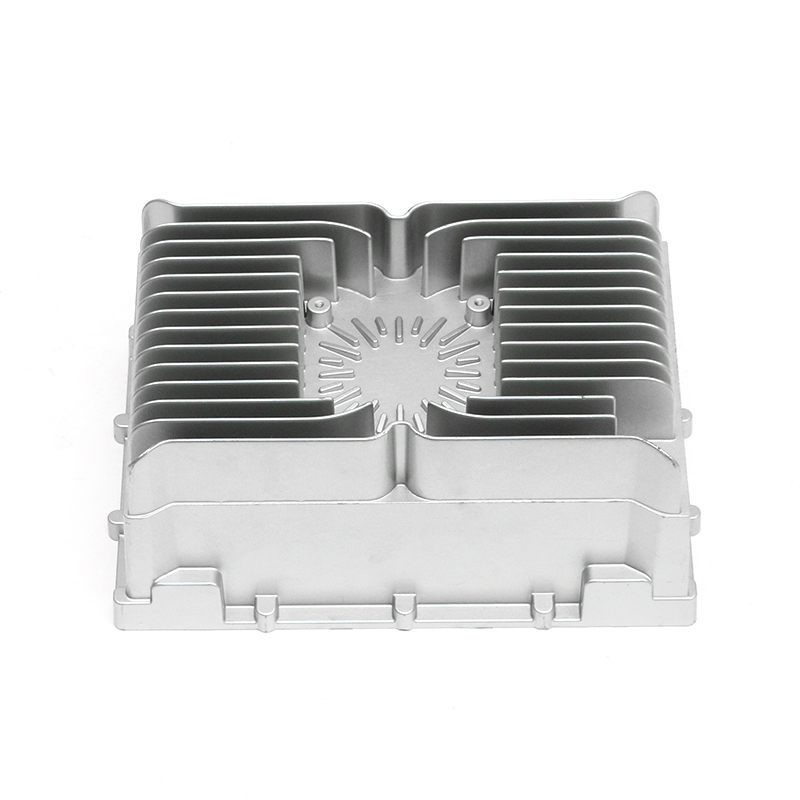
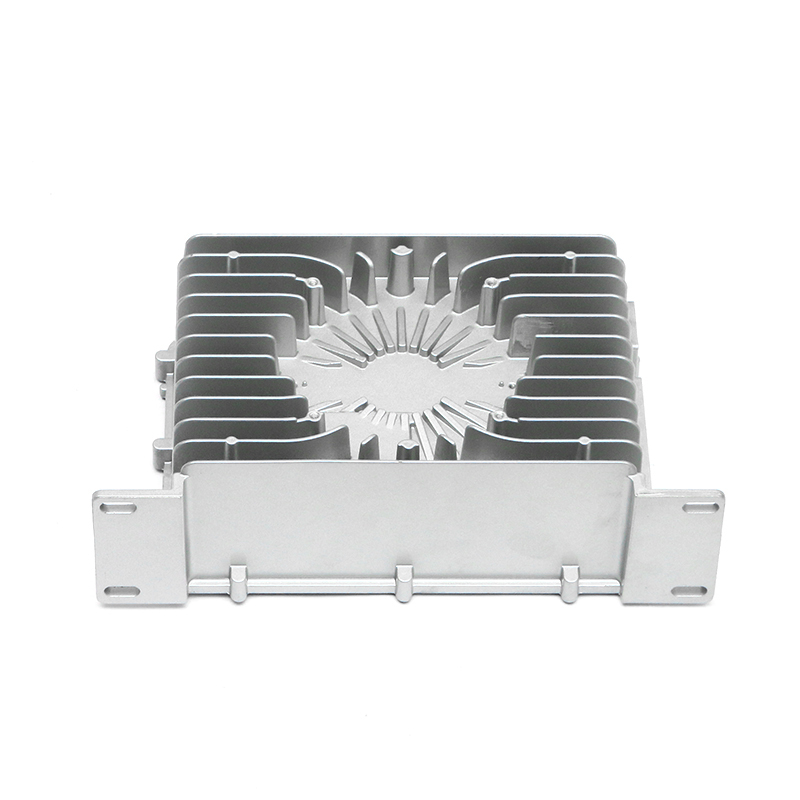
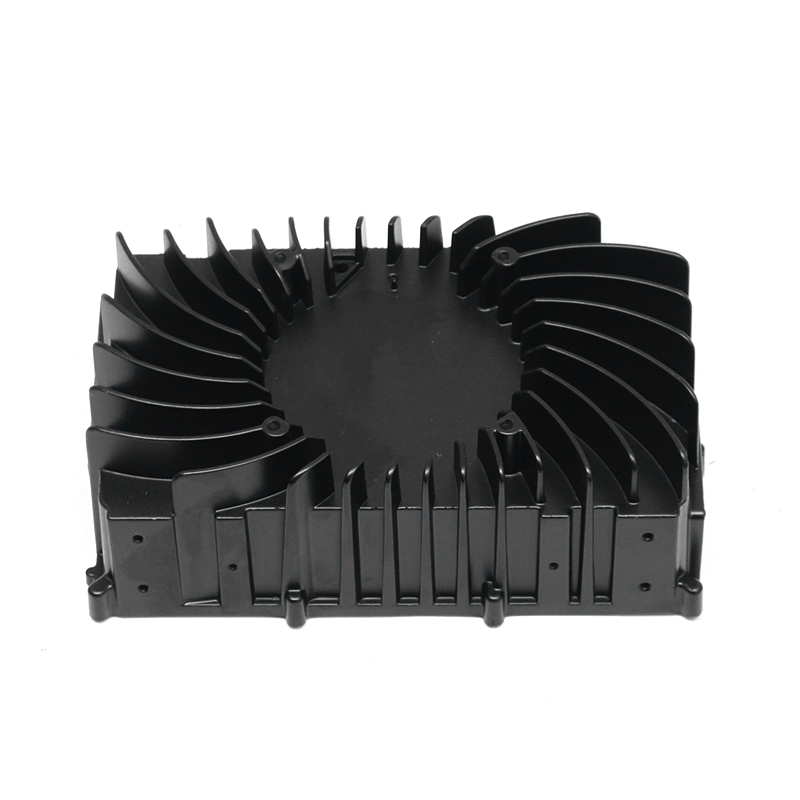
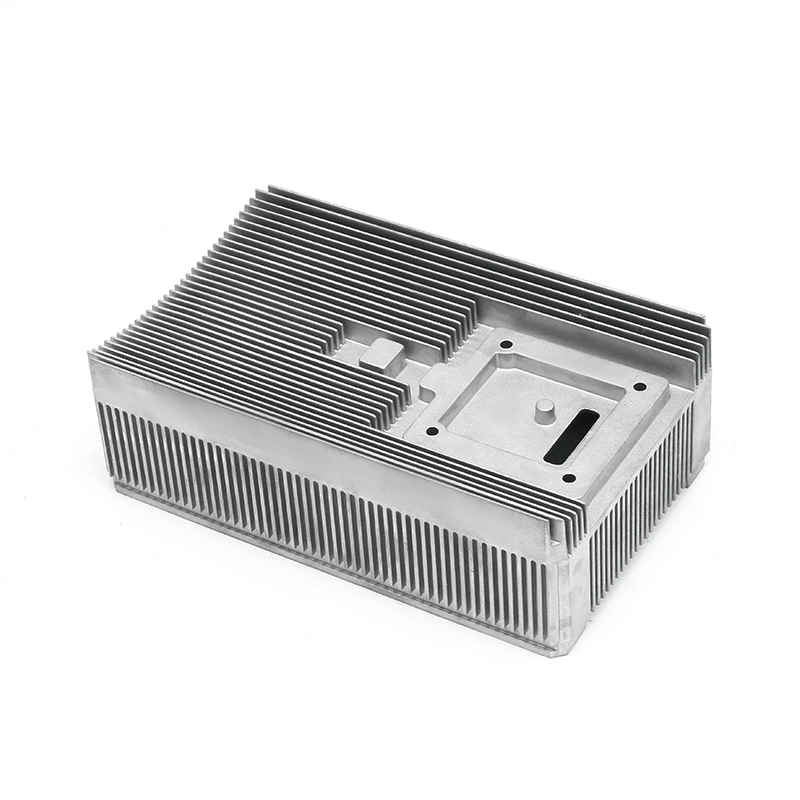
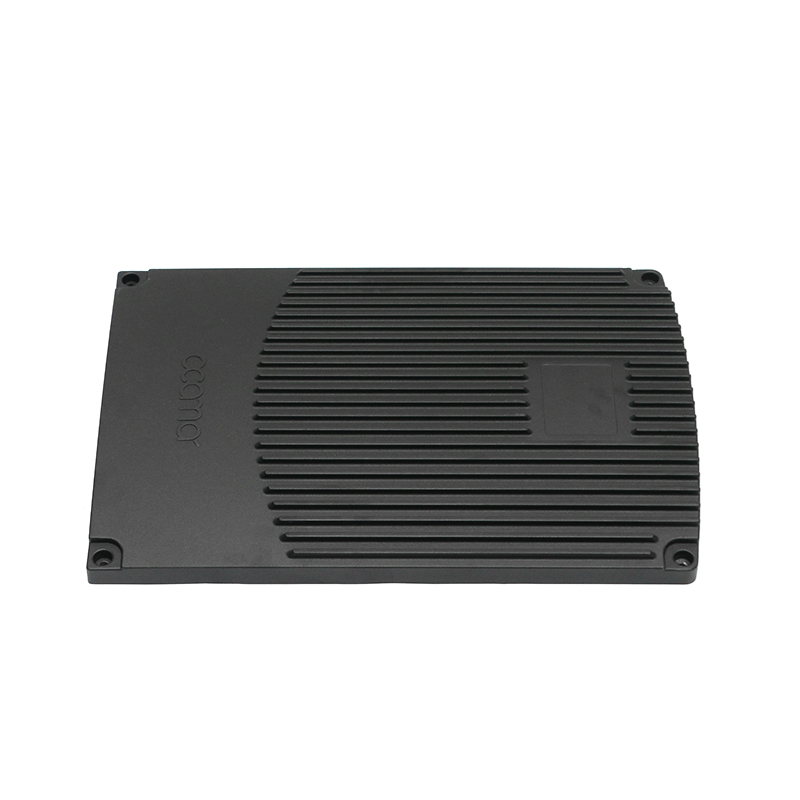
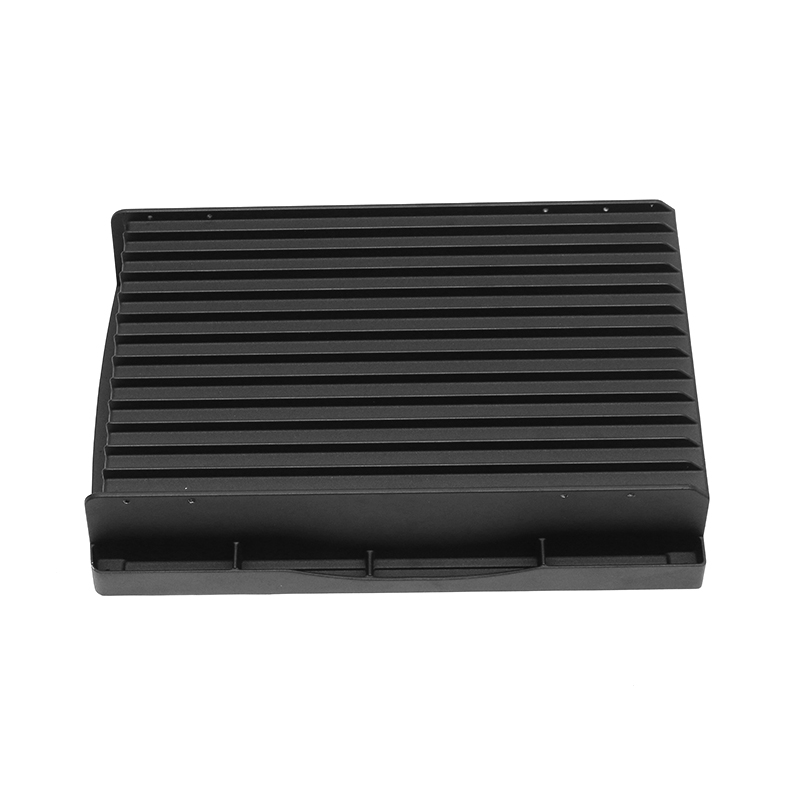
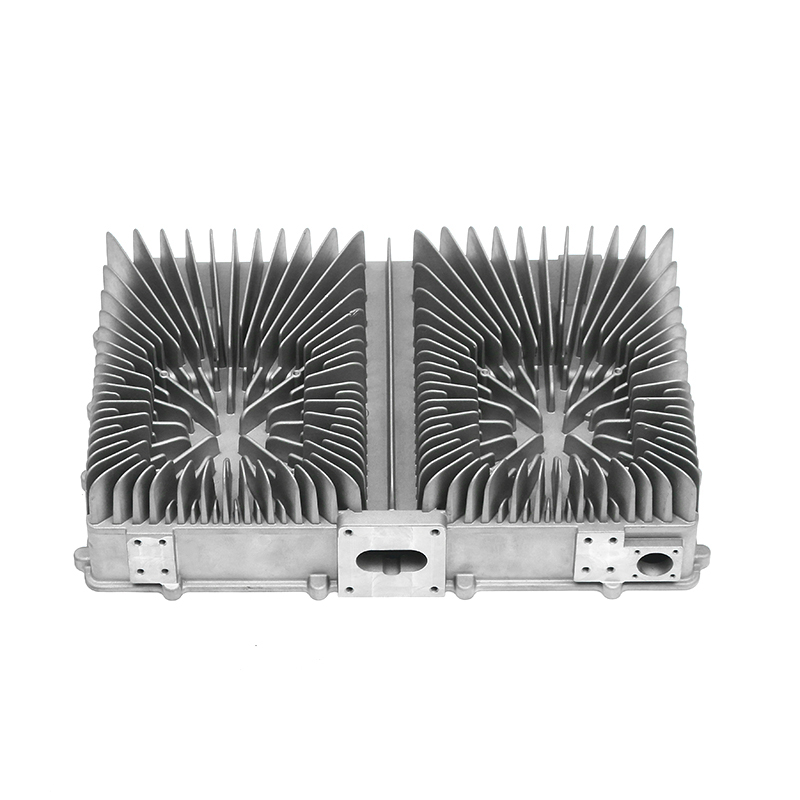
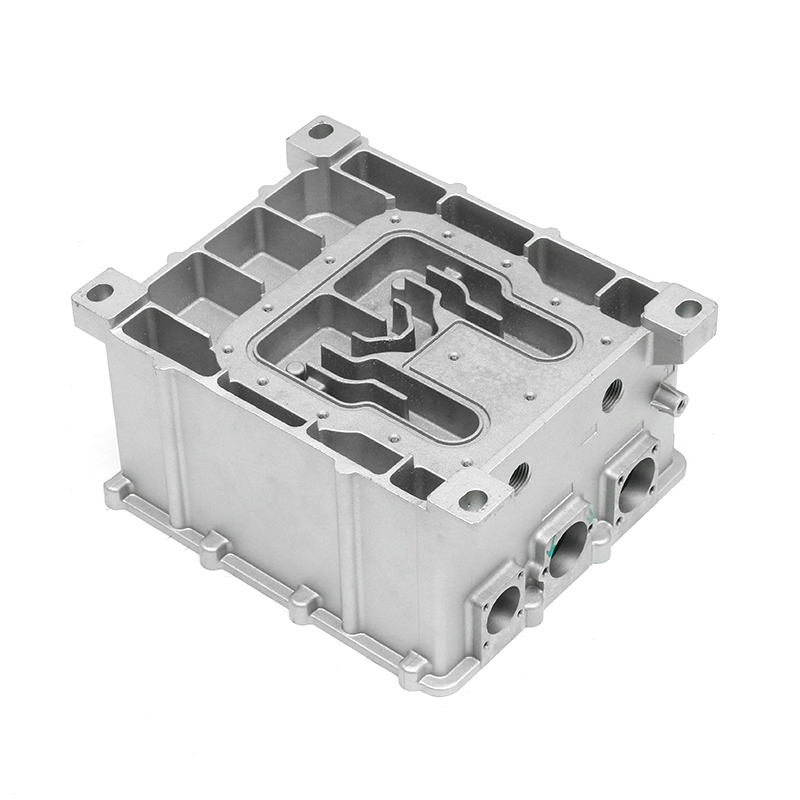
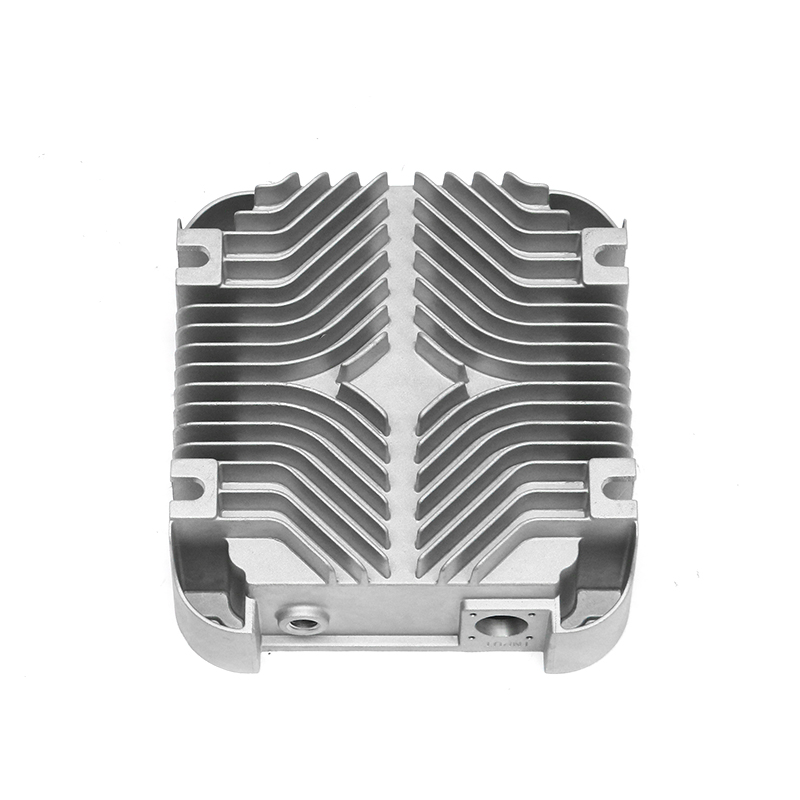
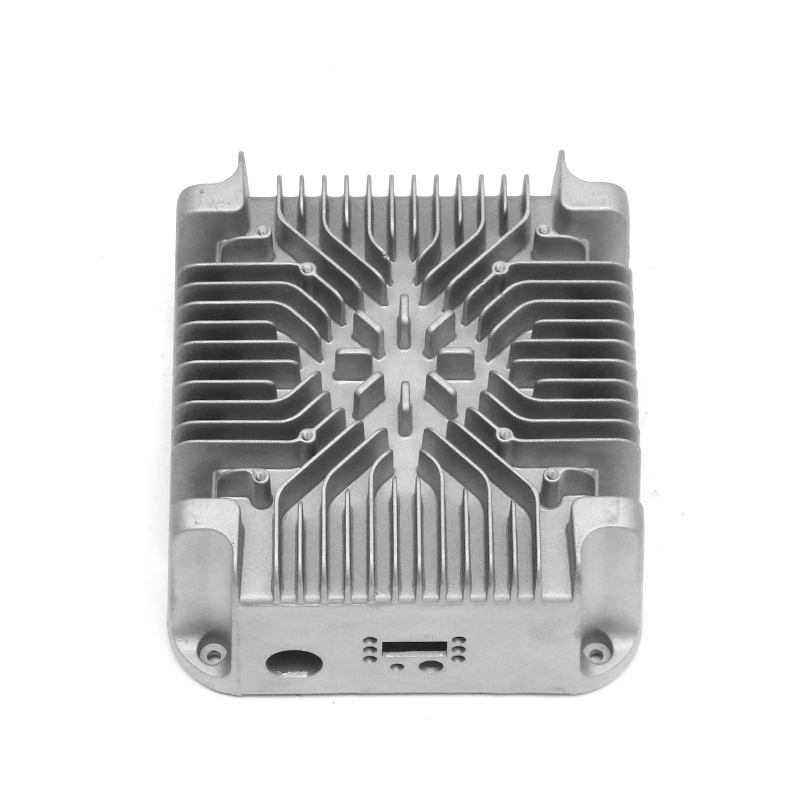
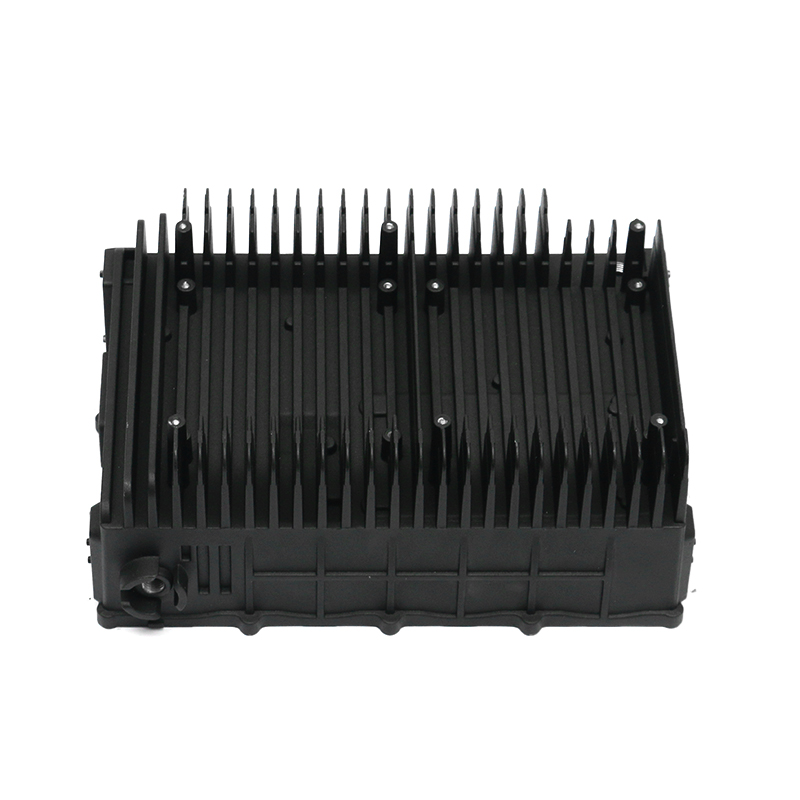
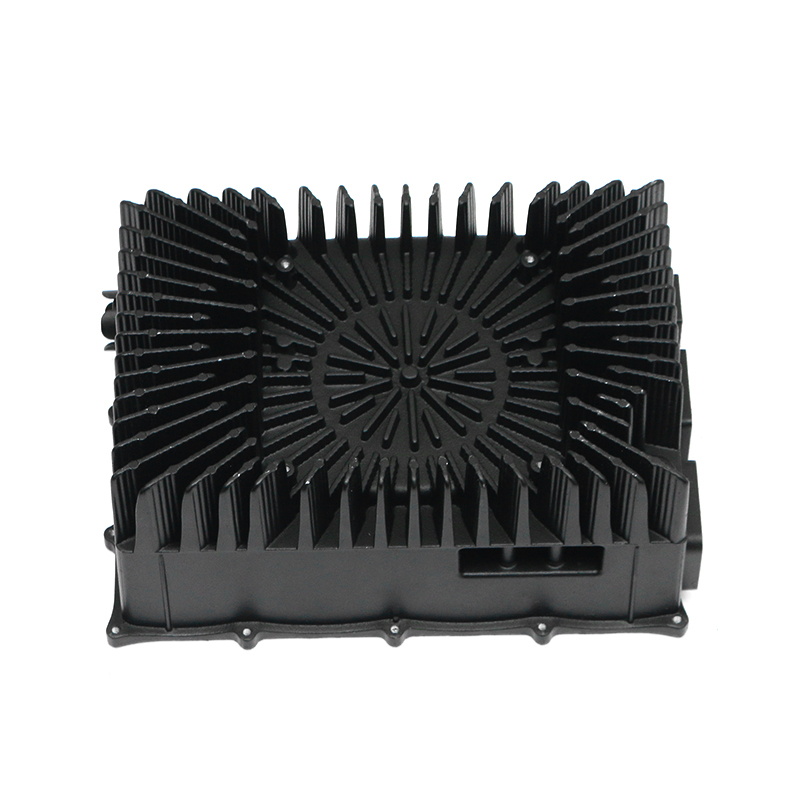
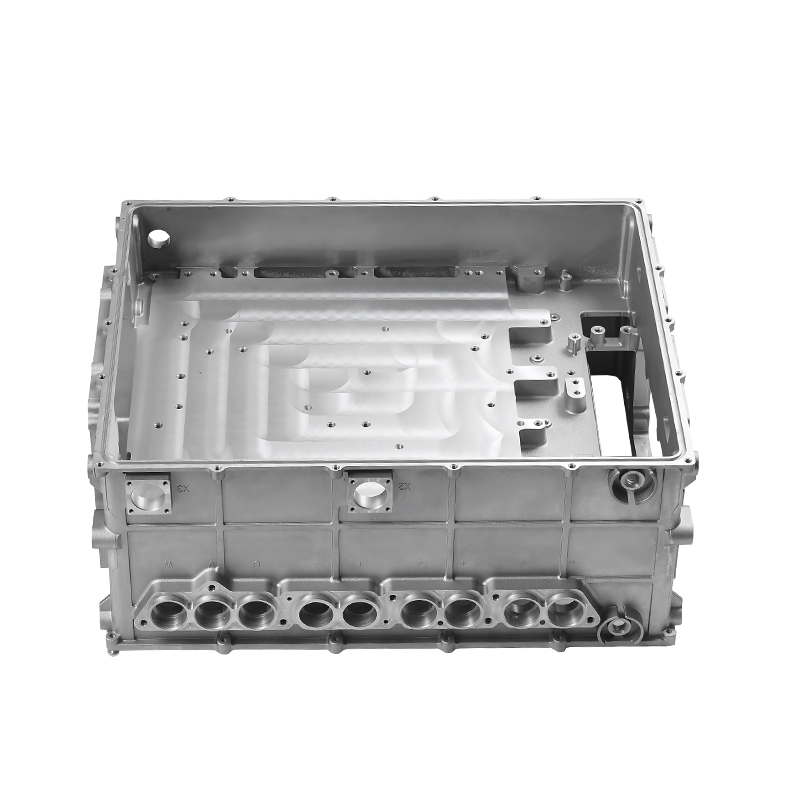
In simple terms, it’s the process of using die casting to produce the outer housing of a new energy motor. This housing protects the motor, supports internal components, helps with heat dissipation, and connects the motor to the rest of the vehicle.
Most motor housings today are made from aluminum or aluminum alloys. Die casting allows molten metal to be injected into a steel mold at high pressure, forming complex shapes with tight tolerances in a very short time.
Compared with welding multiple parts together or machining from solid blocks, die casting is faster, more consistent, and easier to scale.
Why Is This Such a Big Deal Right Now?
Because new energy motors are under pressure—from every direction.
Vehicle makers want motors that are lighter, smaller, quieter, and more efficient. At the same time, they expect higher output and longer service life. That puts huge demands on the motor housing.
The housing isn’t just a shell anymore. It affects:
- - Heat dissipation and thermal stability
- - Structural strength and vibration control
- - Sealing performance against dust and water
- - Overall motor weight and efficiency
If the housing design or manufacturing process falls short, the motor performance suffers. That’s why die casting has moved from a “nice option” to a core manufacturing process.
When Is Die Casting the Right Choice for Motor Housings?
Die casting makes the most sense when manufacturers need:
- - High production volumes
- - Consistent quality across large batches
- - Complex internal structures like cooling channels
- - Thin walls combined with structural strength
For early prototypes or very low-volume projects, machining or sand casting may still be used. But once a motor design enters mass production, die casting usually becomes the preferred route.
That’s especially true for new energy vehicles, where cost control and repeatability matter just as much as performance.
How Does Motor Housing Die Casting Actually Work?
From the outside, die casting looks straightforward. In reality, the details are where most problems—and improvements—happen.
Mold Design Comes First
Everything starts with the die. For motor housings, the mold must account for wall thickness, rib placement, cooling channels, and assembly interfaces. Poor mold design leads to porosity, deformation, or weak spots.
Manufacturers who rush this stage often pay for it later with high scrap rates.
Molten Metal Injection
Aluminum alloy is heated until molten and then injected into the mold at high pressure. The speed and pressure must be carefully controlled. Too fast, and you risk turbulence and trapped air. Too slow, and the metal may not fully fill the cavity.
Cooling and Solidification
This step has a huge impact on strength and dimensional stability. Uneven cooling can cause internal stress or warping, which is unacceptable for precision motor components.
Post-Processing
After casting, the housing usually goes through trimming, machining, surface treatment, and inspection. Critical areas like bearing seats and mounting surfaces are often CNC-machined for accuracy.
What Are the Real Advantages of Die Casting Motor Housings?
Manufacturers stick with die casting for practical reasons.
Lightweight Without Sacrificing Strength
Aluminum die casting allows thin walls and integrated ribs, reducing weight while maintaining structural integrity.
Design Freedom
Complex shapes, internal channels, and integrated features can be formed in one piece instead of assembling multiple parts.
High Production Efficiency
Once the mold is ready, cycle times are short, making it suitable for large-scale production.
Consistent Quality
Automated die casting lines produce parts with stable dimensions and repeatable performance.
What Are the Trade-Offs Manufacturers Should Be Aware Of?
No process is perfect, and die casting is no exception.
High Initial Investment
Mold development is expensive and time-consuming. Design changes after mold completion can be costly.
Porosity Risks
Gas entrapment and shrinkage porosity can affect mechanical properties if process control isn’t tight.
Material Limitations
Die casting works best with certain aluminum alloys. Not every material choice is suitable.
Process Sensitivity
Small changes in temperature, speed, or pressure can impact quality. Skilled operation and monitoring are essential.
What Should Manufacturers Pay Attention To?
This is where real-world experience matters more than theory.
Design for Die Casting, Not Just for Function
A motor housing that looks good on paper may be difficult to cast. Early collaboration between design and manufacturing teams reduces problems later.
Thermal Management Is Not Optional
Cooling performance is one of the main reasons die casting is chosen. Channel layout and wall thickness should support heat dissipation, not fight it.
Quality Control Needs to Be Built In
X-ray inspection, pressure testing, and dimensional checks are common for motor housings. Skipping these steps usually leads to downstream failures.
Supplier Capability Matters
Not all die casting suppliers are equally experienced with new energy motor components. Equipment level, process control, and engineering support make a real difference.
Where Is Motor Housing Die Casting Headed Next?
As motors become more compact and powerful, housings will continue to integrate more functions. That means:
- - Thinner walls with higher strength requirements
- - More complex cooling structures
- - Tighter tolerances and stricter inspection standards
For manufacturers, this isn’t just about keeping up—it’s about staying competitive.
Final Thoughts
New energy motor housing die casting isn’t a background process anymore. It’s a key part of performance, cost control, and long-term reliability.
Manufacturers who treat it as a strategic capability—rather than just another production step—are the ones better positioned for the next stage of the new energy market.
In the end, the question isn’t “Should we use die casting?” It’s “Are we using it well enough?”