

 English
 русский
 عربى
عربى Deutsch
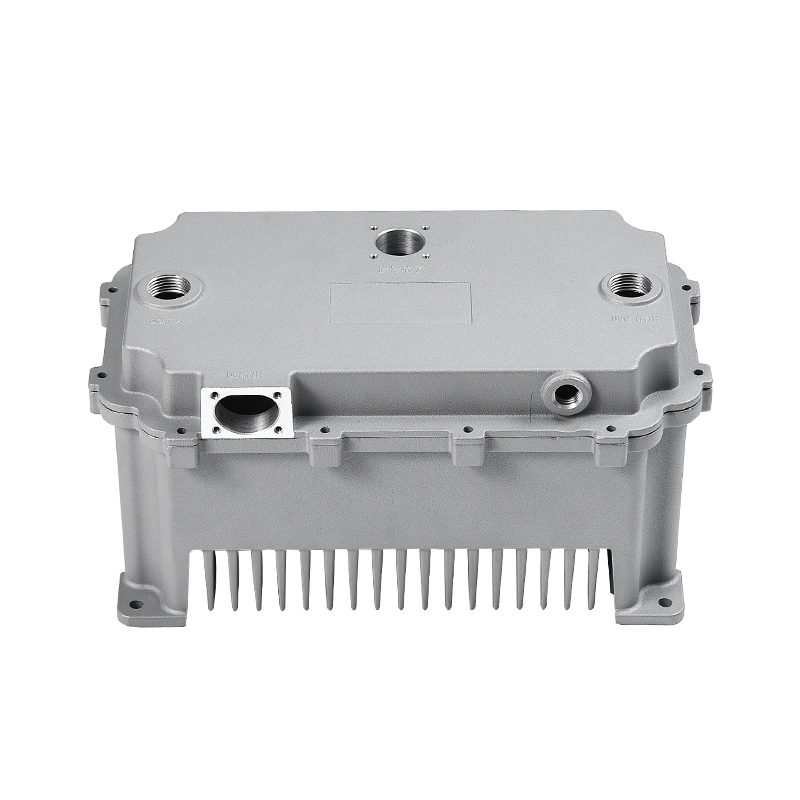
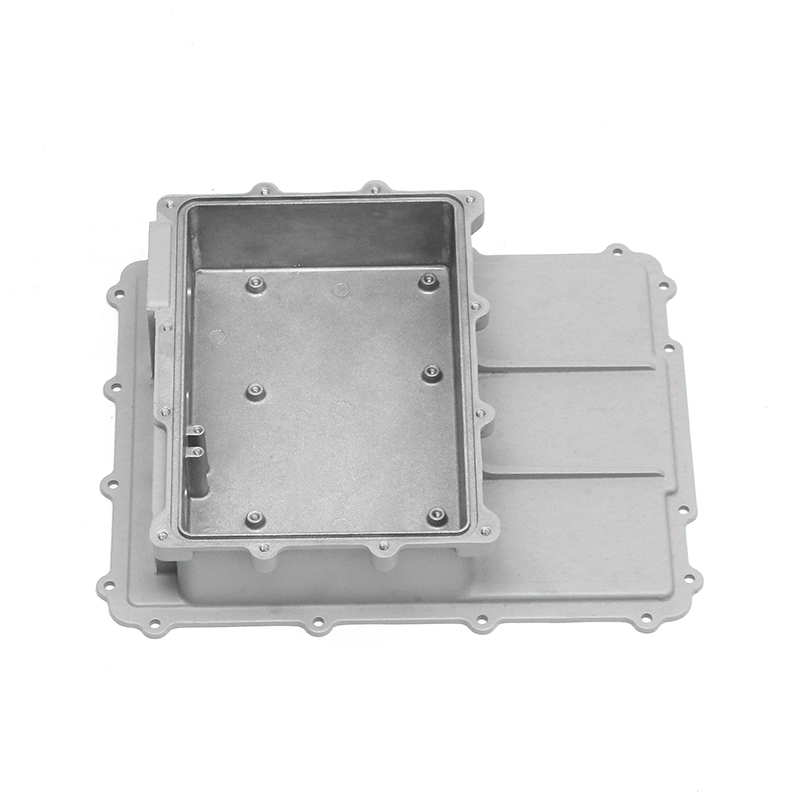
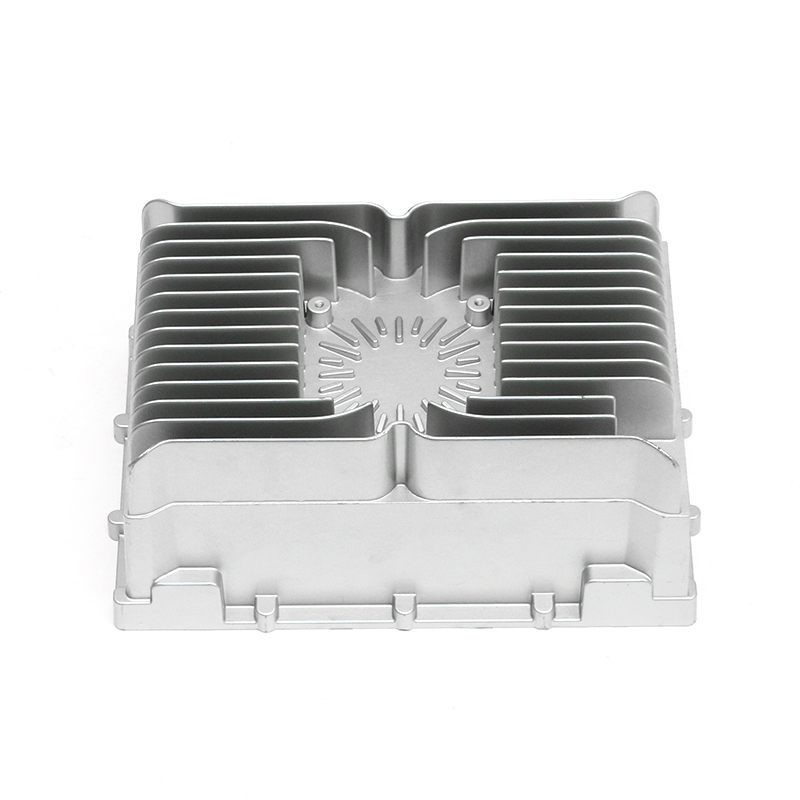
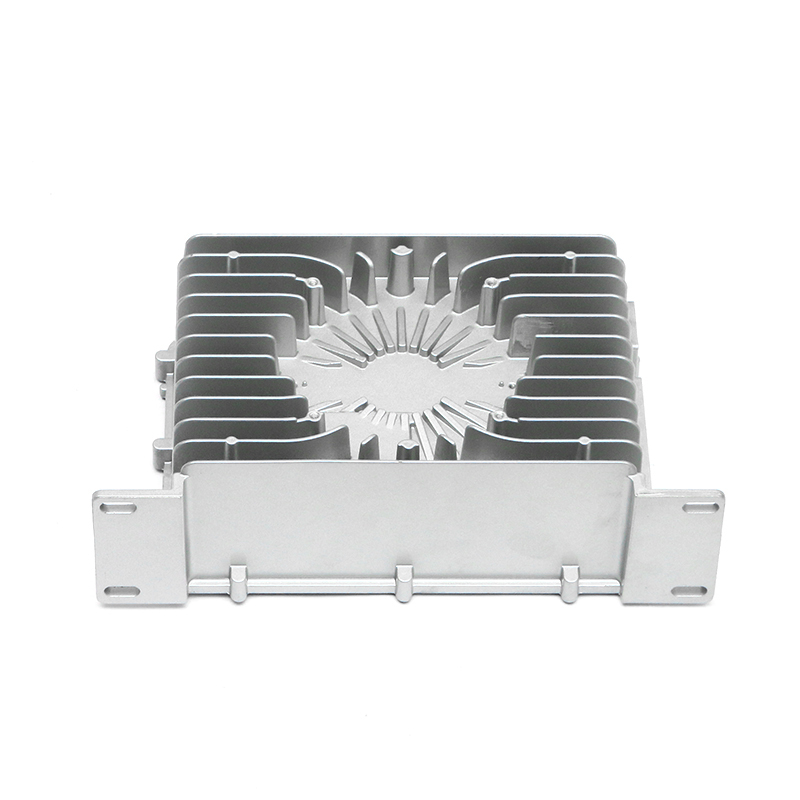
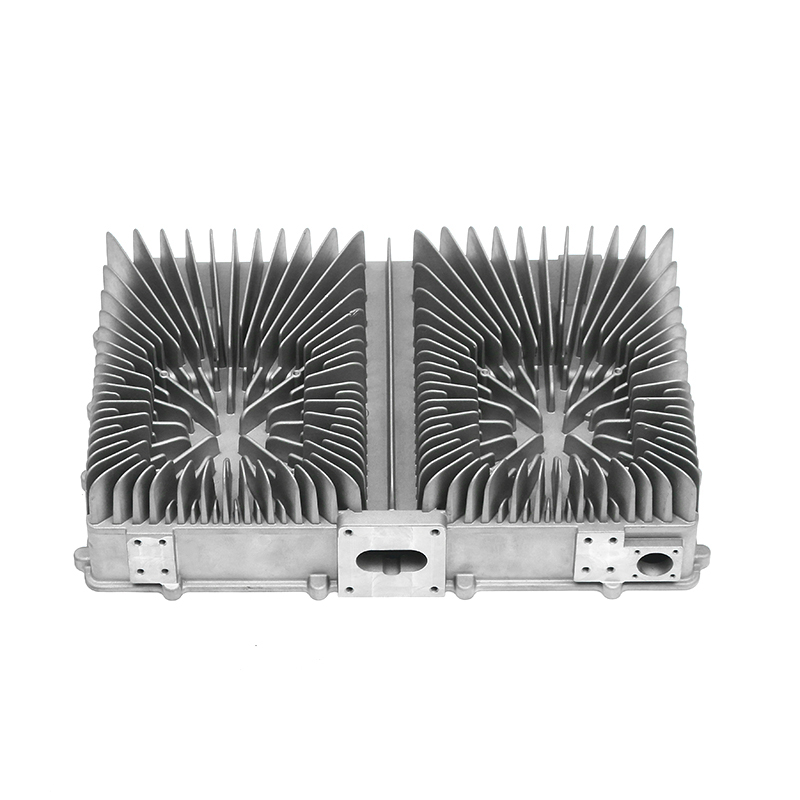
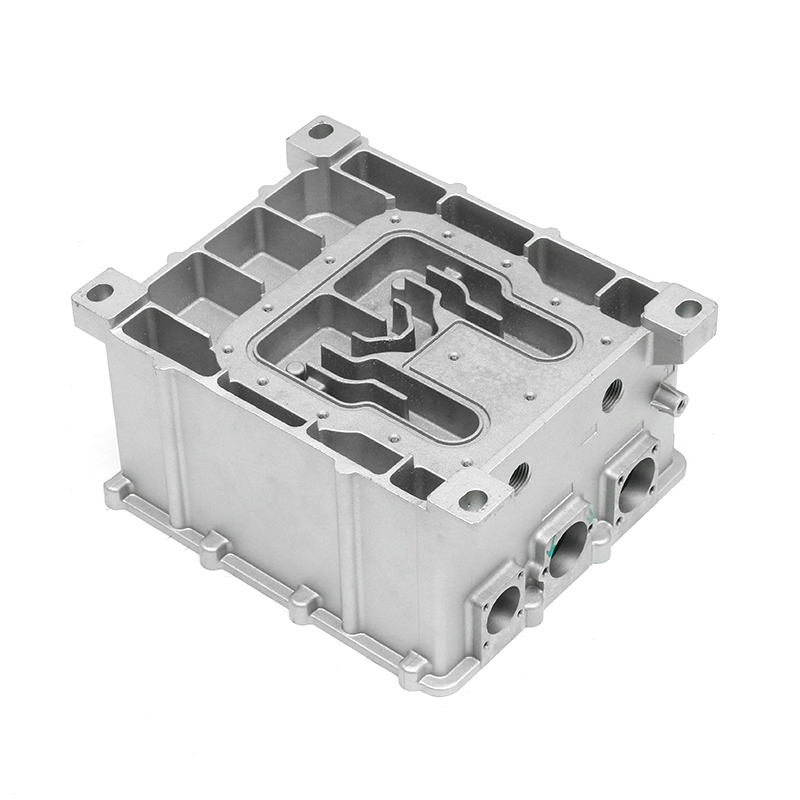
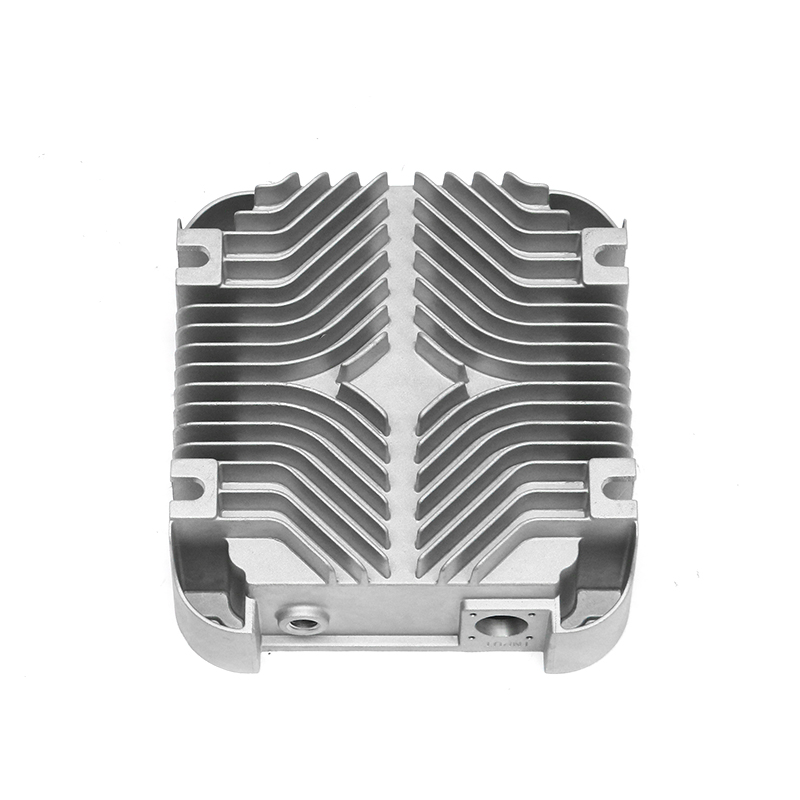
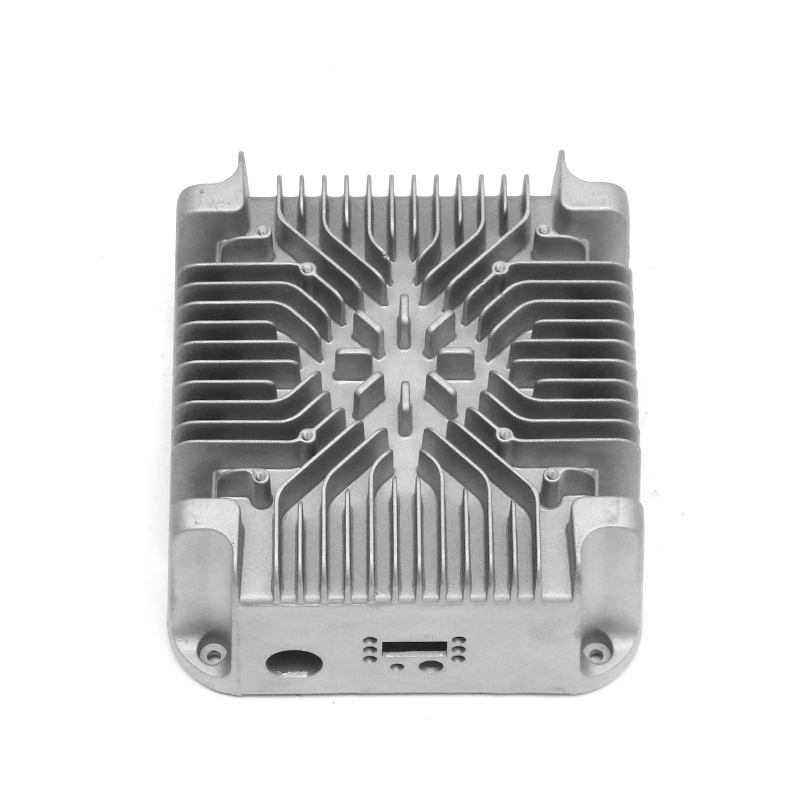
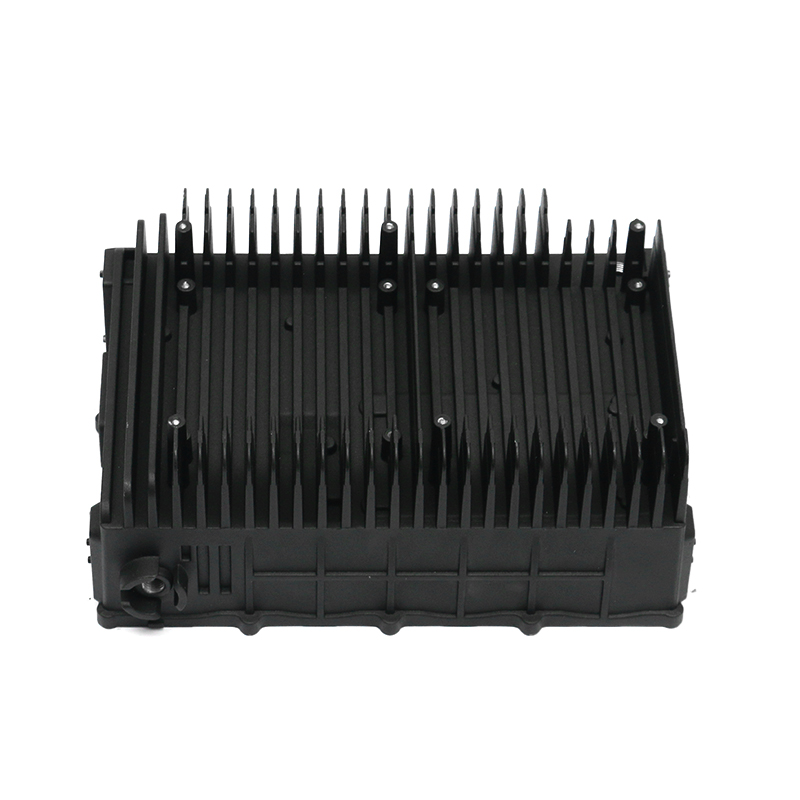
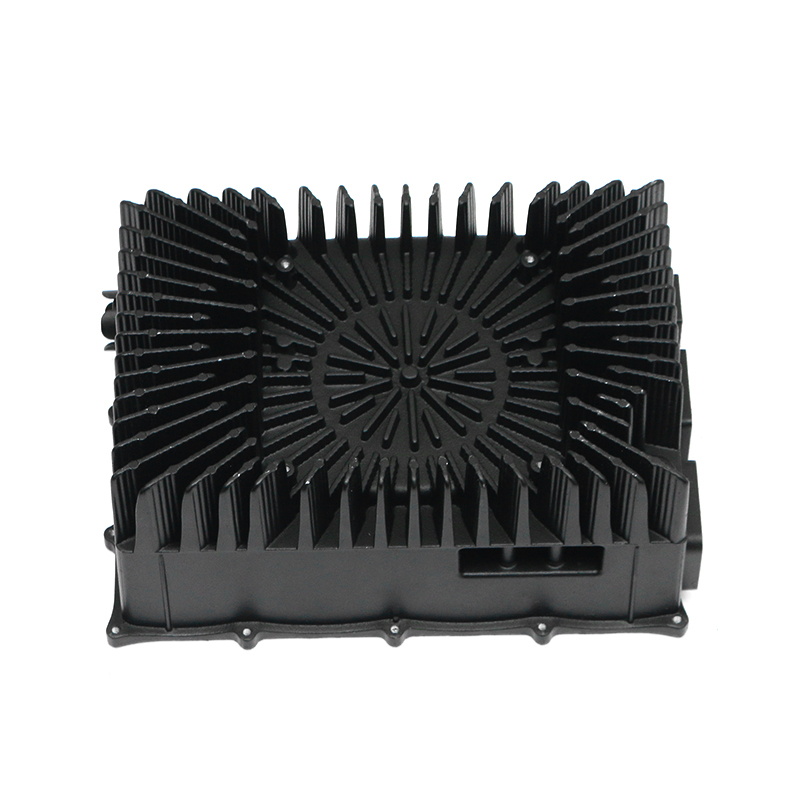
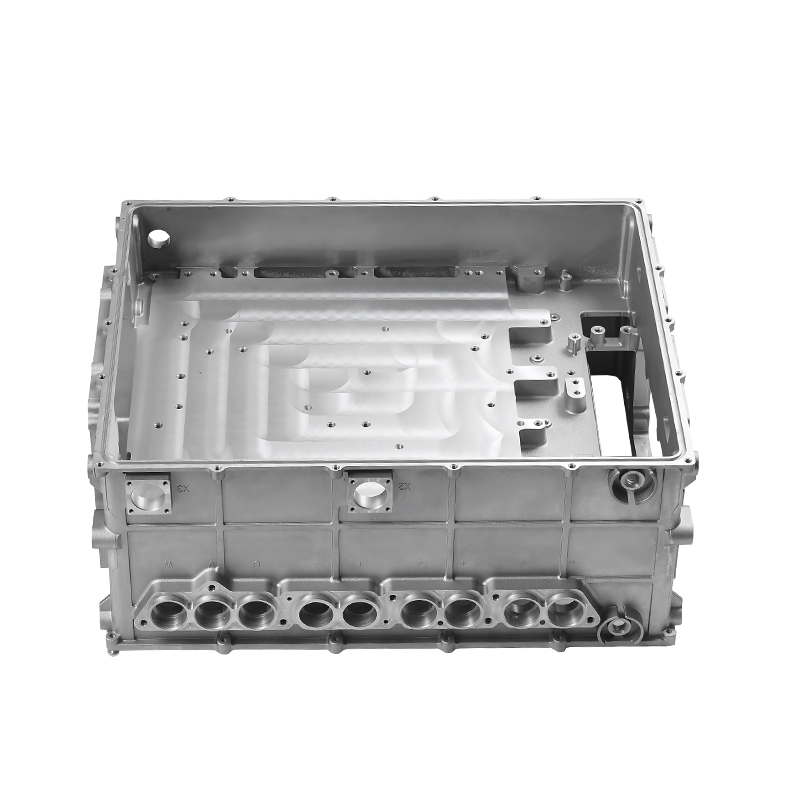
Introduction to New Energy Electronically Controlled Air Cooling Series Die Casting
The New Energy Electronically Controlled Air Cooling Series Die Casting is an advanced technology that integrates energy-efficient cooling solutions with precision die casting processes. This innovative system is designed to address the growing demand for more energy-efficient manufacturing solutions while maintaining high-quality production standards. As industries look to reduce their carbon footprint, this technology offers a sustainable alternative to traditional methods, combining power savings, precision, and improved production cycles.
How New Energy Electronically Controlled Air Cooling Works
At its core, the New Energy Electronically Controlled Air Cooling system optimizes the cooling process by precisely regulating air flow based on real-time temperature readings. The system uses electronic controls to manage the airflow and cooling rate, allowing for significant reductions in energy consumption. By enhancing the efficiency of the cooling process, manufacturers can reduce cycle times and improve the overall quality of the die-cast components.
The cooling system uses air instead of traditional water-based cooling methods, which significantly lowers water usage and maintenance requirements. Moreover, the electronic control allows for more precise cooling, ensuring that each die-casting process reaches the optimal temperature, thereby reducing defects and improving consistency in production.
Key Benefits of New Energy Electronically Controlled Air Cooling Series Die Casting
The adoption of New Energy Electronically Controlled Air Cooling Series Die Casting offers several advantages that enhance the efficiency and sustainability of the manufacturing process:
- Energy Efficiency: The system is designed to use less power than conventional air cooling methods, reducing energy consumption and lowering operational costs.
- Precision Cooling: With electronic control, the system can maintain optimal cooling conditions for the die-casting process, improving the quality and consistency of the final products.
- Sustainability: By using air instead of water for cooling, the system reduces water consumption and eliminates the need for water treatment, making it an environmentally friendly option.
- Reduced Maintenance Costs: The simplicity of the air-cooling system, coupled with electronic regulation, reduces the need for regular maintenance compared to traditional water-based cooling systems.
- Improved Cycle Time: Faster cooling leads to shorter cycle times, which directly increases production capacity and throughput.
Applications of New Energy Electronically Controlled Air Cooling Series Die Casting
This cutting-edge die-casting technology finds applications across a wide range of industries, including automotive, electronics, and consumer goods. Here are some notable uses:
Automotive Industry
In the automotive industry, the need for lightweight, durable, and high-precision parts is critical. The New Energy Electronically Controlled Air Cooling Series Die Casting system allows for the production of complex, high-quality components, such as engine blocks, transmission parts, and structural components, with increased efficiency and reduced environmental impact.
Electronics Manufacturing
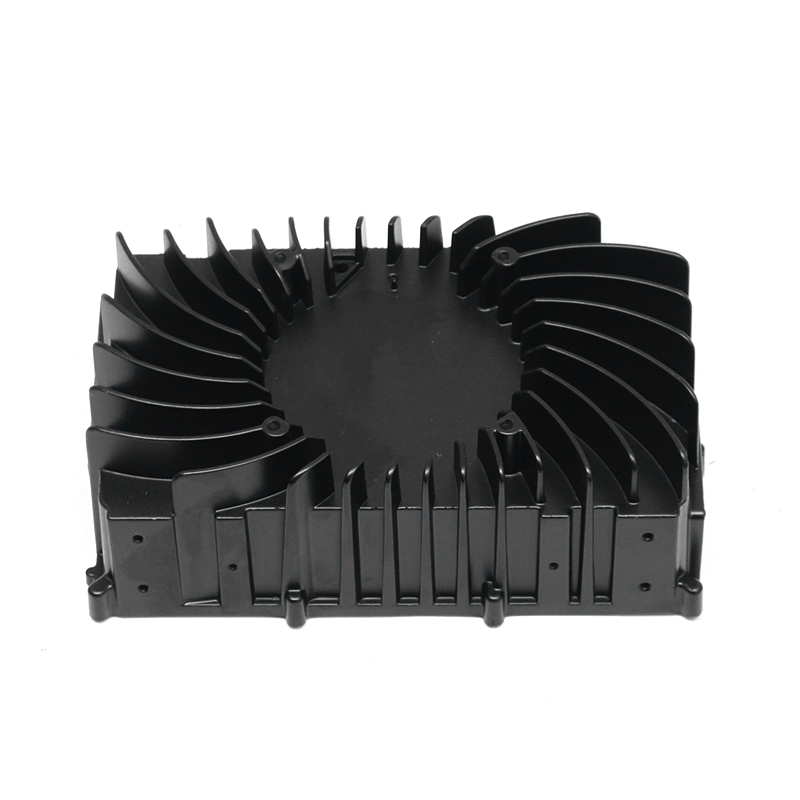
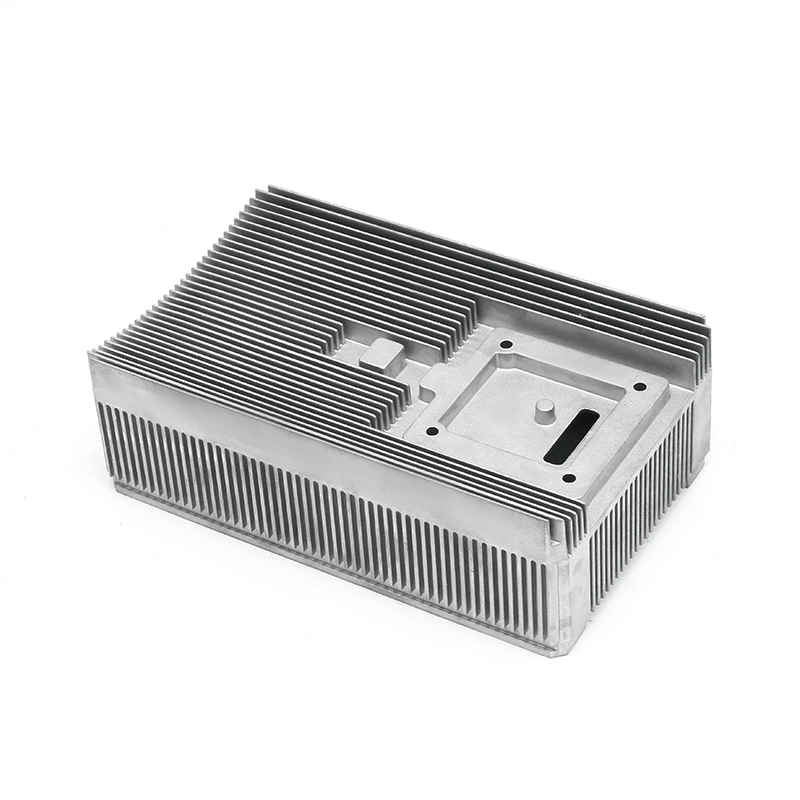
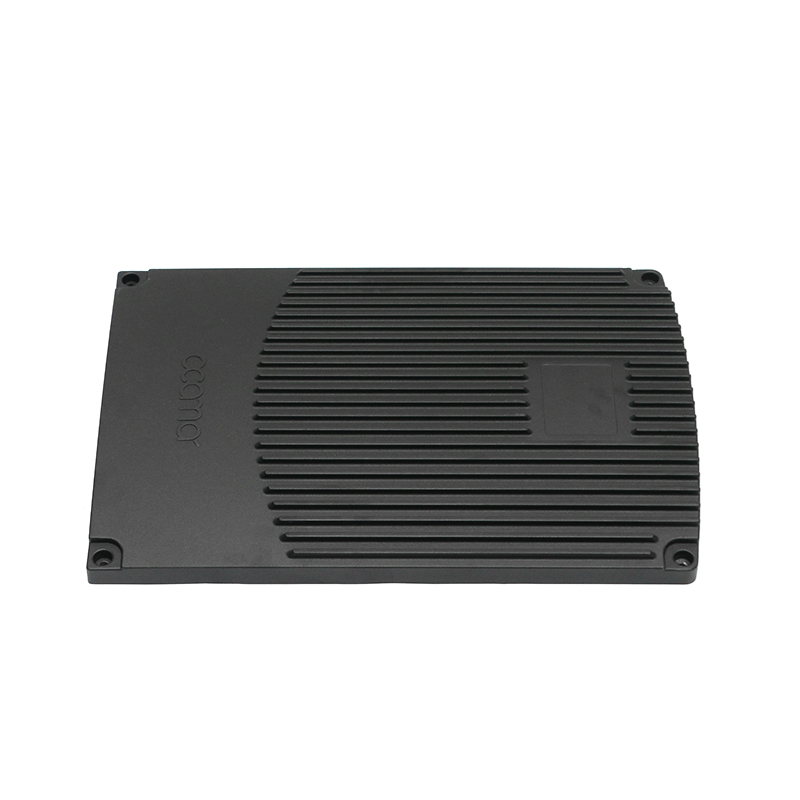
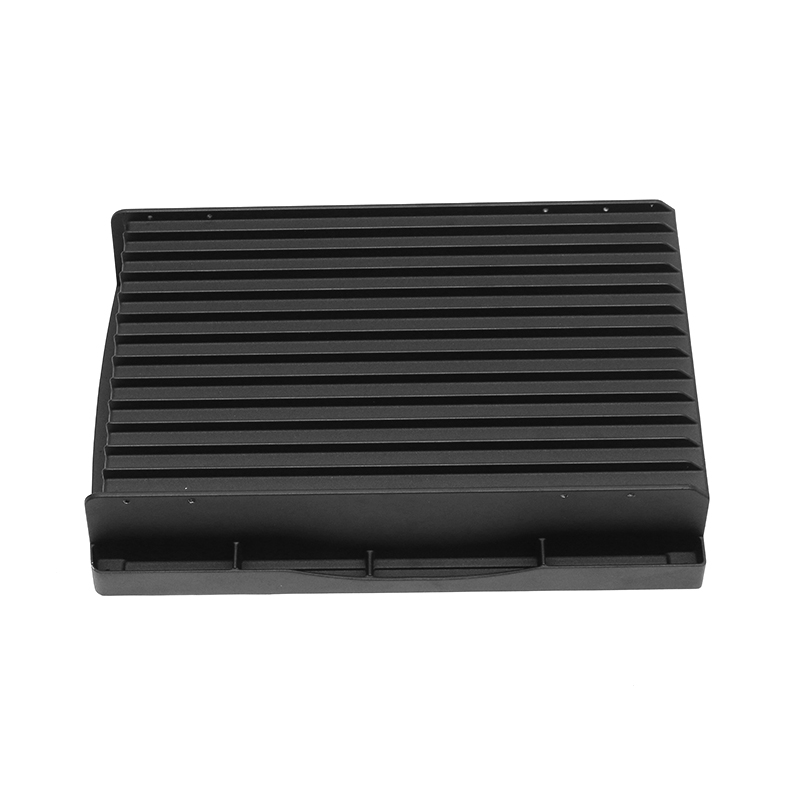
In electronics manufacturing, die-cast parts are often used for housings, heatsinks, and enclosures. The precise cooling capabilities of the new system ensure that delicate electronic components are produced without defects, reducing waste and increasing overall product quality.
Consumer Goods
From household appliances to recreational products, the New Energy Electronically Controlled Air Cooling system provides a reliable and efficient solution for casting a variety of consumer goods. The energy savings and precision offered by this technology make it an attractive option for manufacturers looking to meet both performance and environmental goals.
Comparing Traditional Die Casting with New Energy Electronically Controlled Systems
The traditional die-casting process often involves water-based cooling systems, which can be less efficient and require extensive maintenance. Here’s a comparison of key features between the two:
| Feature | Traditional Die Casting | New Energy Electronically Controlled Air Cooling |
|---|---|---|
| Cooling Method | Water-based cooling | Air-based cooling with electronic control |
| Energy Consumption | High | Low |
| Maintenance | High (water treatment and monitoring) | Low |
| Cycle Time | Longer | Shorter |